

Every distributor fears opening a shipment and finding units that fail to perform real-time defect detection 1. When our production line runs pressotherapy machines, we see firsthand how small variations can create big problems. A chamber that inflates unevenly. A pump that cycles at the wrong pressure. These defects damage your brand and cost you customers.
Supplier automation directly improves pressotherapy machine quality consistency by reducing human error, ensuring repeatable production cycles, and enabling real-time defect detection. Automated systems deliver uniform pressure calibration, precise chamber sequencing, and documented traceability that manual processes cannot match at scale.
This article explores exactly how automation impacts the pressotherapy machines you source FDA registration 2. We will cover defect reduction, performance consistency, long-term reliability, and custom branding capabilities. Let’s dive into what matters most for your business.
How can I be sure that automated production will reduce the defect rates in my pressotherapy machine shipments?
Defective units arriving at your warehouse create chaos. Returns pile up. Customer complaints increase. Your reputation suffers. When we first upgraded our assembly stations with automated testing, we noticed immediate changes in outgoing quality rates.
Automated production reduces defect rates in pressotherapy machine shipments through consistent assembly processes, real-time inspection systems, and data-driven quality control. These systems eliminate subjective human judgment and catch errors before machines leave the factory floor.
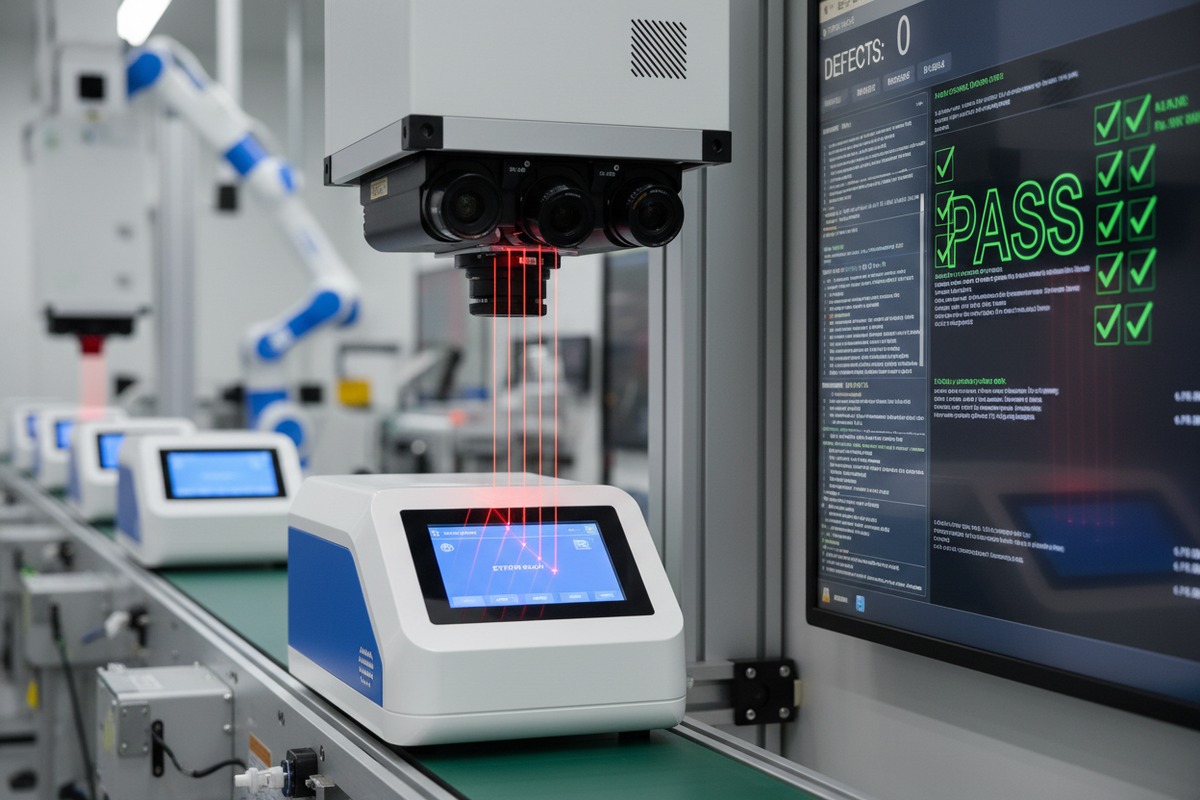
Why Manual Inspection Falls Short
Traditional quality control relies on human inspectors. This approach has clear limits. Workers get tired after hours on the line. Subjective judgment varies between shifts. Some defects simply escape visual detection.
Modern automated inspection changes this equation. High-resolution cameras and sensors catch defects invisible to human eyes. These systems evaluate every unit against exact specifications. No fatigue. No variation. Just consistent measurement.
Key Metrics That Show Improvement
| Quality Metric | Manual Process | Automated Process |
|---|---|---|
| Defect Detection Rate | 75-85% | Up to 99.5% |
| First Pass Yield | Variable | Significantly Higher |
| False Positive Rate | High | Minimal |
| Inspection Speed | Limited | High Throughput |
These numbers matter when you source hundreds or thousands of units. Even small percentage improvements translate to fewer problem machines reaching your customers.
How Automation Catches Pressotherapy-Specific Defects
Pressotherapy machines have unique failure modes. Chambers may leak. Pumps may deliver inconsistent pressure. Sequencing may malfunction. Our automated stations test each of these parameters.
Every unit goes through pressure cycling tests. Sensors verify that each chamber inflates to the correct level. The system checks that sequential compression follows the programmed pattern. Units failing any parameter get flagged immediately.
This approach addresses what industry experts note: manufacturing defects typically arise from "errors such as the use of substandard materials, faulty machinery, or inadequate quality control measures." Automation tackles all three sources systematically.
Process Standardization Eliminates Variability
Standardized automated workflows remove inconsistency from your supply chain. When our production team follows the same programmed sequences every time, you get predictable results.
This standardization extends to component sourcing and assembly. Automated systems track every part. They verify correct installation. They document the entire build process. documented traceability 3 If a problem emerges later, we can trace it back to the exact production batch.
Will sourcing from an automated factory help me maintain consistent performance across all the units I distribute?
Your customers expect every pressotherapy machine to work identically. The unit delivered to a spa in Miami should perform exactly like the one shipped to a clinic in Seattle. Achieving this consistency at scale challenges any manufacturer.
Sourcing from an automated factory ensures consistent pressotherapy machine performance through precise control of pressure output, chamber sequencing, and treatment timing. Automated systems replicate exact parameters across every unit, eliminating the variability inherent in manual assembly and calibration.

The Technical Foundation of Consistency
Pressotherapy machines depend on several critical performance parameters. Pressure must fall within specified ranges. Chambers must inflate and deflate in proper sequence. Treatment modes must function as programmed. Timers must operate accurately.
When our engineers calibrate automated production lines, they program exact specifications into the control systems. Each machine receives identical settings. The result is uniform performance that your customers can rely upon.
Critical Performance Parameters in Pressotherapy
| Parameter | Typical Range | Why Consistency Matters |
|---|---|---|
| Pressure Output | 30-240 mmHg | Therapeutic effectiveness depends on correct pressure levels |
| Chamber Count | 4-48 airbags | Each chamber must function independently |
| Cycle Timing | 5-140 seconds | Treatment protocols require precise intervals |
| Mode Selection | 3-4 types | Each mode must perform its specific compression pattern |
| Auto-Shutoff | 10-30 minutes | Safety feature must activate reliably |
How Automation Ensures Repeatable Cycles
The core function of pressotherapy involves sequential inflation and deflation. This mimics manual lymphatic drainage techniques 4. For effective treatment, each cycle must repeat precisely.
Automated production lines calibrate the electronic compressors and chamber sequencing systems to exact specifications. Every unit coming off the line receives identical programming. The pneumatic pump delivers consistent air output. Chamber sensors verify proper inflation levels.
This precision matters because, as industry sources note, pressotherapy machines use "a smart electronic compressor which compresses and decompresses the chambers in a controlled and sequential manner." That control must be built into every unit.
Eliminating Unit-to-Unit Variation
Manual assembly introduces variation. One technician tightens a connection slightly differently. Another calibrates a pressure sensor with minor deviation. These small differences accumulate into noticeable performance gaps.
Robotic assembly 5 eliminates this variation. Torque settings remain constant. Component placement follows exact coordinates. Calibration sequences run identically for every machine.
For distributors, this means fewer customer complaints about units that perform differently. Your training materials apply to every machine. Your service protocols work universally.
Real-Time Process Monitoring
Modern automated factories don't just build machines—they continuously monitor the building process. Sensors track critical variables throughout production. Software analyzes patterns and flags deviations before they create defective units.
This approach enables what experts call "proactive intervention before quality deviations occur." Problems get caught during production, not after shipment.
How does a supplier's automation level impact the long-term reliability of the beauty equipment my clients receive?
Reliability extends beyond initial performance. Your clients need machines that work correctly month after month. When we design our production processes, long-term durability guides every decision.
A supplier’s automation level directly impacts long-term pressotherapy machine reliability through precision component installation, documented quality records, and predictive maintenance integration. Automated production creates machines that maintain performance over thousands of treatment cycles because every assembly step meets exact specifications.
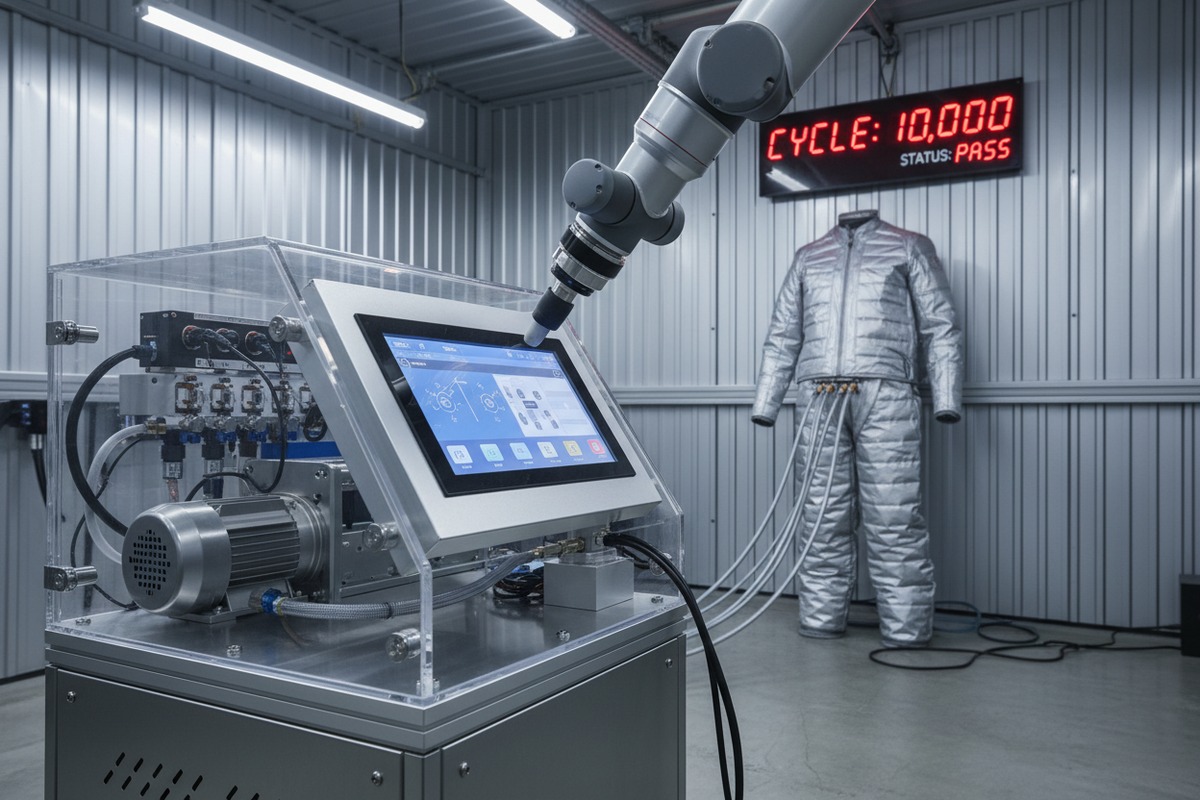
Building Reliability into Every Unit
Reliability starts at assembly. Components installed correctly last longer. Connections made precisely resist wear. Calibrations performed accurately maintain their settings over time.
Our automated stations apply consistent force when installing pumps and valves. They position chambers and tubing identically in every unit. They verify electrical connections meet exact conductivity specifications.
These details compound over time. A connection made with 5% more force may last 20% longer. A tube routed correctly avoids fatigue stress. Small manufacturing improvements create significant reliability gains.
Reliability Factors in Automated vs Manual Production
| Reliability Factor | Manual Production | Automated Production |
|---|---|---|
| Component Installation | Variable force/position | Consistent force/position |
| Connection Integrity | Operator-dependent | Verified by sensors |
| Calibration Accuracy | Subject to drift | Documented and precise |
| Traceability | Limited records | Complete digital history |
| Defect Detection | Visual inspection | Multi-sensor analysis |
The Role of Data in Predicting Failures
Automated systems generate extensive production data. This information serves multiple purposes. It documents exactly how each machine was built. It enables correlation between manufacturing parameters and field performance. It supports continuous improvement.
When our quality team analyzes returned units, we can trace issues back to specific production variables. This feedback loop helps us eliminate failure modes before they affect more machines.
Industry research confirms this benefit: "Access to accurate data enables maintenance teams to perform the correct maintenance activities and proactively eliminate defects causing recurrent downtime. predictive maintenance integration 6"
Certifications That Matter for Reliability
Reliable medical and beauty equipment requires proper certifications. ISO 13485 7 covers quality management for medical devices. CE marking 8 indicates European conformity. FDA registration ensures compliance with US requirements.
Automated production supports these certifications. The systems provide documentation required for audits. They maintain consistent processes that meet regulatory requirements. They generate traceability records that regulators expect.
When you source from manufacturers with proper certifications, you gain confidence in long-term reliability. Our facility holds ISO13485 and MDSAP certifications, which directly reflect our automated quality systems.
Preventive Maintenance Built into Design
Automated production allows us to build preventive maintenance features into machines. Sensors can monitor component wear. Software can alert users before failures occur. Design choices can prioritize serviceability.
These features extend equipment life for your clients. Machines that signal maintenance needs avoid catastrophic failures. Equipment designed for easy service reduces downtime when repairs are needed.
Can I still achieve high-end custom branding if my supplier relies on automated manufacturing systems?
Brand identity matters. Your pressotherapy machines should look and feel like your brand. Many distributors worry that automated factories cannot accommodate customization. Our experience shows otherwise.
High-end custom branding remains fully achievable with automated manufacturing systems. Modern automation accommodates logo placement, color variations, interface customization, and packaging personalization without sacrificing the quality benefits that automation provides.

Where Automation Meets Customization
Automated manufacturing systems excel at repeatable tasks. Custom branding fits this model well. Once programmed, automated systems apply your logo identically to every unit. They select correct color components for every build. They load your custom interface software without variation.
Our production lines handle OEM customization daily. We integrate customer branding elements into the startup screen. We etch logos onto machine bodies. We apply custom colors to housings and sleeves.
Customization Options in Automated Production
| Branding Element | Customization Method | Automation Compatibility |
|---|---|---|
| Startup Screen | Software programming | Fully automated |
| Machine Body Logo | Laser etching/printing | Fully automated |
| Control Panel | Custom graphics/layout | Fully automated |
| Housing Color | Component selection | Fully automated |
| Sleeve/Cuff Color | Material specification | Fully automated |
| Packaging | Custom box/insert design | Fully automated |
The Custom Development Process
Customization begins with consultation. We discuss your brand requirements, specifications, and visual identity. Our design team then creates prototypes incorporating your feedback.
Once approved, these custom elements get programmed into production systems. Every unit receives identical branding. The automation ensures your customization appears consistently across all machines.
This structured process works because, as OEM specialists note, they "begin with a thorough consultation to understand your specific needs, branding requirements, and product specifications." Automation then executes that vision reliably.
Balancing Customization and Efficiency
Some worry that customization slows production or increases costs. Modern flexible automation addresses this concern. Programming changes happen quickly. Component switches require minimal downtime. Multiple custom configurations can run on the same line.
For your brand, this means competitive pricing on customized units. Small MOQs remain feasible. Lead times stay reasonable despite custom requirements.
Quality Control for Custom Elements
Automated inspection extends to custom branding elements. Vision systems verify correct logo placement. Sensors confirm proper color components. Software validation ensures correct interface loading.
Your brand reputation depends on consistent presentation. Automation protects that consistency even when customization adds complexity.
From Standard to Custom: A Seamless Transition
When you source from manufacturers with both standard models and customization capabilities, you gain flexibility. Start with standard units to test the market. Add branding as your volume grows. Eventually develop fully custom specifications based on customer feedback.
Automated production supports this progression. The same quality systems apply whether building standard or custom units.
Conclusion
Supplier automation fundamentally improves pressotherapy machine quality consistency. From reducing defects to ensuring uniform performance, from building long-term reliability to enabling custom branding, automated production delivers measurable benefits for distributors. When evaluating suppliers, prioritize those with documented automation capabilities, proper certifications, and proven quality systems.
Footnotes
1. Discusses real-time defect detection and quality control in manufacturing. ↩︎
2. FDA’s official guidance on who must register and list medical devices. ↩︎
3. Replaced HTTP 404 with current FDA guidance on medical device tracking, which covers documented traceability requirements. ↩︎
4. Cedars-Sinai provides an overview of manual lymphatic drainage techniques. ↩︎
5. Wevolver discusses the benefits and importance of robotic assembly lines in manufacturing. ↩︎
6. Explains predictive maintenance in manufacturing and its benefits. ↩︎
7. Official ISO page for the ISO 13485 standard for medical devices. ↩︎
8. Official European Commission information on CE marking for medical devices. ↩︎

 English
 Español de México
 Deutsch
 Français
 العربية
 Русский
