
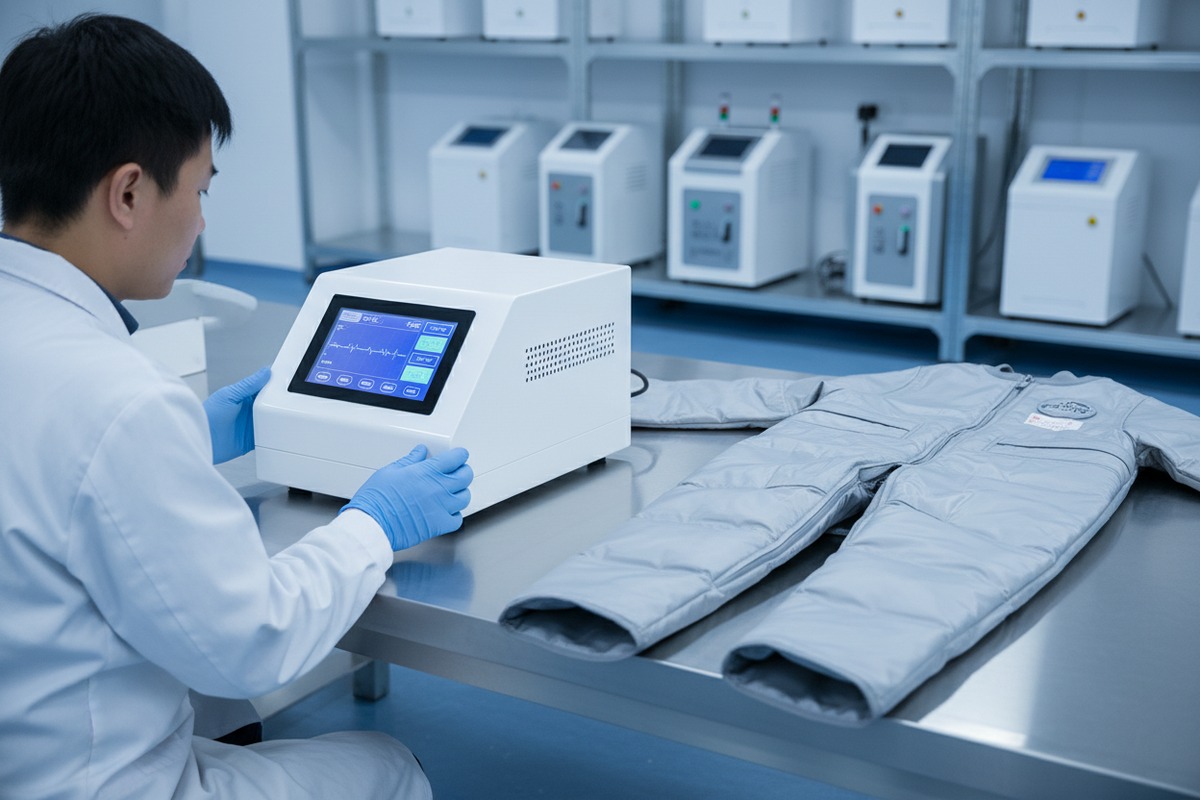
Every week, our production floor sees new orders come in from brand owners across the US and Europe pneumatic system 1. And every week, we get the same question: “How do I know your pressotherapy machines won’t leak?” It’s a fair concern. A single air leak can ruin your brand reputation and trigger customer refunds. Your clients expect consistent compression therapy results. That starts with airtightness.
To judge pressotherapy machine airtightness testing standards, demand pressure retention metrics in quality reports, verify supplier testing protocols before shipment, look for ISO 13485 or CE certification, and ensure the pneumatic system holds stable pressure across all air chambers during inflation and deflation cycles.
Let’s dive into what you need to know. This guide will help you ask the right questions, spot red flags, and choose a supplier who takes airtightness as seriously as you do.
What specific pressure retention metrics should I demand in my pressotherapy machine quality reports?
When we calibrate machines before shipping, pressure retention is the number one checkpoint. Buyers often overlook this. They focus on features. But features mean nothing if your air chambers leak within weeks. This is your money on the line. And your brand's credibility.
Demand that your supplier's quality report include chamber-by-chamber pressure retention data, showing each air chamber holds its rated pressure (typically 50-200 mmHg) with less than 5% drop over a 60-second test cycle. Reports should also confirm consistent pressure across all chambers during sequential compression.

Understanding Pressure Metrics in Quality Reports
Pressure retention tells you how well each air chamber holds air after inflation. A quality pressotherapy machine should maintain pressure without significant drop. Here's what to look for:
| Metric | Acceptable Range | Red Flag |
|---|---|---|
| Pressure drop per chamber | <5% over 60 seconds | >10% drop |
| Chamber pressure uniformity | ±5% between chambers | >15% variance |
| Inflation time to target pressure | 20-50 seconds | >60 seconds or inconsistent |
| Deflation time | 5-10 seconds | Incomplete deflation |
The pressure inside air chambers directly affects treatment effectiveness. Research on intermittent pneumatic compression devices 2 shows that "the minimum tissue fluid pressure necessary for initiating flow should be above 30 mmHg." If your machine cannot maintain stable pressure, treatments become unreliable.
Why Chamber-by-Chamber Testing Matters
Professional pressotherapy systems often feature 8, 16, 20, or even 24 air chambers. Each chamber must be tested independently. Our quality control team tests every single chamber. We record the data. This is what you should expect from any serious manufacturer.
Ask your supplier these questions:
- Do you test each air chamber individually?
- What pressure level do you test at?
- How long is your holding period during testing?
- Do you provide documented test reports with each shipment?
Sequential Compression Integrity
Pressotherapy works through sequential compression 3. Chambers inflate in sequence from distal to proximal. This mimics natural lymphatic flow. But this only works if each chamber holds pressure while the next one inflates.
Studies confirm that "devices differ with respect to the number of chambers, time of inflation, deflation, regulation of inflation pressure, and calibrated gradient pressure." Your quality report should confirm the machine can execute sequential cycles without pressure loss in already-inflated chambers.
How can I verify that my supplier is conducting rigorous airtightness testing before my order ships?
Our US clients often ask for video evidence of testing. They want to see the machine in action before it leaves our warehouse. Smart move. But verification goes beyond video. You need a system. You need documentation. You need to know what questions to ask.
Verify supplier testing by requesting pre-shipment inspection reports with timestamped photos, asking for real-time pressure readout videos during testing, confirming they use calibrated testing equipment, and checking if they hold ISO 13485 certification which mandates documented quality control processes for medical devices.

Certifications That Matter
Certifications are your first line of defense. They indicate the manufacturer follows established quality protocols. Here's what to look for:
| Certification | What It Means | Why It Matters |
|---|---|---|
| ISO 13485 4 | Quality management system for medical devices | Ensures documented, controlled inspection processes |
| CE Marking 5 | European safety and performance compliance | "The CE mark is a strong indication that the pressotherapy machine has been thoroughly tested for safety" |
| FDA Registration 6 | US market regulatory compliance | Confirms adherence to quality system regulation |
| MDSAP | Medical Device Single Audit Program 7 | Recognized by multiple regulatory authorities |
Quality manufacturers hold these certifications. "All IPC devices meet industry safety and performance standards, holding certifications from the FDA, NRTL, CE, and Health Canada." When a manufacturer has achieved ISO 13485 certification, "the manufacturing facility has achieved ISO13485 and MDSAP certifications." This demonstrates commitment to rigorous quality control.
Pre-Shipment Verification Checklist
Before any order ships, you should receive:
- Incoming material inspection report – Confirms raw materials meet specifications
- In-process quality check records – Documents testing during assembly
- Final function test report – Shows all systems work correctly
- Airtightness test certificate – Specific pressure retention data
- Calibration records – Proves testing equipment is accurate
Our team conducts what we call 100% personal inspection. "Each product undergoes thorough quality checks before shipping." This is standard practice for quality-focused manufacturers.
Third-Party Inspection Options
Consider hiring a third-party inspection company. They visit the factory. They witness testing. They report directly to you. This adds cost but removes doubt.
For high-value orders or new supplier relationships, third-party inspection is worth the investment. The inspector should:
- Verify testing equipment calibration dates
- Witness actual pressure retention tests
- Check for visual defects in air chambers and connectors
- Confirm packaging protects components during shipping
Why is airtightness the most critical factor for the lifespan of my private-label pressotherapy equipment?
In our experience exporting to the US market, we've seen brand owners learn this lesson the hard way. They bought cheap machines. The machines worked fine for three months. Then complaints started. Air leaks. Inconsistent pressure. Unhappy salon customers. Returns and refunds ate into profits. Airtightness problems don't show up day one. They appear after repeated use.
Airtightness is the most critical factor because air leaks cause progressive performance degradation, leading to inconsistent treatment results, customer complaints, and shortened equipment lifespan. Well-sealed systems maintain therapeutic pressure levels throughout thousands of treatment cycles, protecting your brand reputation and maximizing return on investment.

The Cascade Effect of Air Leaks
A small air leak might seem minor. But in a pressotherapy system, small leaks create big problems. Here's why:
Stage 1: Undetected Micro-Leak
- Chamber takes slightly longer to reach target pressure
- Pump works harder to compensate
- User may not notice initially
Stage 2: Progressive Degradation
- Leak expands due to material fatigue 8
- Pump runtime increases significantly
- Treatment times extend
- Energy costs rise
Stage 3: System Failure
- Chamber cannot maintain therapeutic pressure
- Sequential compression breaks down
- Treatment effectiveness drops dramatically
- Customer complaints begin
Material Quality and Airtightness
The garment materials directly determine airtightness lifespan. Quality pressotherapy systems use specific materials for durability:
| Material Type | Airtightness Performance | Typical Lifespan |
|---|---|---|
| Medical-grade PU | Excellent seal retention | 3-5 years |
| Double-layer construction | Enhanced leak resistance | 3-5 years |
| Standard single-layer | Moderate performance | 1-2 years |
| Low-cost materials | Poor seal retention | <1 year |
"The easy-clean wearable accessory is made of PU material with a durable double-layer design." This double-layer construction provides redundancy. If the outer layer develops wear, the inner layer maintains the seal. Single-layer designs lack this protection.
Connection Points: Common Failure Areas
The weakest links in any pressotherapy system are the connection points. These include:
- Hose-to-control-unit connections
- Hose-to-garment connections
- Air valve seals
- Velcro closure areas where stress concentrates
Quality systems feature self-sealing connectors. These prevent air loss during attachment and detachment. They also reduce wear at these vulnerable points. Ask your supplier about connector design and materials.
Real-Time Monitoring Features
Advanced pressotherapy machines include internal pressure sensors. These sensors continuously monitor pressure in each chamber. "Real-time, accurate measurement of pressure within the air cells ensures a consistent and controlled experience." Some systems can even detect pressure drops and alert users to potential leaks.
This technology protects your customers. It also protects your brand. Problems get caught early, before they affect treatment quality.
Can I set my own airtightness testing standards for my custom OEM pressotherapy machine development?
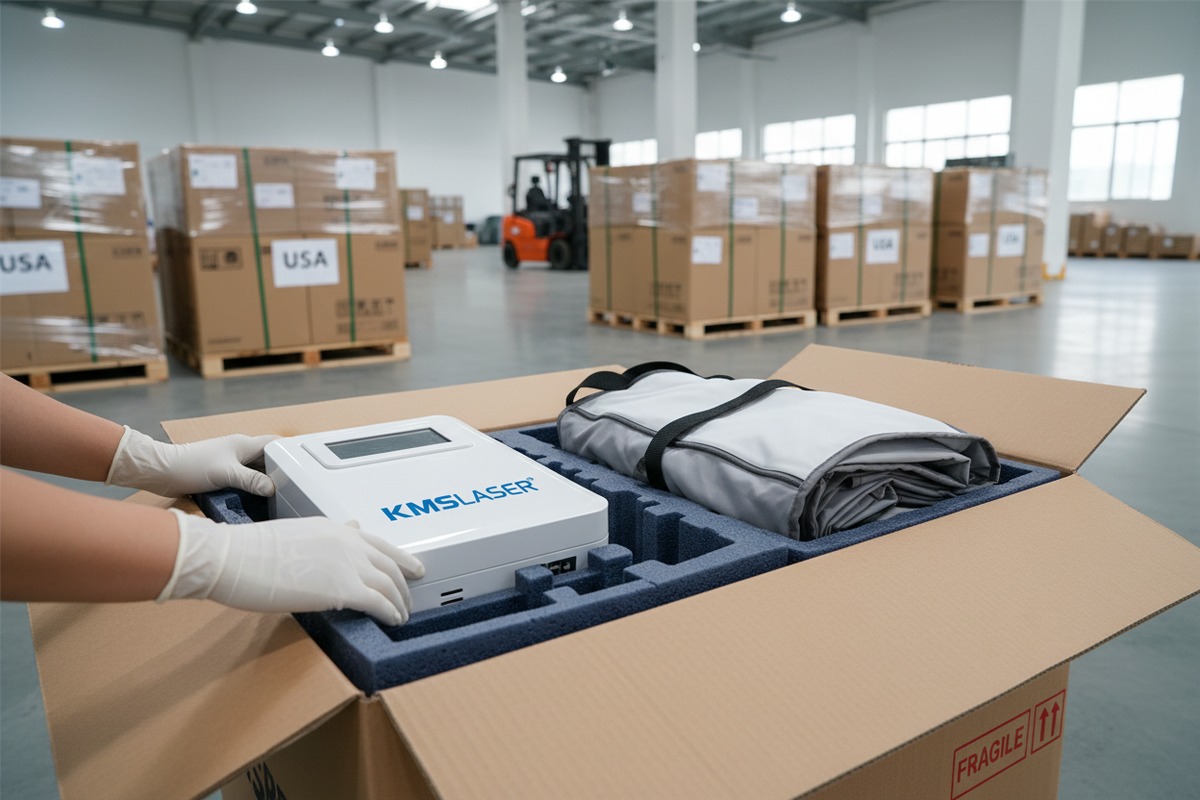
When we work with brand owners on custom OEM projects, testing standards often come up in initial discussions. The answer is yes, with conditions. Custom standards require clear specifications, aligned expectations, and sometimes additional development time. But getting this right upfront saves headaches later.
Yes, you can establish custom airtightness testing standards for OEM pressotherapy machines. Work with your manufacturer to define specific pressure retention thresholds, test durations, acceptable variance ranges, and testing frequency. Document these specifications in your OEM agreement and require compliance certificates with each production batch.
Defining Your Custom Standards
Custom standards should be specific and measurable. Here's a framework:
| Parameter | Standard Option | Premium Option | Ultra-Premium Option |
|---|---|---|---|
| Pressure retention threshold | <8% drop in 60s | <5% drop in 60s | <3% drop in 60s |
| Test pressure level | 100 mmHg | 150 mmHg | 200 mmHg |
| Chamber uniformity tolerance | ±10% | ±5% | ±3% |
| Cycle endurance testing | 1,000 cycles | 5,000 cycles | 10,000 cycles |
| Testing frequency | Batch sampling | 50% of units | 100% of units |
Your choice depends on your market positioning. Premium brands need tighter tolerances. Budget brands may accept wider ranges. But never compromise on basic safety thresholds.
Working With Your Manufacturer
Setting custom standards requires collaboration. Here's the process:
- Initial Consultation – Discuss your quality expectations and target market
- Technical Feasibility Review – Manufacturer assesses if standards are achievable
- Cost Analysis – Tighter tolerances may require better materials or more testing time
- Documentation – Specifications go into your OEM agreement
- Sample Validation – First production run confirms standards are met
- Ongoing Compliance – Each batch includes compliance documentation
Some standards may require equipment upgrades at the factory. "Insist on factory-level quality control: incoming inspection reports, IPC standards for electronics, batch traceability, and device final test records." This infrastructure supports custom testing protocols.
Standards for Different Body Regions
Pressotherapy garments cover different body areas. Each may require different pressure specifications:
Leg Sleeves
- Higher pressure capacity (up to 200 mmHg)
- Sequential chamber inflation critical
- Highest wear due to movement
Arm Sleeves
- Moderate pressure (up to 150 mmHg)
- Smaller chambers, more precise control
- Less wear than leg components
Abdominal/Waist Sections
- Variable pressure requirements
- Must accommodate body movement
- Velcro closures face high stress
Your custom standards should address each component type separately. A one-size-fits-all approach misses the unique demands of each garment section.
Documenting Your Requirements
Put everything in writing. Your OEM agreement should include:
- Specific numeric thresholds for all pressure metrics
- Testing methodology descriptions
- Acceptable testing equipment specifications
- Documentation requirements for each shipment
- Consequences for non-compliance (rework, rejection, penalties)
- Audit rights (your right to inspect or have third party inspect)
This protects both parties. The manufacturer knows exactly what to deliver. You have clear grounds for rejection if standards aren't met.
Conclusion
Judging pressotherapy machine airtightness starts with demanding the right data. Ask for chamber-by-chamber pressure retention reports. Verify your supplier holds proper certifications. Understand that airtightness protects your brand long-term. And remember, you can set custom standards for OEM development. Your investment deserves machines that perform consistently, treatment after treatment.
Footnotes
1. Provides a general definition and explanation of pneumatic systems. ↩︎
2. Authoritative medical information on the function and use of IPC devices. ↩︎
3. Explains the mechanism and application of sequential compression in medical devices. ↩︎
4. Explains the ISO 13485 standard for medical device quality management systems. ↩︎
5. Official government guidance on CE marking requirements for medical devices in the EU. ↩︎
6. Official FDA requirements for medical device establishment registration and listing in the U.S. ↩︎
7. Official information about the Medical Device Single Audit Program and its participating regulatory authorities. ↩︎
8. Explains the concept of material fatigue and its impact on material weakening over time. ↩︎

 English
 Español de México
 Deutsch
 Français
 العربية
 Русский
