
Broken pumps and leaking air chambers can halt your clinic’s operations instantly. While developing our latest compression systems, we focused on high-pressure durability to ensure your business never faces unexpected downtime.
Evaluate service life by requesting pump-hour certifications (10,000+ hours is ideal) and documented failure rates under 5%. Depreciation depends on build quality and market reputation; high-quality medical-grade pressotherapy machines typically last 5-10 years, ensuring a higher resale value and lower total cost of ownership.
Investing in the right equipment requires looking beyond the initial price tag to understand long-term value and reliability.
How can I accurately assess the expected service life of a pressotherapy machine before I place an order?
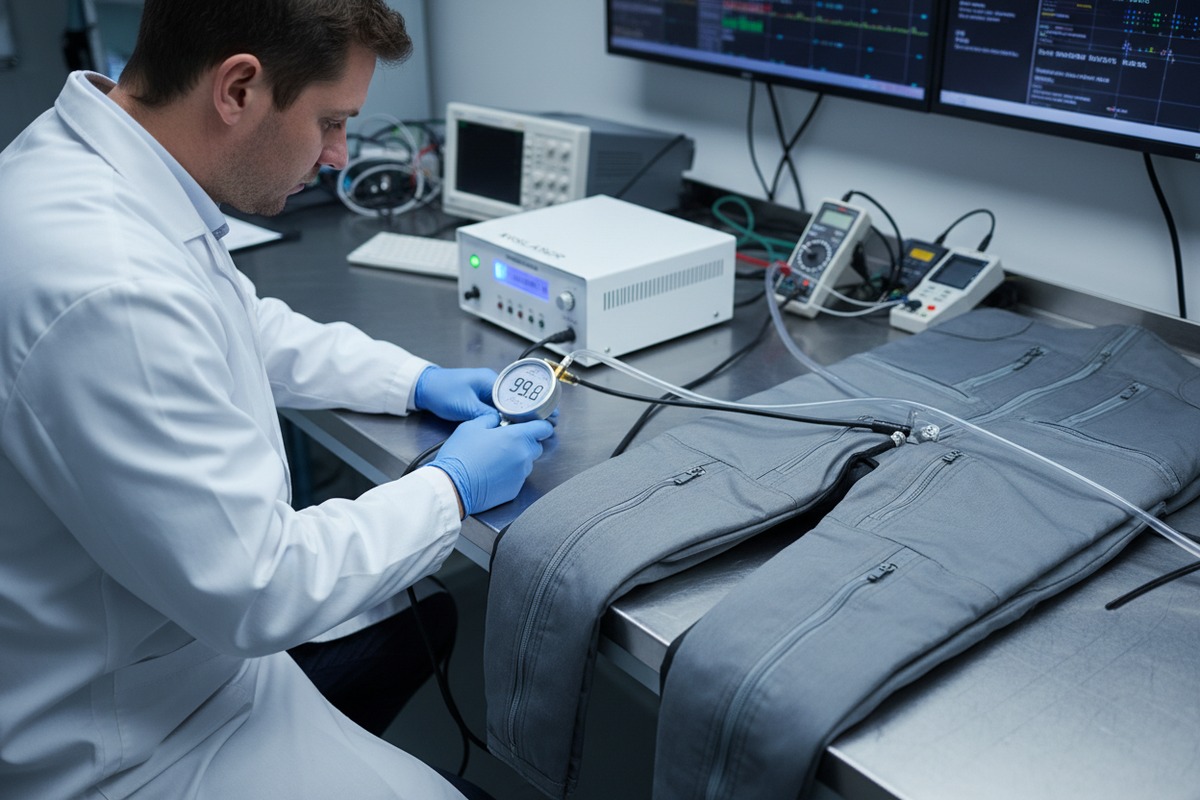
When we export our systems to the US and Europe, we often see clients struggle with machines that fail after just six months. We run rigorous stress tests 1 on every valve to prevent these early mechanical breakdowns.
Accurately assess service life by asking for laboratory test data on the air pump’s operating hours and chamber seam durability. A quality machine should offer 5,000 to 10,000 hours of active use and include a transparent failure rate report for its first five years.
Understanding the Heart of the Machine: The Air Pump
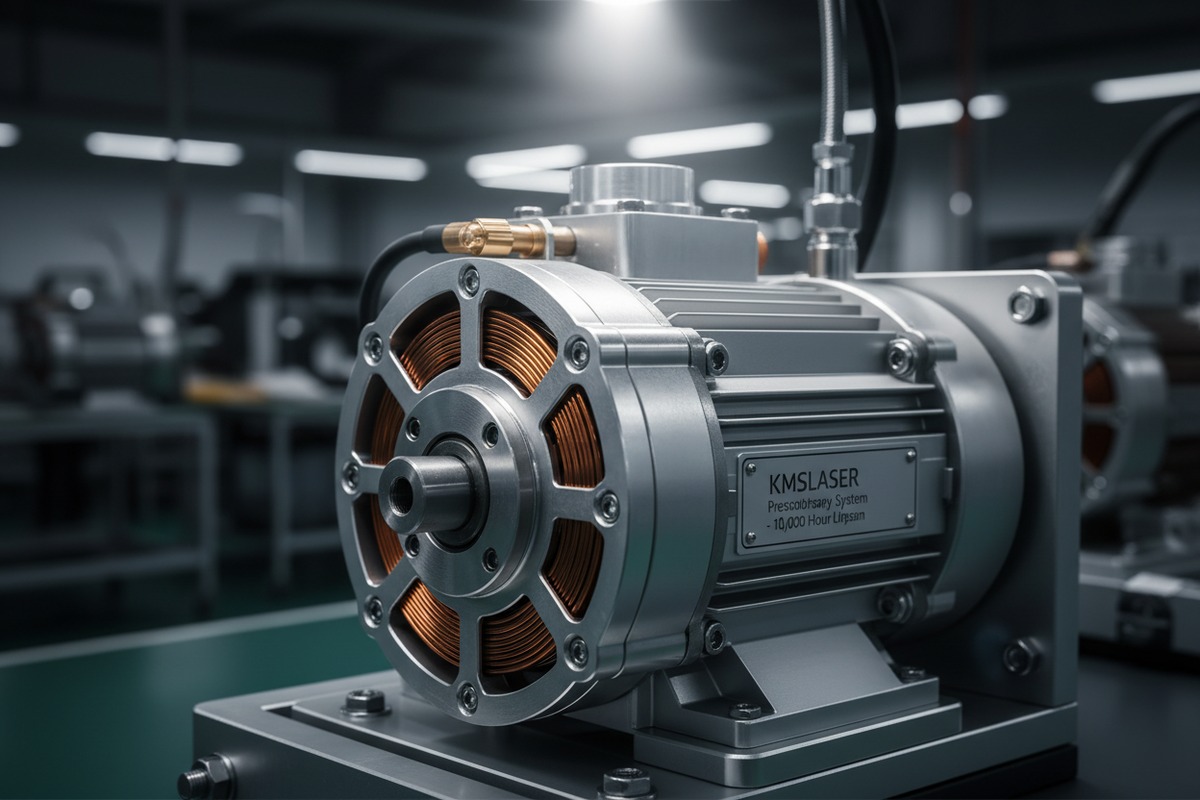
The air pump is the most critical component of any pressotherapy machine. When you speak with a supplier, you must ask specifically about the "rated motor hours 2." In our manufacturing facility, we use heavy-duty pumps designed for a 10,000-hour lifespan. For a typical salon running eight 45-minute sessions per day, a 10,000-hour pump can last over five years before requiring major service. If a supplier cannot provide a specific hour rating, the machine likely uses a consumer-grade pump that will fail under professional use.
Material Science and Chamber Integrity
The garments themselves are the second point of failure. Cheap materials crack under repeated inflation and deflation cycles. You should inquire about the denier (thickness) of the nylon used and whether the seams are heat-sealed or double-stitched. High-quality sleeves often feature a double-layered, elastic TPU (Thermoplastic Polyurethane) coating 3. This material resists the oils and sweat from clients, preventing the fabric from becoming brittle over time.
Comparing Operational Lifespans
Different grades of machines serve different purposes. It is vital to match the machine's build quality with your expected patient volume. Using a home-use machine in a busy clinic is a recipe for premature failure.
| Machine Grade | Intended Use | Expected Lifespan | Typical Pump Rating |
|---|---|---|---|
| Home/Portable | 1-2 sessions/day | 2-3 Years | 1,000 – 2,000 Hours |
| Professional Beauty | 5-10 sessions/day | 5-7 Years | 5,000 – 7,000 Hours |
| Medical/Clinical | 10+ sessions/day | 8-10 Years | 10,000+ Hours |
Assessing the Electronic Control Unit
The motherboard and software stability also play a role. Ask the manufacturer if they use modular circuit boards 4. Modular designs allow you to replace a single chip or board rather than the entire control unit if a power surge occurs. This significantly extends the usable life of the asset.
What factors will determine the depreciation rate of my branded beauty equipment over the next five years?
Watching the value of your equipment drop by half in one year is a major financial blow. When we design our matte-white tabletop units, we use UV-resistant plastics to ensure the machine looks brand new even after years of use.
Depreciation is driven by component quality, aesthetic durability, and technological relevance. Machines with modular designs and updated software protocols retain value better, while low-cost units with high failure rates often lose 80% of their market value within the first three years of use.
Aesthetic Durability and Physical Wear
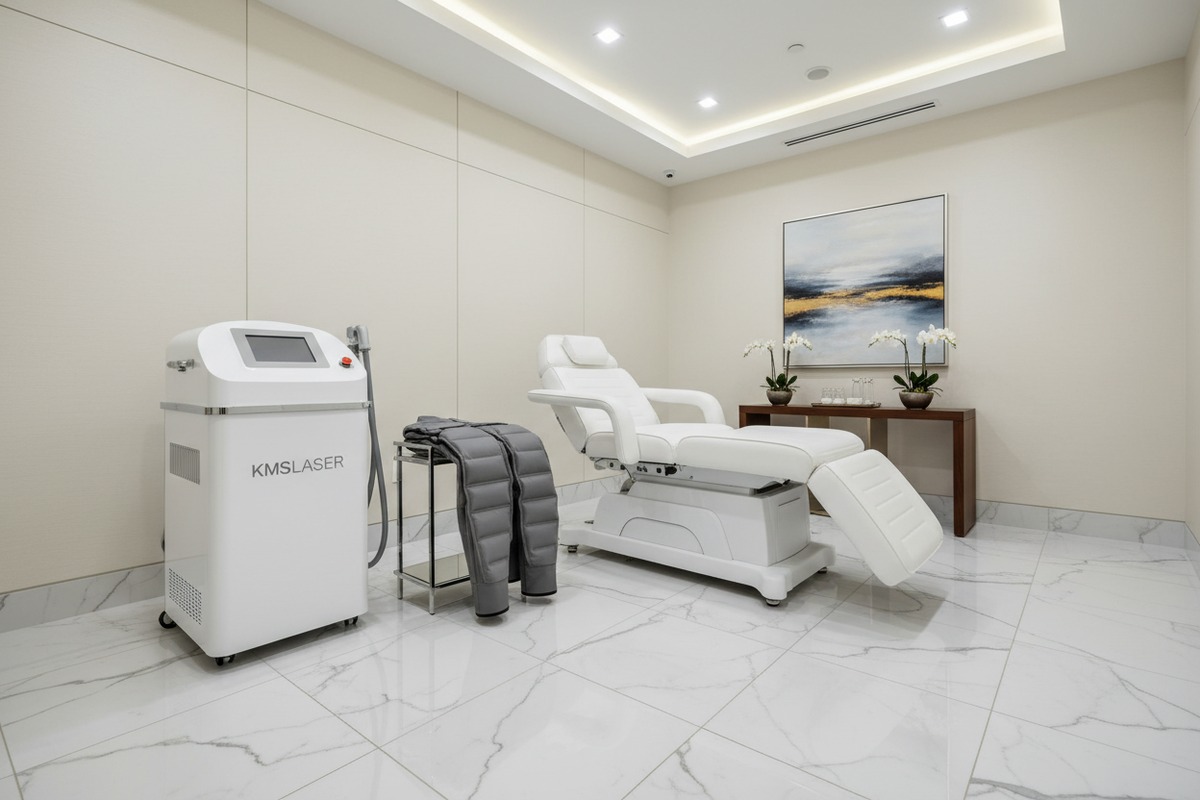
The first thing a potential buyer or a client looks at is the exterior. Machines made from cheap, thin plastic yellow quickly when exposed to sunlight or cleaning chemicals. We prioritize high-grade ABS plastic 5 for our housings because it maintains its color and finish. If a machine looks old and worn, its resale value plummets. When inquiring, ask about the "casing material" and its resistance to medical-grade disinfectants.
Technological Obsolescence
The beauty industry moves fast. A pressotherapy machine that only offers one basic mode will depreciate faster than one with multiple programmable cycles (like spiral wave or sequential compression). Units with LED touch screens and smart interfaces are easier to sell on the secondary market. You should ask your supplier if the firmware can be updated. If the software is "locked," the machine will become obsolete as new lymphatic drainage protocols are discovered.
Brand Reputation and After-Sales History
In the B2B world, the brand name on the machine matters for resale. Brands that have a history of low failure rates (under 5%) hold their value. If you buy a generic, unbranded machine, you may find it impossible to sell later because the next buyer will worry about finding spare parts.
| Factor | High Depreciation (Bad) | Low Depreciation (Good) |
|---|---|---|
| Build Material | Thin recycled plastic | UV-resistant ABS / Metal |
| Software | Fixed/Analog | Upgradable Digital Interface |
| Components | No-name pumps | Certified 10k-hour pumps |
| Support | No spare parts availability | 5-year parts guarantee |
Calculating Total Cost of Ownership (TCO)
Smart purchasing managers look at TCO rather than just the purchase price. Total Cost of Ownership 6 A $2,000 machine that lasts 2 years costs $1,000 per year. A $5,000 machine that lasts 7 years costs only $714 per year. Additionally, the $5,000 machine likely has a 30% resale value, whereas the cheap one has 0%.
How do I ensure the supplier’s quality control standards will prevent premature failure of my machines?
Receiving a shipment of defective machines can destroy your relationship with your local salon customers. On our assembly lines, we perform multi-stage pressure tests on every chamber to catch leaks before the product is boxed.
Ensure supplier quality by requesting ISO certification, in-production inspection logs, and pre-shipment aging test reports (at least 24-48 hours). Suppliers should provide detailed photos of internal wiring and air-hose connections to prove they follow strict, standardized assembly protocols to prevent early mechanical failure.
The Critical Role of Aging Tests
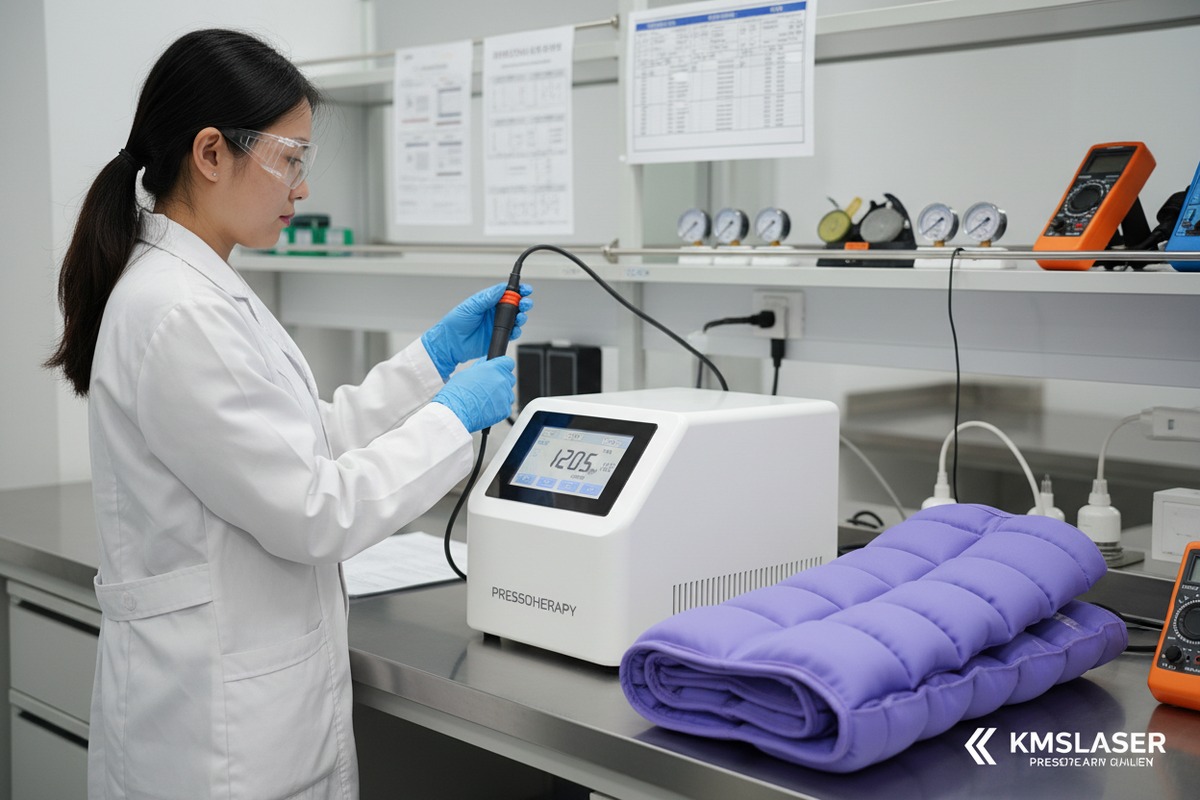
A reputable manufacturer never ships a machine straight off the assembly line. We run our machines for a continuous 24 to 48 hours under maximum load. This "aging process" identifies components that might fail during the first week of use. When you talk to a supplier, ask for their "Aging Test Protocol." If they don't have one, the quality is a gamble.
In-Production Inspections
Quality control should happen at every step, not just at the end. You should ask your supplier about their QC checkpoints. For example, are the air valves tested individually before being installed? Is the internal wiring secured with heat-shrink tubing to prevent loose connections during shipping? We provide our clients with photos of the internal assembly to show the neatness and precision of our engineering.
Certifications and Third-Party Audits
Don't just take the supplier's word for it. Look for CE, FDA (510K), or ISO 13485 certifications 7. These documents prove that the factory follows international standards for medical and aesthetic devices. A factory that invests in these certifications is less likely to cut corners on internal components.
Vetting the Bill of Materials (BOM)
Ask for a list of the main components and where they are sourced. High-quality solenoids and pressure sensors are essential for accurate treatment. If the supplier is using the cheapest available parts, the machine's performance will be unstable, leading to customer complaints about "weak pressure" or "irregular cycles."
What maintenance and parts support should I expect from my manufacturer to extend my equipment's lifespan?
A minor valve failure shouldn't mean the end of your machine's life. We keep a deep inventory of spare parts for all our models to ensure our partners can fix issues in days rather than months.
Expect a comprehensive maintenance manual, a two-year warranty on the main unit, and a guaranteed five-year supply of spare parts. Manufacturers should provide video tutorials for basic repairs and offer modular replacement parts to minimize downtime and extend the machine’s operational life.

Establishing a Preventive Maintenance Schedule
Longevity is a two-way street. While we build machines to last, your salon clients must perform basic care. A professional supplier should provide a clear maintenance checklist. This includes cleaning the air filters, checking the hose connectors for O-ring wear, and disinfecting the garments without soaking the internal bladders.
The Importance of Modular Parts
When a screen or a pump fails, you don't want to ship the whole 15kg machine back to China. We design our units with "plug-and-play" modules. This means we can mail you a replacement screen or power supply, and your local technician can swap it out in 20 minutes. Ask your supplier: "Can I replace the internal valves individually, or is the entire air manifold a single unit?"
Support Documentation and Training
A good manufacturer provides more than just the hardware. You should expect high-definition video tutorials showing how to troubleshoot common issues. This empowers your team to handle minor fixes without waiting for international support calls. We also offer training sessions to teach your staff how to use the machine correctly, as improper use (like over-pressurizing) is a leading cause of premature wear.
| Maintenance Task | Frequency | Impact on Lifespan |
|---|---|---|
| Filter Cleaning | Monthly | Prevents pump overheating |
| Garment Inspection | Weekly | Catches leaks before they stress the motor |
| Software Calibration | Annually | Ensures pressure accuracy remains within 5% |
| Connector Lubrication | Every 6 Months | Prevents air leaks and physical wear on hoses |
Spare Parts Availability Guarantee
Before you sign a contract, get a written guarantee that spare parts will be available for at least five years after the model is discontinued. There is nothing worse than owning a perfectly good machine that is useless because you cannot find a specific replacement hose or connector.
Conclusion
Maximizing ROI requires vetting a manufacturer's pump ratings, QC processes, and long-term parts support. Focus on these metrics to ensure your pressotherapy equipment remains a profitable asset for years.
Footnotes
1. Explains the importance of stress testing in product development and quality assurance. ↩︎
2. Found an article that explains how insulation class temperature ratings relate to an average motor life in hours, which is relevant to ‘rated motor hours’. ↩︎
3. Found a comprehensive guide that directly explains TPU coating, its properties, and applications. ↩︎
4. Details the benefits of modular PCB design, including scalability, simplified testing, and maintenance. ↩︎
5. Describes the properties, advantages, and diverse applications of ABS plastic in manufacturing. ↩︎
6. Explains the financial concept of TCO, encompassing direct and indirect costs over a product’s lifecycle. ↩︎
7. Highlights ISO 13485 as the quality management system standard for medical device manufacturers. ↩︎


 English
 Español de México
 Deutsch
 Français
 العربية
 Русский
Join the Conversation
Have a question or insight to share? We read every comment — whether you're a distributor, salon owner, or just curious about the technology. Your real-world experience helps others make better decisions. Drop your thoughts below.