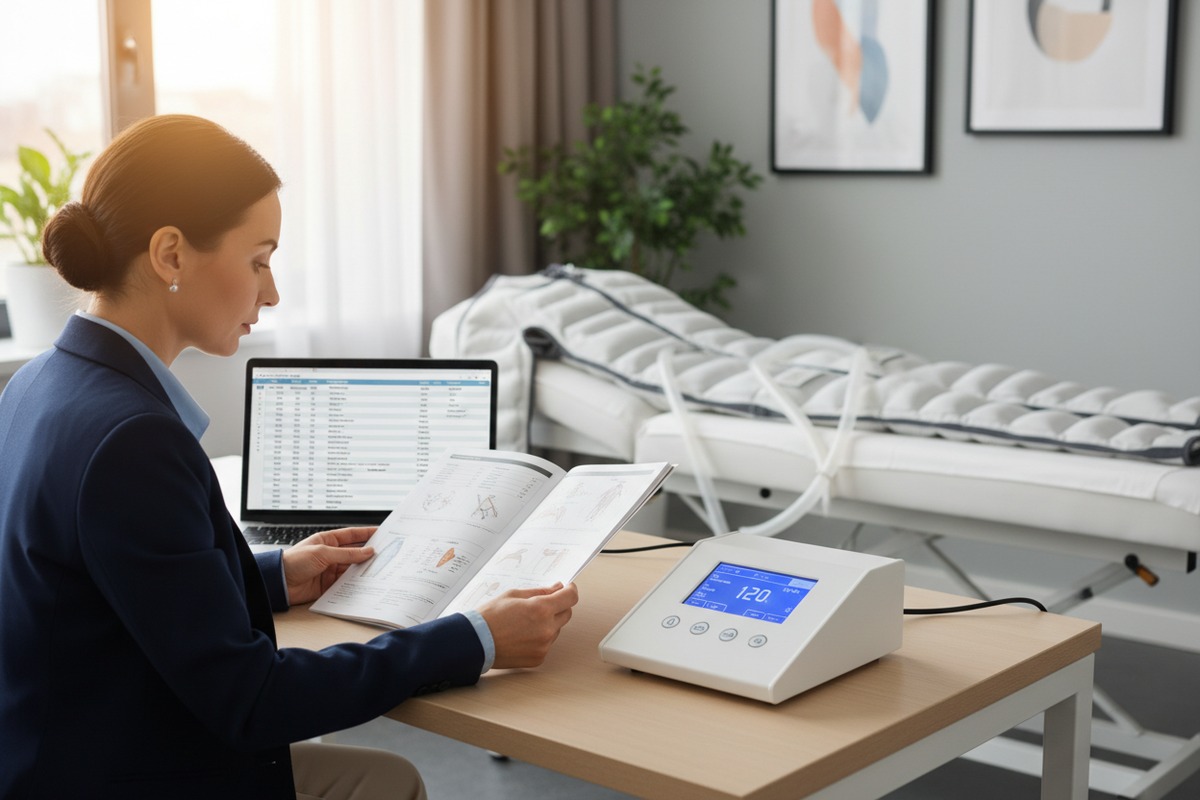
When our engineering team first began designing pressotherapy systems, we noticed many buyers overlooked one critical factor—pressure gradient settings 1. This oversight often led to machines that underperformed or failed to meet clinical standards. The gradient is the core of effective lymphatic drainage 2, yet few buyers know what questions to ask.
To inquire about pressure gradient settings, ask vendors about adjustable vs. fixed gradients, distal chamber pressure ranges (typically 20–160 mmHg), individual chamber control options, gradient expression units (mmHg or percentage), and request technical documentation with calibration records to verify accuracy before purchase.
This guide walks you through the essential questions every purchasing manager should ask CE marking 3. We’ll cover pre-shipment verification, customization options, long-term stability data, and high-end performance benchmarks.
How can I verify the accuracy of the pressure gradient settings during my pre-shipment inspection?
In our experience shipping to the US and Europe, we've seen buyers accept machines without proper gradient verification. This often leads to complaints later. The truth is—verifying gradient accuracy before shipment protects your brand reputation and saves costly returns.
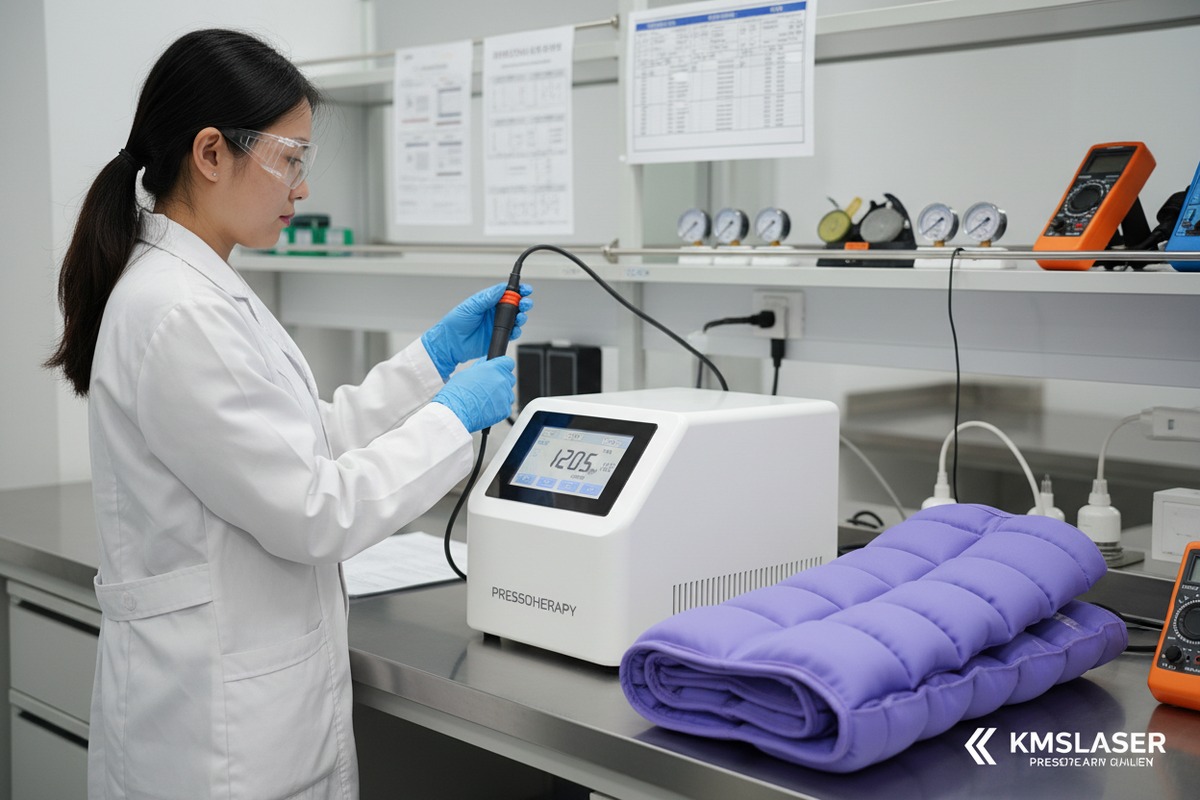
During pre-shipment inspection, verify pressure gradient accuracy by testing each chamber with a calibrated manometer, comparing readings against documented specifications, checking gradient consistency across multiple test cycles, and requesting a signed inspection report with actual pressure values for each chamber.
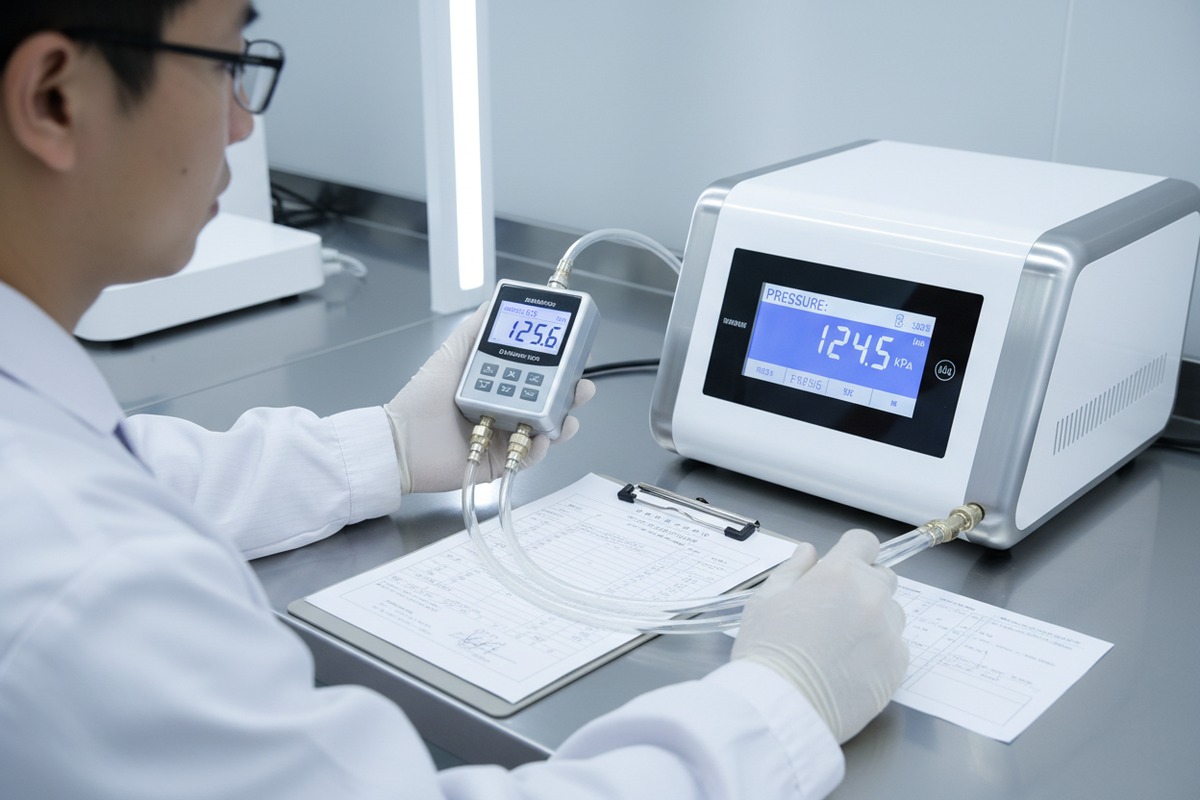
Why Gradient Verification Matters
Pressure gradients create sequential compression 4 that mimics manual lymphatic drainage massage. The user sets a starting pressure in the distal chamber (near the foot or hand), and pressure decreases progressively toward proximal chambers. Without accurate gradients, fluid may not flow properly. In worse cases, incorrect gradients cause backflow.
Step-by-Step Verification Process
Here's how our quality control team verifies gradient accuracy:
Step 1: Equipment Setup
Connect a calibrated digital manometer 5 to each air chamber outlet. The manometer should have ±1 mmHg accuracy. Document the ambient temperature and humidity.
Step 2: Individual Chamber Testing
Set the machine to maximum pressure for the distal chamber. Record the actual pressure reading. Compare it to the manufacturer's specification. Acceptable variance is typically ±5%.
Step 3: Gradient Progression Check
Run the machine through a full treatment cycle. Record pressure in each chamber as it inflates. Calculate the actual gradient between chambers. Compare this to the documented gradient specification.
Pre-Shipment Inspection Checklist
| Inspection Item | Specification | Pass Criteria |
|---|---|---|
| Distal chamber pressure | 30–80 mmHg | Within ±5% of set value |
| Gradient drop per chamber | 4–5 mmHg or 5% | Within ±1 mmHg or ±0.5% |
| Inflation timing | Per program setting | Within ±2 seconds |
| Pressure hold duration | 2–3 seconds | Consistent across cycles |
| Sensor response time | <1 second | No lag detected |
Common Verification Issues
We've identified these frequent problems during inspections:
- Inconsistent pressure delivery: Chambers reach different pressures on each cycle
- Gradient reversal: Proximal chambers show higher pressure than distal
- Pressure drift: Settings change during extended operation
- Sensor calibration errors: Displayed pressure differs from actual
Documentation Requirements
Request these documents from your supplier:
- Factory calibration certificate
- Chamber-by-chamber test results
- Sensor accuracy verification
- Gradient consistency report over 100 cycles
Can I customize the specific pressure levels for each chamber to match my brand's unique treatment protocols?
Our product development team works closely with brand owners who need specific gradient profiles. The level of customization available varies significantly between manufacturers. Understanding these options helps you select the right partner.
Yes, most professional pressotherapy machines allow chamber-specific pressure customization. Advanced systems let you set individual pressure values for each chamber, adjust gradient drops in mmHg or percentages, save custom protocols to memory, and program different settings for legs, arms, and abdomen zones independently.
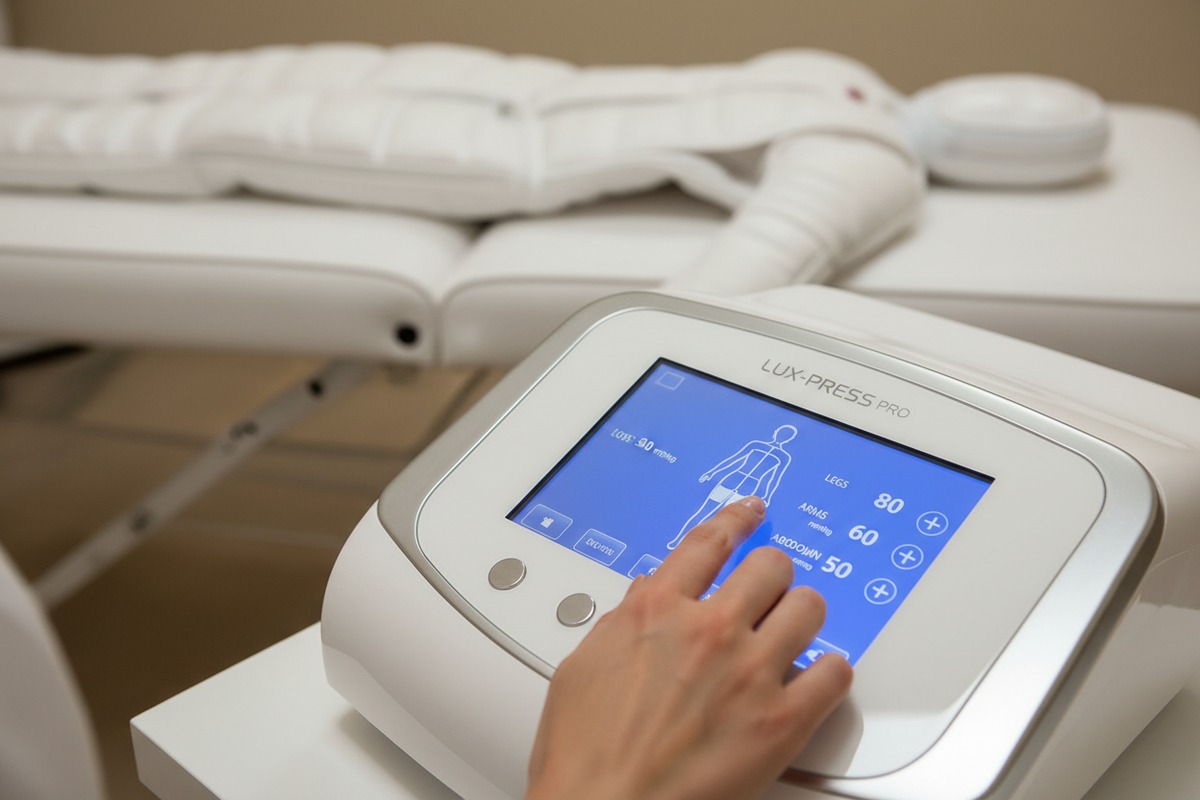
Understanding Customization Options
Not all machines offer the same flexibility. Here's what to look for:
Fixed Gradient Systems
Some devices use factory-set gradients. For example, certain models apply a fixed 5% pressure reduction moving from distal to proximal chambers. You cannot change this ratio. These systems work well for basic treatments but limit protocol differentiation.
Adjustable Gradient Systems
Advanced machines allow precise gradient adjustment. Some systems let you set the gradient function, interval, and individual pressure for each chamber in the cuff. You can modify pressure values through a graphic interface, choosing between mmHg and percentage-based drops.
Customization Capabilities Comparison
| Feature | Basic Models | Mid-Range Models | High-End Models |
|---|---|---|---|
| Chamber-specific pressure | No | Limited | Yes |
| Gradient adjustment range | Fixed | 1–5 mmHg | 0–10 mmHg |
| Saved protocol slots | 0 | 5–10 | 50–100 |
| Zone-specific settings | No | Yes | Yes |
| Program creation | No | Pre-set only | Custom sequences |
Protocol Development for Your Brand
When we help brands develop unique protocols, we consider:
Client Demographics
- Athletic recovery clients need higher pressures (up to 160 mmHg)
- Lymphedema patients require gentler gradients (below 120 mmHg)
- Post-surgical clients need conservative settings
Treatment Goals
- Deep massage: Higher pressure, steeper gradient
- Lymphatic drainage: Moderate pressure, physiological gradient
- Relaxation: Lower pressure, gentle progression
Working With Your Manufacturer
Ask your supplier these questions:
- Can I set different pressure values for each of the 8 chambers?
- What is the minimum and maximum gradient adjustment range?
- How many custom programs can I save to the device memory?
- Can settings be transferred between multiple machines?
- Is there a software interface for protocol management?
OEM Customization Options
We offer several levels of customization:
- Software preset modification: Adjust default programs to your specifications
- UI branding: Add your logo to startup screens and displays
- Protocol package creation: Develop branded treatment sequences
- Training documentation: Create materials with your protocol names
What technical data should I request to ensure the pressure gradient remains stable over years of salon use?
Our service team handles warranty claims from around the world. We've learned that gradient drift is the most common long-term issue. Requesting the right technical documentation upfront helps you predict machine lifespan and plan maintenance.
Request these technical data points: sensor accuracy specifications (±1 mmHg minimum), pump lifespan ratings (10,000+ hours), calibration schedule recommendations, pressure deviation tolerances, component replacement intervals, and historical performance data showing gradient consistency after extended use cycles.

Critical Components Affecting Gradient Stability
Understanding which components affect gradient accuracy helps you evaluate specifications:
Pressure Sensors
Professional systems feature advanced sensors that continuously monitor pressure levels, automatically adjusting to maintain therapeutic effectiveness. These sensors degrade over time. Ask for:
- Sensor type and accuracy rating
- Expected calibration drift per year
- Replacement interval recommendations
Air Pumps
The pump generates consistent pressure across all chambers. Some pumps have lifespan ratings up to 10,000 hours. Lower-quality pumps may fail or lose efficiency after 2,000–3,000 hours.
Solenoid Valves
These control air flow to individual chambers. Valve fatigue causes uneven chamber inflation and gradient inconsistency.
Technical Specifications to Request
| Component | Specification | Professional Standard |
|---|---|---|
| Pressure sensor accuracy | ±X mmHg | ±1 mmHg or better |
| Pump rated lifespan | Hours | 10,000+ hours |
| Gradient consistency | % variation | <2% after 5,000 cycles |
| Calibration interval | Months | Every 6–12 months |
| Mean time between failures | Hours | 8,000+ hours |
| Operating temperature range | °C | 10–40°C |
Long-Term Stability Documentation
Ask your supplier for:
Factory Test Reports
- Initial calibration data
- Gradient accuracy at multiple pressure points
- Cycle endurance test results
Component Specifications
- Sensor manufacturer and model
- Pump manufacturer warranty
- Valve cycle rating
Maintenance Guidelines
- Recommended calibration schedule
- Sensor replacement timeline
- Preventive maintenance checklist
Real-World Durability Considerations
Salon environments stress equipment differently than labs:
- Daily usage: 8–12 hours of operation
- Multiple operators: Varying skill levels
- Environmental factors: Humidity, temperature fluctuations
- Client variations: Different body sizes and treatment pressures
Quality Indicators
Equipment designed with strict quality inspection processes tends to maintain gradient stability longer. Look for:
- ISO 13485 certification 7 for manufacturing
- CE marking for European markets
- FDA clearance 8 for US distribution
- Documented quality control procedures
How do I confirm that your machine's gradient functionality meets the high-end performance standards my clients expect?
When our engineers design systems for premium salon markets, we focus on the details that separate professional equipment from basic models. High-end performance involves more than just pressure numbers—it includes treatment experience, safety features, and consistent results.
Confirm high-end gradient performance by reviewing real-time pressure monitoring capabilities, checking for automatic gradient adjustment features, verifying medical-grade certifications (CE, FDA), requesting clinical evidence supporting gradient protocols, and testing the machine's user interface for precise control and professional operation.
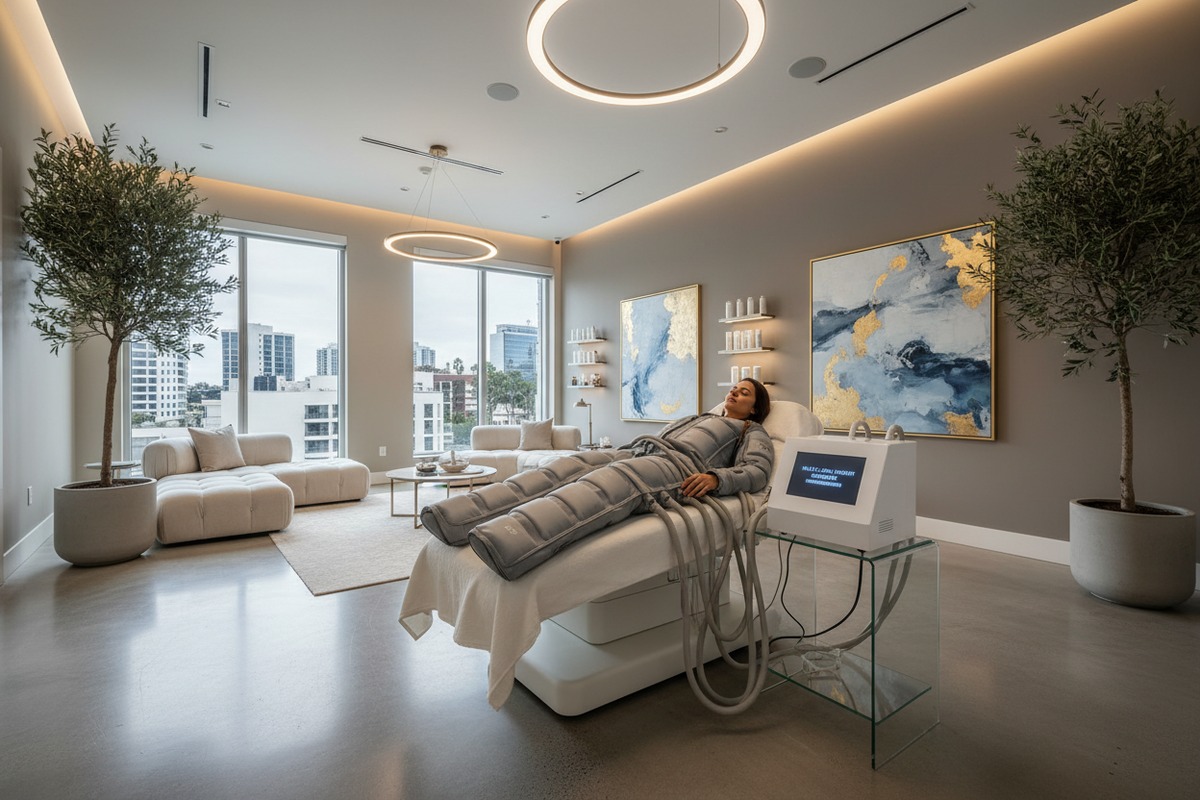
Defining High-End Performance Standards
What separates premium pressotherapy machines from basic models?
Precision Control
High-end systems offer very fine adjustment of parameters with accuracy of 1 mmHg for setting pressure, treatment time, and hold functions. This precision allows exact protocol replication across treatments.
Intelligent Monitoring
Advanced sensors continuously monitor pressure levels, automatically adjusting to maintain therapeutic effectiveness while ensuring comfort and safety. Real-time monitoring prevents gradient errors during treatment.
Safety Integration
Premium machines incorporate multiple safety features including:
- Emergency stop functions
- Pressure limiters
- Automatic shut-off systems
- Built-in diagnostic routines
High-End Performance Checklist
| Feature | Standard Machines | High-End Machines |
|---|---|---|
| Pressure display resolution | 5 mmHg | 1 mmHg |
| Real-time monitoring | No | Yes |
| Automatic gradient adjustment | No | Yes |
| Diagnostic self-check | Basic | Comprehensive |
| Treatment logging | No | Yes |
| Multi-zone independence | Limited | Full |
Clinical Evidence Requirements
Premium brands should provide:
Published Research
Ask for studies supporting their gradient protocols. Evidence should address:
- Optimal gradients for lymphedema treatment
- Pressure ranges for different conditions
- Safety data for various patient populations
Clinical Guidance Alignment
Professional pressotherapy should align with Complete Decongestive Therapy (CDT) standards for lymphatic stimulation. Verify protocols follow established clinical frameworks.
Certifications to Verify
Medical devices designed for professional use should hold:
- CE Medical Class IIa: European medical device certification
- FDA Clearance: US market authorization
- ISO 13485: Quality management certification
- Health Canada: Canadian market approval
These certifications indicate rigorous testing and manufacturing standards.
Premium User Experience Elements
High-end machines feature:
Interface Design
- Touchscreen controls for precise adjustments
- Visual gradient displays
- Treatment progress indicators
- Client profile memory
Construction Quality
- Medical-grade materials
- Reinforced garment seams
- Durable air chambers
- Professional-grade connectors
Support Services
- Comprehensive training programs
- Technical support availability
- Spare parts accessibility
- Software update provisions
Testing Before Purchase
Request a demonstration or trial period to assess:
- Gradient adjustment responsiveness
- Pressure consistency across full treatment cycles
- User interface intuitiveness
- Garment fit and comfort
- Noise levels during operation
Conclusion
Selecting a pressotherapy machine with proper gradient functionality requires careful vendor evaluation. Ask about adjustable gradient ranges, request technical documentation, verify accuracy during pre-shipment inspection, and confirm certifications. These steps ensure your machine delivers consistent, professional-grade lymphatic drainage treatments that meet your clients' expectations and protect your brand reputation.
Footnotes
1. Explains the importance of correct pressure and gradient settings for effective pressotherapy treatments. ↩︎
2. Provides a comprehensive overview of lymphatic drainage massage, its purpose, and benefits. ↩︎
3. Explains CE marking as a prerequisite for medical devices in the EU, confirming safety and performance. ↩︎
4. Replaced with a working link from UPMC, the original authoritative source, discussing compression therapy including sequential compression devices. ↩︎
5. Replaced with a comprehensive guide on what a digital manometer is, how it works, and its applications from a reputable instrument company. ↩︎
6. Replaced with a working link from JUMO, the original source, providing information on manometer calibration. ↩︎
7. Details ISO 13485 as the quality management system standard for medical device manufacturers and suppliers. ↩︎
8. Provides official information on FDA device approvals and clearances for marketing in the United States. ↩︎


 English
 Español de México
 Deutsch
 Français
 العربية
 Русский
Join the Conversation
Have a question or insight to share? We read every comment — whether you're a distributor, salon owner, or just curious about the technology. Your real-world experience helps others make better decisions. Drop your thoughts below.