
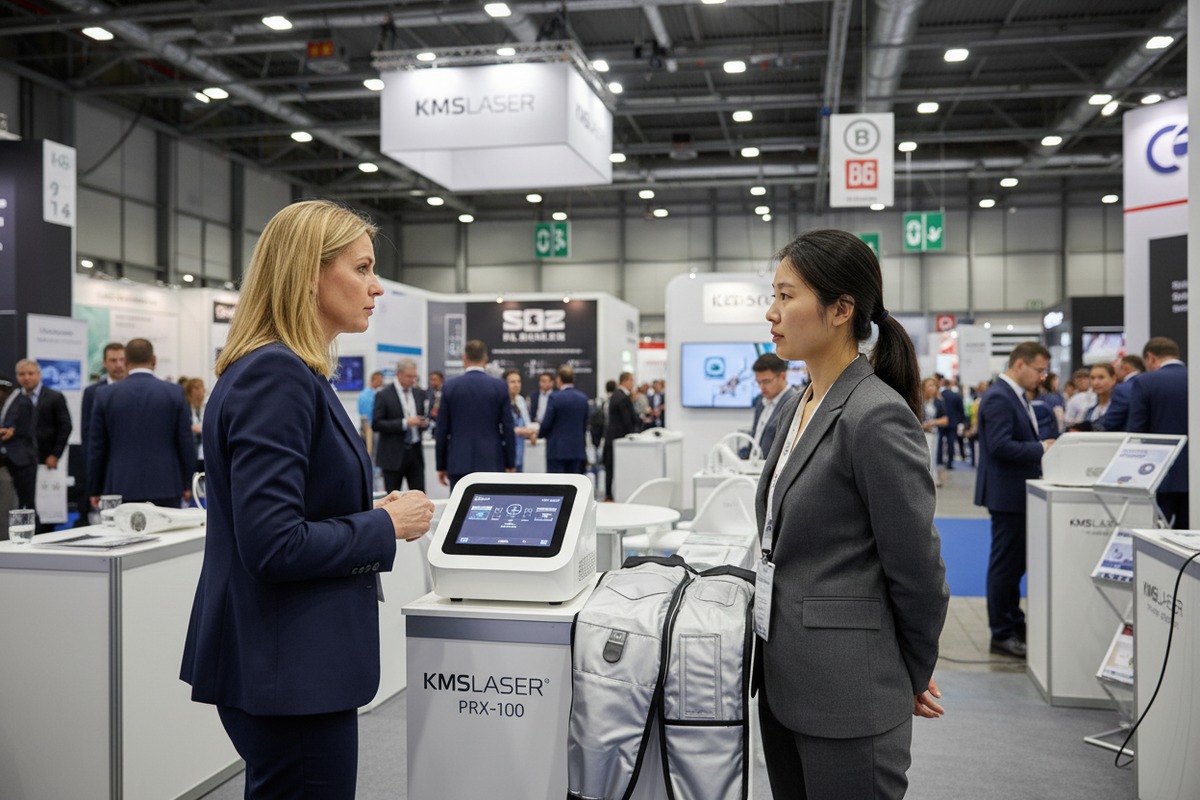
When our production team ships pressotherapy machines 1 overseas, we often hear one question from European buyers: “Do you have stock in Europe?” Long lead times, customs headaches, and after-sales worries keep many brand owners up at night.
To find China pressotherapy machine suppliers with European warehouses or service centers, use B2B platforms like Made-in-China.com to filter exporters, ask suppliers directly about third-party logistics partnerships in Europe, verify CE certification and MDR compliance, and attend European trade shows where Chinese manufacturers exhibit.
This guide walks you through each step. You will learn how to verify local warehouses, find technical support options, cut lead times, and vet after-sales quality B2B platforms 2. Let us dive in.
How can I verify if a Chinese pressotherapy machine manufacturer truly has a local warehouse in Europe?
When we negotiate with overseas distributors, they often claim local stock without proof European Medical Device Regulation (MDR) 3. This creates risk for buyers who want fast delivery and easy returns. A claim is just words until you see evidence.
To verify a Chinese manufacturer’s local warehouse in Europe, request the warehouse address and visit it, ask for photos with timestamps and your order markings, contact the third-party logistics partner directly, and confirm stock levels through the 3PL’s client portal or inventory reports.
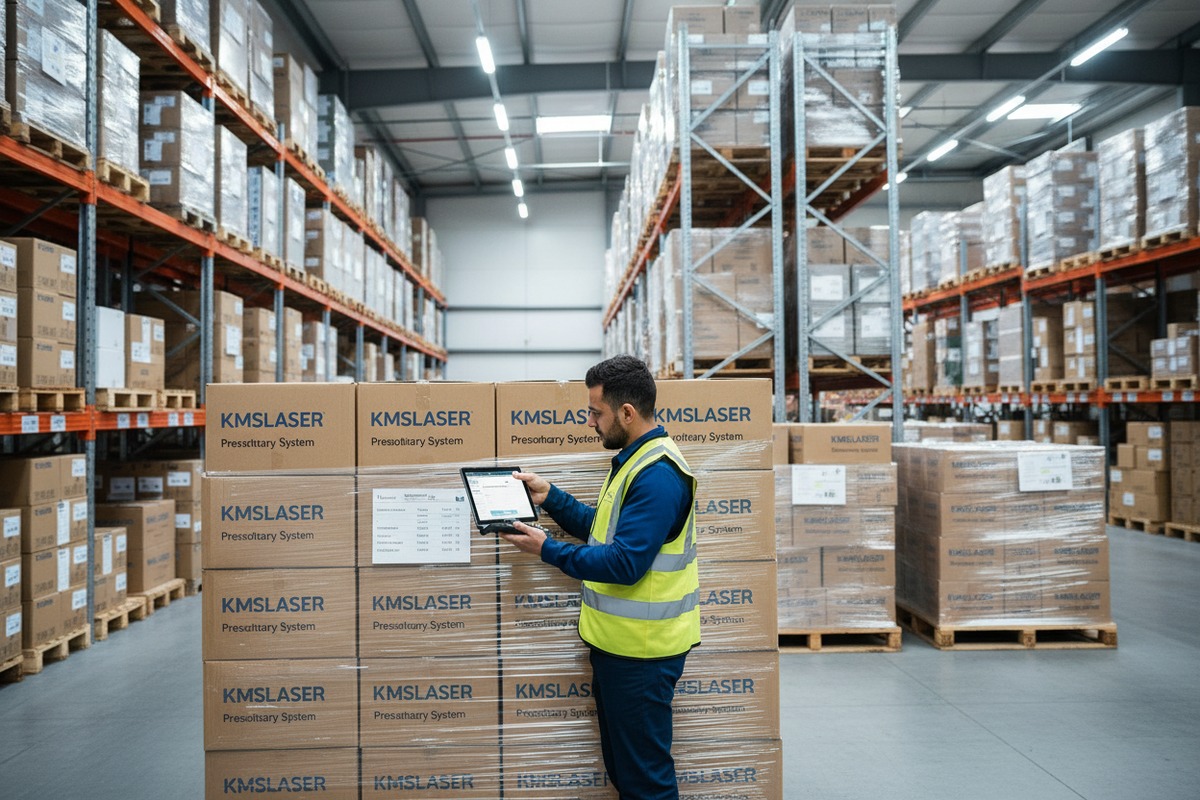
Why Direct Verification Matters
Many suppliers say they have European stock. Few can prove it. When our service team helps buyers verify warehouse claims, we recommend a simple process. First, get the exact address. Second, call or email the 3PL provider. Third, ask for a screen capture of the inventory system.
A real third-party logistics provider will have proper systems. For example, some European 3PL providers for medical devices "perform quality checks and validate the Advance Shipping Notice with the actual shipment." They also "ensure LOT, SN and/or UDI traceability." A supplier working with such a partner can prove stock exists.
Key Verification Steps
| Step | Action | What to Look For |
|---|---|---|
| 1 | Request warehouse address | Full street address, not just a city name |
| 2 | Contact 3PL directly | Confirmation that the supplier uses their service |
| 3 | Ask for inventory report | Real-time stock levels with product codes |
| 4 | Request photo evidence | Time-stamped images with your company logo visible |
| 5 | Check certifications | 3PL should have ISO 13485 4 for medical devices |
Red Flags to Watch
Be careful if the supplier gives vague answers. A legitimate warehouse partner will have "a clean and temperature controlled environment" for medical and beauty devices. If the supplier cannot provide contact details for the 3PL, this is a warning sign. Also watch for suppliers who claim stock but cannot ship within 24-48 hours.
Some European 3PL providers specifically focus on medical devices. They understand that pressotherapy machines need proper storage conditions and full traceability. When a supplier partners with such a provider, you gain confidence.
What are the best ways to find suppliers that offer local technical support and maintenance for my private-label machines?
Our engineering team knows that machines need service. When a pressotherapy device has an issue in Spain, your customer cannot wait for parts from Guangzhou. Local support makes or breaks your brand reputation.
Find suppliers with local technical support by researching European distributors who partner with Chinese brands, asking manufacturers if they collaborate with buyer-chosen 3PL providers, attending trade shows like MEDICA where Chinese exhibitors discuss service networks, and verifying if spare parts are stocked in Europe.
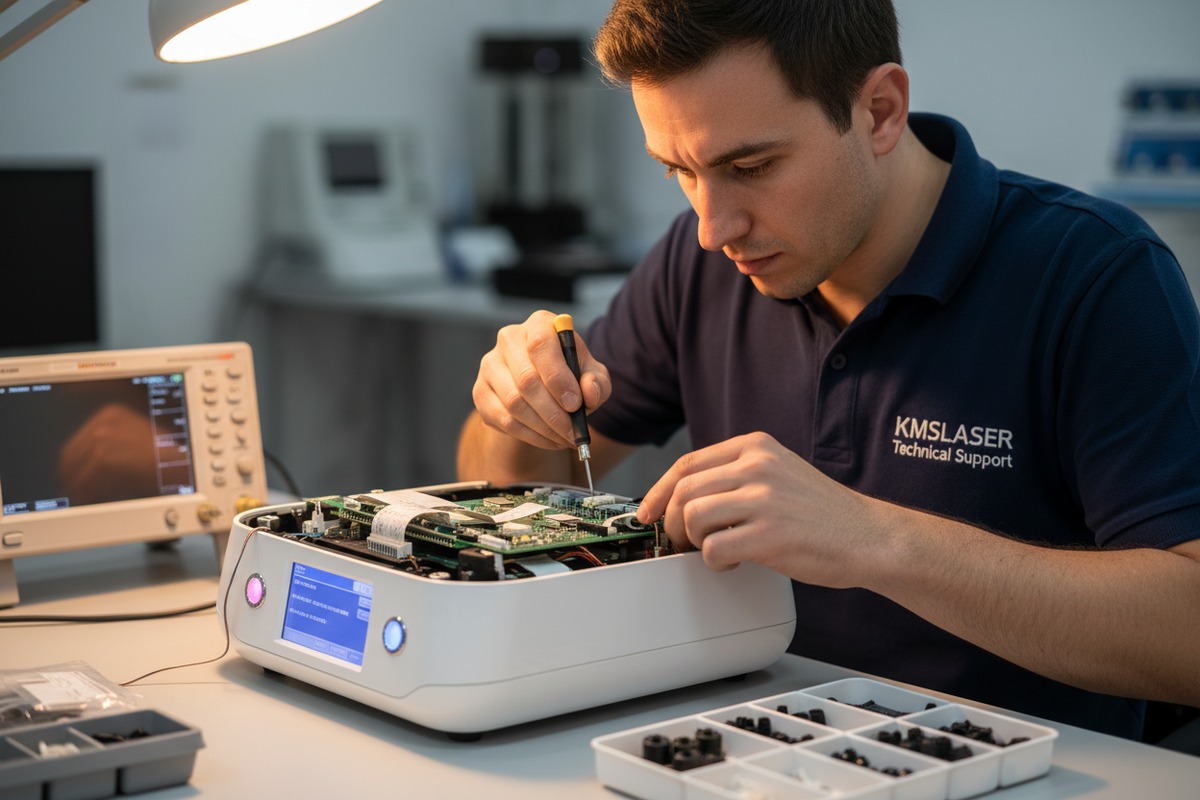
Understanding Support Models
Chinese pressotherapy manufacturers use different models for European support. Some work with local distributors who handle all service. Others partner with 3PL providers who offer added services. A few larger manufacturers maintain their own service centers.
When we work with brand owners, we explain the options clearly. You might find "European distributors who specifically partner with Chinese pressotherapy machine brands, as these local entities often manage warehousing, sales, and service within Europe."
Comparing Support Options
| Support Model | Pros | Cons | Best For |
|---|---|---|---|
| Chinese manufacturer direct | Lower cost, factory expertise | Slow response, shipping delays | Small orders, price-focused buyers |
| European distributor partner | Local language, fast response | Higher margin, less control | Medium volume, brand builders |
| Buyer-chosen 3PL + service | Full control, custom setup | More management work | Large brands, complex needs |
| Manufacturer-owned EU center | Factory-backed support | Rare, limited locations | High volume, strategic partners |
How to Identify Real Support Capability
Ask specific questions. Does the supplier stock spare parts in Europe? What is the average repair turnaround time? Can technicians do on-site service? Get answers in writing.
Some 3PL providers in Europe offer more than storage. They provide "technical consulting and support" and "repair and return handling." When a pressotherapy manufacturer works with such a partner, your machines can get local service without long shipping times.
Trade Shows as Research Opportunities
Attending European medical and beauty trade shows helps you meet suppliers face to face. You can discuss European warehousing and service center possibilities directly. Ask about their current European partners. Request references from existing customers in your market.
Our sales team attends these events to meet buyers and discuss service capabilities. This direct contact builds trust faster than emails.
How will choosing a supplier with European stock help me minimize my import risks and lead times?
When we ship from our Guangzhou facility directly to European customers, the process takes weeks. Customs delays, duty calculations, and VAT complications add stress. European stock changes this equation completely.
European stock minimizes import risks by pre-clearing goods through customs once, reducing individual shipment complexity, cutting delivery times to 24-72 hours for most European customers, and providing transparent landed costs without surprise fees at delivery.
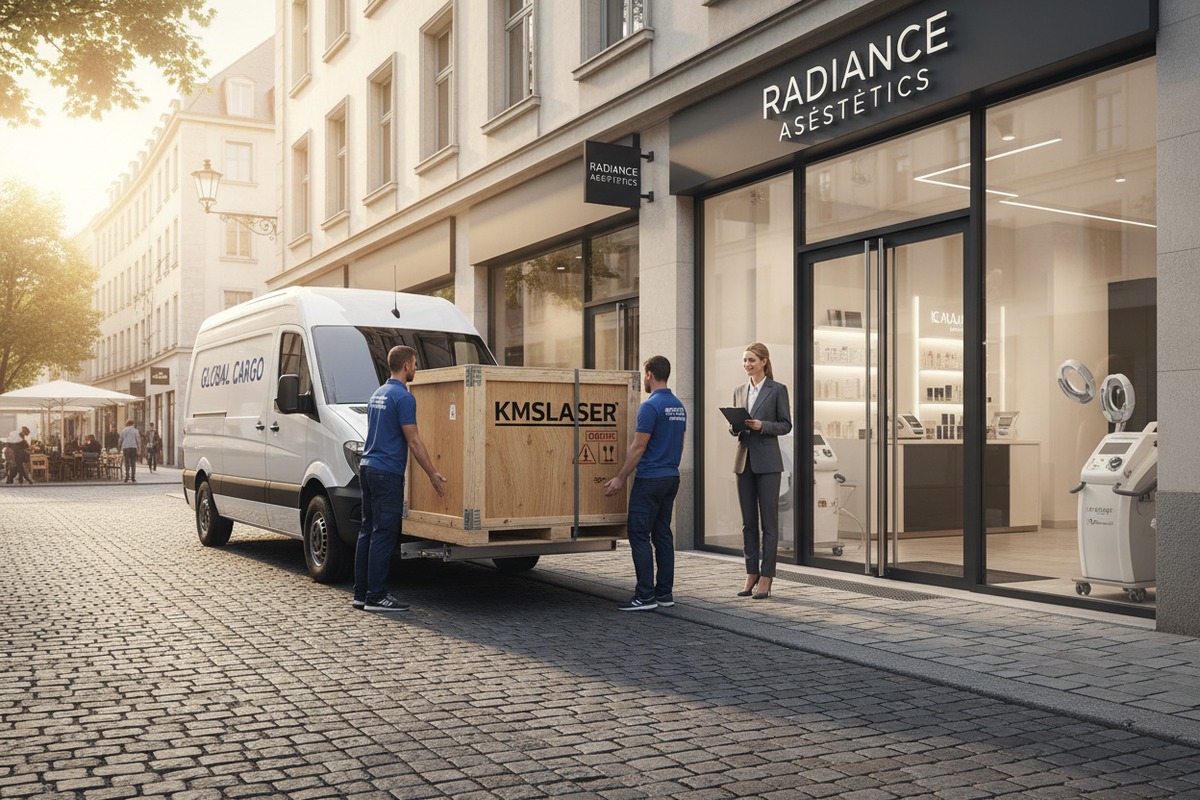
The Lead Time Advantage
With stock in Europe, your customers receive machines in days, not weeks. Some European warehouses offer delivery "to 75% of customers in Europe within 24 hours and 99% of customers within a 3 days." This speed matches local competitors.
When machines sit in a European warehouse, they are already customs-cleared. The duties are paid. The VAT is handled. Your customer just pays the product price plus local shipping.
Financial Benefits
European warehousing also helps cash flow. Some providers offer "VAT deferment license which allows your European customers to not pay VAT on goods sold." This removes a major barrier for B2B sales.
| Shipping Model | Lead Time | Customs Risk | VAT Handling | Best For |
|---|---|---|---|---|
| Direct from China | 4-8 weeks | High | Customer pays at import | One-off orders |
| European warehouse | 1-3 days | Pre-cleared | Handled by 3PL | Regular customers |
| European bonded warehouse | 2-4 days | Delayed payment | Paid on release | Uncertain demand |
Reducing Operational Complexity
Each direct shipment from China creates work. You need commercial invoices. Packing lists. Certificates of origin. Customs declarations. When goods are already in Europe, most of this work happens once for bulk shipments.
The supplier ships a container to the European warehouse. Customs clears the full shipment. Then individual orders go out with simple local documentation.
Quality Control Benefits
European warehousing also allows final inspection. Some 3PL providers "receive products from your warehouse or from your suppliers" and "perform quality checks." This catches any damage from international shipping before your customer receives the machine.
When we advise buyers, we explain that local stock reduces risk at every step. Faster delivery means happier customers. Pre-cleared goods mean fewer surprises. Quality checks mean fewer returns.
How do I vet the quality of after-sales service provided by a Chinese supplier's European service center?
Our customer service team handles warranty claims daily. We know that promises made during sales often differ from reality after purchase. Vetting service quality before you commit protects your business and your customers.
Vet after-sales service quality by requesting references from current European customers, testing response times with pre-sale inquiries, checking CE and MDR compliance documentation, verifying spare parts availability in Europe, and reviewing warranty terms and exclusions in detail.
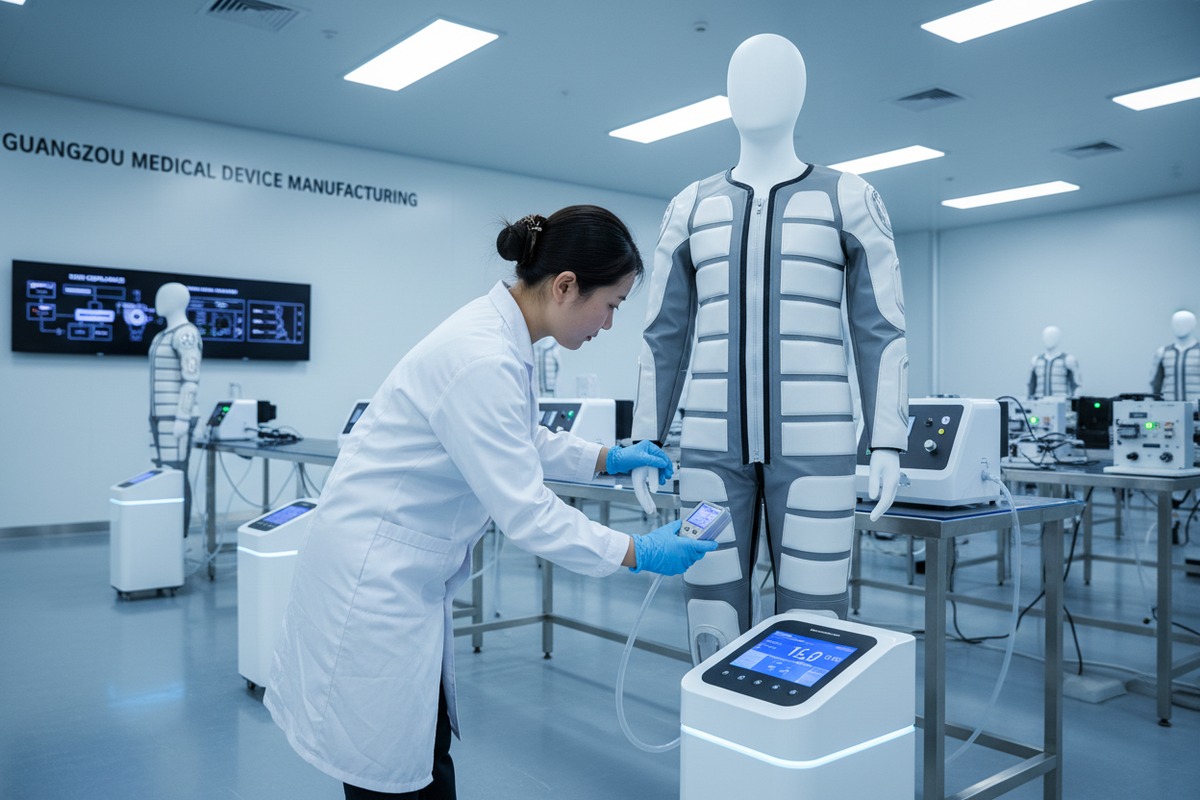
The Certification Foundation
Quality service starts with compliance. Pressotherapy machines sold in Europe need proper CE marking. This "indicates that the product complies with the European Union's safety, health, and environmental protection requirements." Ask to see the actual CE certificate, not just a marking on the product.
For medical-grade pressotherapy devices, European Medical Device Regulation 6 (MDR) applies. The manufacturer must "comply with the MDR" and maintain proper documentation. Request the Declaration of Conformity and technical file information.
Service Quality Indicators
| Quality Indicator | Good Sign | Warning Sign |
|---|---|---|
| Response time | Under 24 hours | Multiple days without response |
| Spare parts availability | Stocked in Europe | Ships from China on demand |
| Warranty terms | Clear and detailed | Vague or missing |
| Technical documentation | Complete manuals, videos | Minimal or missing |
| Reference customers | Willing to share contacts | Refuses or makes excuses |
Testing Before Committing
Before placing a large order, test the supplier's service. Send technical questions. See how quickly and accurately they respond. Our engineering team is ready to answer questions within hours, not days. This responsiveness should continue after the sale.
Ask for the service procedure. What happens if a machine fails? Who contacts whom? What documentation is needed? How long does repair take? Get these answers in writing.
Verifying Certifications Independently
Do not just trust certificates the supplier provides. Verify them independently. For CE marking, "your QMS and Technical Documentation must be audited by a Notified Body 7." Ask for the Notified Body's name and certificate number. You can often verify this online.
Quality management systems matter too. An ISO 13485 certified manufacturer has proven quality processes. This certification "for your facility" shows commitment to consistent quality.
Building a Service Agreement
Before ordering, negotiate service terms. Define response time commitments. Specify spare parts pricing. Agree on warranty coverage. Put everything in writing.
Some suppliers offer "international warranties, access to spare parts, and technical assistance, even if service centers are not directly in Europe." These terms should be clear and enforceable.
Conclusion
Finding China pressotherapy machine suppliers with European warehouses requires diligence. Verify warehouse claims directly with 3PL partners. Check certifications independently. Test service quality before committing. With proper research, you can build a supply chain that serves your European customers well.
Footnotes
1. Explains what pressotherapy is and how the machines work. ↩︎
2. Defines B2B platforms and their role in business transactions. ↩︎
3. Official EU portal for the Medical Device Regulation (MDR). ↩︎
4. Defines ISO 13485 and its importance for medical device quality management. ↩︎
5. Explains the definition and role of a third-party logistics provider. ↩︎
6. Provides the official text of the European Medical Device Regulation. ↩︎
7. Official EU explanation of Notified Bodies for medical devices. ↩︎
8. Official EU information on CE marking and its requirements. ↩︎

 English
 Español de México
 Deutsch
 Français
 العربية
 Русский
