
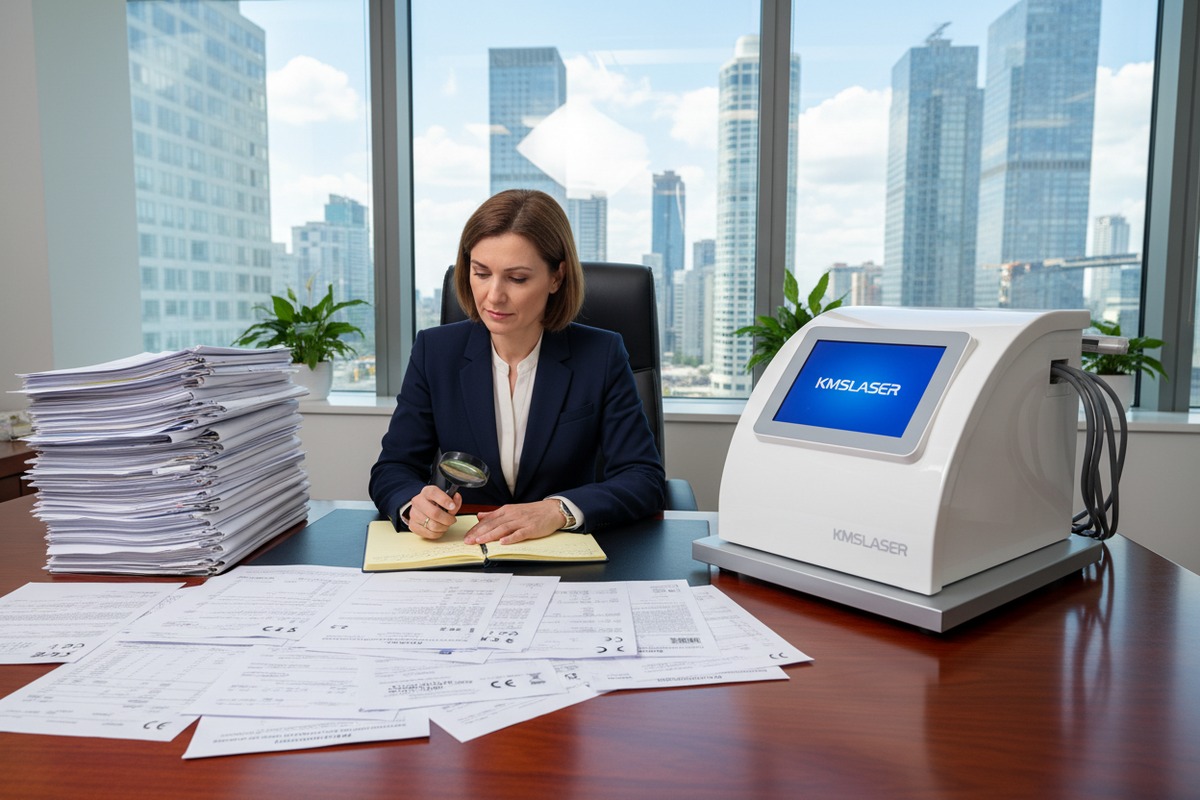
When our production team first started exporting pressotherapy machines to Europe, we learned a hard lesson ISO 13485 certification 1. A single missing document delayed an entire shipment by three weeks. The buyer lost trust. We lost revenue. This experience shaped how we now approach every European order—with extreme care for compliance and documentation.
To evaluate a supplier’s European export track record, verify their CE marking compliance under EU MDR 2017/745, request documented proof of past European shipments including customs records and buyer testimonials, confirm ISO 13485 certification, and assess their logistics capabilities for door-to-door delivery with proper packaging for long-distance transit.
Below, we break down exactly what to look for—and what red flags to avoid—when sourcing pressotherapy machines from suppliers claiming European export experience.
How can I verify that their pressotherapy machines meet all necessary European safety and CE certifications?
Our engineers spend months preparing technical documentation for each pressotherapy model before we can even consider European markets NANDO database 2. The paperwork alone can fill three binders. Yet many buyers don't realize what true CE compliance actually means—or how to spot fakes.
To verify CE certification, request the supplier's EU Declaration of Conformity (DoC), check for a valid Notified Body number on Class IIa or higher devices, confirm MDR 2017/745 compliance, and look up their ISO 13485 certification status. True CE marking requires rigorous testing—not just a sticker on the box.
Understanding What CE Marking Really Means
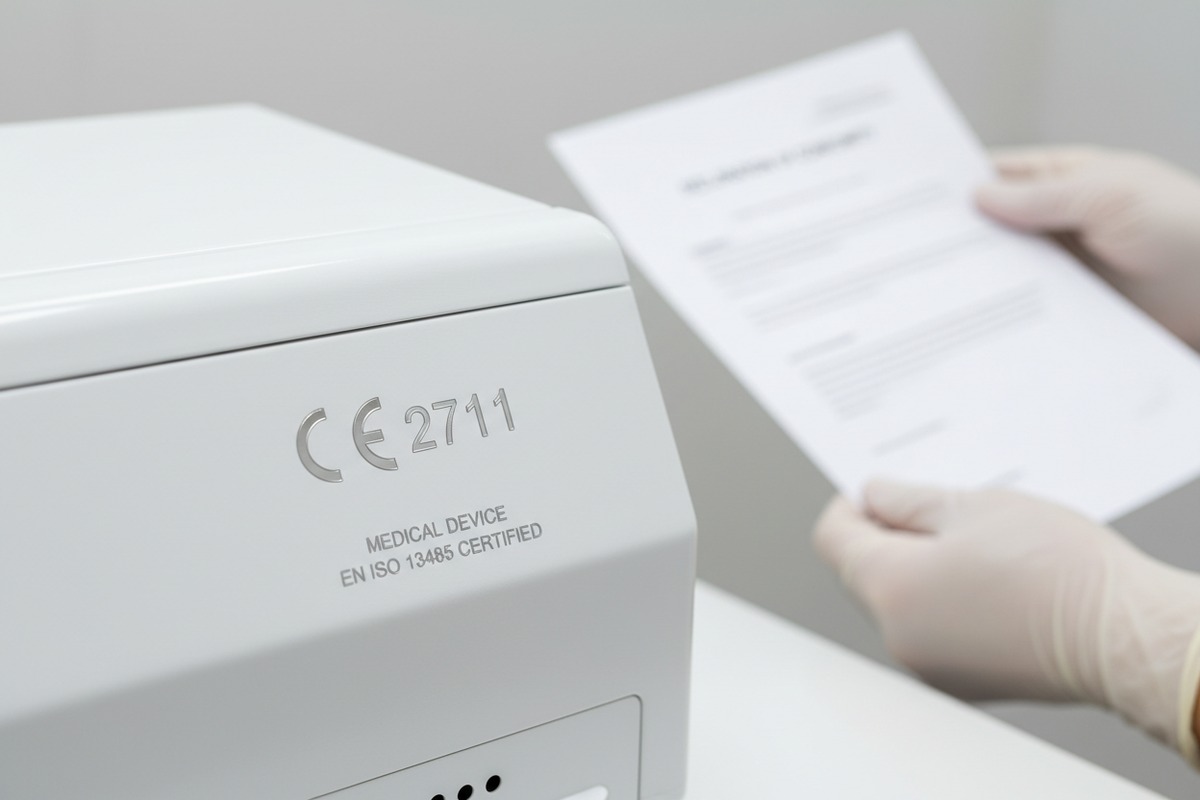
The CE marking 3 indicates that the legal manufacturer has assessed the device and that it meets the General Safety and Performance Requirements under the MDR 2017/745. This isn't just a formality. It's a legal declaration that affects your liability as an importer.
Under Regulation (EU) 2017/745 (commonly referred to as MDR), CE marking serves as a manufacturer's formal declaration that their device meets all applicable safety, performance, and quality requirements. For pressotherapy machines used in medical or aesthetic settings, this matters greatly.
Device Classification and What It Means for Your Supplier
Not all pressotherapy machines fall into the same regulatory category. Under EU MDR 2017/745 4, medical devices are classified into Class I, including Is (sterile), Im (measuring), Ir (reusable), IIa, IIb, and III.
Most pressotherapy devices fall into Class I or Class IIa. The key difference:
| Device Class | Notified Body Required? | Key Compliance Steps |
|---|---|---|
| Class I | No (self-declaration) | Technical documentation, QMS, DoC |
| Class I (sterile/measuring) | Yes | Above + Notified Body audit |
| Class IIa | Yes | Full QMS audit + Technical file review |
| Class IIb | Yes | More stringent clinical evaluation |
Apart from the lowest risk class (class I), a notified body must be involved in the conformity assessment of all medical devices—to varying degrees, depending on the patient risk.
Documents You Must Request
When we prepare shipments for European buyers, we always include these documents. Ask your supplier for them:
- EU Declaration of Conformity (DoC) – This declaration is a legal document stating that the device meets all applicable MDR requirements.
- Technical Documentation – This proves the device was designed and tested properly
- ISO 13485 Certificate – ISO 13485 is the internationally recognized standard for quality management systems in the design and manufacture of medical devices.
- Notified Body Certificate (if Class IIa or higher)
- Risk Management File – Per ISO 14971
How to Spot Fake CE Marks
This symbol is very similar to the CE mark applied to products that are compliant with EU standards, so care should be taken not to confuse the two symbols. Some manufacturers use "China Export" symbols that look almost identical to CE marking.
Verify authenticity by:
- Checking the Notified Body number 5 against the NANDO database
- Requesting the full technical file (genuine suppliers can provide this)
- Verifying the EU Authorized Representative details
What specific documentation should I request to prove their previous export success within the European market?
In our experience exporting to Germany, France, and the Netherlands, we've found that buyers who ask for documentation upfront save themselves enormous headaches later. The suppliers who hesitate to provide records usually have something to hide.
Request export invoices with European destination addresses, customs clearance documents showing EORI numbers, bills of lading or airway bills to EU ports, testimonials from verified European buyers, and proof of post-market surveillance compliance. A supplier with genuine export history can provide these within 48 hours.
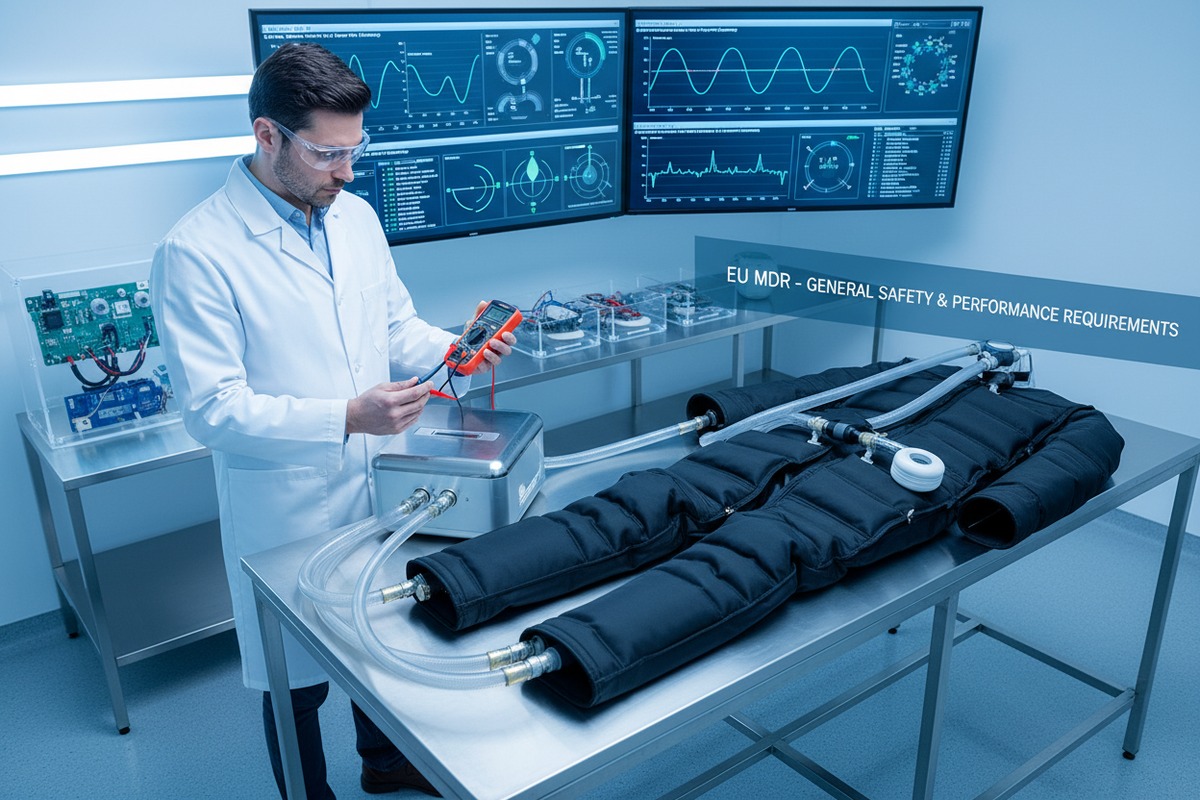
The Essential Documentation Checklist
When evaluating a supplier's export track record, the evidence lies in their paperwork. Here's what to request:
| Document Type | What It Proves | Red Flag If Missing |
|---|---|---|
| Commercial Invoices | Past sales to EU buyers | No export history |
| Bill of Lading | Actual shipments to EU ports | Claims unverifiable |
| EORI Registration | Legal EU import/export status | May not understand EU customs |
| Customs Declaration | Proper HS code classification | Potential compliance issues |
| Buyer References | Customer satisfaction | No repeat business |
Why EORI Numbers Matter
The EORI (Economic Operators Registration and Identification) number 6 is your supplier's gateway to European trade. Without proper customs registration, goods can be detained or delayed.
Ask your supplier:
- Who handles their EU customs clearance?
- Do they work with a licensed customs broker?
- Can they provide proof of past smooth clearances?
Verifying Customer References
A supplier claiming 30 years of European export experience should have references to match. We always encourage potential buyers to:
- Request contact details of at least three European clients
- Ask for specific shipment dates and order volumes
- Verify the clients' business registrations independently
- Check for any adverse reports in the EU RAPEX database 7
Post-Market Surveillance Documentation
The new MDR places more stringent requirements on medical device companies in regard to post-market surveillance, with the expectation that companies will gather information about the safety and effectiveness of their device in practice by conducting regular clinical evaluations.
This means your supplier should maintain:
- Complaint handling records
- Adverse event reporting procedures
- Customer feedback documentation
- Periodic safety update reports
If they can't explain their vigilance system, they likely don't have one.
Export Volume Indicators
Experience benchmarks matter. Established European exporters typically show:
- Minimum 5 years of documented EU sales
- Multiple destination countries
- Repeat orders from the same buyers
- Established relationships with freight forwarders
How do I evaluate if their quality control and packaging are durable enough for long-distance shipping to Europe?
When we pack pressotherapy machines for a journey from Guangzhou to Rotterdam, we know that crate will travel by truck, ship, crane, truck again, and possibly through multiple warehouses. Each handling point is a risk. This is why our packaging team conducts drop tests before every new product launch.
Evaluate packaging durability by requesting packaging validation test reports, checking for ISO 11607 compliance on sterile barrier systems, verifying shock and vibration testing per ASTM D4169 standards, and inspecting actual sample shipments. Quality packaging should withstand 30+ days of transit without compromising device integrity.
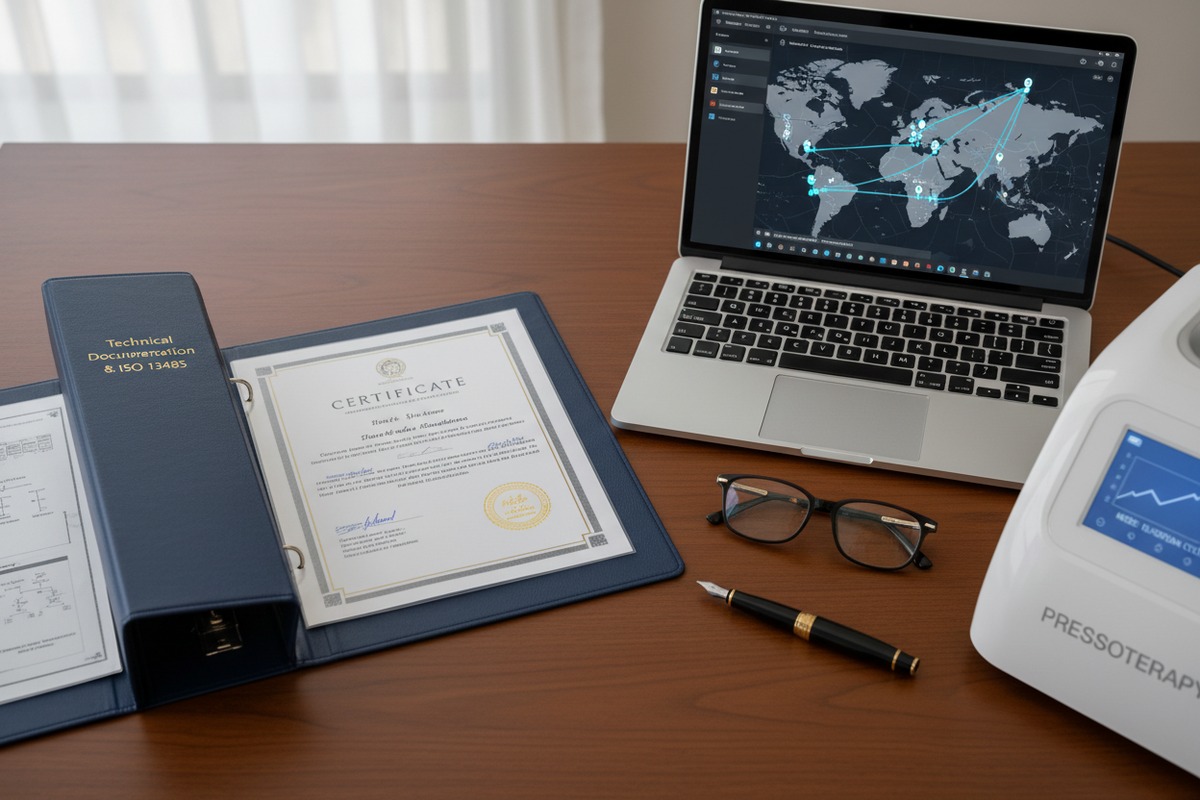
Understanding Packaging Validation Requirements
Medical device packaging must meet specific standards to be fit for shipment. In particular, it needs to ensure products arrive in their best condition and without contaminants.
For pressotherapy machines, packaging must protect against:
- Physical impact from drops and stacking
- Vibration during ocean freight
- Temperature fluctuations
- Humidity exposure
- Compression from heavy cargo above
The Three-Layer Packaging System
For instance, they should have three layers: Primary: The first layer is usually a sterile barrier that shields the device from contaminants. Secondary: The second layer separates the sterile barrier from the outer shipping packaging. Tertiary: The tertiary layer is usually the outer shipping case that recipients receive.
For pressotherapy machines, this typically means:
| Layer | Purpose | Materials Used |
|---|---|---|
| Primary | Protect control unit | Anti-static bags, foam molds |
| Secondary | Cushion compression suits | PE bags, bubble wrap, foam inserts |
| Tertiary | Shipping protection | Double-wall cartons, wooden crates |
Key Testing Standards to Request
Ask your supplier for test reports covering:
- ASTM D4169 – Typically for medical devices, ASTM D4169 8 is utilized as it is an FDA recognized standard.
- ISO 11607 – The International Organization for Standardization (ISO) outlined standards for sterile and non-sterile devices under ISO 11607 9-1 and ISO 11607-2. These standards list validation requirements for packages containing medical devices.
- Transportation simulation tests – Transportation simulation testing is a series of controlled physical tests to evaluate the outer shipping box's durability to protect and maintain the integrity of the sterilized, packaged medical devices during shipment/transport.
Quality Control Checkpoints
Our QC team follows this inspection sequence before any European shipment:
- Pre-production inspection – Verify raw materials and components
- In-line inspection – Check assembly quality during production
- Pre-shipment inspection – Full function test before packing
- Packaging inspection – Verify materials, cushioning, and labeling
- Container loading inspection – Ensure proper stowage and bracing
What to Look for in Sample Shipments
Before committing to large orders, request a sample shipment. Evaluate:
- Outer carton condition upon arrival
- Foam insert integrity
- Device functionality after transit
- Accessory organization (suits, hoses, power cables)
- Documentation completeness inside package
The packaging of these devices is not just about containment; it's about providing a protective shell that can withstand the rigors of transportation, handling, and storage. Improper packaging can lead to device damage, which can have serious implications.
Can I rely on their logistics team to handle the complexities of door-to-door delivery to my European warehouses?
Our service team has coordinated hundreds of shipments to European destinations. We've learned that the difference between a good supplier and a great one often comes down to logistics support. A factory that makes excellent products but can't get them to your warehouse reliably is ultimately failing you.
A reliable supplier should offer complete door-to-door logistics including freight forwarding, customs brokerage, documentation preparation, real-time tracking, and delivery coordination. Verify their freight partner relationships, ask about their customs clearance success rate, and confirm they can handle DDP (Delivered Duty Paid) terms if needed.

What Door-to-Door Really Means
Enjoy the safety and the commodity of door-to-door transportation services. But "door-to-door" varies widely between suppliers. Get specifics:
| Service Level | What's Included | What to Verify |
|---|---|---|
| EXW (Ex Works) | Goods ready at factory | You handle everything |
| FOB | Loading onto vessel | You handle sea freight + import |
| CIF | Freight to port | You handle customs + inland delivery |
| DAP | Delivery to address | You handle import duties |
| DDP | Full delivery + duties paid | Supplier handles everything |
Evaluating Logistics Capabilities
As the logistics process progresses, the global reach and expertise in customs brokerage come into play. Just like therapies, medical devices are subject strict import and export regulations. Navigating international shipping requires a deep understanding of customs regulations to ensure smooth transit across borders.
Ask your supplier:
- Which freight forwarders do they partner with?
- What is their average transit time to your destination?
- How do they handle customs delays?
- Can they provide end-to-end tracking?
- Do they offer cargo insurance?
Customs Clearance Expertise
UPS Healthcare understands international shipping, including customs rules and regulations. And with more than 2,000 daily flights to over 220 countries and territories, we help make international shipping easier.
Your supplier's logistics partner should demonstrate:
- Knowledge of HS codes for pressotherapy equipment
- Understanding of EU import documentation requirements
- Ability to prepare commercial invoices properly
- Experience with medical device classifications at customs
The Importance of Real-Time Tracking
Gain real-time visibility into your shipments with our advanced tracking technology and medical device warehousing solutions. Our state-of-the-art medical device warehousing facilities ensure secure and efficient storage, enabling you to manage and transport critical medical devices with confidence.
Modern logistics partners provide:
- GPS container tracking
- Milestone notifications (departed port, customs cleared, out for delivery)
- Exception alerts for delays
- Estimated delivery updates
Handling Returns and Warranty Claims
Logistics capability extends beyond initial delivery. Ask:
- How do they handle warranty returns?
- What is the process for defective unit replacement?
- Can they arrange reverse logistics if needed?
Transit Time Benchmarks
For shipping from China to major European destinations:
| Destination | Sea Freight (Days) | Air Freight (Days) |
|---|---|---|
| Rotterdam | 28-35 | 5-7 |
| Hamburg | 30-38 | 5-7 |
| Piraeus | 22-28 | 4-6 |
| Barcelona | 25-32 | 5-7 |
| Southampton | 30-35 | 5-7 |
When it comes to international logistics of medical equipment, it usually lasts up to two working days. This refers to express van service within Europe—useful for urgent last-mile delivery from your warehouse to end customers.
Conclusion
Finding a pressotherapy machine supplier with a genuine European export track record requires verification at every step. Check CE compliance documentation thoroughly. Request proof of past shipments. Inspect packaging standards. And ensure their logistics team can truly deliver to your warehouse door. When suppliers meet these criteria, you gain a reliable partner—not just a vendor.
Footnotes
1. International standard for quality management systems in medical device manufacturing. ↩︎
2. Official European Commission database for Notified Bodies. ↩︎
3. Explains the meaning and legal implications of CE marking for products. ↩︎
4. Official regulation for medical devices in the European Union. ↩︎
5. Essential for verifying conformity assessment for higher-risk medical devices. ↩︎
6. Explains the purpose and importance of EORI numbers for EU trade. ↩︎
7. Replaced HTTP 404 link. The EU’s rapid alert system for dangerous non-food products, formerly known as RAPEX, is now officially called ‘Safety Gate’. This URL points to the main portal for the Safety Gate system. ↩︎
8. Standard practice for performance testing of shipping containers and systems. ↩︎
9. International standard for packaging for terminally sterilized medical devices. ↩︎

 English
  Español de México
  Deutsch
  Français
  العربية
  Русский