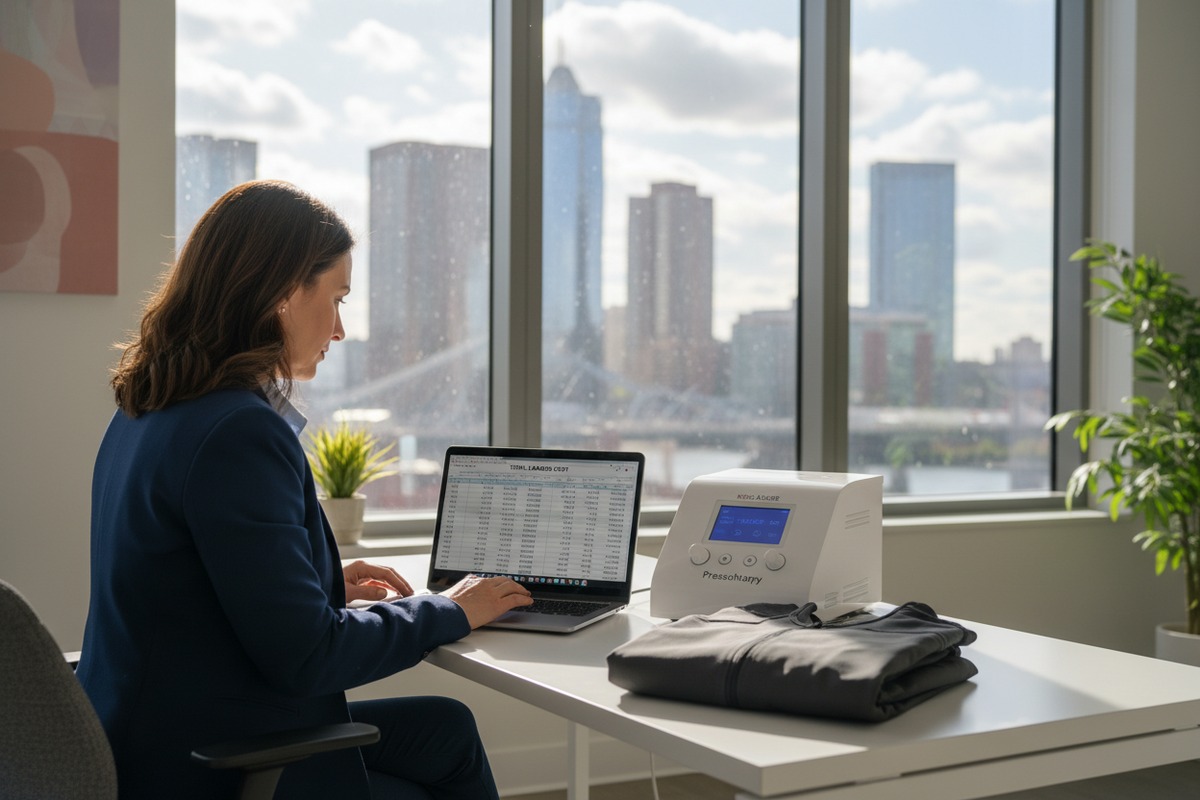
After shipping hundreds of pressotherapy systems from our Guangzhou factory to US distributors, I’ve seen many importers lose thousands of dollars International freight 1. They failed to calculate true landed costs before placing orders. The profit they expected evaporated once duties, freight fees, and hidden charges hit their accounts.
Total landed cost for pressotherapy machines from China includes product price, international freight (ocean or air), US customs duties and Section 301 tariffs (potentially 25%+ on HS code 9019.10), insurance, customs brokerage fees, port handling, inland trucking, warehouse fees, and compliance costs for FDA registration and safety certifications. Accurate calculation requires adding all these components and dividing by unit quantity.
This guide breaks down each cost component step by step. You’ll learn how to estimate duties, spot hidden fees, and work with suppliers who help you avoid financial surprises. Let’s dive in.
What specific cost components should I include in my total landed cost calculation?
When our clients ask for landed cost quotes, many only think about product price and shipping. That mindset leads to budget overruns. In our experience exporting to the US, the true cost includes at least ten separate line items.
Your total landed cost calculation must include: product purchase price, export packaging, international freight (ocean FCL/LCL or air), marine cargo insurance, US customs duties and tariffs, customs brokerage fees, port terminal handling charges, inland transportation to warehouse, warehouse receiving and storage fees, and any required testing or certification costs.
Understanding the Core Cost Components
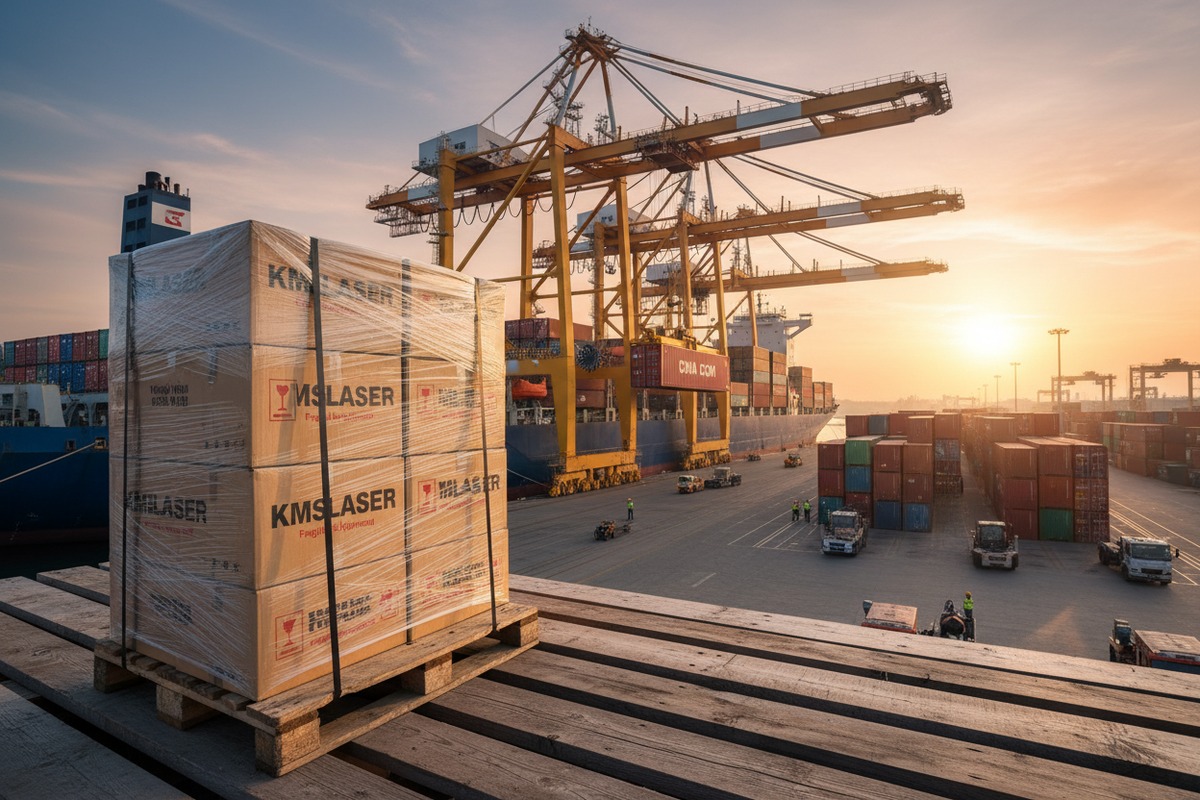
Let me walk you through each component. First, the product purchase price is your EXW or FOB price 2 from the supplier. This includes the unit cost and standard export packing. If you need custom packaging or palletization, add that separately.
International freight is your biggest variable cost. Ocean freight rates from China to US West Coast in early 2026 range from $1,950–$2,650 per 40ft container. East Coast rates run $3,100–$3,900 per 40ft container. Air freight costs $7–$10 per kg for urgent medical equipment.
Cost Component Breakdown Table
| Cost Component | Typical Range | Notes |
|---|---|---|
| Product Price (FOB) | $600–$1,200/unit | Depends on features and order volume |
| Export Packaging | $15–$40/unit | Foam, carton, pallet for pressotherapy machines |
| Ocean Freight (West Coast) | $1,950–$2,650/40ft | January 2026 rates |
| Ocean Freight (East Coast) | $3,100–$3,900/40ft | Panama Canal fees included |
| Air Freight | $7–$10/kg | For urgent shipments only |
| Marine Insurance | 0.5%–2% of CIF value | Covers loss or damage in transit |
| Customs Duties + Section 301 | 0%–25%+ | Based on HS code; pressotherapy may face 25% |
| Customs Brokerage | $150–$350/entry | Professional filing fees |
| Port Handling (THC) | $200–$400/container | Terminal handling at US port |
| Inland Trucking | $500–$2,000 | Depends on distance from port to warehouse |
| Warehouse Receiving | $50–$150/shipment | Unloading and inspection |
| Storage | $0.50–$2/sq ft/month | If inventory sits before distribution |
Don't Forget Testing and Compliance Costs
Pressotherapy machines often require UL or ETL electrical safety certification 3 for the US market. Budget $2,000–$8,000 for initial certification. If your product falls under FDA's medical device category, add establishment registration fees 4 and US Agent costs. These are one-time or annual costs, but they affect your per-unit landed cost on initial shipments.
Sample Calculation for 100 Pressotherapy Units
Here's a real example. Assume you import 100 pressotherapy machines at $800 FOB each:
| Line Item | Calculation | Amount |
|---|---|---|
| Product Cost | 100 × $800 | $80,000 |
| Ocean Freight (West Coast) | 1 × 40ft container | $2,500 |
| Insurance (1% of $82,500) | — | $825 |
| Base Duty (assume 0% for HS 9019.10.20) | — | $0 |
| Section 301 Tariff (25% of $80,000) | — | $20,000 |
| Customs Brokerage | — | $250 |
| Port Handling + Doc Fees | — | $400 |
| Inland Trucking (LA to Texas warehouse) | — | $1,800 |
| Warehouse Receiving | — | $100 |
| Total Landed Cost | — | $105,875 |
| Per-Unit Landed Cost | $105,875 ÷ 100 | $1,059 |
That's a 32% markup over your $800 product cost. Many importers miss this and price their products too low.
How do I accurately estimate US customs duties and tariffs for imported pressotherapy devices?
One of the biggest mistakes our US clients make is assuming duty rates without verifying the exact HS code. When we prepare commercial invoices, we always recommend clients confirm classification with a licensed customs broker first.
Pressotherapy machines typically classify under HS code 9019.10 (mechano-therapy appliances and massage apparatus), which has a base MFN duty rate of 0% (duty-free). However, Section 301 tariffs on Chinese-origin goods can add 7.5%–25% depending on the product list. Current medical device tariffs from China may total 47%+ when combining base rates, Section 301, and fentanyl-related tariffs.

Step 1: Confirm the Correct HS Code
HS code 9019.10.20 5 covers "mechano-therapy appliances and massage apparatus." Pressotherapy systems using air compression for lymphatic drainage 6 generally fall here. The base MFN duty rate is free.
But classification matters. If US Customs determines your device is a medical appliance under HS 9018.90, different rules apply. Always provide detailed product descriptions, photos, and technical specs to your broker.
Step 2: Calculate the Customs Value
US Customs uses transaction value—typically the FOB price plus assists (tooling, dies, molds provided to the supplier). For most pressotherapy imports, the customs value equals your commercial invoice amount.
If you've negotiated special packaging or added components, those must be declared. Undervaluation is illegal and triggers penalties.
Step 3: Apply Current Tariff Rates
Here's the tariff landscape as of early 2026:
| Tariff Type | Rate | Applicable To |
|---|---|---|
| MFN Base Duty (HS 9019.10.20) | 0% | All imports |
| Section 301 Tariff (List 3/4A) | 7.5%–25% | Chinese-origin goods |
| Fentanyl-Related Tariff | 10% | All Chinese goods (as of Feb 2025) |
| Reciprocal Tariff | 10% (reduced from higher) | Part of US-China truce |
Medical devices from China currently face total tariff rates that can exceed 47% when stacking Section 301, fentanyl, and base tariffs. Some products face up to 54% or higher.
Step 4: Monitor Tariff Changes
Trade policy shifts rapidly. In late 2025, the US and China agreed to lower reciprocal tariffs to 10% and pause certain port fees. But this is a 12-month truce. Tariff exclusions on 178 products were extended until November 2026.
Check USTR.gov regularly. Work with a broker who monitors changes weekly.
Duty Calculation Example
For 100 pressotherapy machines at $80,000 customs value:
| Tariff Layer | Rate | Duty Amount |
|---|---|---|
| Base MFN (HS 9019.10.20) | 0% | $0 |
| Section 301 (List 4A) | 25% | $20,000 |
| Fentanyl Tariff (10%) | 10% | $8,000 |
| Total Duties | 35% | $28,000 |
Your per-unit duty cost: $280. That's before any exemptions or exclusions apply.
What hidden logistics fees should I expect when shipping beauty machines door-to-door from China?
From our shipping department's experience, the "hidden" fees are only hidden if you don't ask upfront. We've learned to itemize every possible charge so our clients can budget accurately before shipment.
Expect hidden fees including: destination terminal handling charges (THC), chassis rental, demurrage (if container sits at port), detention (if you hold the container too long), customs examination fees, fuel surcharges, peak season surcharges, documentation fees, ISF bond fees, and warehouse appointment or gate fees. These can add $500–$2,000+ per shipment.

Common Hidden Fees Breakdown
| Fee Type | Typical Cost | When It Applies |
|---|---|---|
| THC (Destination) | $150–$300/container | Port unloading charges |
| Chassis Rental | $50–$100/day | If trucking company uses port chassis |
| Demurrage | $100–$300/day | Container sits at port beyond free time |
| Detention | $75–$200/day | You keep container past allowed period |
| Customs Exam Fee | $300–$1,000 | Random or targeted CBP inspections |
| X-Ray Exam | $300–$500 | Non-intrusive inspection |
| VACIS/EXAM | $500–$1,000+ | Intensive physical inspection |
| ISF Bond Fee | $50–$100/shipment | Required for ocean freight |
| Documentation Fee | $25–$75 | Broker or forwarder paperwork |
| Fuel Surcharge (BAF) | Variable | Added to base freight rate |
| Peak Season Surcharge | $200–$1,000/container | During high-volume periods |
Port Congestion and Blank Sailings
As of January 2026, carriers are announcing "blank sailings" for late February and early March—canceled voyages to keep rates stable during Chinese New Year. If your cargo misses a sailing, it might wait 3 weeks for the next ship.
Port congestion at LA/Long Beach or Savannah can add 3–7 days. Each day of delay risks demurrage charges 8. Build buffer time into your planning.
Warehouse and Last-Mile Surprises
Once your container clears customs, more fees appear:
- Drayage (port to warehouse): $300–$800 for local, $1,500–$3,000 for longer hauls
- Liftgate service: $75–$150 if your warehouse lacks loading dock
- Appointment fees: $50–$100 at some fulfillment centers
- Unloading labor: $100–$300 if palletized improperly
- Storage: $0.50–$2/sq ft/month
How to Minimize Hidden Fees
- Get all-inclusive quotes: Ask forwarders for door-to-door pricing with itemized fees
- Confirm free time: Know how many days you have before demurrage/detention kicks in
- Pre-clear documentation: Submit ISF 48+ hours before vessel departure
- Schedule warehouse appointments: Book receiving slots before cargo arrives
- Use bonded warehouses: If you need time to pay duties
How can my supplier's quality control and packaging standards help me avoid unforeseen financial losses?
At our factory, we've seen clients lose entire shipments because of poor packaging from other suppliers. A cracked control panel or water-damaged electronics can turn a profitable order into a loss. That's why our team invests heavily in pre-shipment inspection and protective packaging.
Your supplier's quality control and packaging directly impact landed cost by preventing: product damage during transit (insurance claims, replacement costs, lost sales), customs rejections (mislabeled or non-compliant goods), customer returns (defective units reaching end users), and delays (re-inspection, hold periods). Working with suppliers who offer in-process QC, final inspection, and export-grade packaging can save 10–20% of potential loss costs.
Quality Control as Cost Prevention
Every defective unit that ships is money lost. Here's how poor QC affects your bottom line:
| QC Failure | Direct Cost | Indirect Cost |
|---|---|---|
| Non-functional unit | Replacement or refund | Lost customer, bad review |
| Cosmetic defect | Discount or return | Brand damage |
| Mislabeled product | Customs hold, re-labeling | Demurrage fees, delays |
| Safety hazard | Recall, liability | Legal exposure |
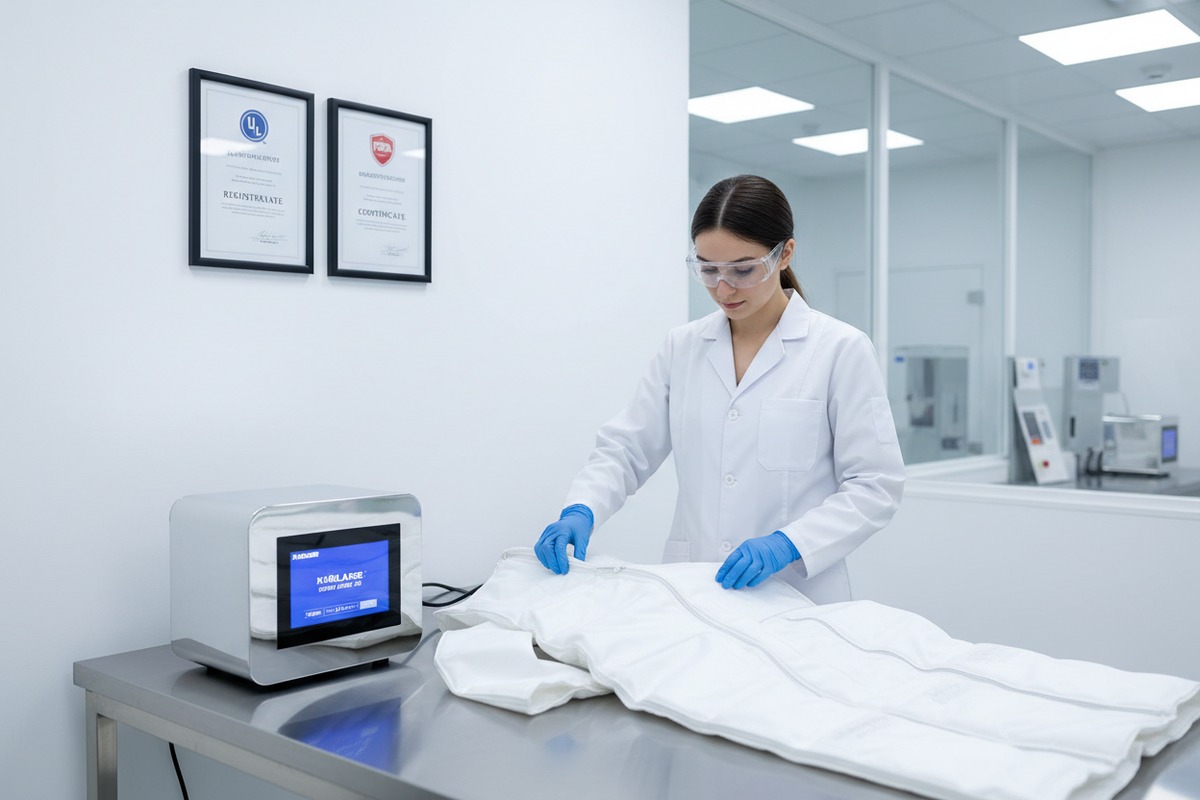
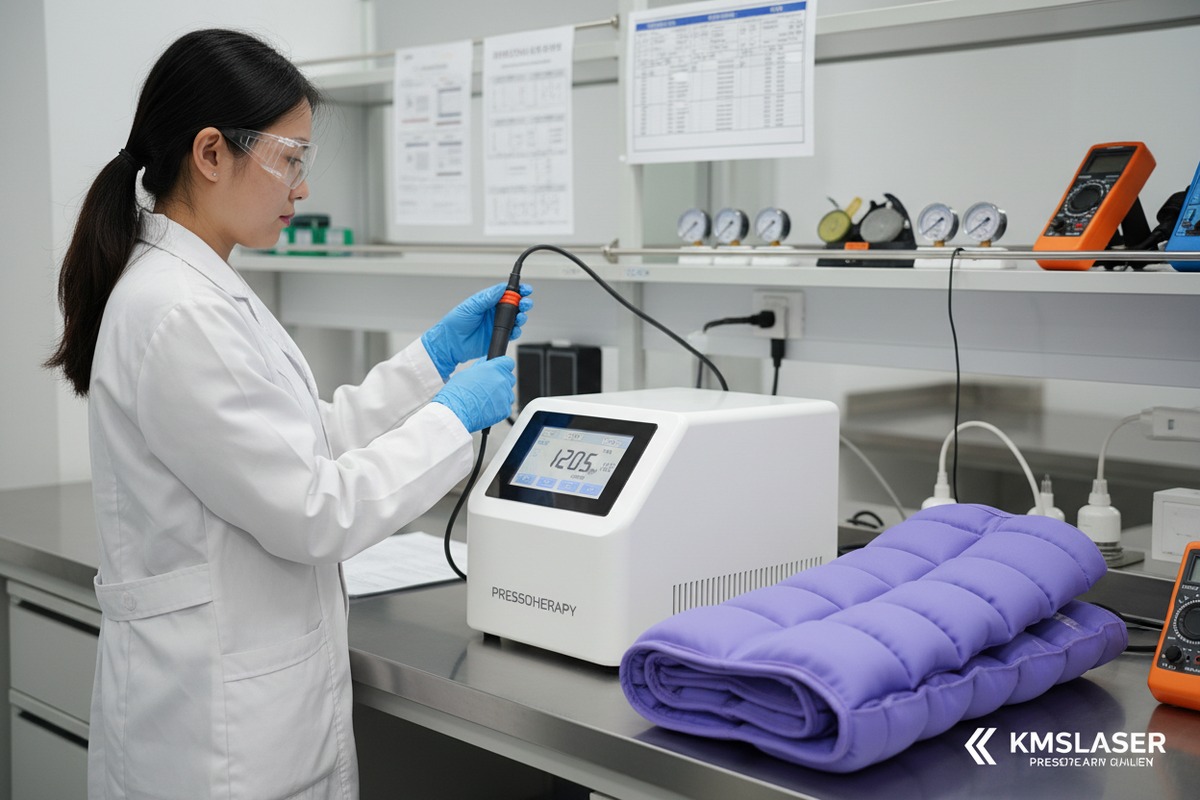
Our QC process includes component testing before assembly, in-process checks during production, and 100% final inspection before packing. We test each pressotherapy machine for air pressure accuracy, electrical safety, and cosmetic condition.
Packaging Standards That Protect Your Investment
Pressotherapy machines have sensitive control units and inflatable cuffs. Proper packaging includes:
- Inner foam cushioning: Custom-cut PE foam around the control unit
- Anti-static bags: For electronic components
- Double-wall cartons: Minimum 5-layer corrugated for strength
- Corner protectors: Prevent crush damage
- Pallet strapping: Secure stacking during container loading
- Moisture barriers: Desiccant packs and poly wrap for ocean transit
We've found that investing $15–$30 extra per unit in premium packaging reduces damage claims by 90%+ compared to basic packing.
Pre-Shipment Inspection Checklist
Before any container ships, verify:
- Product function: All units powered on and tested
- Accessories complete: Cuffs, tubes, cables, user manual
- Labels correct: Brand, model, voltage, compliance marks
- Carton condition: No dents, tears, or moisture
- Pallet stability: Units won't shift during transit
- Documentation: Commercial invoice, packing list, certificate of origin
Working with Suppliers Who Understand US Requirements
The best suppliers for US importers offer:
- UL/ETL certification support: Pre-tested designs ready for submission
- FDA-compliant labeling: Proper declarations for medical devices
- Photo documentation: Images of packed goods before container sealing
- Third-party inspection coordination: For clients who use SGS, Bureau Veritas, etc.
When you calculate landed cost, factor in the value of a supplier who prevents problems rather than one who offers the lowest initial price.
Conclusion
Calculating total landed cost for pressotherapy machines requires tracking every expense from factory to warehouse. Include product cost, freight, duties, tariffs, insurance, handling, and compliance fees. Add 25–40% buffer above FOB price for accurate budgeting. Partner with suppliers who prioritize quality control 9 and transparent communication to avoid costly surprises.
Footnotes
1. Defines international freight as the process of transporting goods between countries. ↩︎
2. Clarifies the definitions and responsibilities associated with EXW and FOB Incoterms in international trade. ↩︎
3. Explains the importance and recognition of UL and ETL certifications for electrical product safety. ↩︎
4. Outlines the mandatory establishment registration process for medical device manufacturers with the FDA. ↩︎
5. Provides official classification details for mechano-therapy and massage apparatus. ↩︎
6. Describes the medical application of air compression therapy for lymphatic drainage. ↩︎
7. Official overview page from the Office of the United States Trade Representative (USTR) on Section 301 investigations. ↩︎
8. Clarifies demurrage as a fee for cargo remaining at port beyond free time. ↩︎
9. Authoritative and general overview of quality control from Wikipedia. ↩︎


 English
 Español de México
 Deutsch
 Français
 العربية
 Русский
Join the Conversation
Have a question or insight to share? We read every comment — whether you're a distributor, salon owner, or just curious about the technology. Your real-world experience helps others make better decisions. Drop your thoughts below.