
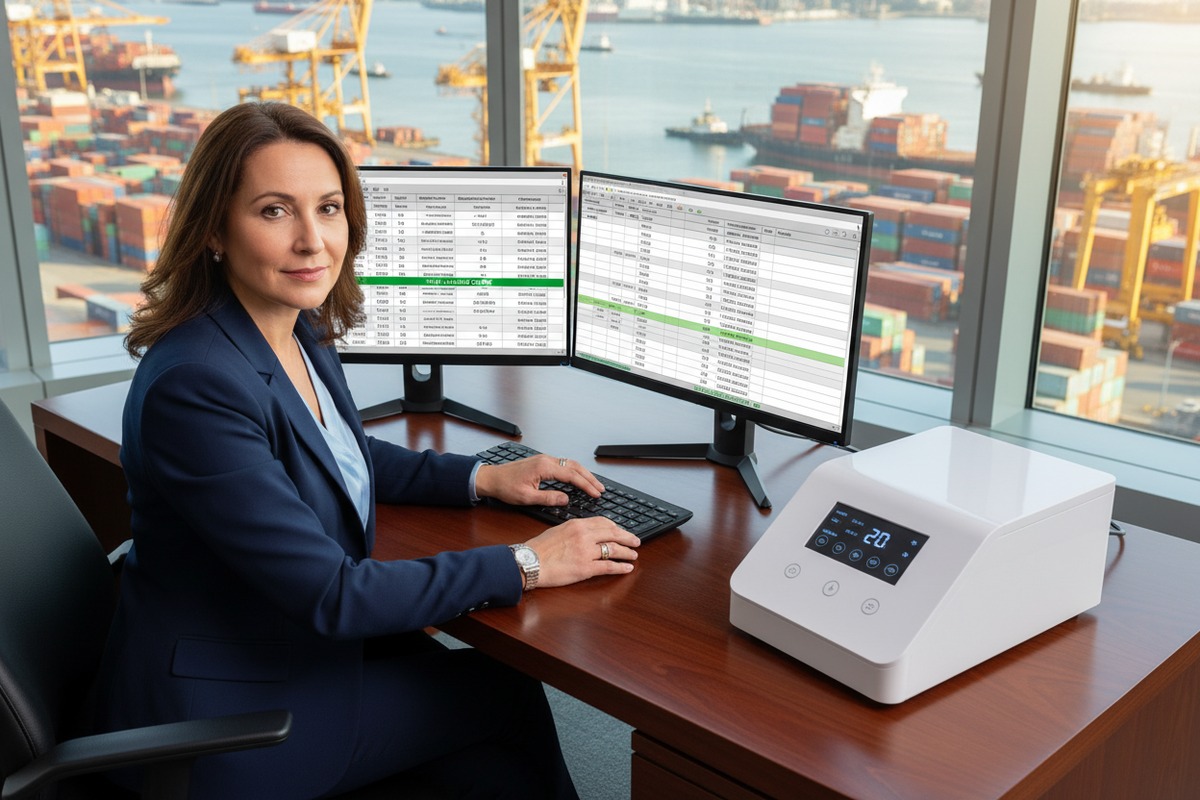
Navigating the financial complexity of importing our pressotherapy systems can be overwhelming Total landed cost 1. If you miscalculate a single fee, your expected profit margins might vanish before the ship reaches port.
Total landed cost is the sum of product price, sea freight, insurance, customs duties, European VAT, and local handling fees. Calculate this by adding every expense from our Guangzhou factory gate to your warehouse door to ensure your retail pricing remains profitable and sustainable.
Understanding these numbers is the only way to protect your investment and scale your aesthetic business successfully Ex-Works price 2.
What specific cost components should I include in my landed cost calculation for pressotherapy equipment?
When we assemble our high-end compression suits 3 at our facility, the invoice price is just the starting point. Many purchasing managers realize too late that the "factory price" excludes several critical layers of expense demurrage and detention charges 4.
To calculate landed cost accurately, include the Ex-Works price, sea freight (FCL or LCL), marine insurance, import duties based on HS codes, country-specific VAT, and "last-mile" delivery. Don't forget bank transfer fees and potential inspection costs for medical-grade aesthetic equipment.
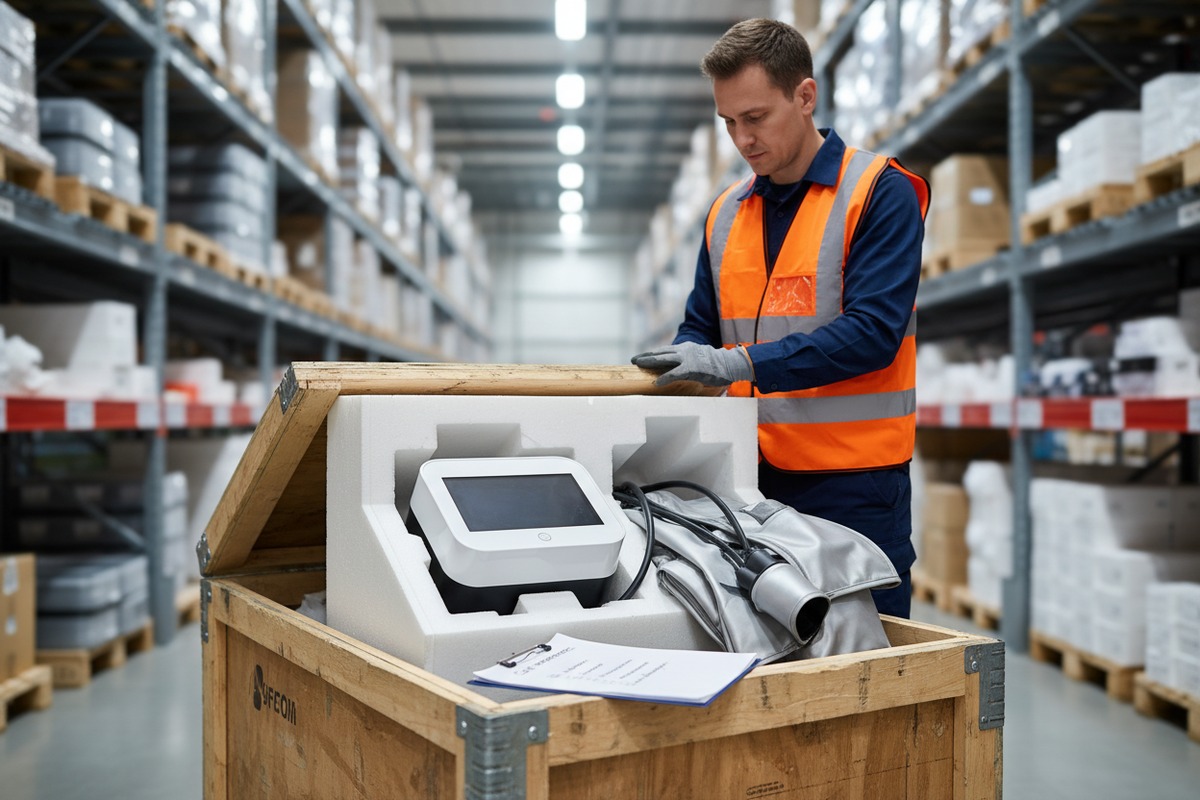
The Core Pillars of Your Investment
To get a clear picture of your total investment, you must break down the costs into five primary categories. At our production site, we emphasize to our B2B partners that "product cost" is merely the foundation. The true cost includes everything required to move a heavy pressotherapy unit from China to a salon in Europe.
1. Product and Manufacturing Costs
This is the net price you pay us for the machines. It includes the base unit, any OEM branding, custom suit sizes, and durable export packaging. Because our machines are mid-to-high-end, we use reinforced wooden crates to prevent damage during the long sea voyage. This packaging cost is part of your initial product investment.
2. International Transportation
Sea freight is the most common method for our European clients. You must decide between Full Container Load (FCL) 5 and Less than Container Load (LCL). LCL is often cheaper for small orders, but it carries higher "per-CBM" (cubic meter) handling fees.
3. Risk Management and Insurance
Never ship high-value medical equipment across the ocean without insurance. We typically recommend insurance that covers 110% of the CIF (Cost, Insurance, and Freight) value 6. This usually costs between 0.5% and 1% of the total value but saves you from total loss due to maritime accidents.
4. Duties and Government Taxes
This is where many buyers fail to plan. Europe has strict import regulations. You will pay a duty percentage based on the machine's classification and then a Value Added Tax (VAT) 7 on top of the entire accumulated value.
5. Domestic Logistics and Handling
Once the ship docks in Rotterdam, Hamburg, or Felixstowe, the journey is not over. You must pay for the unloading of the container, customs clearance services, and the final truck delivery to your warehouse.
Comparison of Shipping Methods
| Cost Component | Sea Freight (LCL) | Sea Freight (FCL) |
|---|---|---|
| Unit Cost | Same | Same |
| Shipping Rate | Higher per CBM | Lower per unit |
| Port Handling | High (shared costs) | Fixed per container |
| Warehouse Fees | Frequent | Rare |
| Risk of Damage | Moderate | Very Low |
Understanding Incoterms
The Incoterm you choose with us determines which costs you pay directly. If we agree on EXW (Ex-Works), you pay for everything from our factory door. If we use CIF (Cost, Insurance, and Freight), we cover the costs until the goods reach your local port. Knowing your "starting point" in the calculation prevents double-paying for logistics.
How do I accurately estimate European import duties and VAT for my sea freight shipment?
While we are testing the air pressure stability of our machines in the factory, we often discuss tax compliance with our clients. Europe is a complex market where tax rates vary significantly by country.
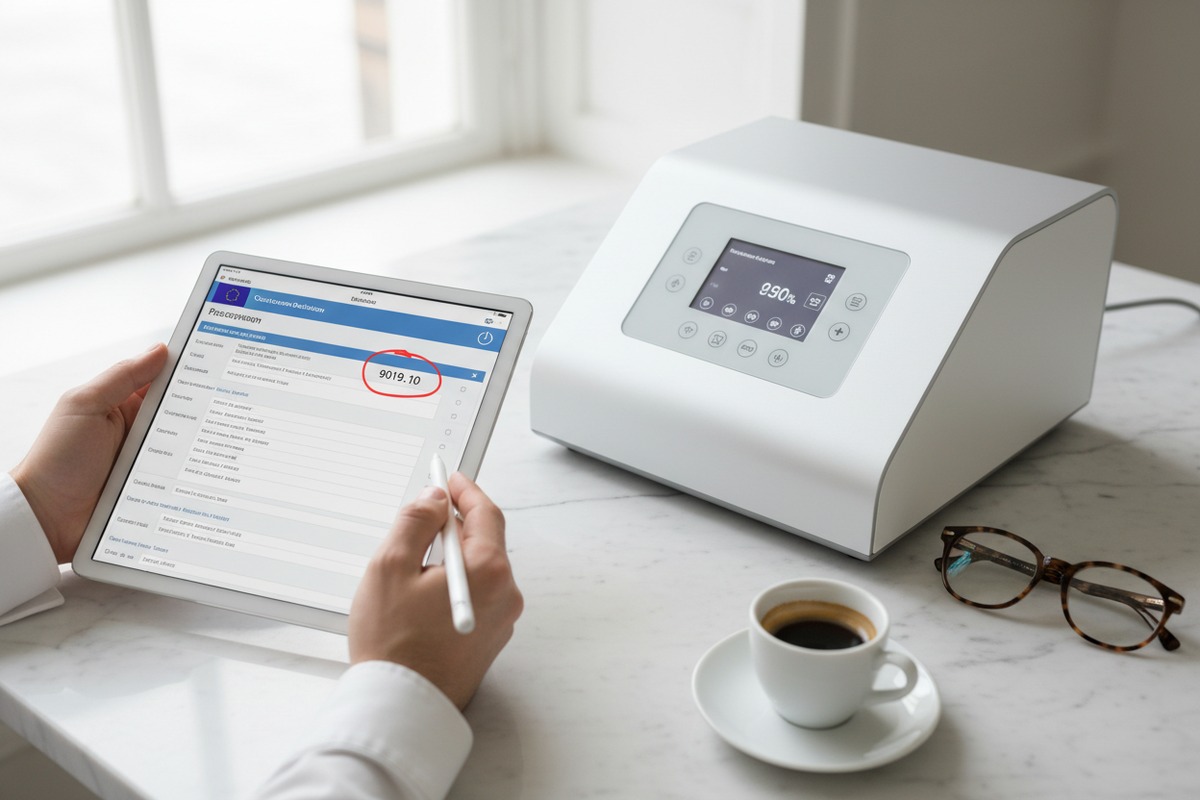
Estimate duties by identifying the correct HS code (typically 9019.10) for mechano-therapy appliances. Calculate VAT by applying your country's rate (17-27%) to the total Value for Tax, which includes the product price, shipping, and the customs duty amount itself.
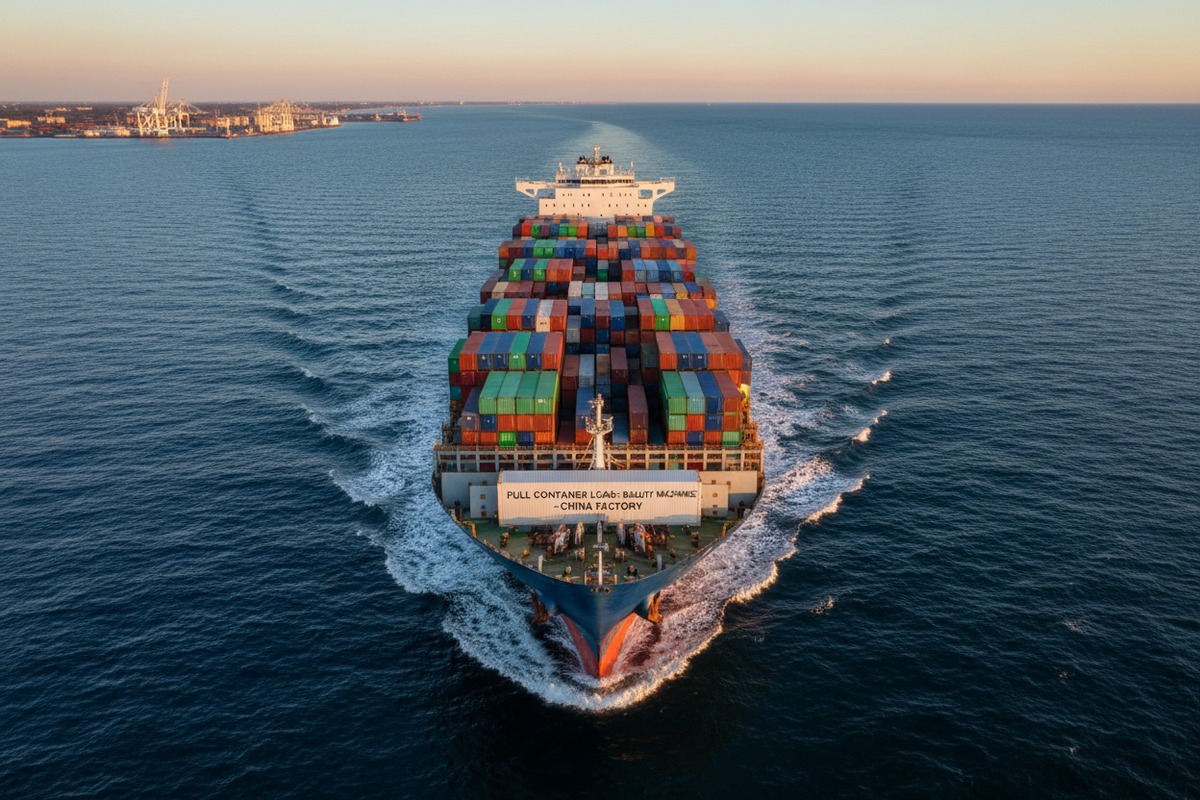
The Importance of the HS Code
The Harmonized System (HS) code 8 is a universal language for customs. For our pressotherapy machines, the most common code is 9019.10. This category covers mechano-therapy appliances and massage apparatus. Using the wrong code can lead to two problems: paying too much in duties or facing fines for "misdeclaration." We always provide the technical documentation to help your broker confirm the code before the shipment arrives.
Calculating the Duty Amount
The duty is not calculated just on the price of the machine. In the EU, duties are calculated on the CIF value (Cost + Insurance + Freight).
Formula: (Product Price + Shipping + Insurance) x Duty Rate % = Duty Payable
If you buy 10 machines at $1,000 each, and shipping costs $1,500 with $100 insurance, your duty is calculated on $11,600. If the duty rate is 4%, you owe $464.
The VAT "Multiplier" Effect
VAT is the largest secondary cost. Unlike duties, VAT is usually calculated on the "Value for Tax." This includes the CIF value plus the duty you just calculated.
Formula: (CIF Value + Duty Amount) x VAT Rate % = VAT Payable
Using the previous example: ($11,600 + $464) x 20% (UK/France rate) = $2,412.80.
European VAT Rates Table
| Country | Standard VAT Rate | Estimated Duty (HS 9019.10) |
|---|---|---|
| Germany | 19% | 0% – 4% |
| France | 20% | 0% – 4% |
| Italy | 22% | 0% – 4% |
| Netherlands | 21% | 0% – 4% |
| Spain | 21% | 0% – 4% |
Managing Cash Flow for Taxes
One thing we remind our brand owners is that VAT is often "recoverable" if you are a VAT-registered business. However, you must pay it upfront at the port. This creates a temporary cash flow drain. You must have the liquid capital ready to pay the customs office before they release your pressotherapy machines for delivery. If you delay payment, you may incur "storage fees" at the port, which we will discuss in the next section.
Accuracy in Documentation
To avoid delays, your Commercial Invoice and Packing List must match exactly. We ensure that our export documents clearly state the value in the currency you paid (usually USD or EUR). Any discrepancy between the value we declare and the value you pay can trigger an audit.
Our logistics team in Guangzhou spends a lot of time monitoring port congestion. We have seen how small, "hidden" fees can accumulate, especially during peak seasons like the months leading up to the holidays.
Hidden costs include Terminal Handling Charges (THC), documentation fees, fuel surcharges (BAF), and customs entry fees. Additionally, beware of demurrage and detention charges if your cargo sits at the port longer than the "free days" allowed by the shipping line.
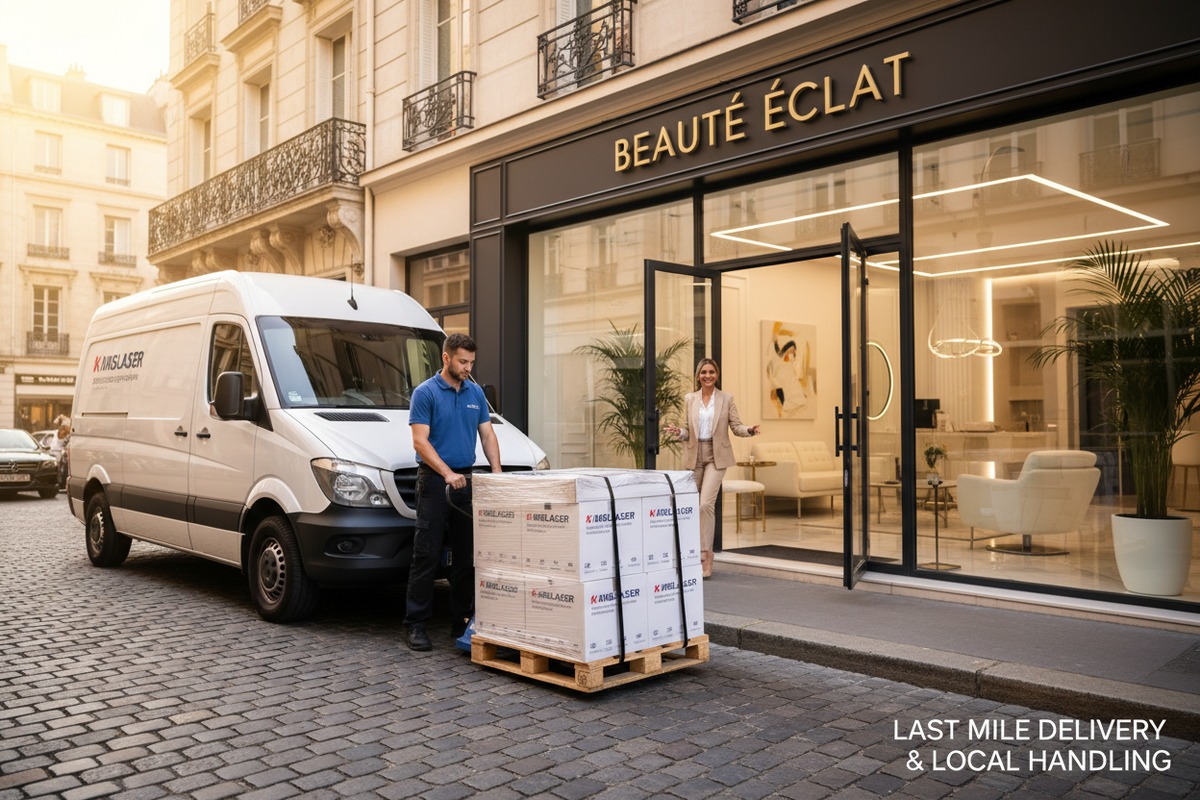
The "Hidden" Port Fees
When the ship arrives, the ocean freight you paid only covered the transport. The port itself charges fees to move the container from the vessel to the yard. These are called Terminal Handling Charges (THC). For LCL shipments, you also pay "de-vanning" or "stripping" fees, which is the cost of taking your specific machines out of a shared container.
Administrative and Documentation Costs
Every shipment requires paperwork. You will likely see charges for:
- Bill of Lading Fee: The cost of processing the title document for your goods.
- Customs Entry Fee: The service fee charged by your broker to file the paperwork.
- ISPS Fee: A security fee mandated for international port safety.
- Fuel Surcharges: Often labeled as BAF (Bunker Adjustment Factor), these fluctuate with oil prices.
The Danger of Demurrage and Detention
This is the most "expensive" mistake a buyer can make. Shipping lines give you a limited number of "free days" (usually 3 to 7) to pick up your container from the port. If your customs paperwork is stuck or you haven't paid your VAT, they charge you a daily penalty called demurrage. This can range from $100 to $300 per day.
Currency Exchange and Bank Fees
Since we quote in USD but you likely operate in EUR or GBP, the exchange rate matters. If the Euro weakens during the 35 days the ship is at sea, your landed cost in your local currency increases. Furthermore, banks charge "intermediary fees" for international transfers. We suggest calculating a 1-2% buffer for these fluctuations.
Common Local Handling Charges (Estimates)
| Fee Type | Average Cost (USD) | Frequency |
|---|---|---|
| Terminal Handling (THC) | $150 – $400 | Per shipment |
| Documentation Fee | $50 – $100 | Per shipment |
| Customs Clearance Service | $100 – $250 | Per shipment |
| Demurrage (after free days) | $150/day | Only if delayed |
| Fuel Surcharge (BAF) | Variable | Every shipment |
Avoiding the "Surprise" Bill
To avoid these surprises, we recommend asking your freight forwarder for a "destination charge" quote. This document lists all the fees you will pay in Europe before the goods are released. By getting this before we ship from Guangzhou, you can finalize your retail price with 100% confidence.
How can my supplier’s door-to-door logistics service help me manage my end-to-end landed costs?
Many of our long-term clients, like Elizabeth from the United States, prefer simplicity over managing five different vendors. This is why we developed a comprehensive logistics support system at our headquarters.
A supplier’s door-to-door (DDP) service streamlines costs by providing a single, all-inclusive quote. This eliminates the need for separate brokers and ensures the manufacturer handles customs clearance, local transport, and tax payments, offering you a predictable final price per unit.
What is Door-to-Door (DDP)?
When we offer a DDP (Delivered Duty Paid) service, we take over the entire responsibility of the landed cost calculation for you. You pay us one price, and we handle the export from China, the sea freight, the European customs duties, and the VAT. The machines simply arrive at your warehouse. This is a game-changer for purchasing managers who want to avoid the headache of local European regulations.
Predictability in Pricing
The biggest benefit of using our door-to-door service is the removal of "variable" costs. When you manage the shipment yourself, you are at the mercy of fluctuating port fees and unexpected customs inspections. With our integrated service, we absorb those risks. You know your exact per-unit cost the day you place the order. This allows you to set your wholesale or retail prices immediately, without waiting for the machines to arrive.
Reducing Administrative Burden
Importing beauty equipment requires dealing with customs brokers, truckers, and port authorities. If you have a small team, this can take hours away from your sales and marketing efforts. By letting us manage the logistics, you have one point of contact for everything—from the quality of the internal pump to the tracking of the delivery truck in Germany.
Quality Control and Logistics Synergy
Because we are the manufacturer, we know exactly how to handle our pressotherapy machines. We ensure that the freight forwarders we work with understand that these are sensitive aesthetic devices. If a box is damaged during transit, our integrated logistics team can start the insurance claim or replacement process immediately, rather than you having to argue with a third-party shipping company.
Is DDP Right for You?
While DDP is incredibly convenient, it sometimes carries a small premium because the supplier is taking on all the financial and regulatory risk. For mid-to-large distributors, this "peace of mind" fee is usually much lower than the cost of hiring a dedicated logistics manager or the risk of a $2,000 demurrage bill.
Conclusion
Mastering landed cost calculations turns a risky import into a stable business model. By accounting for every fee from our factory to your door, you ensure long-term profitability.
Footnotes
1. Provides a comprehensive definition of landed cost in international trade. ↩︎
2. Replaced with an authoritative source from the European Commission explaining Ex-Works price. ↩︎
3. Explains the medical application and benefits of compression therapy. ↩︎
4. Explains demurrage and detention charges in maritime shipping. ↩︎
5. Defines Full Container Load (FCL) in sea freight logistics. ↩︎
6. Explains the CIF (Cost, Insurance, and Freight) Incoterm. ↩︎
7. Official information on Value Added Tax (VAT) from the European Union. ↩︎
8. Official explanation of the Harmonized System (HS) by the WCO. ↩︎

 English
 Español de México
 Deutsch
 Français
 العربية
 Русский
