

When our production team ships pressotherapy machines 1 to distributors in North America and Europe, the same question keeps coming up. How do you stop customers from finding lower prices online and losing trust in your business Minimum Advertised Price (MAP) policies 2? This pricing conflict destroys margins and damages long-term partnerships.
To avoid online and offline pricing conflicts when sourcing pressotherapy machines, implement exclusive OEM branding, enforce Minimum Advertised Price (MAP) policies, negotiate regional distribution rights, and choose manufacturers who commit to channel separation in written agreements. These strategies protect your retail pricing and prevent direct competition from generic listings.
Let me walk you through the exact steps we use with our partners to prevent these issues. The tactics below come from years of experience working with beauty equipment distributors across three continents.
How can I ensure my manufacturer doesn't list the same pressotherapy machine online for less than my retail price?
When we first started exporting pressotherapy systems, one of our earliest partners in Texas discovered our standard model listed on Alibaba for $400 less than her wholesale cost. That experience taught us both a hard lesson about supply chain transparency.
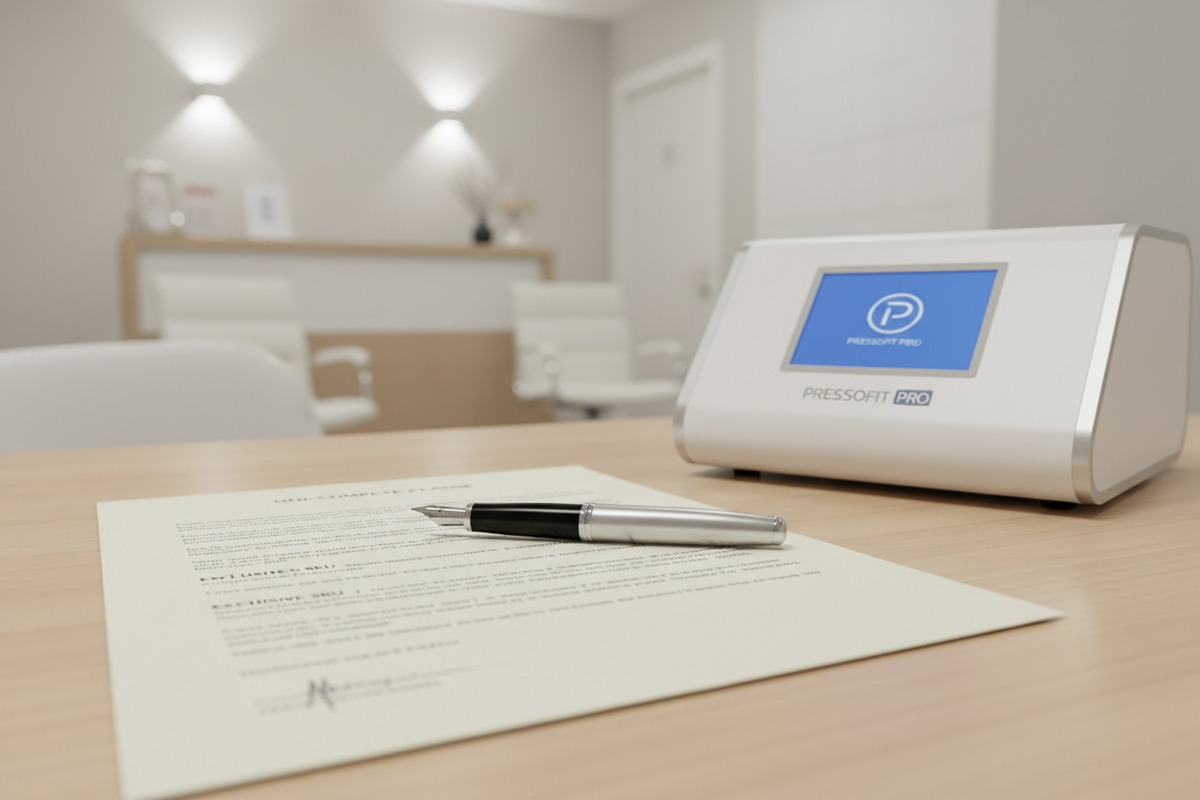
Request a non-compete clause in your OEM agreement that prohibits the manufacturer from selling identical products under any brand on platforms where you operate. Combine this with exclusive SKU assignments and unique firmware versions that cannot be found elsewhere online.
Why Direct Manufacturer Sales Create Problems
The root cause of most pricing conflicts 3 is simple. Your manufacturer sells to multiple buyers. Some of those buyers have different cost structures. They undercut you online.
This problem has grown worse in recent years. Online platforms now list pressotherapy machines at prices ranging from $300 to $1,850 for basic to mid-range models. Professional units can reach $10,000. This wide range creates arbitrage opportunities that hurt traditional distributors.
Contract Clauses That Actually Work
You need specific language in your agreement. General promises mean nothing. Here are the clauses that protect you:
| Clause Type | What It Does | Why It Matters |
|---|---|---|
| Platform Restriction | Prohibits manufacturer from listing on Amazon, eBay, or other specified platforms | Eliminates direct price competition in your market |
| Unique SKU Assignment | Assigns product codes that only you can use | Prevents price comparison tools from matching products |
| Territorial Sales Ban | Restricts manufacturer sales to specific regions | Stops parallel imports into your territory |
| Pricing Floor Commitment | Sets minimum price manufacturer can charge any buyer | Prevents undercutting even through other distributors |
Monitor Continuously
Your agreement is only as good as your enforcement. Use price monitoring tools to scan major platforms weekly. When violations occur, document everything and invoke your contract remedies immediately.
Our quality control team photographs every shipment with serial numbers visible. This creates a chain of evidence if products appear in unauthorized channels.
Can I use custom OEM designs to prevent my customers from price-shopping against generic online listings?
Our engineering team redesigned the control panel interface for a European spa chain last year. They wanted something their customers could not find anywhere else. The result was a 40% increase in their perceived value and zero price comparison complaints.
Custom OEM designs are your strongest defense against price-shopping. Unique housing, proprietary software interfaces, exclusive color schemes, and branded components create products that simply cannot be compared to generic alternatives. This differentiation justifies premium pricing and eliminates direct competition.

Levels of Customization
Not all customization offers equal protection. Here is how different levels affect your pricing power:
| Customization Level | Cost Impact | Price Protection | Lead Time |
|---|---|---|---|
| Logo Only | Low (+2-5%) | Minimal | 2-3 weeks |
| Custom Colors | Medium (+5-10%) | Moderate | 4-6 weeks |
| Housing Redesign | High (+15-25%) | Strong | 8-12 weeks |
| Proprietary Software | Very High (+20-30%) | Maximum | 12-16 weeks |
| Unique Components | Highest (+25-40%) | Complete | 16-20 weeks |
The IP Protection Strategy
When you invest in custom designs, you need to own them. Our OEM agreement 4s include work-for-hire clauses that transfer all intellectual property rights 5 to the buyer. This means we cannot use your custom designs for any other client.
In OEM production, the customers typically retain most intellectual property rights. The manufacturer produces the product based on customer requirements but does not own the designs. Make sure your agreement states this clearly.
Practical Customization Options for Pressotherapy
Here are the modifications that offer the best value-to-protection ratio for pressotherapy machines:
Control Unit Interface: Custom LCD screens with your logo, unique menu structures, and proprietary treatment programs. These are invisible online but obvious to end users.
Air Bag Design: Custom patterns, colors, and attachment systems that differ from generic versions. Functional customization that prevents direct comparison.
Compression Algorithms: Modified pressure sequences and timing patterns that you can trademark. This is where real differentiation happens.
Packaging and Documentation: Premium cases, branded manuals, and exclusive accessories. The unboxing experience matters for perceived value.
Working with Manufacturers on Custom Development
When we collaborate on custom projects, we assign dedicated engineers who sign NDAs before seeing any specifications. The development process includes multiple approval stages where you review and own each design decision.
The key is starting with a clear brief. Define exactly what makes your product different. Then protect those differences legally before production begins.
What specific clauses should I include in my agreement to prevent online and offline pricing conflicts?
During contract reviews with our legal team, we identify the same missing clauses over and over. Distributors come to us with agreements that look professional but contain zero pricing protection.
Your agreement must include a Minimum Advertised Price (MAP) clause, territory exclusivity with online channel specifications, a non-compete provision covering digital marketplaces, price adjustment notification requirements, and enforcement procedures with defined penalties. Without these specific provisions, you have no legal recourse when conflicts arise.

Essential Clauses Explained
MAP pricing remains legal in countries like the United States and follows the Leegin framework 6 for unilateral price floors. However, in the UK and EU, competition authorities treat mandatory advertised-price floors differently. Know your jurisdiction before implementing these clauses.
Here is a breakdown of must-have provisions:
| Clause | Purpose | Enforcement Mechanism |
|---|---|---|
| MAP Policy | Sets minimum advertised price across all channels | Written warnings, then supply suspension |
| Territory Definition | Specifies geographic and online boundaries | Contract termination for violations |
| Channel Separation | Distinguishes authorized online vs. offline sales | Audit rights with penalty clauses |
| Price Change Notice | Requires advance warning of any pricing adjustments | Minimum 60-day notice period |
| Audit Rights | Allows verification of compliance | Third-party inspection at defined intervals |
| Liquidated Damages | Pre-sets penalties for violations | Automatic deductions from future orders |
MAP Policy Best Practices
When drafting MAP policies, be specific. Retailers may sell below MAP in-cart since that is not publicly advertised, but they cannot display prices lower than MAP on any webpage accessible to the public. Prohibit "click for price" tactics, strikethroughs, or coupon codes that reveal below-MAP pricing.
Include provisions for temporary promotional waivers. Issue these in writing at least fourteen days in advance with specific start and end dates. This maintains control while allowing strategic sales events.
Territory and Channel Definitions
Exclusive distribution clauses 7 prevent the supplier from forming other distribution contracts in a given market or territory. This gives you the exclusive right to sell in your region.
But modern agreements need to go further. Define "territory" to include digital marketplaces serving your geographic area. A US-based Amazon listing reaches US customers even if the seller is overseas.
The Termination Safety Net
Include clear termination triggers for pricing violations. A well-drafted OEM agreement significantly minimizes the risk of legal disputes by clearly defining these conditions. Specify:
- Number of violations that trigger termination
- Cure periods (if any) before termination
- Inventory disposition after termination
- Post-termination non-compete duration
Intellectual Property Integration
Your pricing protection strategy connects to IP rights. Clarify ownership of designs, software, patents, and proprietary materials in the same agreement. State whether IP created during the partnership belongs to you, the manufacturer, or both.
When manufacturers can claim ownership of custom designs, they may license them to competitors. Lock down all intellectual property before production begins.
How do I find a supplier that respects my need for price stability and regional market protection?
After vetting dozens of potential partners before joining our current production facility, I learned that words mean nothing without track records. The manufacturers who promise everything usually deliver nothing.
Find a supplier that respects price stability by evaluating their existing distribution network, requesting references from current partners, reviewing their online presence for unauthorized sales, and conducting trial orders before signing long-term agreements. Manufacturers with clean marketplace records and satisfied exclusive partners demonstrate genuine commitment to channel discipline.

The Vetting Process
Start with online research. Search for their products on major marketplaces. If you find dozens of listings from different sellers at varying prices, walk away. This indicates loose supply chain control.
Next, request a distributor reference list. A confident supplier will provide contacts. Speak directly with existing partners about:
- Have they experienced pricing conflicts?
- Does the manufacturer respond quickly to violations?
- How are disputes resolved?
- Would they sign again knowing what they know now?
Red Flags to Watch For
| Warning Sign | What It Means | Risk Level |
|---|---|---|
| Multiple Alibaba listings | No channel control | High |
| Refuses distributor references | Hiding problems | Critical |
| No exclusive territory options | Prioritizes volume over partnerships | Medium |
| Vague contract language | Will not enforce agreements | High |
| Minimum orders under 10 units | Sells to anyone | Medium |
| No MAP policy experience | Cannot support your pricing strategy | Medium |
Questions to Ask During Negotiations
Be direct. Ask these questions early:
- How many distributors do you have in my target market?
- What is your policy on direct online sales?
- Can you provide examples of how you handled past pricing conflicts?
- Will you sign a non-compete clause covering specific platforms?
- What is your standard MAP policy structure?
Hesitation or deflection on any of these questions tells you everything.
Building a Trial Relationship
Before committing to exclusive agreements or large orders, run a test. Order a small quantity under basic terms. Monitor marketplace activity for three to six months. See if your products appear elsewhere at unauthorized prices.
This trial period protects you from manufacturers who promise exclusivity but continue selling to anyone with a purchase order. The pressotherapy systems market is growing, with projections reaching $21.93 billion by 2029. This growth attracts opportunistic suppliers who prioritize short-term volume over long-term partnerships.
Characteristics of Ideal Partners
The right manufacturer demonstrates these qualities:
Transparent Communication: Responds to pricing concerns within 24 hours. Provides documentation on request. Never hides behind vague policies.
Established Systems: Has existing MAP agreements, enforcement procedures, and compliance tracking. Does not need to create these from scratch for your account.
Investment in Quality: Higher-quality manufacturers typically charge more but attract serious distributors who also care about market discipline. The bargain suppliers sell to anyone.
Long-Term Orientation: Prioritizes partnerships over transactions. Willing to sacrifice short-term sales to protect distributor relationships.
Our approach at the factory level involves dedicating account managers to each regional partner. They monitor marketplace activity and flag potential issues before they become conflicts. This proactive stance reflects genuine commitment to channel integrity.
Conclusion
Protecting your pressotherapy machine pricing requires proactive strategies, not reactive complaints. Combine exclusive OEM designs, strong contract clauses, MAP enforcement, and careful supplier selection to eliminate conflicts before they start. Your investment in these protections pays dividends through sustainable margins and lasting customer trust.
Footnotes
1. Replaced with an authoritative health information source explaining pressotherapy. ↩︎
2. Defines MAP policies and their importance for manufacturers and retailers. ↩︎
3. Discusses the causes and impact of pricing conflicts in business. ↩︎
4. Explains OEM agreements, their components, and best practices. ↩︎
5. Provides a comprehensive overview of intellectual property rights from a global organization. ↩︎
6. Explains the Supreme Court case that changed the legality of minimum resale price maintenance. ↩︎
7. Details the key clauses and legal aspects of exclusive distribution agreements. ↩︎
8. Defines resale price maintenance and its implications for retailers and competition law. ↩︎

 English
 Español de México
 Deutsch
 Français
 العربية
 Русский
