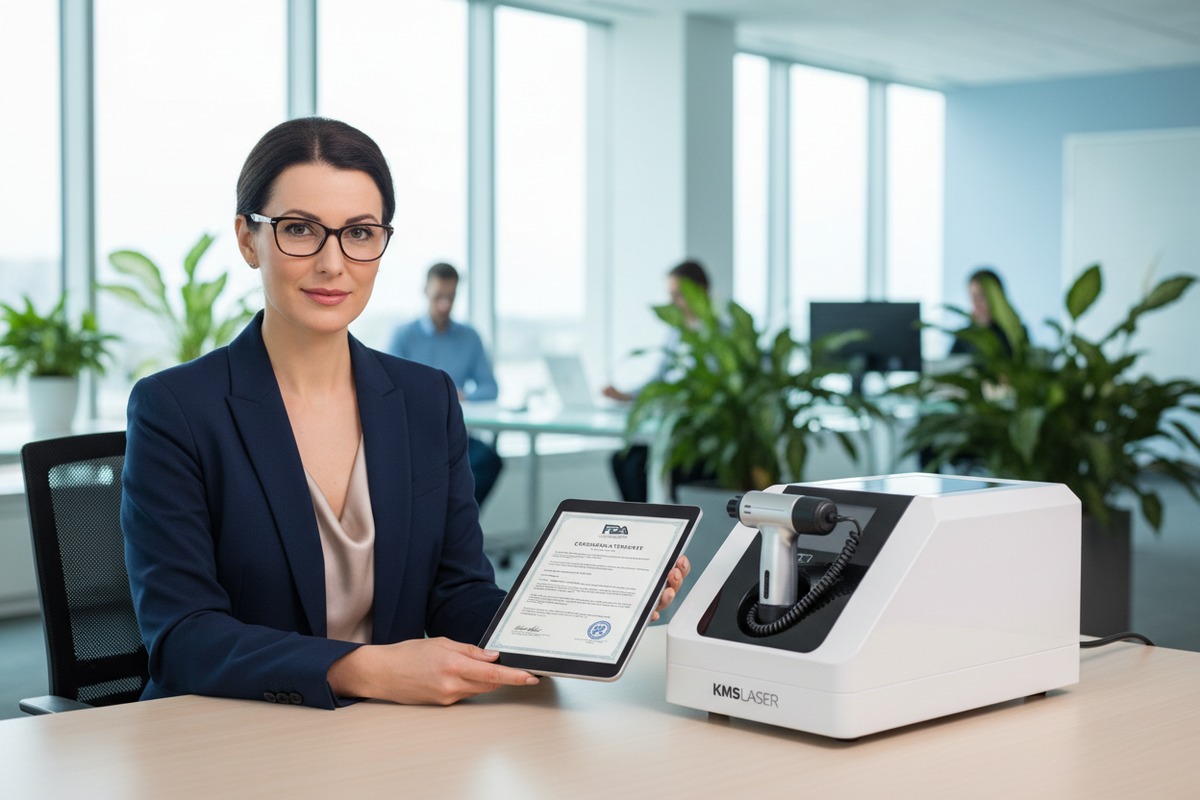
Every week, our quality control team reviews clinical documentation from various sources CE marks 1. We see the good, the bad, and the outright fabricated. Many clinic owners purchase shockwave machines based on impressive before-and-after photos, only to discover later that those images came from completely different devices or were digitally altered.
To verify clinical case data and images from shockwave therapy machine suppliers, you must cross-reference regulatory clearances (FDA 510(k), CE marks), request device-specific published studies, validate lab accreditation through official databases, and demand treatment logs with traceable parameters like energy flux density and pulse counts.
This guide walks you through a practical verification workflow ISO 14971 risk assessments 2. You will learn exactly what to ask suppliers, where to check their claims, and how to protect your brand from unvalidated marketing materials.
How can I verify that the shockwave therapy before-and-after photos are original to my supplier?
When our engineering team develops new applicator tips, we photograph every test result meticulously ISO 10993 biocompatibility reports 3. We know firsthand how easy it is to find generic shockwave images online. The problem? Many suppliers grab these same images and present them as their own clinical evidence GDPR in Europe 4.
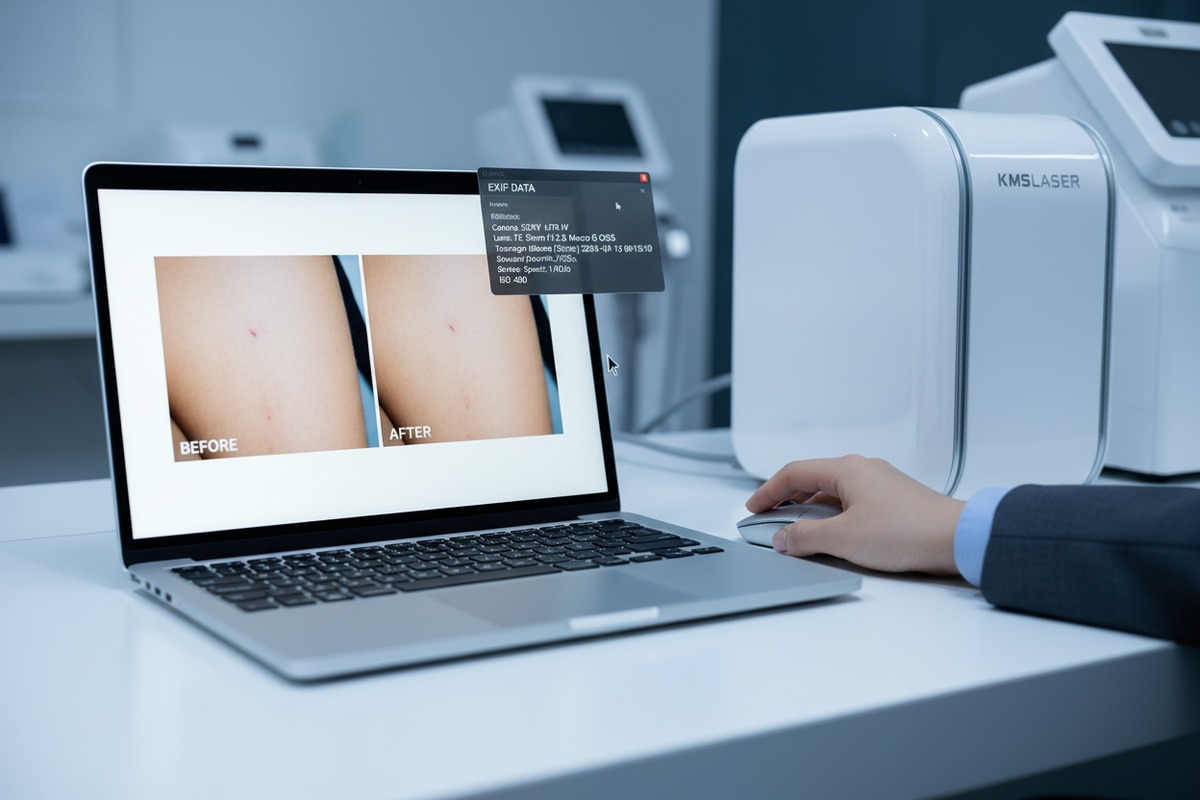
Verify image originality by requesting EXIF metadata, asking for patient consent documentation tied to specific device serial numbers, checking reverse image searches, and demanding raw files with embedded timestamps that match the supplier’s claimed treatment dates and device model.
The Metadata Trail
Every digital photo contains hidden information. EXIF data stores the camera model, date, time, and sometimes GPS coordinates. Ask your supplier to provide original image files with intact metadata. If they send compressed JPEGs stripped of all data, that is your first red flag.
Our documentation team always preserves raw files from clinical demonstrations. Legitimate suppliers do the same. They have nothing to hide.
Reverse Image Search Protocol
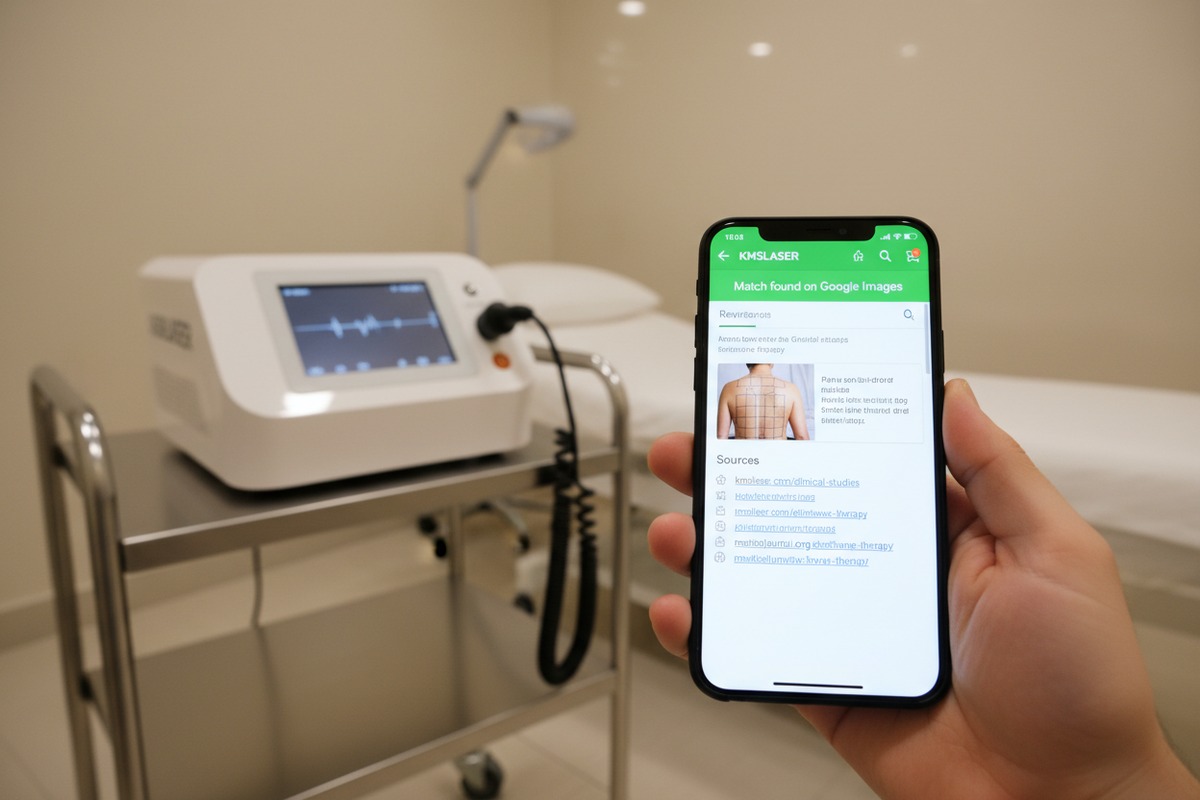
Before trusting any clinical photo, run it through Google Images, TinEye, or Yandex. Reverse Image Search 5 These tools reveal whether the image appears elsewhere online. We have seen competitors use stock photos from medical image libraries, claiming them as original clinical results.
| Verification Step | Tool/Method | What It Reveals |
|---|---|---|
| EXIF Data Check | ExifTool, PhotoME | Date, camera, location |
| Reverse Search | Google Images, TinEye | Duplicate usage online |
| Serial Number Match | Supplier records | Device-image connection |
| Consent Forms | Legal documentation | Patient authorization |
| File Hash Comparison | MD5/SHA checksums | File tampering evidence |
Linking Images to Specific Devices
The strongest verification connects images directly to the machine you are purchasing. Request documentation showing the device serial number, treatment parameters used, and corresponding patient consent forms. Our factory assigns unique identifiers to each unit. Clinical photos generated during testing carry these identifiers in their documentation.
Ask suppliers: "Can you provide the serial number of the device that generated these results?" Hesitation or vague answers suggest the images may not be genuinely theirs.
Digital Manipulation Detection
AI-powered tools now detect image manipulation. Software like FotoForensics analyzes compression artifacts and pixel inconsistencies. Anatomical irregularities—unnatural skin textures, mismatched lighting, clone-stamped areas—indicate digital editing.
Our quality assurance protocols include authenticity checks on all marketing materials. Trustworthy suppliers welcome such scrutiny because they have authentic results to showcase.
What specific clinical data should I request to validate the machine's performance claims?
During our R&D process, we generate extensive clinical documentation. We understand precisely which data points matter for performance validation. Unfortunately, many buyers accept vague brochures instead of demanding rigorous evidence.
Request peer-reviewed studies specific to the exact device model, FDA 510(k) summaries, energy flux density specifications, hydrophone pressure measurements, ISO 14971 risk assessments, ISO 10993 biocompatibility reports, and accredited laboratory test certificates with traceable calibration records.
Regulatory Documentation Requirements
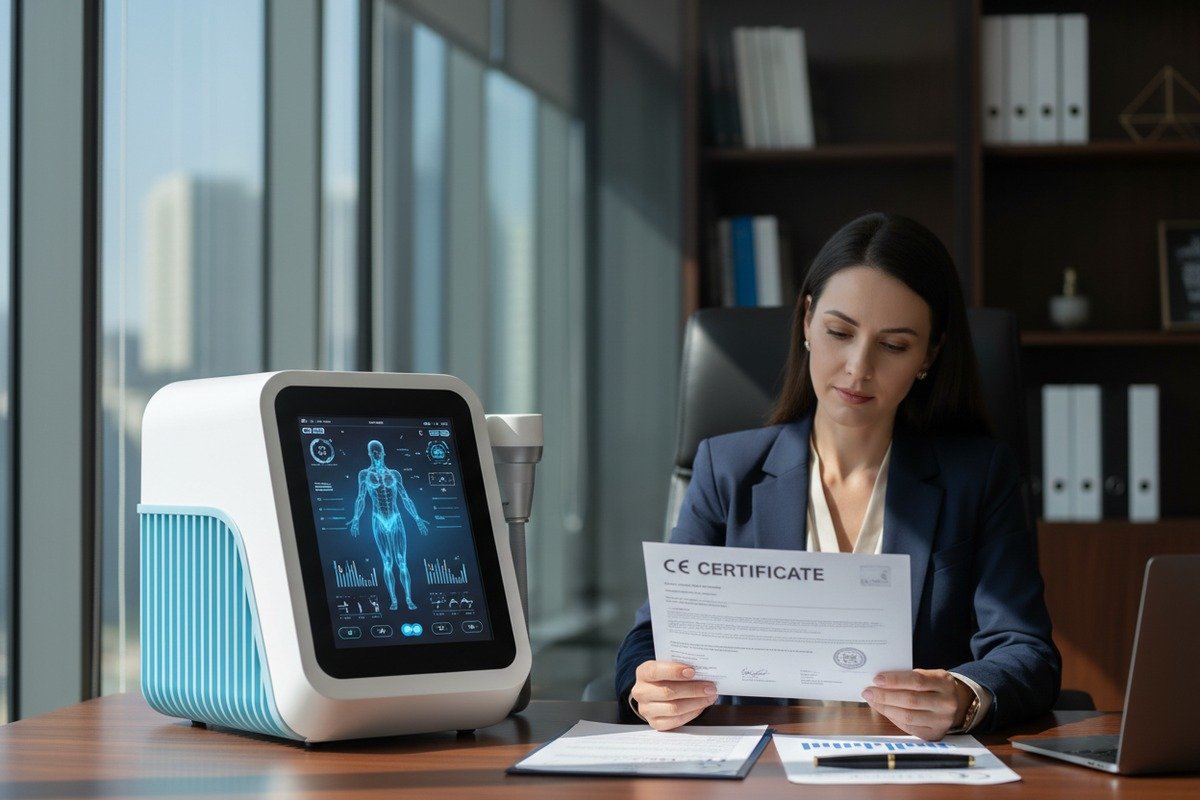
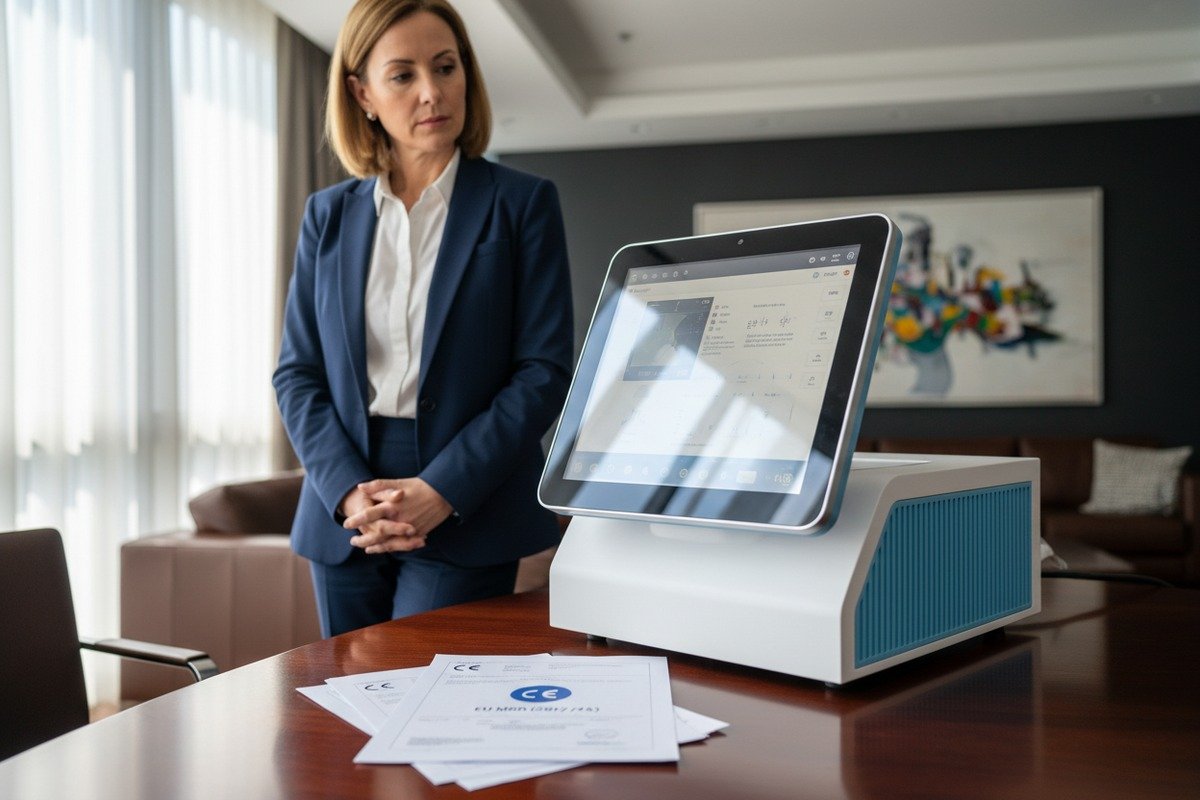
Start with regulatory clearances. For the US market, verify FDA 510(k) 7 clearance on the FDA database. The summary document lists cleared indications, tested parameters, and predicate devices. For EU markets, check the NANDO database to confirm the Notified Body's legitimacy.
Our compliance department maintains all regulatory filings. We provide 510(k) summaries, CE certificates, and DoC (Declaration of Conformity) documents upon request. Suppliers who cannot produce these documents immediately should concern you.
Technical Parameter Specifications
Shockwave devices vary dramatically in their output characteristics. You need specific numbers, not marketing adjectives.
| Parameter | Why It Matters | Acceptable Documentation |
|---|---|---|
| Energy Flux Density (mJ/mm²) | Determines treatment intensity | Calibrated hydrophone reports |
| Peak Positive Pressure (MPa) | Affects tissue penetration | Accredited lab certificates |
| Pulse Frequency (Hz) | Influences session duration | Technical specifications |
| Focal Depth (mm) | Targets specific tissue layers | Manufacturer datasheets |
| Applicator Type | Radial vs. focused therapy | Device registration documents |
Laboratory Accreditation Verification
Test reports mean nothing without accredited laboratories behind them. Check that testing labs hold ISO/IEC 17025 accreditation 8 for the specific test types performed. The accreditation scope must cover acoustic measurements and medical device testing.
Our production testing uses laboratories certified by CNAS (China National Accreditation Service). We provide accreditation certificates alongside test reports. This traceability distinguishes verified data from fabricated claims.
Clinical Study Quality Markers
Not all clinical studies carry equal weight. Look for these quality indicators:
- Prospective design over retrospective analysis
- Double-blind sham-controlled methodology
- Statistical power calculations showing adequate sample sizes
- Long-term follow-up data (minimum 6 months)
- Conflict of interest disclosures from researchers
- Device-specific parameters matching your intended purchase
The ISMST (International Society for Medical Shockwave Treatment) publishes consensus guidelines on parameter reporting. Studies following these guidelines provide more reliable evidence than those with vague methodology descriptions.
Post-Market Clinical Follow-Up
Modern regulatory frameworks emphasize ongoing evidence collection. Ask suppliers about PMCF (Post-Market Clinical Follow-up) data. Real-world registries capturing treatment outcomes across multiple clinics provide stronger validation than isolated studies.
How do I ensure the clinical cases provided were actually generated by the equipment I am purchasing?
Our production line manufactures multiple shockwave models with different specifications. We know that clinical results from one model cannot represent another. When suppliers show impressive outcomes, you must confirm those results came from identical equipment to what you are buying.
Ensure clinical case validity by matching device trade names, model numbers, hardware versions, and software firmware across all documentation; verify that treatment parameters in studies align with your device’s specifications; and request session logs demonstrating reproducible outcomes.

Device Identity Matching
Clinical cases must correspond exactly to your intended purchase. Check these identity markers across all documentation:
| Document Type | Required Matching Elements |
|---|---|
| FDA 510(k) Summary | Trade name, model number, cleared indications |
| CE Certificate | Device variant, notified body number |
| Clinical Study | Hardware version, software version, applicator type |
| Test Reports | Serial number range, production batch |
| User Manual | Technical specifications, treatment protocols |
Discrepancies suggest the supplier is borrowing evidence from different equipment. Our technical documentation team ensures version consistency across all materials. Request the same diligence from any supplier.
Parameter Equivalence Assessment
Even when device names match, parameter differences can invalidate clinical relevance. A study using 0.25 mJ/mm² energy flux density does not validate outcomes at 0.10 mJ/mm². Compare these critical parameters:
- Energy output range: Must overlap with study parameters
- Wave generation type: Electrohydraulic, electromagnetic, or piezoelectric
- Focal characteristics: Focused versus radial applicators
- Frequency capabilities: Hertz range matching study protocols
- Applicator geometry: Tip size and shape affecting energy distribution
Our engineering specifications align precisely with our clinical documentation. We can demonstrate parameter matching for every published outcome.
Treatment Protocol Reproducibility
Valid clinical cases include sufficient detail for reproduction. The ISMST Delphi consensus identifies essential reporting elements:
- Number of sessions (typically 3-8)
- Interval between sessions
- Pulses per session (commonly 2000-4000)
- Energy density progression
- Anatomical application sites
- Coupling medium used
- Patient positioning
Request complete protocols from suppliers. Vague descriptions like "standard treatment parameters" indicate inadequate documentation.
Session Logging Capabilities
Modern shockwave devices include digital treatment logs. These logs record energy delivered, pulse counts, pressure settings, and session timestamps. High-quality units store thousands of patient profiles with exportable data (USB, SD card, CSV formats).
| Log Feature | Verification Value |
|---|---|
| Non-volatile memory | Prevents data loss between sessions |
| Patient profiles | Links outcomes to specific individuals |
| Parameter recording | Confirms protocol adherence |
| Export capability | Enables independent analysis |
| Timestamp accuracy | Validates treatment timeline |
Our devices include comprehensive logging as standard. We provide log exports upon request, demonstrating real clinical application. Suppliers without logging capabilities cannot verify their clinical claims.
Adverse Event Transparency
Legitimate clinical documentation includes adverse event reporting. Ask suppliers about reported complications, their frequency, and resolution. Complete silence on adverse events suggests either suppressed data or fabricated cases.
Our clinical summaries include adverse event rates because transparency builds trust. Expect the same openness from any supplier claiming clinical validation.
Can I safely use my supplier's clinical images for my own brand's marketing without copyright risks?
When we provide clinical images to our OEM partners, we include detailed licensing agreements. We have learned that image ownership creates significant legal complications. Using supplier images without proper authorization exposes your brand to lawsuits and regulatory penalties.
Safely use supplier clinical images only with explicit written licensing agreements that grant marketing rights, specify usage territories, confirm patient consent compliance, and indemnify your brand against third-party intellectual property claims and privacy violations.

Copyright Ownership Fundamentals
Clinical images involve multiple potential copyright holders. The photographer, the clinic, the device manufacturer, and possibly the patient all may claim ownership interests. Without clear documentation, you cannot determine who controls usage rights.
Our legal team prepares comprehensive image licensing packages. We specify exactly what rights transfer to our partners and what restrictions apply. Demand equivalent clarity from any supplier.
Patient Privacy Compliance
Clinical images showing identifiable patient features trigger privacy regulations. HIPAA in the United States 9, GDPR in Europe, and similar laws elsewhere impose strict requirements. Even with faces obscured, unique identifying features (tattoos, scars, distinctive anatomy) may require patient consent.
| Privacy Requirement | US (HIPAA) | EU (GDPR) | General Best Practice |
|---|---|---|---|
| Written Consent | Required | Required | Always obtain |
| Usage Scope Definition | Specific | Specific | Define territories and media |
| Consent Revocation | Patient right | Patient right | Plan for withdrawal |
| De-identification | 18 identifiers | Reasonable measures | Maximum anonymization |
| Storage Security | Technical safeguards | Appropriate measures | Encrypted storage |
Licensing Agreement Essentials
A proper image licensing agreement should include:
- Grant of rights: Specific permissions for marketing, advertising, web, print
- Territory scope: Geographic areas where usage is permitted
- Duration: Time period for authorized use
- Exclusivity terms: Whether competitors may use same images
- Modification rights: Permission to crop, resize, or edit
- Attribution requirements: Credit obligations if any
- Indemnification clause: Protection against third-party claims
- Termination conditions: Circumstances ending authorization
Our OEM agreements cover all these elements. We protect our partners while maintaining appropriate controls. Suppliers offering images without formal licensing expose you to unnecessary risk.
Creating Your Own Clinical Documentation
The safest approach involves generating original clinical images with your branded equipment. This eliminates copyright ambiguity and creates authentic marketing materials.
Establish protocols for clinical documentation:
- Obtain IRB approval or ethics committee clearance if required
- Develop standardized consent forms covering marketing use
- Create consistent photography procedures (lighting, angles, backgrounds)
- Implement secure storage with access controls
- Maintain chain of custody documentation
Our training programs teach partners how to develop compliant clinical documentation. Authentic images from your own practice carry greater credibility than supplier-provided materials.
Blockchain and Digital Verification Trends
Emerging technologies address image authentication challenges. Blockchain-based systems create immutable records of image creation, ownership transfers, and usage authorizations. While not yet universal, leading suppliers are implementing these verification methods.
Ask suppliers about their digital rights management systems. Advanced providers can demonstrate complete provenance chains for their clinical images.
Conclusion
Verifying clinical case data and images protects your investment, your patients, and your brand reputation. Request regulatory documentation, match device identities precisely, validate laboratory accreditations, and secure proper image licensing. These verification steps separate trustworthy suppliers from those hiding behind borrowed or fabricated evidence.
Footnotes
1. Official European Commission information on CE marking for products in the EEA. ↩︎
2. Official ISO standard for application of risk management to medical devices. ↩︎
3. FDA guidance on using ISO 10993-1 for biological evaluation of medical devices. ↩︎
4. Official European Commission portal for General Data Protection Regulation (GDPR). ↩︎
5. Wikipedia explains the concept and functionality of reverse image search tools. ↩︎
6. Wikipedia provides a comprehensive definition and details about EXIF metadata in digital images. ↩︎
7. Replaced HTTP 404 link with the current official FDA page for 510(k) Premarket Notification. ↩︎
8. Official ISO standard for the competence of testing and calibration laboratories. ↩︎
9. Official information from HHS on the HIPAA Privacy Rule. ↩︎
 English
 Español de México
 Deutsch
 Français
 العربية
 Русский
Join the Conversation
Have a question or insight to share? We read every comment — whether you're a distributor, salon owner, or just curious about the technology. Your real-world experience helps others make better decisions. Drop your thoughts below.