
When our logistics team first started managing DDP shipments for overseas clients, we quickly learned that “Delivered Duty Paid 1” rarely means worry-free delivery. Buyers assume every cost is covered, every document is perfect, and the machine will arrive ready to use. Then reality hits—unexpected fees, customs delays, and compliance nightmares.
When purchasing a shockwave therapy machine under DDP terms, you should avoid hidden cost traps, customs compliance failures, damaged goods disputes, and logistics delays. Always verify documentation, confirm regulatory licenses, inspect shipments immediately, and maintain clear communication with your supplier throughout the entire process.
This article breaks down the most critical DDP pitfalls we have witnessed and helped clients avoid. Let us walk through each risk area so you can protect your investment and your business reputation.
How can I identify hidden costs in my DDP shockwave therapy machine quote?
Every week, our sales team receives calls from frustrated buyers who thought their DDP quote was final. They signed the contract, paid the invoice, and then discovered extra charges waiting at delivery. This scenario damages trust and eats into profit margins fast.
To identify hidden costs, request an itemized breakdown of duties, taxes, storage fees, and delivery charges. Ask specifically about demurrage, port handling, and last-mile transportation. Compare your quote against standard import duty rates for medical devices in your country, and demand written confirmation that all costs are included.

Why DDP Quotes Often Miss Key Expenses
DDP means the seller handles everything from factory to your door. But "everything" is subjective. Our export documentation team has identified several costs that sellers frequently exclude or underestimate.
Storage fees accumulate when shipments sit at ports waiting for customs clearance. Demurrage charges 2 apply when containers are not unloaded within the free period. Last-mile delivery costs vary dramatically based on your location. A warehouse in Los Angeles costs less to reach than a clinic in rural Montana.
Additionally, some suppliers quote based on estimated duties rather than actual rates. Medical device import duties vary by HS code classification 3. A shockwave therapy machine 4 might be classified differently depending on its features and intended use. Misclassification can result in unexpected duty adjustments after arrival.
What to Request in Writing
Before signing any DDP agreement, ask your supplier for the following:
| Cost Category | What to Verify | Red Flag |
|---|---|---|
| Import Duties | Exact HS code used, duty percentage | "Estimated" or "approximate" language |
| VAT/Sales Tax | Whether included or buyer's responsibility | Vague statements about local taxes |
| Storage/Demurrage | Number of free days, daily rate after | No mention of port storage |
| Last-Mile Delivery | Specific address delivery confirmation | "Nearest port" or "major city" delivery |
| Unloading | Liftgate, inside delivery, or curbside | Assumes buyer provides equipment |
Our clients who request itemized breakdowns rarely face surprise charges. Those who accept lump-sum quotes often do.
Questions You Must Ask
When reviewing a DDP quote for your shockwave therapy machine, ask these direct questions:
Does this price include all import duties and taxes for my specific country and state? What happens if customs assesses higher duties than you estimated? Are storage fees included if customs clearance takes longer than expected? Will the machine be delivered inside my facility or only to the curb?
Document every answer in writing. Email confirmations protect you better than verbal promises.
What should I do if my DDP shipment arrives with damaged packaging or defective units?
Our quality control team inspects every shockwave therapy machine before it leaves our facility. But once a shipment enters the logistics chain, damage can occur at any point. We have seen machines arrive with cracked housings, damaged handpieces, and even water damage from improperly sealed containers.
If your DDP shipment arrives damaged, document everything immediately with photos and videos before signing delivery receipts. Note all damage on the carrier's paperwork. Contact your supplier within 24 hours with evidence. File insurance claims promptly, as most carriers have strict reporting deadlines ranging from 48 hours to 7 days.

Immediate Steps Upon Delivery
The moment your shockwave therapy machine arrives, stop everything else. Your inspection process determines whether you can successfully claim compensation for any damage.
First, photograph the exterior packaging before opening. Show all labels, handling marks, and any visible damage. Record video while unboxing the machine. This creates an unbroken chain of evidence showing the condition at arrival.
Check every component against the packing list. Test the machine if possible before the delivery driver leaves. Many carriers require damage notation on their delivery receipt to process claims. Once you sign without notes, proving the damage occurred during transit becomes much harder.
Who Bears Responsibility Under DDP?
Under DDP terms, the seller bears risk until delivery to your specified location. This sounds simple but creates complications in practice.
| Scenario | Responsible Party | Your Action |
|---|---|---|
| Visible external damage | Seller/Carrier | Note on delivery receipt, photograph, refuse if severe |
| Concealed damage found after opening | Seller/Carrier | Document immediately, report within 24-48 hours |
| Damage discovered days later | Complicated | Report immediately, but claims may be denied |
| Defective unit (not damaged) | Seller | Contact seller for warranty claim |
| Missing accessories | Seller | Document against packing list, report immediately |
Our experience shows that buyers who document thoroughly within the first 24 hours have much higher success rates in damage claims.
Warranty Complications with DDP Purchases
Here is a critical issue many buyers overlook. When you purchase a shockwave therapy machine via DDP from an overseas supplier, local distributors or manufacturer representatives may refuse warranty service.
Some manufacturers only honor warranties for devices imported through official distribution channels. If your DDP supplier is not an authorized dealer, you might own a machine that no local technician will service. Before purchasing, ask whether the device carries a warranty valid in your country and who will provide service.
At our company, we provide warranty documentation that our buyers can use with local service providers. Not all DDP suppliers offer this protection.
Creating a Damage Response Protocol
Establish a clear protocol before your shipment arrives. Assign a specific person to receive deliveries. Provide them with a checklist covering external inspection, unboxing documentation, component verification, and initial function testing.
Keep your supplier's emergency contact information readily available. Know your carrier's damage reporting deadline. Prepare a folder for storing all shipping documents, photographs, and correspondence. This preparation takes minimal time but can save thousands of dollars in disputed claims.
How do I ensure my supplier is handling customs compliance correctly for my DDP order?
Our export team processes customs documentation daily. We understand the regulations because mistakes cost everyone time and money. But not every supplier has this expertise. Some take shortcuts that put buyers at serious legal risk.
To ensure customs compliance, request copies of all import documentation including the commercial invoice, customs entry form, and duty payment receipts. Verify the HS code matches your product category. Confirm your supplier holds necessary import licenses for medical devices. Ask whether they use their own importer of record or a licensed customs broker.

Understanding Your Legal Exposure
Even under DDP terms where your supplier handles customs, you may face legal consequences for compliance failures. This surprises many buyers who assume DDP transfers all responsibility.
Customs authorities can audit imports years after entry. If your supplier undervalued the shipment to reduce duties, you could face penalties and back-taxes. If the medical device was imported without proper registration, you could be held responsible for operating unregistered equipment.
In some jurisdictions, the ultimate buyer—not the foreign seller—is considered the responsible party for ensuring goods comply with local regulations.
Red Flags in Customs Handling
| Warning Sign | What It Means | Your Risk |
|---|---|---|
| Declared value far below purchase price | Undervaluation to reduce duties | Customs penalties, product seizure |
| Vague product description on documents | Possible misclassification | Duty reassessment, compliance audit |
| Foreign company listed as importer of record 5 | Increased customs scrutiny | Delays, inspections, documentation requests |
| No medical device registration provided | May lack regulatory approval | Product confiscation, legal liability |
| Supplier refuses to share customs documents | Hiding problematic entries | Unable to verify compliance, future audit risk |
Our recommendation is simple: if your supplier cannot provide complete customs documentation, reconsider the transaction.
Medical Device Regulatory Requirements
Shockwave therapy machines are medical devices 6 subject to specific import regulations in most countries. In the United States, the FDA requires 510(k) clearance 7 or appropriate device registration. The European Union requires CE marking 8 and compliance with MDR regulations.
Your DDP supplier must ensure the device meets these requirements before importation. Without proper registration, customs may seize the shipment. Even if it clears, you cannot legally sell or use unregistered medical equipment.
Ask your supplier directly: Is this device registered with my country's medical device authority? Can you provide the registration number? Will you supply documentation I can show inspectors?
Protecting Yourself Through Documentation
Request and retain copies of every customs document. This includes the commercial invoice showing accurate product value, the customs entry summary showing duties paid, the bill of lading 9 or airway bill, and any medical device registration certificates.
Store these documents securely for at least seven years. Customs audits can occur long after importation. Having complete records protects you from disputes with authorities and demonstrates good faith compliance efforts.
Can I rely on my manufacturer to manage the entire door-to-door logistics process without delays?
When clients ask our logistics coordinator about delivery timelines, we always give ranges rather than exact dates. Too many variables exist between our factory and their door. Honest suppliers acknowledge this uncertainty. Suppliers who guarantee specific dates often disappoint.
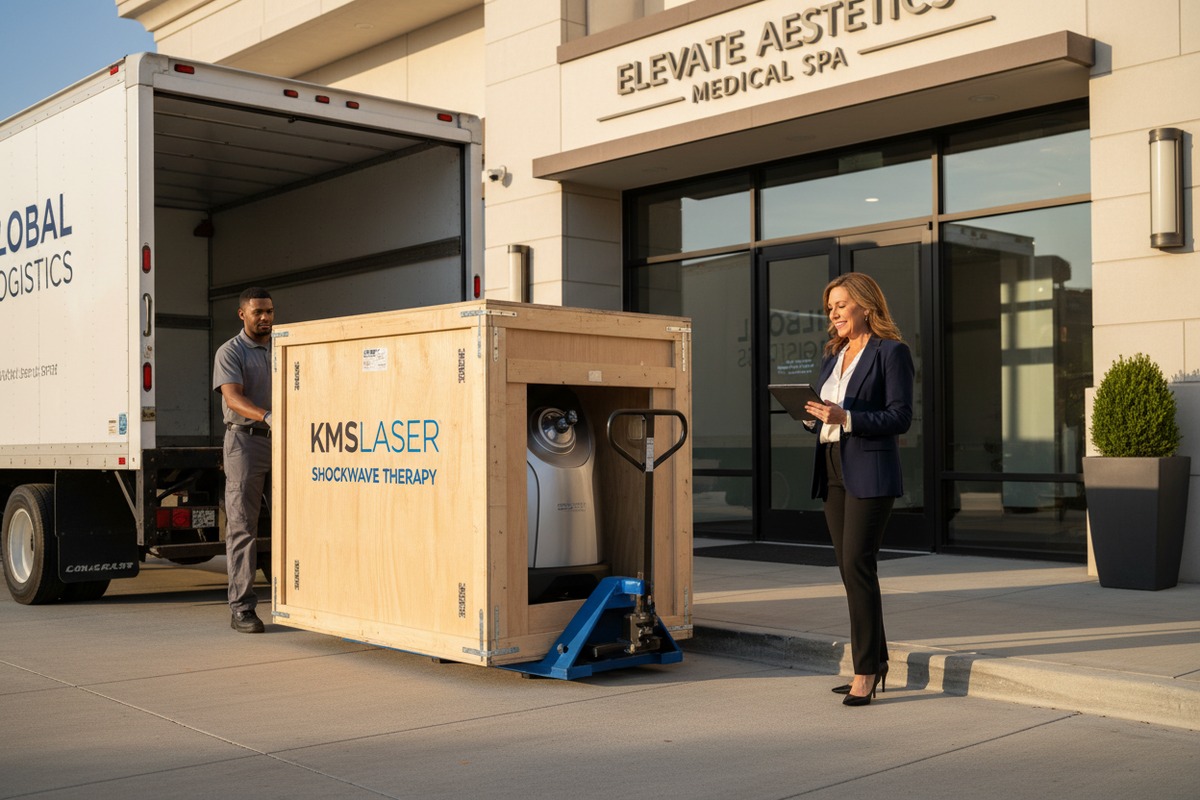
You should not assume any DDP shipment will arrive without delays. Port congestion, customs inspections, carrier scheduling, and local delivery logistics all create potential holdups. Build minimum two-week buffer time into your inventory planning. Maintain regular communication with your supplier and request tracking updates at each transit milestone.
Why Delays Happen in DDP Shipments
DDP logistics involve multiple handoffs between different parties. Each transition point creates delay risk.
At origin, production schedules shift. Quality control may flag issues requiring rework. Export customs clearance depends on document accuracy and inspection queues. Ocean freight schedules change based on port congestion, weather, and carrier capacity.
At destination, your shipment enters another customs process. Medical devices often receive extra scrutiny. Inspectors may request additional documentation or physical examination. After customs release, domestic transportation schedules affect final delivery.
Each stage adds potential days or weeks to your timeline.
Setting Realistic Expectations
| Shipping Method | Typical Transit Time | Delay Buffer to Add |
|---|---|---|
| Air Freight | 5-10 days | 5-7 days |
| Sea Freight (FCL) | 25-40 days | 14-21 days |
| Sea Freight (LCL) | 35-50 days | 21-28 days |
| Rail (China to Europe) | 18-25 days | 10-14 days |
These ranges reflect our experience shipping shockwave therapy machines to North America and Europe. Your specific route may vary.
Communication Protocols That Work
Establish clear communication expectations before your shipment departs. Ask your supplier which tracking systems they use. Request milestone notifications: when the shipment leaves the factory, when it clears export customs, when it boards the vessel, when it arrives at the destination port, when it clears import customs, and when it dispatches for final delivery.
At our company, we send clients weekly updates during transit and daily updates once the shipment reaches destination country customs. This frequency keeps buyers informed without overwhelming them.
If your supplier goes silent during shipping, problems may be developing. Proactive communication usually indicates a supplier who actively monitors their shipments.
Planning for Inventory Impact
Delays impact more than just your delivery schedule. Consider these downstream effects:
Your sales team may have promised equipment to clients. Your installation technician may have scheduled setup appointments. Your training sessions may be booked. Marketing campaigns may reference product availability dates.
Build contingency plans for each scenario. Identify backup equipment options. Prepare client communications explaining potential delays. Having plans ready reduces stress when delays occur—and they will occur eventually.
When Delays Become Unacceptable
Sometimes delays signal deeper problems. Extended customs holds may indicate documentation errors or compliance issues. Repeated schedule changes may reflect supply chain problems your supplier has not disclosed.
Set clear thresholds. If your shipment exceeds estimated delivery by more than three weeks, escalate communication to management level. Request detailed explanations with documentation. Consider whether the relationship should continue for future orders.
Reliable suppliers acknowledge problems quickly and provide solutions. Unreliable suppliers make excuses and avoid specifics.
Conclusion
DDP purchasing offers convenience but carries real risks that require active management. Protecting your shockwave therapy machine investment means verifying costs, documenting deliveries, confirming compliance, and planning for delays. Work with suppliers who communicate transparently and provide complete documentation. Your diligence today prevents costly problems tomorrow.
Footnotes
1. Explains the Incoterm DDP, where the seller assumes all risks and costs. ↩︎
2. Replaced with a detailed guide on demurrage charges from Trade Finance Global. ↩︎
3. Details the Harmonized System (HS) code used for classifying goods in international trade. ↩︎
4. Provides an overview of shockwave therapy machines, their uses, and benefits. ↩︎
5. Replaced with an explanation of the importer of record role from a logistics provider. ↩︎
6. Provides a broad definition and classification of medical devices. ↩︎
7. Describes the FDA’s 510(k) premarket submission process for medical devices. ↩︎
8. Replaced with information on CE marking for medical devices from BSI, a Notified Body. ↩︎
9. Defines the bill of lading as a crucial legal document in shipping. ↩︎



 English
 Español de México
 Deutsch
 Français
 العربية
 Русский
Join the Conversation
Have a question or insight to share? We read every comment — whether you're a distributor, salon owner, or just curious about the technology. Your real-world experience helps others make better decisions. Drop your thoughts below.