

Every week on our production floor, we see beauty machine buyers struggle with one hidden problem—air valve quality 1. Poor valves cause leaks, noise, and inconsistent pressure. They make your clients uncomfortable and damage your salon’s reputation manufacturer certifications 2. The core of every pressotherapy machine is its air valve system. Yet most buyers never check this critical component before placing an order.
To verify air valve brand and quality, request manufacturer certifications (CE, ISO 13485), demand third-party test reports (ISO 8573-1 compliance), inspect physical markings (brand engravings, batch codes), and require detailed quality control documentation including cycle testing data and air purity specifications. Always verify claims through independent sources, not just supplier statements.
This guide walks you through practical steps to authenticate air valve quality ISO 8573-1 compliance 3. You will learn what tests to demand, what documents to collect, and how to spot red flags. Let’s dive into each verification method.
How can I verify the actual brand and origin of the air valves in my custom order?
When our engineering team audits new component suppliers, we find that up to 30% of valve claims are exaggerated or false. Counterfeit parts flood the market. Many suppliers substitute generic valves for premium brands without disclosure. This hurts your machine reliability and your business reputation.
Verify air valve authenticity by checking physical engravings and batch codes, requesting original manufacturer certificates, tracing supply chain documentation, and conducting visual inspection against official brand specifications. Cross-reference serial numbers with OEM databases when available.
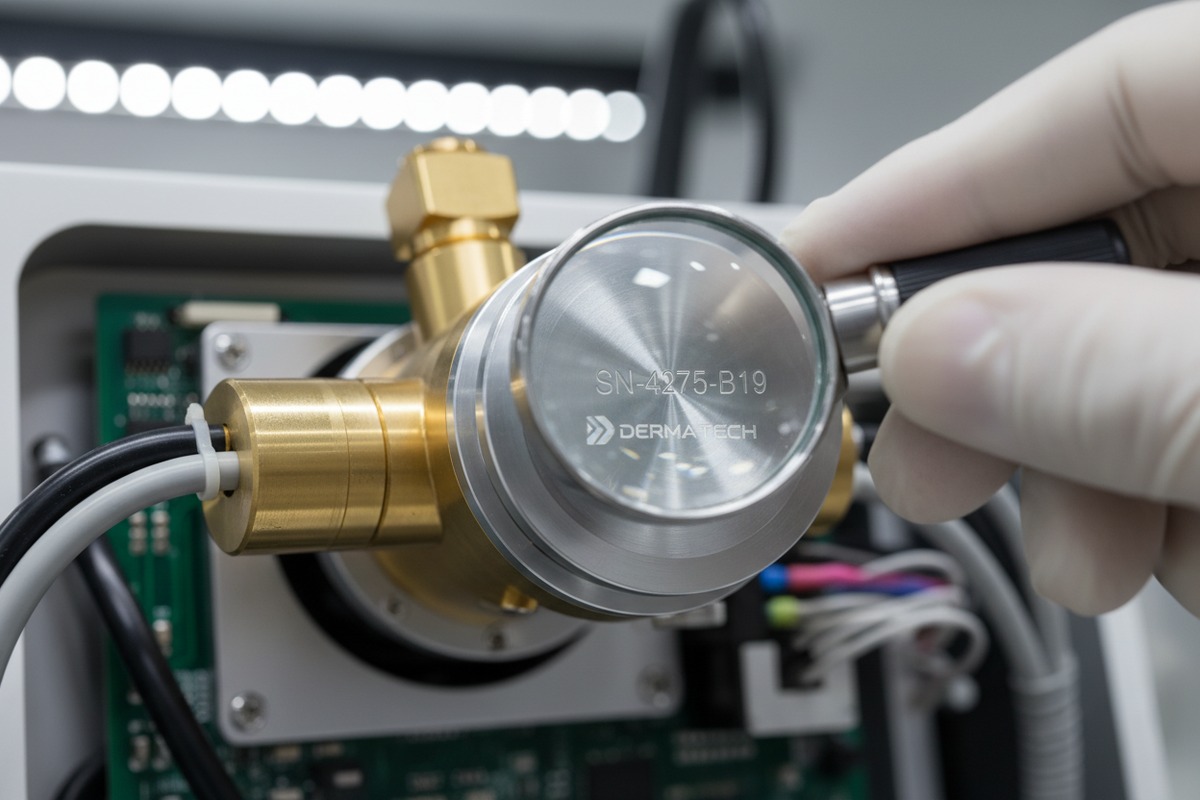
Physical Inspection Methods
Start with hands-on inspection. Genuine branded valves carry specific markings. Look for laser-etched logos, part numbers, and manufacturing dates. Quality brands like SMC, Festo, and Parker 4 use consistent marking standards.
Check the valve body finish. Premium valves have smooth, uniform surfaces. Look for casting marks or rough edges—these signal lower quality manufacturing. Examine connection fittings closely. Authentic parts use precision threading.
Documentation Verification Steps
Request the complete paper trail. This includes:
- Original manufacturer invoice showing valve model and quantity
- Certificate of Origin 5 from the valve manufacturer
- Material certificates for metal components
- Batch testing reports with specific lot numbers
Compare invoice dates with your order timeline. Valves should be recently manufactured for medical equipment applications.
Supply Chain Tracing
Ask your supplier where they source valves. Direct purchase from authorized distributors is best. Multiple intermediaries increase counterfeit risk. Request distributor authorization letters.
| Verification Method | What to Check | Red Flag Signs |
|---|---|---|
| Physical Marking | Laser engravings, batch codes | Printed labels, missing codes |
| Documentation | OEM invoices, certificates | Generic documents, no lot numbers |
| Supply Chain | Authorized distributor proof | Multiple intermediaries, vague sourcing |
| Visual Quality | Surface finish, threading | Rough surfaces, inconsistent finish |
Cross-Reference with Manufacturer
Contact the valve brand directly when possible. Many manufacturers maintain databases of authorized distributors. Some offer serial number verification services. This extra step catches sophisticated counterfeits.
What specific performance tests should I demand to ensure air valve stability and low noise?
During our quality control process, we run every valve through multiple tests before assembly. But we've learned that many suppliers skip essential testing. Without proper tests, you might receive valves that pass basic inspection but fail within months of salon use. Noise complaints and pressure inconsistencies follow.
Demand air tightness testing (bubble method or pressure differential), cycle response testing (inflation/deflation timing), noise level measurement at operating pressure, and ISO 8573-1 air purity testing. Request documented test results with specific pressure ranges, cycle counts, and ambient conditions recorded.

Air Tightness Testing
Air tightness is one of the most critical performances of pneumatic components. Even a tiny leak may cause system failure or energy waste. Therefore, after assembly, all pneumatic components must undergo rigorous air tightness testing 6.
Two primary methods exist:
The bubble method test puts the component in water, passes air at a certain pressure, and observes whether there are bubbles escaping to detect the leak point. The pressure difference test uses a high-precision gas detector to measure the air pressure change within a specified time.
Cycle Response Testing
Response speed determines treatment quality. Working pressure range tests ensure that the product can operate normally under nominal pressure. Response speed tests measure the opening and closing time of pneumatic components to ensure fast response. Cycle Response Testing 7
For pressotherapy applications, inflation and deflation cycles must be precise. Sequential compression depends on accurate timing. Slow valves create uncomfortable, ineffective treatments.
Noise Level Standards
Salon environments require quiet operation. IPC pumps operate quietly, creating a relaxing and serene recovery environment that is highly valued by both patients and caregivers.
Request noise measurements at operating pressure. Quality valves produce less than 50 dB during normal operation. Measure at multiple pressure settings to ensure consistent performance.
ISO 8573-1 Air Purity Compliance
The international standard ISO 8573-1:2010 is a compressed air quality specification that addresses contaminants by providing a range of purity classes for particles, water and oil.
ISO 8573-1:2010 is the international standard used by compressor and filter manufacturers and testing laboratories and is applied across manufacturing facilities to ensure high-quality compressed air. Within the multi-part standard, Part 1 classifies the contaminant type and provides air quality levels for each, while Parts 2 through 9 outline testing methods for measuring contaminants.
| Test Type | Method | Acceptable Result | Testing Frequency |
|---|---|---|---|
| Air Tightness | Bubble method | Zero visible leaks | Every production batch |
| Pressure Differential | Gas detector | <2% pressure drop in 5 min | Every production batch |
| Response Time | Digital timer | <100ms open/close | Sample testing |
| Noise Level | Sound meter at 1m | <50 dB at max pressure | Sample testing |
| Air Purity | ISO 8573-1 protocol | Class 2 or better | Quarterly |
Requesting Test Documentation
Demand detailed test reports, not summary statements. Reports should include:
- Test date and equipment used
- Ambient temperature and humidity
- Specific pressure settings tested
- Cycle counts completed
- Technician name and certification
How do I identify if the air valves used will withstand long-term, high-frequency salon usage?
Our factory runs accelerated life testing on all valve systems before client shipments. We simulate years of salon use in weeks. Yet many buyers accept valves without durability data. These valves often fail 6-12 months into service—right after warranties expire. Replacement costs and downtime hurt your profit margins.
Identify durable valves by requesting high-frequency cycle test data (minimum 100,000 cycles), checking seal material specifications (silicone or EPDM for longevity), reviewing manufacturer lifespan ratings, and confirming the valve design suits continuous daily use patterns typical in professional salons.

Understanding Cycle Life Ratings
High-frequency start-stop tests perform millions of opening and closing operations on pneumatic valves, cylinders, etc. to ensure that they can still work stably after long-term operation.
For salon pressotherapy machines, calculate expected cycles:
- Average treatment: 30 minutes
- Cycles per treatment: approximately 1,800 (1 cycle per second)
- Treatments per day: 8-12
- Daily cycles: 14,400-21,600
- Annual cycles: 5-8 million
Quality valves should be rated for at least 10 million cycles minimum.
Material Specifications for Longevity
The life expectancy of a ball valve is not a fixed number, but rather the result of several interdependent factors that influence performance over time. Although high-quality valves can operate effectively for decades, their durability is strongly affected by service conditions, the precision of installation and regular maintenance.
Request specific information about:
- Valve body material (aluminum alloy, brass, or engineering plastic)
- Seal material (silicone rubber lasts longer than standard rubber)
- Internal coating or treatment for wear resistance
Environmental Stress Testing
Extreme temperature tests simulate high or low temperature environments to test whether the components can still maintain sealing and stability under extreme climatic conditions.
Salons experience varying conditions. Air conditioning, humidity changes, and temperature fluctuations stress valve seals. Request test data showing performance across:
- Temperature range: 10°C to 40°C minimum
- Humidity range: 30% to 80% RH
- Continuous operation: 8+ hours daily
Signs of Durability-Focused Design
Look for these engineering features:
| Feature | Why It Matters | How to Verify |
|---|---|---|
| Double-seal design | Prevents leaks as primary seal wears | Request technical drawings |
| Self-lubricating materials | Reduces friction and wear | Check material specification sheet |
| Corrosion-resistant coating | Extends life in humid environments | Request coating certification |
| Modular construction | Allows seal replacement without full replacement | Inspect sample valve |
| Pressure compensation | Maintains performance as seals age | Review engineering specifications |
Maintenance and Replacement Considerations
Seals should be replaced when leak testing indicates degradation, typically every 2-5 years depending on operating conditions, or immediately if visible damage is observed.
Confirm your supplier offers:
- Replacement seal kits
- Individual valve replacements
- Clear maintenance schedules
- Technical support for troubleshooting
What quality control documentation should my manufacturer provide to guarantee air valve reliability?
In our export experience to US and European markets, documentation requirements have increased significantly. Buyers now request complete quality records before placing orders. This protects both parties. Without proper documentation, you have no recourse if valves fail. Manufacturers who resist providing documents often have something to hide.
Require ISO 13485 quality management certification, CE marking documentation with Notified Body details, incoming inspection records for valve components, batch test reports with specific measurements, and a clear calibration certificate trail for all testing equipment used during quality verification.
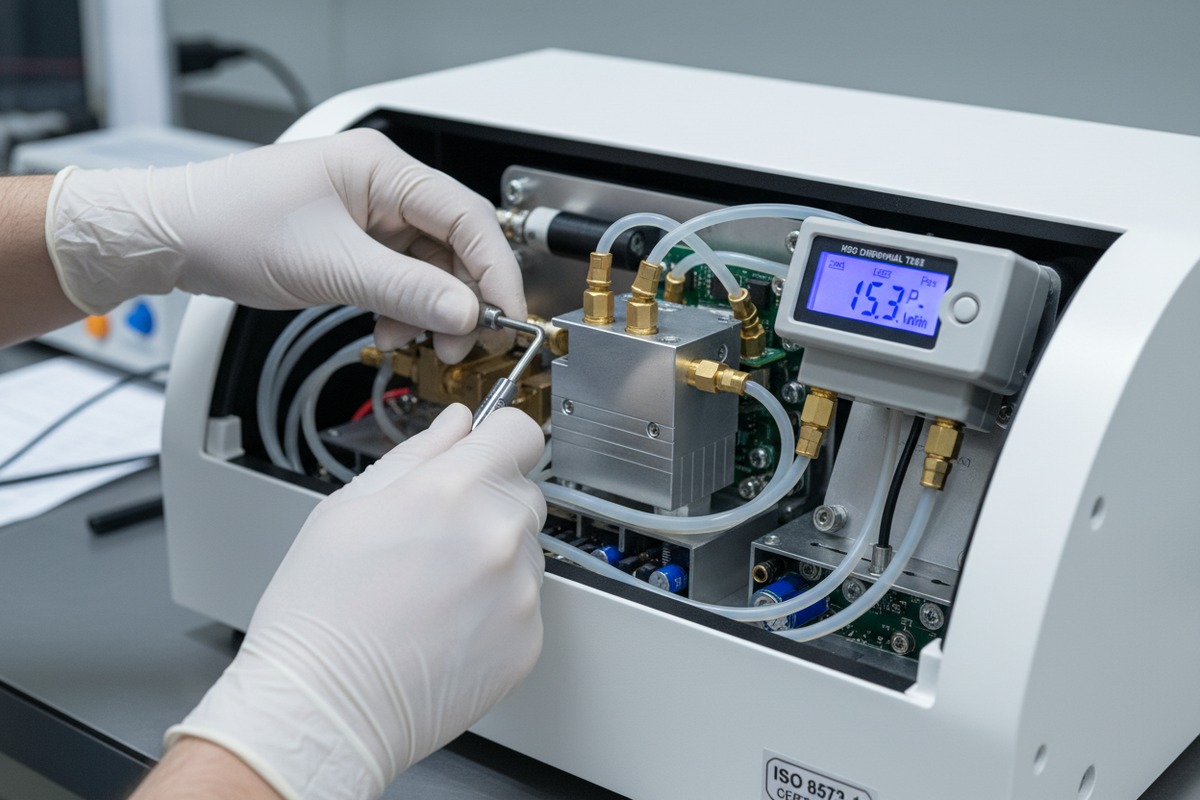
Essential Certification Documents
The overall process for CE Marking is similar, except the submission is made to a Competent Authority in one of the EU member states, and can only be achieved after your Quality Management System has been certified to be compliant to ISO 13485.
For medical-grade pressotherapy equipment, request:
CE Marking Documentation:
CE Marking is a mandatory requirement for medical devices to market in Europe. Medical Device category includes medical equipment, medical software, medical and surgical disposables. CE Marking is recognized worldwide as a symbol of quality. CE Marking Documentation 8
For a Medical Device manufacturer or Distributor, CE marking is the declaration that the product complies with all EU directives or regulations that apply to the medical device. CE marking does not imply that the product was made in the European Economic Area, but it states that the product is complying with the requirements. By affixing the CE marking, the manufacturer indicates responsibility for conformity.
FDA Registration (for US market):
This is to ensure all medical devices that are supplied to the United States are safe and effective. FDA certification for medical devices is mandatory for medical device manufacturers that want to sell their products in the United States.
Quality Management System Records
The FDA will use a checklist to determine if you have every type of document they require. They want to see that you followed good manufacturing practices for medical devices—a very specific design process, strong quality control, and have strong systems in place.
Request these internal quality records:
| Document Type | What It Shows | Why You Need It |
|---|---|---|
| Incoming Inspection Report | Valve components tested upon receipt | Confirms supplier quality control |
| In-Process Inspection | Testing during assembly | Shows production quality standards |
| Final Inspection Report | Complete machine testing | Verifies delivery-ready quality |
| Calibration Certificates | Test equipment accuracy | Ensures valid test results |
| Non-Conformance Records | How defects are handled | Reveals quality culture |
Third-Party Testing Requirements
In GMP-regulated environments (pharmaceutical, food, medical device), third-party testing is expected. Regulators (like FDA auditors) often expect compressed air test results from accredited third-party laboratories.
Self-certification has limits. In some operations third-party verification is required that cannot be completed by in-house personnel, so third-party contractors must be qualified, certified and able to provide insight and guidance.
Ask for third-party test reports from accredited laboratories. These provide independent verification of manufacturer claims.
Traceability Documentation
Maintaining detailed maintenance records provides invaluable data for optimizing valve longevity strategies. Document all inspection results, maintenance actions, component replacements, and performance test data. This information helps identify patterns that can predict future maintenance needs and optimize replacement schedules.
Your supplier should provide:
- Batch tracking for all valve components
- Serial number registry linking valves to specific machines
- Test data linked to individual serial numbers
- Supply chain documentation for component origins
Red Flags in Documentation
Watch for these warning signs:
- Generic certificates without specific product references
- Missing Notified Body numbers on CE documentation
- Test reports without calibration certificate references
- Incomplete batch records or gaps in serial numbers
- Resistance to providing documentation upon request
Conclusion
Verifying air valve quality protects your investment and reputation. Request complete documentation, demand specific test results, and inspect physical components carefully. Quality manufacturers welcome scrutiny—they have nothing to hide. Take time to verify before you order, not after problems appear in your salon.
Footnotes
1. Explains how air pressure in pressotherapy stimulates the lymphatic system and improves circulation. ↩︎
2. Provides a guide to essential certifications for medical device manufacturers. ↩︎
3. Details the international standard for compressed air quality, classifying contaminants. ↩︎
4. Official website of a leading manufacturer of pneumatic components. ↩︎
5. Explains what a Certificate of Origin is and its role in international trade. ↩︎
6. Describes common methods for detecting leaks in pneumatic components. ↩︎
7. Explains how solenoid valve response time is measured and its importance. ↩︎
8. Provides official information on CE marking and medical device regulation in the EU. ↩︎
9. Defines the international standard for quality management systems in the medical device industry. ↩︎

 English
 Español de México
 Deutsch
 Français
 العربية
 Русский
