
When I first started our production line for pressotherapy machines 1 in Guangzhou, I quickly learned that not all suppliers operate with the same level of transparency. A single refurbished air pump 2 can lead to pressure inconsistencies, customer complaints, and warranty headaches that damage your brand.
To detect refurbished parts in your pressotherapy machine, check for mismatched serial numbers, faded component labels, signs of prior use like discoloration or patching, unusually short warranties, and missing OEM markings. Request detailed part histories and test for leaks or uneven pressure during inspection.
In this guide, I will walk you through the exact methods our quality control team 3 uses to verify component authenticity. You will learn to spot visual red flags, conduct hands-on tests, and audit your manufacturer’s supply chain before placing your next order.
How can I tell if the internal air pumps in my pressotherapy machine are actually refurbished?
Our engineers have disassembled hundreds of pressotherapy units over the years, and we have seen firsthand how some suppliers try to pass off used air pumps as new. This practice puts your clients at risk and your reputation on the line.
Look for wear marks on the pump housing, check serial number consistency with the main unit, listen for unusual noises during operation, and inspect electrical connections for signs of previous soldering. A refurbished pump often shows dust buildup in hard-to-clean areas and may have faded manufacturer labels.
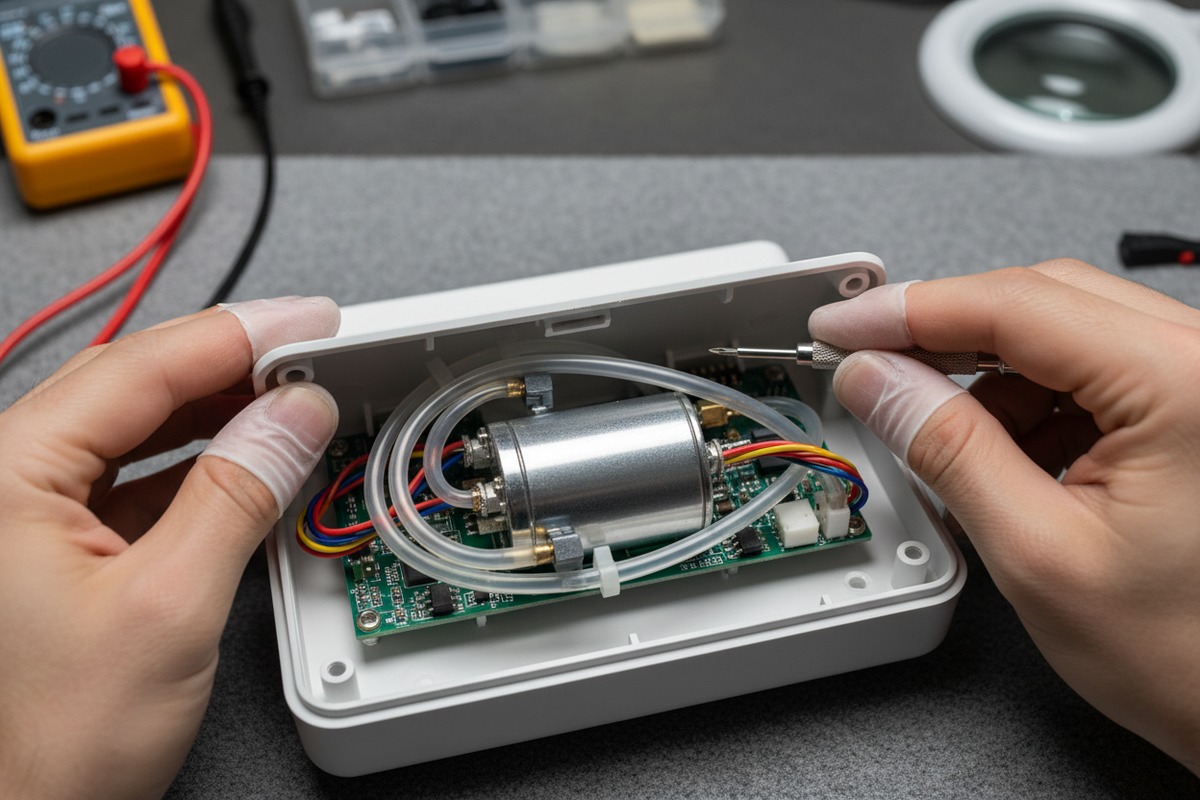
Understanding the Air Pump's Role
The air pump is the heart of any pressotherapy machine. The pressotherapy equipment 4 includes a central unit with compressor, which will be responsible for pumping the air through different tubes to the different cells of each specific accessory. When this component fails or underperforms, your entire treatment loses effectiveness.
Physical Inspection Checklist
Before accepting delivery, examine the pump carefully:
| Inspection Point | New Pump | Refurbished Pump |
|---|---|---|
| Housing surface | Uniform finish, no scratches | Visible wear marks, buffing lines |
| Serial number plate | Clear print, matching records | Faded text, mismatched numbers |
| Electrical connectors | Factory-sealed appearance | Signs of resoldering or oxidation |
| Internal dust | Minimal to none | Accumulated dust in crevices |
| Label condition | Crisp printing, intact adhesive | Worn edges, peeling corners |
Sound and Performance Tests
When you power on the machine, pay close attention to the pump's behavior. A new pump should produce a consistent, quiet hum. Being at home, I use the device while sitting with my loved ones and nobody complains about the noise. I have had massage sessions in public places (airport, beach bar) and nobody paid any attention to the fact that the device made noise.
A refurbished pump may produce:
- Grinding or rattling sounds
- Inconsistent pressure output
- Longer warm-up times
- Unusual vibrations
Documentation Verification
Request the following from your supplier:
- Original manufacturer invoice 5 for the pump
- Production date and batch number
- Testing certificates
- Warranty documentation
We have manufactured pressotherapy machines for 22+ years. Our excellent manufacturing process and strict quality inspection ensure a low failure rate of the machine. Any reputable manufacturer should be able to provide complete documentation for every critical component.
What visual red flags should I look for to confirm my supplier used brand-new components?
During our quality control inspections, our team follows a strict visual assessment protocol. We have caught countless attempts to substitute used parts by knowing exactly what to look for.
Key visual red flags include faded or reattached labels, mismatched colors between components, visible wear patterns on connection points, signs of cleaning or polishing to hide use, and packaging inconsistencies. New components have uniform appearance, intact factory seals, and crisp manufacturer markings.

Label and Marking Inspection
Component labels reveal a great deal about authenticity. New parts feature labels with:
- Sharp, clear printing
- No adhesive residue around edges
- Consistent placement
- Complete information including date codes
Finally, we suggest that regulatory guidelines 6 pertaining to the import, sale, labelling and use of a refurbished medical product are needed, and authorities should implement these guidelines to ensure a high quality and safety standard of refurbished devices.
Component Appearance Analysis
| Component | New Condition Signs | Refurbished Warning Signs |
|---|---|---|
| Air tubes | Uniform color, flexible | Discoloration, stiffness, repairs |
| Connectors | Clean threads, smooth operation | Scratched surfaces, difficult clicks |
| Bladders | Even texture, consistent color | Patches, uneven areas, faded zones |
| Control panel | Clear screen, responsive buttons | Worn button surfaces, display issues |
| Cuffs | Uniform stitching, intact fabric | Repair stitching, fabric wear |
Packaging Inconsistencies
Pay attention to how components arrive:
- Factory packaging should be unopened and intact
- Individual part boxes should match outer carton branding
- Protective films should be original, not reapplied
- Documentation should be crisp and properly folded
Connection Point Examination
Where components connect together shows the most wear. The machine includes a pump that inflates special garments, featuring three main functionalities: pneumatic compression, far-infrared, and EMS technology. Each connection point on these garments and the main unit should show no signs of previous insertion or removal.
Check specifically for:
- Scratches inside tube connection points
- Wear rings on male connectors
- Looseness in click-fit connections
- Thread damage on screw fittings
Material Quality Assessment
New materials have distinct characteristics:
| Material Type | New Quality | Degraded Quality |
|---|---|---|
| Silicone tubes | Clear, flexible, odorless | Yellowed, stiff, chemical smell |
| Fabric cuffs | Consistent texture, bright color | Pilling, faded spots, stretched areas |
| Plastic housing | Glossy finish, uniform color | Matte spots, color variation |
| Metal fittings | Bright, corrosion-free | Oxidation, pitting, discoloration |
Why is my new pressotherapy machine losing pressure or making unusual mechanical noises?
We receive calls from distributors asking about pressure loss issues more often than you might expect. In our experience exporting to the US and Europe, we have traced most of these problems back to component quality issues.
Pressure loss typically results from worn seals, damaged bladders, or compromised air tube connections. Unusual mechanical noises often indicate refurbished pumps, worn valves, or misaligned components. These symptoms suggest your machine contains used parts that cannot maintain the required performance standards.

Common Causes of Pressure Loss
Pressure issues in pressotherapy machines usually stem from these sources:
The pressotherapy treatment is a computer-controlled compression device that utilizes pumps to inflate the suit's individual chambers with air that is strategically placed around the body. When any part of this system fails, pressure consistency suffers.
Systematic Troubleshooting Approach
| Symptom | Likely Cause | Inspection Method |
|---|---|---|
| Slow inflation | Worn pump, leaking tubes | Time inflation cycle, check connections |
| Uneven pressure | Chamber leaks, blocked valves | Individual chamber pressure test |
| No pressure buildup | Major leak, pump failure | Listen for air escape, check pump operation |
| Pressure drops during cycle | Seal degradation, tube cracks | Visual inspection while pressurized |
| Gradual pressure decline | Minor leaks, worn bladders | Soap bubble test on connections |
Mechanical Noise Analysis
Different sounds indicate different problems:
Grinding noise: Suggests worn pump bearings or internal contamination from prior use.
Rattling: May indicate loose internal components or damaged mounting hardware.
Hissing: Points to air leaks at connections, through damaged tubes, or from punctured bladders.
Clicking: Could signal valve issues or electrical relay problems.
Conducting Pressure Tests
Our quality control team uses this testing protocol:
- Connect all chambers and seal unused ports
- Set maximum pressure level
- Start inflation cycle and time to full pressure
- Monitor pressure gauge for 60 seconds
- Record any pressure drop
- Test each chamber individually
A new machine should reach full pressure within specifications and maintain it with less than 5% drop over one minute. The pressure can be adjusted from 30-240 mmHg with 16 levels. Any machine that cannot maintain pressure within these parameters likely has compromised components.
When to Suspect Refurbished Parts
Consider the possibility of refurbished components when:
- Problems appear immediately upon first use
- Multiple issues occur simultaneously
- Performance degrades faster than expected
- Symptoms match common wear patterns
No matter how sound such devices are in theory, the temptation to view refurbished devices, even those refurbished by the best suppliers, as failing more often or showing erratic performance, cuts across the entire manufacturing spectrum. These issues are usually addressed by high-quality refurbishing processes using a certified OEM source or trusted supplier.
How can I audit my manufacturer's supply chain to ensure my private-label machines aren't using used parts?
At our factory, we welcome supply chain audits from our partners because transparency builds trust. When we calibrate our quality systems, we document everything precisely so our clients can verify our processes.
Audit your manufacturer by requesting component traceability documents, conducting surprise factory visits, verifying sub-supplier certifications, reviewing quality control records, and checking for consistent serial number sequences. Implement third-party inspections and require detailed bills of materials for every production run.

Building an Effective Audit Framework
Prioritize audits based on risk assessments. High-risk suppliers or critical supply chain components should be audited more frequently.
Your audit framework should include:
| Audit Type | Frequency | Focus Areas |
|---|---|---|
| Document review | Every order | Component certificates, traceability records |
| Remote verification | Monthly | Production photos, video inspections |
| On-site inspection | Quarterly | Factory processes, inventory checks |
| Third-party audit | Annually | Full quality system assessment |
| Surprise visit | Random | Actual vs. documented practices |
Essential Documents to Request
When auditing your pressotherapy machine supplier, request:
- Component Purchase Orders: Verify suppliers source from authorized distributors
- Incoming Inspection Records: Check that components undergo quality verification
- Serial Number Logs: Ensure sequential numbering without gaps
- Supplier Certifications: Verify CE, ISO 13485 8, or other relevant certifications
- Warranty Claim Records: High claim rates suggest quality issues
We have a strictly quality inspection department. Our engineers will carefully check and test the machines many times before we deliver them to you. To make sure you can get the high quality machines, only the machines that have passed the strict quality inspection can be delivered to you.
Sub-Supplier Verification
The supply chain extends beyond your direct manufacturer. Verify:
- Air pump manufacturers and their certifications
- Fabric suppliers for compression garments
- Electronic component sources
- Plastic and metal part suppliers
Modern pharma/device supply chains can be incredibly complex, involving multiple tiers of suppliers spread across different countries. This complexity makes it challenging to maintain visibility and control over quality standards throughout the supply chain.
Third-Party Inspection Services
Consider engaging professional inspection services:
| Service Type | What They Verify | Best For |
|---|---|---|
| Pre-production inspection | Raw materials, components | Preventing issues early |
| During production inspection | Assembly quality, workmanship | Large orders |
| Pre-shipment inspection | Finished product quality | Every shipment |
| Factory audit | Quality systems, capacity | New supplier qualification |
Our product inspections can be performed on the site of production at any stage of the process, to ensure that manufacturing happens exactly to your specifications. In parallel, sample testing in our laboratories helps ensure your products abide to destination market's regulations.
Red Flags During Audits
Watch for these warning signs:
- Reluctance to provide component documentation
- Inconsistent inventory records
- Multiple component brands for same parts
- Unwillingness to allow factory visits
- Vague answers about supply sources
- Missing or incomplete test records
Contractual Protections
Include these clauses in your supplier agreements:
- All components must be factory-new unless explicitly agreed
- Full traceability documentation required for each shipment
- Right to conduct unannounced factory inspections
- Penalties for substitution of specified components
- Warranty obligations tied to component authenticity
Conclusion
Detecting refurbished parts requires vigilance, documentation, and systematic inspection. Protect your brand by implementing the verification methods outlined here. Partner with transparent manufacturers who welcome scrutiny and provide complete traceability for every component in your pressotherapy machines.
Footnotes
1. Provides a general definition and overview of pressotherapy. ↩︎
2. Explains the FDA’s perspective on remanufactured (similar to refurbished) medical devices. ↩︎
3. Provides information on ISO 9001, a fundamental quality management standard. ↩︎
4. Describes the general working principle and components of pressotherapy. ↩︎
5. Explains the concept of traceability, supported by manufacturer invoices. ↩︎
6. Provides an overview of general medical device regulation and guidance from the FDA. ↩︎
7. Explains the physiological process and benefits of lymphatic drainage. ↩︎
8. Details ISO 13485, the international standard for medical device quality management systems. ↩︎


 English
 Español de México
 Deutsch
 Français
 العربية
 Русский
Join the Conversation
Have a question or insight to share? We read every comment — whether you're a distributor, salon owner, or just curious about the technology. Your real-world experience helps others make better decisions. Drop your thoughts below.