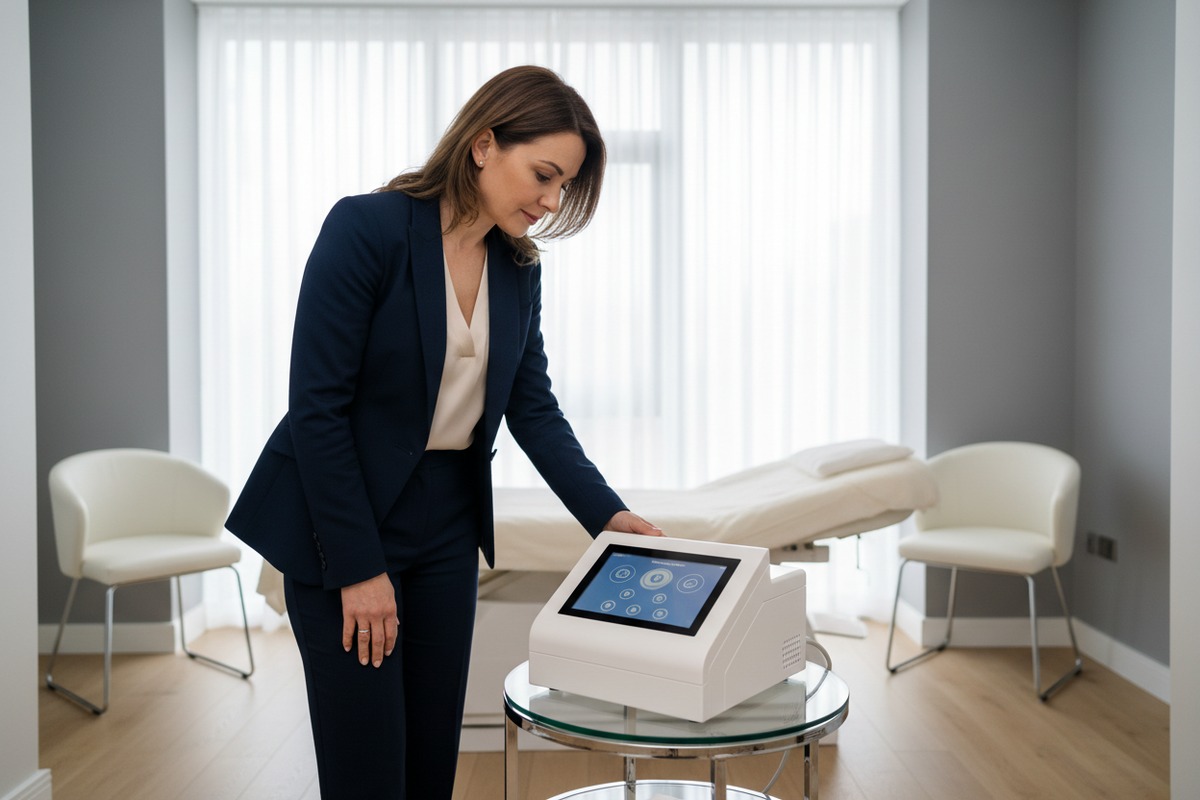
Managing a crowded warehouse can feel like a losing battle lymphatic drainage 1. Bulky equipment limits your inventory and slows down your logistics. Our production team focuses on solving this footprint crisis for you.
Pressotherapy machine footprints significantly impact efficiency by determining storage density, shipping costs, and salon usability. Compact designs (approx. 0.2m²) allow for higher inventory turnover and easier integration into small treatment rooms, while modular accessories ensure comprehensive therapy without requiring excessive permanent floor space in professional settings.
Understanding how physical dimensions translate into business profit is essential for any purchasing manager looking to scale their brand effectively CBM (Cubic Meters) 2.
How can I optimize my warehouse storage based on the pressotherapy machine's physical footprint?
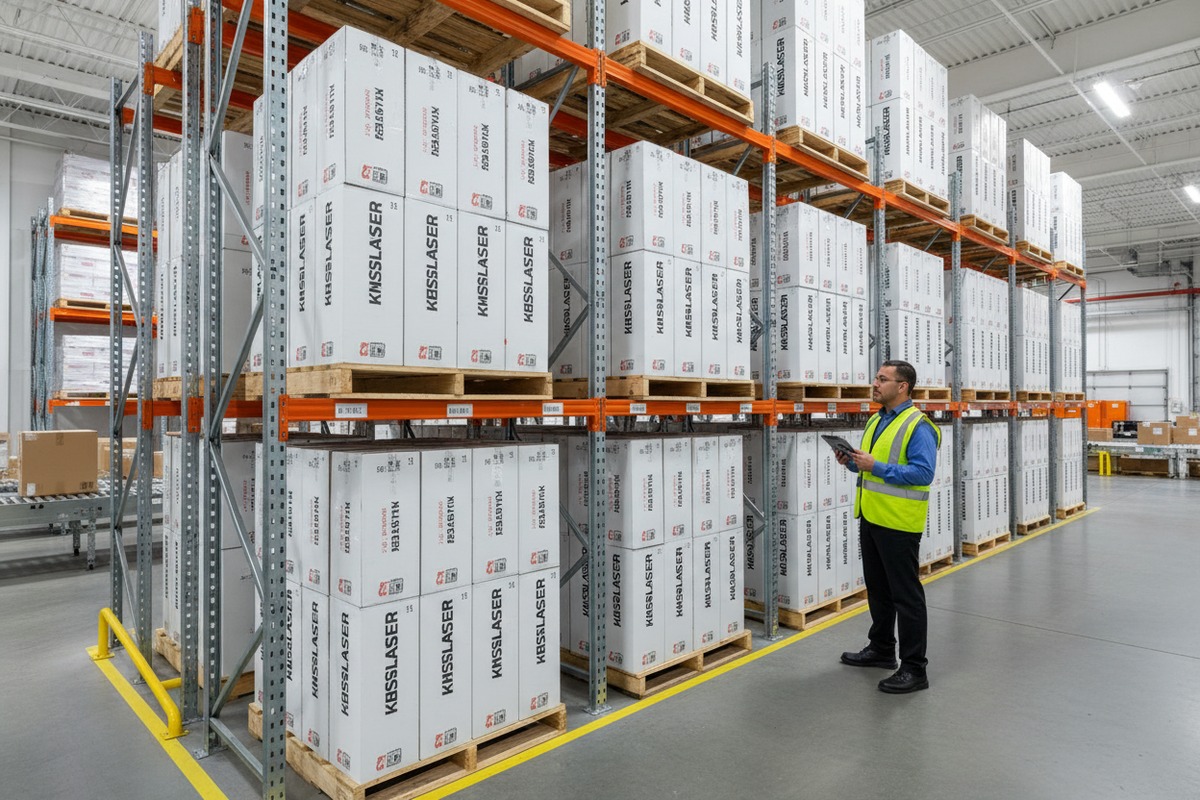
Wasted warehouse space is a silent profit killer for distributors high-density racking 3. Our engineers design packaging that eliminates "shipping air," ensuring every cubic foot of your facility generates revenue through smarter stacking.
Optimize warehouse storage by selecting machines with stackable packaging and modular components. Standardizing box sizes to fit 40×48-inch pallets reduces wasted vertical space. Utilizing high-density racking for compact 15lb control units can increase your storage capacity by up to 40% compared to non-modular systems.
The Geometry of Warehouse Efficiency
In our factory, we view the pressotherapy machine not just as a medical device 4, but as a unit of volume that must be managed 40×48-inch pallets 5. The footprint of the machine determines how many units can be safely stored per square meter. When you are importing hundreds of units, a difference of just 5 centimeters in width can mean the difference between fitting three units across a shelf or only two.
We recommend focusing on the "Box-to-Product Ratio." A high-end machine that comes in an oversized box is a liability in a high-rent warehouse environment. Our R&D team has transitioned many of our mid-sized models from bulky, square boxes to slimmer, reinforced cartons that support higher vertical stacking. For example, a unit with a 56x37x37cm footprint is much harder to palletize than a modern, nested design of 37x36x16cm.
Stacking and Palletization Strategies
When we assist our clients with logistics planning 6, we look at the gross weight versus the physical volume. Heavier machines (up to 25kg gross) require more stable floor area and cannot be stacked as high without specialized racking. Conversely, our ultra-compact 2kg compressors can be stored on higher, lighter-duty shelves, freeing up prime floor space for heavier laser equipment.
| Machine Category | Control Unit Size (mm) | Gross Weight (kg) | Storage Efficiency Rating |
|---|---|---|---|
| Ultra-Compact (Portable) | 245 x 150 x 90 | 1.5 – 2.5 | Excellent (High Stacking) |
| Standard Desktop | 370 x 360 x 160 | 6.0 – 8.5 | Good (Moderate Stacking) |
| Professional Integrated | 560 x 370 x 370 | 20.0 – 25.0 | Average (Low Stacking) |
Modular Accessory Management
A common mistake is failing to account for the accessories. The cuffs, hoses, and cases for a 24-chamber system take up more space than the compressor itself. We suggest private-label brands use modular garment bags. By separating the leg cuffs from the main unit in your storage layout, you can utilize "dead space" on shelves that are too short for the main compressor units. This "kit-based" storage approach allows for more flexible inventory picking and packing.
Can I customize the equipment size to help my salon clients maximize their treatment room efficiency?
Salon owners often reject equipment that creates clutter. We constantly hear about cramped treatment rooms, so we've developed slimline molds that maximize their existing floor space without sacrificing pressure power.
Yes, customization allows for tabletop units or slim-profile towers that minimize floor occupancy. By reducing the compressor’s base area and utilizing integrated hose management, you enable salon clients to offer lymphatic drainage even in rooms as small as 80 square feet without compromising movement.

Designing for Small Treatment Rooms
In our experience working with US and European salon distributors, the treatment room is a precious resource. A typical facial or massage room is often only 8×10 feet. If a pressotherapy machine has a large footprint, the technician cannot move freely around the client. This is why we focus on "verticality" in our custom ODM designs. By moving the internal components into a taller, narrower chassis, we reduce the footprint from 0.5m² to less than 0.2m².
Tabletop vs. Floor-Standing Models
The choice between a tabletop unit and a floor-standing unit is critical for efficiency. Tabletop units (like our 260x180x130mm models) can sit on existing trolleys or counters, requiring zero additional floor space. However, floor-standing units often include built-in storage for the compression suits. We help our clients decide which is better based on their specific market. If your target salons already have plenty of counter space, a compact tabletop unit is the winner.
Efficiency Comparison by Design
| Design Type | Floor Space Occupied | Storage Advantage | Best For |
|---|---|---|---|
| Tabletop Standard | ~0.10 m² | Can be tucked in a drawer | Multi-purpose rooms |
| Slim Vertical Tower | ~0.15 m² | Small footprint, built-in suit hooks | Dedicated lymphatic clinics |
| Wide Horizontal Unit | ~0.35 m² | Stable, easy to read screen | High-volume medical centers |
Integrated Suit Management
The biggest "space hog" in pressotherapy isn't the machine—it's the suit. A full-body 24-chamber suit is bulky. In our recent design iterations, we’ve included integrated hangers and folding zones. This allows the salon to hang the suit on the back of a door or on a slim rack when not in use. Customizing the machine to include a "suit dock" can make a 10-minute cleanup time turn into 2 minutes, increasing the number of clients a salon can handle per day. This is a huge selling point for your brand.
How does the machine's footprint impact my international shipping costs and container space?
Rising freight costs are eating into your margins. When we plan our export schedules, we analyze how a few centimeters of machine width can impact your entire container budget and landed cost.
The footprint dictates the CBM (Cubic Meters) per unit, directly affecting freight costs. Shifting from a 56x37x37cm box to a nested 37x36x16cm design can double the units per 40HC container, effectively halving your per-unit shipping expense and significantly boosting your landed profit margins.
The High Cost of Shipping Air
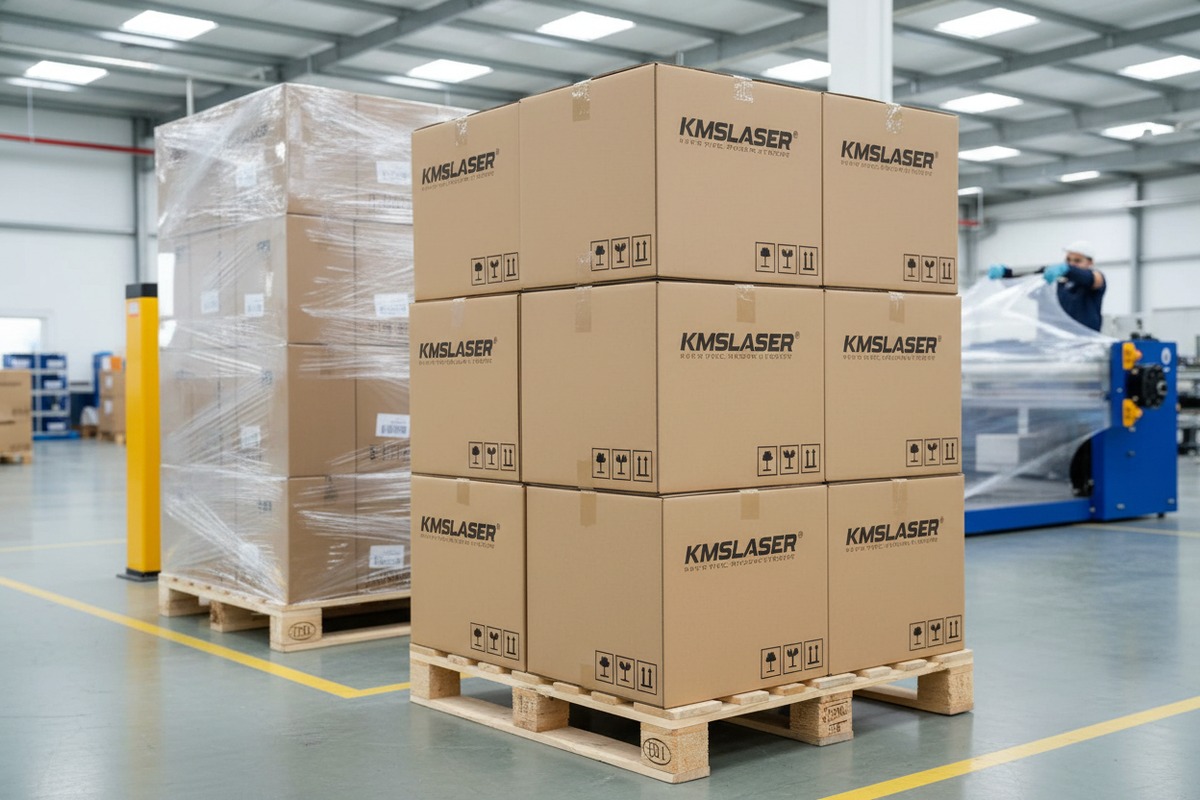
In the world of B2B international trade, you are often paying for volume rather than weight. A pressotherapy machine is relatively light (2kg to 15kg) but can be very voluminous. When we develop private-label products, we perform "container loading simulations 7." If the machine's footprint is slightly too wide, we might lose an entire row of products in a 40-foot High Cube container. That could mean 40 fewer machines per shipment, increasing the freight cost per unit by $15 to $30.
CBM Optimization and Nesting
We encourage our buyers to consider "nesting" strategies. For example, can the power cords and smaller arm cuffs be packed inside the torso garment? By using the hollow spaces within the product itself, we can reduce the external box dimensions. This doesn't just save space; it also protects the components during transit. Lighter, more compact machines (like our VU-IPCU8 model) allow you to fit more than 1,000 units in a single container, whereas older, bulkier models might limit you to 300.
Container Loading Capacity Analysis
| Machine Model Type | Units per 20GP Container | Units per 40HC Container | Shipping Cost Impact |
|---|---|---|---|
| Ultra-Portable (Small Footprint) | 850 | 1,900 | Very Low (High Margin) |
| Standard Desktop (Mid Footprint) | 400 | 950 | Moderate |
| Full-Body Pro (Large Footprint) | 120 | 280 | High (Lower Margin) |
Impact on LCL vs. FCL
If you are a smaller distributor buying Less than Container Load (LCL) 8, the footprint is even more critical. LCL rates are strictly based on CBM. A machine with a footprint of 0.2m³ will cost double to ship compared to one with 0.1m³. By working with us to optimize the packaging footprint, you can effectively lower your barrier to entry for new markets by keeping your initial shipping investment low. This allows you to test more models with less financial risk.
What dimensions should I prioritize to ensure my private-label machines fit standard US salon floor plans?
Mismatched equipment sizes lead to messy salon layouts and client frustration. Our design team studies standard US furniture heights to ensure our private-label machines fit perfectly within professional American wellness environments.
Prioritize a width under 15 inches and a height under 22 inches to ensure units fit beneath standard US salon countertops. Compact control units (approx. 10x6x4 inches) are ideal for mobile therapists, while 24-chamber pro-models should maintain a slim vertical profile for corner placement.
Standardizing for the American Market
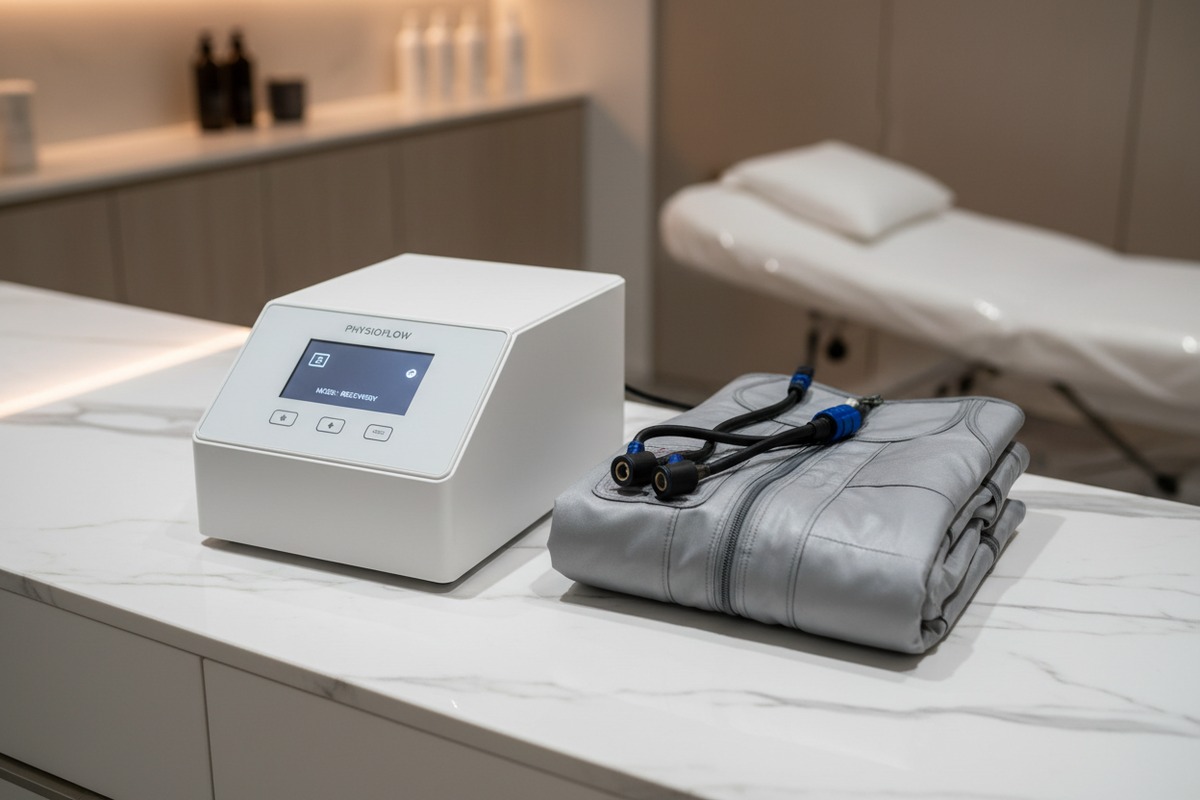
When we export to the United States, we have to consider that many salons use standardized cabinetry from suppliers like IKEA or specialized salon furniture brands. Most US salon "trolleys" have a top surface of roughly 16×16 inches. If your machine's footprint is 18 inches wide, it will hang over the edge, creating a safety hazard and looking unprofessional. We recommend a "safety margin" of at least 2 inches on all sides.
Mobile Therapy and Portability Footprints
The rise of mobile wellness services in the US has changed the demand for footprint. A machine that fits in a standard FAA-approved carry-on bag is a massive advantage for mobile therapists. Our 245x150x90mm units are designed specifically for this. They occupy almost no floor space—they can be placed on a bedside table or even the floor next to the client's feet. For your private label, emphasizing these dimensions in your marketing can attract the growing segment of independent contractors.
US Salon Compatibility Checklist
- Countertop Height: Ensure the machine is under 30 inches if it needs to sit on a desk.
- Under-Counter Storage: Ensure the unit is under 22 inches tall to fit under standard salon sinks or cabinets.
- Weight for Trolleys: Keep the unit under 20 lbs to ensure it doesn't tip standard plastic salon carts.
- Cord Management: The "footprint" includes the reach of the power cord; a 6-foot cord is standard for US outlets.
High-Volume Stationary Use
For high-end medical spas in cities like New York or Los Angeles, space is extremely expensive. These clients prefer "all-in-one" systems where the garments and the compressor are housed in a single vertical unit. Even if the machine is taller, its footprint on the floor remains small (around 1.5 square feet). This allows them to fit two pressotherapy stations in a single large room, effectively doubling their revenue per square foot. When you are buying for these clients, prioritize "Base Area" over "Total Height."
Conclusion
Optimizing the footprint of your pressotherapy machines is a strategic move that slashes shipping costs, maximizes warehouse density, and delights salon clients. Small, smart dimensions drive big profits.
Footnotes
1. Explains the medical procedure pressotherapy supports. ↩︎
2. Defines a key metric for international shipping volume. ↩︎
3. Describes a warehouse storage optimization technique. ↩︎
4. Classifies pressotherapy machines under regulatory context. ↩︎
5. Refers to a standard pallet size for warehouse efficiency. ↩︎
6. Provides context for managing product movement and storage. ↩︎
7. Describes a method for optimizing international shipping space. ↩︎
8. Explains a common shipping method for smaller volumes. ↩︎


 English
 Español de México
 Deutsch
 Français
 العربية
 Русский
Join the Conversation
Have a question or insight to share? We read every comment — whether you're a distributor, salon owner, or just curious about the technology. Your real-world experience helps others make better decisions. Drop your thoughts below.