

Working on our factory floor in Guangzhou, we see distributors arrive with big ambitions but leave empty-handed detailed business plan 1. Why? They fail to show why they deserve exclusivity. The pressotherapy market 2 is booming. Competition is fierce. Manufacturers like us receive dozens of exclusivity requests each month. Most lack substance. They offer vague promises instead of concrete plans. This creates frustration for both sides.
To negotiate exclusive distribution rights for pressotherapy machines, you must demonstrate strong market reach, commit to minimum order quantities, offer competitive payment terms, and present a clear business plan. Build trust through factory audits, define territories precisely, and include performance milestones that protect both parties in your agreement.
Winning exclusivity is not about luck. It is about preparation. Below, we break down the exact steps to secure exclusive territory rights from Chinese manufacturers. You will learn what clauses matter most, how to verify supplier quality, and how to combine exclusivity with private labeling.
How do I demonstrate my distribution strength to a Chinese manufacturer to win exclusive rights?
Our export team in Guangzhou reviews distributor applications daily. Most fail within the first email. They mention “great potential” but show no proof. They claim “extensive networks” but cannot name key customers. This approach never works. Manufacturers need evidence, not enthusiasm.
To win exclusive rights, present a detailed business plan with your current sales volume, customer list, market coverage map, and marketing budget. Include references from other brands you distribute, your warehouse capacity, and technical support capabilities. Quantify everything with real numbers.

Build a Compelling Distributor Profile
Your first step is creating a distributor profile document. This document should cover your company history, annual revenue, team size, and distribution channels. Include photos of your warehouse, showroom, and service center. Add customer testimonials if possible.
Assess financial stability, market knowledge and cultural fit before approaching manufacturers. They will do the same assessment on you. Strategic partnerships enable distributors to invest in inventory, marketing, and customer support without internal competition. Show you have the resources to make this investment.
Quantify Your Market Reach
Numbers speak louder than words. Create a spreadsheet showing:
| Metric | What to Include | Why It Matters |
|---|---|---|
| Annual Revenue | Past 3 years sales figures | Shows growth trajectory |
| Customer Count | Active accounts by segment | Proves market penetration |
| Geographic Coverage | Cities/states served | Defines territory scope |
| Sales Team Size | Technical staff numbers | Shows service capacity |
| Marketing Budget | Annual promotional spend | Demonstrates commitment |
North America 3 holds 38% market share of the pressotherapy systems market. If you target this region, show your coverage within specific states or cities. Be precise about your territory claims.
Present Your Marketing Plan
The exclusive distributor can focus all efforts on marketing and selling the company's products, leading to a more targeted approach to reaching potential customers. Manufacturers want partners who will actively promote their products.
Your marketing plan should include:
- Trade show participation schedule
- Digital marketing strategy
- Sales training programs
- Customer education initiatives
- After-sales support structure
Offer Meaningful Commitments
Distributor may want exclusivity because they have high start-up costs, they are taking the risk of working through bugs and market acceptance, or the product is hot and they think they are helping build the brand. So consider distributor perspective in negotiating.
From our factory's perspective, we grant exclusivity when distributors offer:
- Minimum annual purchase commitments (typically 50-200 units)
- Upfront deposit or prepayment arrangements
- Agreed marketing investment levels
- Performance milestones tied to continued exclusivity
What are the essential clauses I need in an exclusive distribution agreement for pressotherapy machines?
When we draft distribution agreements at our facility, we include clauses that protect both sides. Too often, distributors focus only on their own interests. They demand broad territories and long terms. They ignore performance requirements. This approach backfires. Balanced agreements last longer.
Essential clauses include: clearly defined territory boundaries, minimum purchase requirements with specific quantities, contract duration with renewal terms, termination conditions for underperformance, pricing structures with volume discounts, intellectual property protections, quality standards, warranty obligations, and dispute resolution mechanisms.
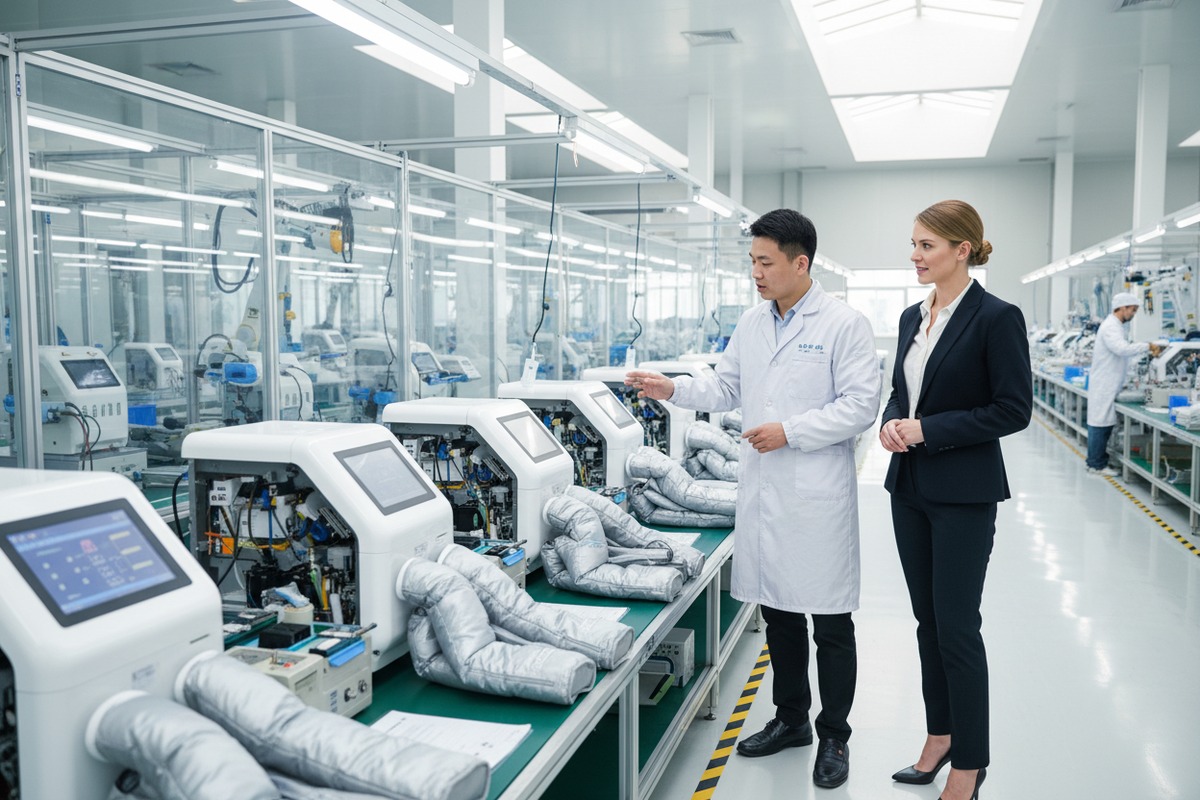
Territory Definition Clause
By defining exact territories where distributors hold sole rights, both parties gain clarity and avoid potential conflicts. This territorial clarity gives distributors the confidence to invest in their assigned markets.
Make sure that both parties understand exactly which countries, regions, and/or cities will be covered by the agreement before it is signed. This helps avoid potential conflicts down the line.
Your territory clause should specify:
| Territory Element | Description | Example |
|---|---|---|
| Geographic Boundaries | Exact regions covered | California, Arizona, Nevada |
| Market Segments | Customer types included | Med spas, physiotherapy clinics |
| Distribution Channels | Permitted sales methods | Direct sales, authorized resellers |
| Online Sales Rights | E-commerce permissions | Territory-specific website sales only |
Performance Requirements Clause
The parties agree that Customer shall be the exclusive reseller of the Products subject to Customer's satisfaction of the minimum performance requirements for each twelve-month period and quarterly period. In the event that Customer fails to achieve the applicable minimum performance requirement, Supplier reserves the right to terminate Customer's exclusivity.
Include these performance metrics:
- Annual minimum order quantities
- Quarterly purchase targets
- Market penetration milestones
- Customer satisfaction benchmarks
Pricing and Payment Terms Clause
Wholesale pricing structure, volume discounts, invoicing and payment timelines must be clearly documented.
Structure your pricing tiers:
| Order Volume | Discount Level | Payment Terms |
|---|---|---|
| 1-10 units | Base price | 30% deposit, balance before shipment |
| 11-50 units | 5% discount | 30/40/30 milestone payments |
| 51-100 units | 10% discount | Net 60 with credit approval |
| 100+ units | 15% discount | Quarterly settlement |
Termination and Exit Clauses
Termination clauses outline circumstances under which the agreement may be canceled, including breach of contract, insolvency or mutual consent.
Exiting an exclusivity agreement can be challenging and costly. It may require legal proceedings and negotiations, especially if there are disagreements between the parties.
Include clear terms for:
- Notice periods (typically 90-180 days)
- Inventory buyback provisions
- Transition assistance obligations
- Non-compete durations post-termination
Intellectual Property Protection Clause
Trademark and IP licensing defines how logos, trademarks and promotional assets may be used. Intellectual Property Protection Clause 4
Your IP clause should address:
- Trademark usage guidelines
- Marketing material approval processes
- Product modification restrictions
- Confidentiality obligations
How can I verify that a supplier's quality control is reliable enough for an exclusive long-term partnership?
From our production line experience, we understand why buyers worry about quality. One bad shipment can destroy your reputation. Your customers expect consistent performance from every pressotherapy unit. Before committing to exclusivity, you must verify that your Chinese supplier can deliver this consistency over years, not just during the first order.
Verify supplier quality through factory audits conducted by third-party inspectors, review ISO certifications and CE/FDA documentation, request detailed quality control procedures, examine defect rates from past production, order pilot samples for independent testing, and establish ongoing inspection protocols for production monitoring.
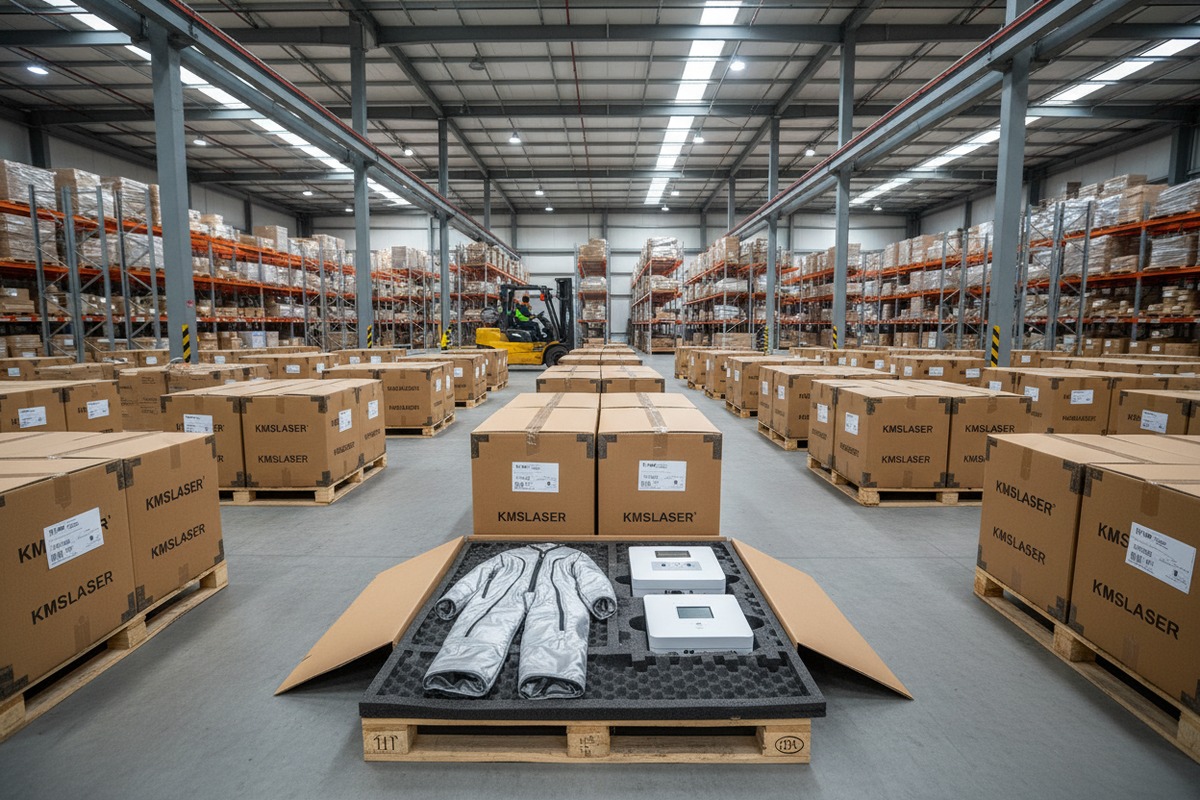
Conduct Third-Party Factory Audits
A factory audit is the most reliable way to confirm a manufacturer's legitimacy, quality control, and ethical practices. A 2024 QIMA report found that 59 percent of factories audited in China passed compliance reviews, showing that legitimate factories are willing to be transparent.
Audits typically cost between USD 250 and 400 and include a detailed report with photos.
Verify Certifications
Confirm certificates with issuing bodies such as SGS, TÜV, or Intertek. Avoid self-issued or template-style documents.
| Certification | Purpose | Verification Method |
|---|---|---|
| ISO 9001 | Quality management system | Contact issuing body directly |
| ISO 13485 | Medical device quality | Verify certificate number online |
| CE Marking 5 | European market compliance | Check through EU database |
| FDA Registration | US market access | Search FDA establishment database |
ISO 9001:2015 6 is a quality management system standard that supports the development of an organization toward customer satisfaction, continuous improvement, employee engagement, product quality, leadership commitment, and risk prevention. ISO 9001 audits are used to verify the quality management system of suppliers and assess their ability to deliver products matching client requirements.
Request Quality Control Documentation
Evaluating whether suppliers have the necessary infrastructure, capacity, and expertise to meet production requirements. Verifying the presence and effectiveness of quality control processes.
Ask for:
- Incoming material inspection procedures
- In-process quality checkpoints
- Final inspection protocols
- Defect tracking and corrective action records
- Calibration certificates for testing equipment
Implement Ongoing Inspection Protocols
Conduct pre-contract and regular audits to verify manufacturing capabilities and compliance with standards. Inspect products during production and before shipment to catch defects early.
Regular supplier audits and data from inspections help identify which Chinese suppliers consistently meet standards.
Sample Testing Strategy
Samples are your best line of defense before mass production. Order samples from multiple suppliers to compare quality and materials. Request official test reports for product safety and performance. Keep one approved "golden sample" as your quality benchmark.
For pressotherapy machines, test:
- Pressure accuracy and consistency
- Air chamber inflation timing
- Control system reliability
- Material durability under repeated use
- Safety shutoff functions
Can I secure exclusive territory rights while also using my own private label and custom machine designs?
Our R&D team in Guangzhou works with distributors who want more than just standard products. They want machines that carry their brand. They want features their competitors cannot match. This combination of exclusivity and private labeling is common in our industry. But it requires careful negotiation.
Yes, you can combine exclusive territory rights with private labeling and custom designs. Structure your agreement to include OEM/ODM terms, define intellectual property ownership for custom features, establish minimum order quantities for custom products, agree on tooling and development cost sharing, and protect your proprietary designs from being sold to competitors.
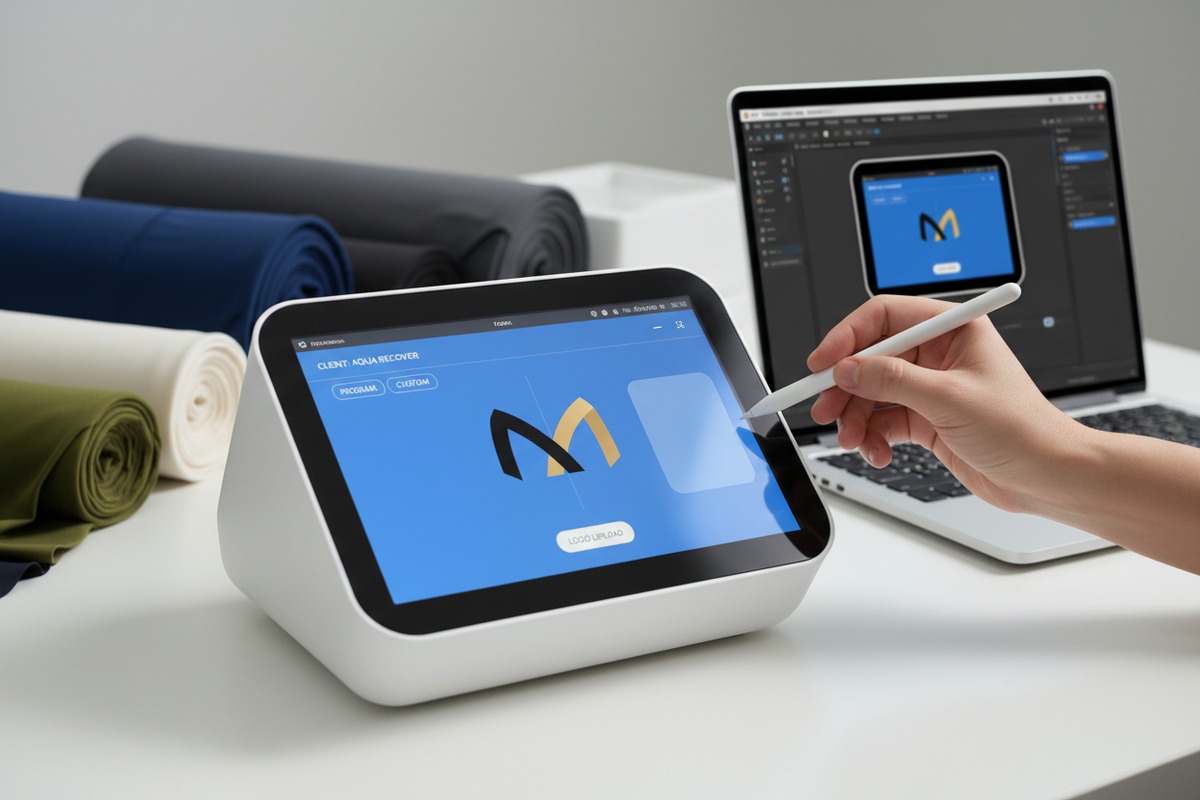
Understanding OEM vs Private Label Options
Original Equipment Manufacturer (OEM) 8 creates products based on your unique specifications, from formula to packaging, for exclusive branding. Process involves collaboration on development, testing, and production.
If you offer private label products, it's basically the same as white labelling except more exclusive. When you engage in a private label manufacturing contract with a client, you are offering your product to them exclusively for re-selling and you will likely offer a greater degree of customisation.
| Agreement Type | Customization Level | IP Ownership | Lead Time | Cost Level |
|---|---|---|---|---|
| White Label | Branding only | Manufacturer owns | 4-6 weeks | Low |
| Private Label | Branding + packaging | Shared ownership | 6-8 weeks | Medium |
| OEM | Full custom design | Customer owns design | 12-24 weeks | High |
| ODM | Modified existing design | Negotiated | 8-12 weeks | Medium-High |
Protecting Custom Design Investments
From a commercial standpoint, we wanted the changes to be exclusive to us. More precisely, we did not want the supplier to incorporate them into its own brand. The contract should define who owns the regulatory responsibility and the commercial rights to any design changes to the original device.
Include these protections in your agreement:
- Non-disclosure agreements covering all custom specifications
- Exclusive ownership of custom molds and tooling you pay for
- Restrictions on manufacturer selling similar designs to competitors
- First refusal rights on future design improvements
Structuring the Combined Agreement
Product Branding. Ciena shall promote, market, and sell the Products on a private-label basis, under Ciena's trade names, trademarks, and logos.
Your combined exclusivity and private label agreement should address:
| Component | Key Terms to Include |
|---|---|
| Territory Exclusivity | Defined regions where only you sell products |
| Product Exclusivity | Which models are exclusive vs standard |
| Design Ownership | Who owns custom modifications |
| Branding Rights | Logo placement, packaging control |
| Development Costs | Upfront fees, amortization, minimum orders |
| Quality Standards | Specifications for custom features |
Development Cost Considerations
OEM cost is higher, ranging from $20,000-$100,000 for R&D and initial runs of 1,000-10,000 units.
For pressotherapy machines, custom development costs typically include:
- Control software modifications: $5,000-$15,000
- Custom housing molds: $8,000-$25,000
- New compression chamber designs: $10,000-$30,000
- Regulatory certification for modifications: $3,000-$10,000
Negotiate cost sharing arrangements:
- Full upfront payment with lower unit pricing
- Amortized costs spread across minimum order commitment
- Partial payment with higher unit prices
Tiered Exclusivity Approach
Possibilities include time exclusivity, volume performance, upfront cash for orders, easy return policy, exclusivity for some but not all products, geographic exclusivity, higher discount, and stretched payment terms.
Consider a tiered structure:
| Tier | Territory | Products | Requirements |
|---|---|---|---|
| Tier 1 | Select states | Custom models only | $50,000 annual minimum |
| Tier 2 | Regional | Custom + standard | $100,000 annual minimum |
| Tier 3 | National | Full line exclusive | $250,000 annual minimum |
Conclusion
Securing exclusive distribution rights for pressotherapy machines requires preparation, proof, and partnership. The Pressotherapy Systems Market, valued at USD 181.9M in 2024, is projected to reach USD 223.5M by 2030, growing at a 3.5% CAGR. This growing market offers real opportunities for committed distributors. Demonstrate your capabilities with data. Include balanced clauses that protect both parties. Verify quality before signing. Combine exclusivity with private labeling for competitive advantage.
Footnotes
1. Outlines essential components and guidance for creating a comprehensive business plan. ↩︎
2. Provides current market size, growth projections, and key drivers for the pressotherapy systems market. ↩︎
3. Offers a general overview of the economic landscape and demographics of North America. ↩︎
4. Provides examples of intellectual property ownership clauses in distribution agreements. ↩︎
5. Provides official information on CE marking requirements for products in the European Economic Area. ↩︎
6. Explains the ISO 9001:2015 standard and its role in quality management systems. ↩︎
7. Details different types of factory audits and their importance in supplier assessment. ↩︎
8. Defines Original Equipment Manufacturer (OEM) and its role in various industries. ↩︎
9. Explains what an exclusive distribution agreement entails and its key clauses. ↩︎

 English
  Español de México
  Deutsch
  Français
  العربية
  Русский