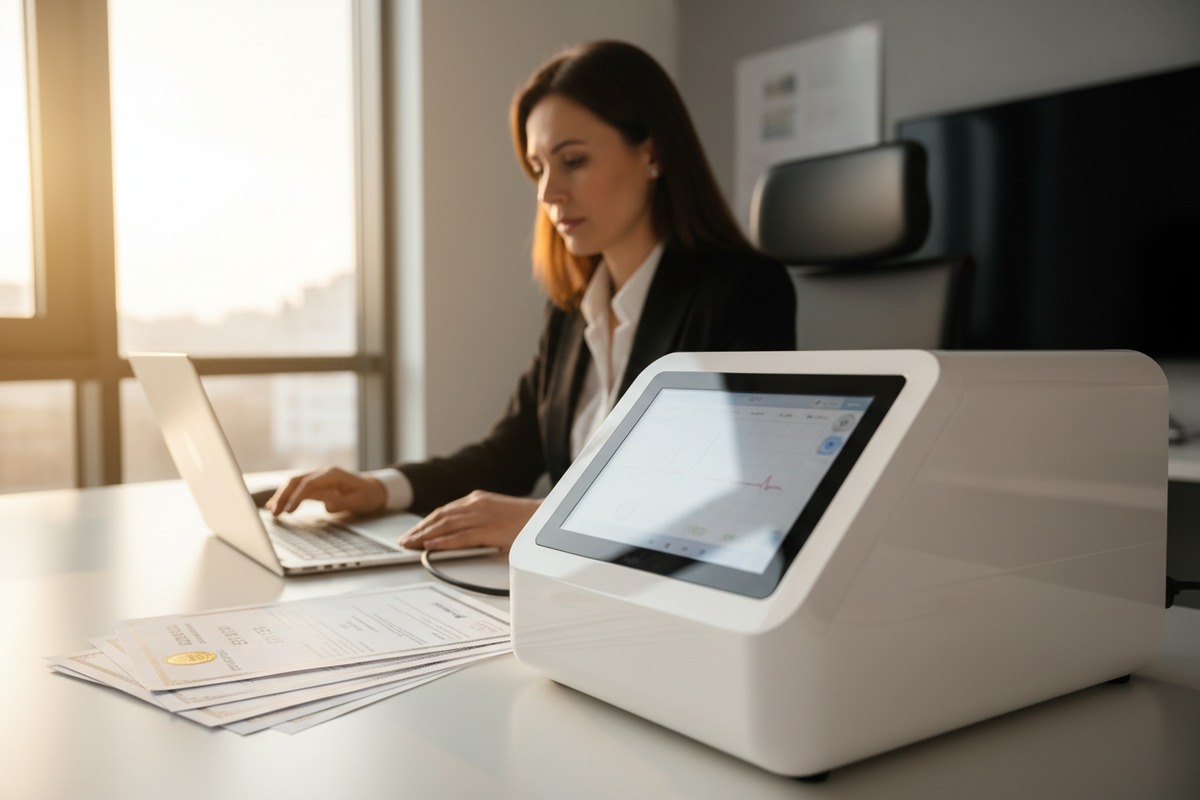
Every week, our sales team receives calls from buyers who got burned by suppliers claiming “high-tech” status quality control system 1. They purchased shockwave machines that failed within months. The certifications looked real. The factory photos seemed professional. Yet the equipment sits unused in clinics today.
To identify genuine high-tech enterprise suppliers for shockwave therapy machines, verify official government certifications like China’s National High-Tech Enterprise certificate, confirm ISO 13485 and FDA/CE compliance, audit their R&D investment ratios, examine patent portfolios, and validate manufacturing capabilities through factory inspections and reference checks from existing clients.
This guide breaks down the exact verification steps our team uses when qualifying our own component suppliers. The same framework helps you separate genuine innovators from marketing-driven resellers.
How can I verify if a Chinese shockwave therapy machine manufacturer holds official high-tech enterprise status?
When we first applied for China's National High-Tech Enterprise certification, the process took 18 months and required extensive documentation. This experience taught us exactly what genuine certification looks like—and how easily it can be faked.
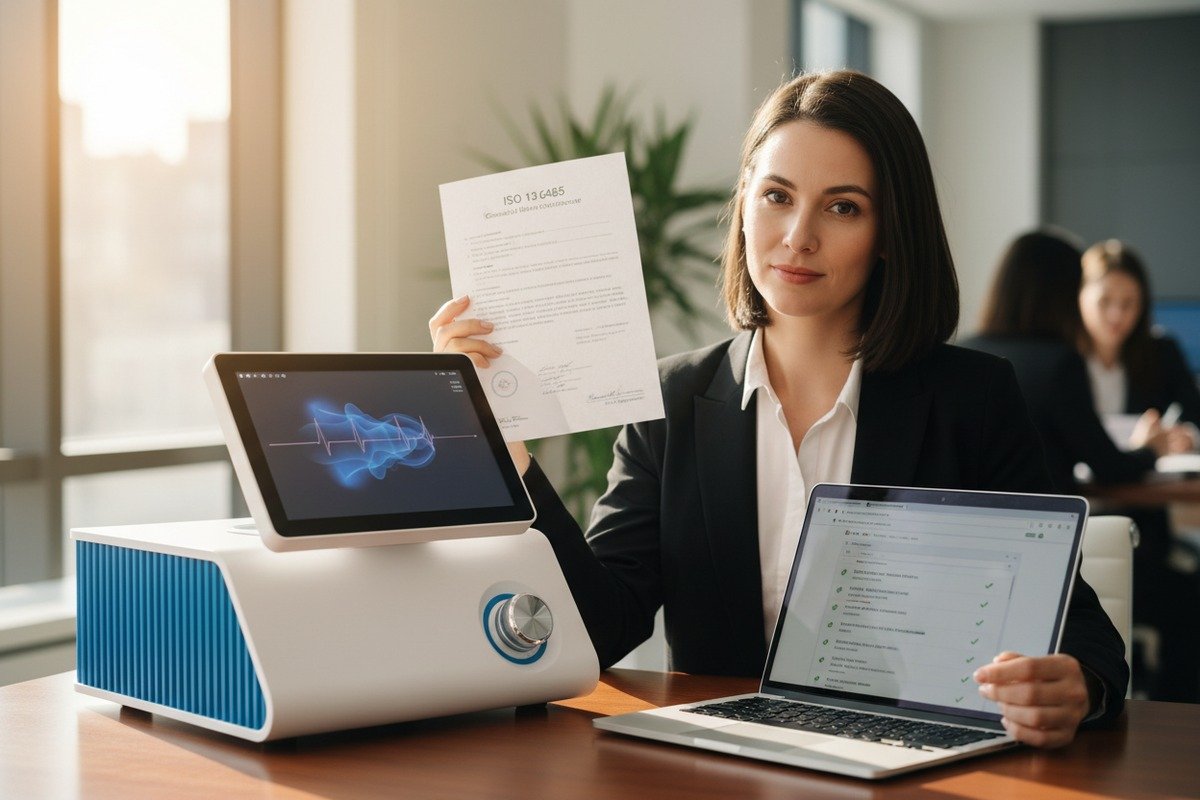
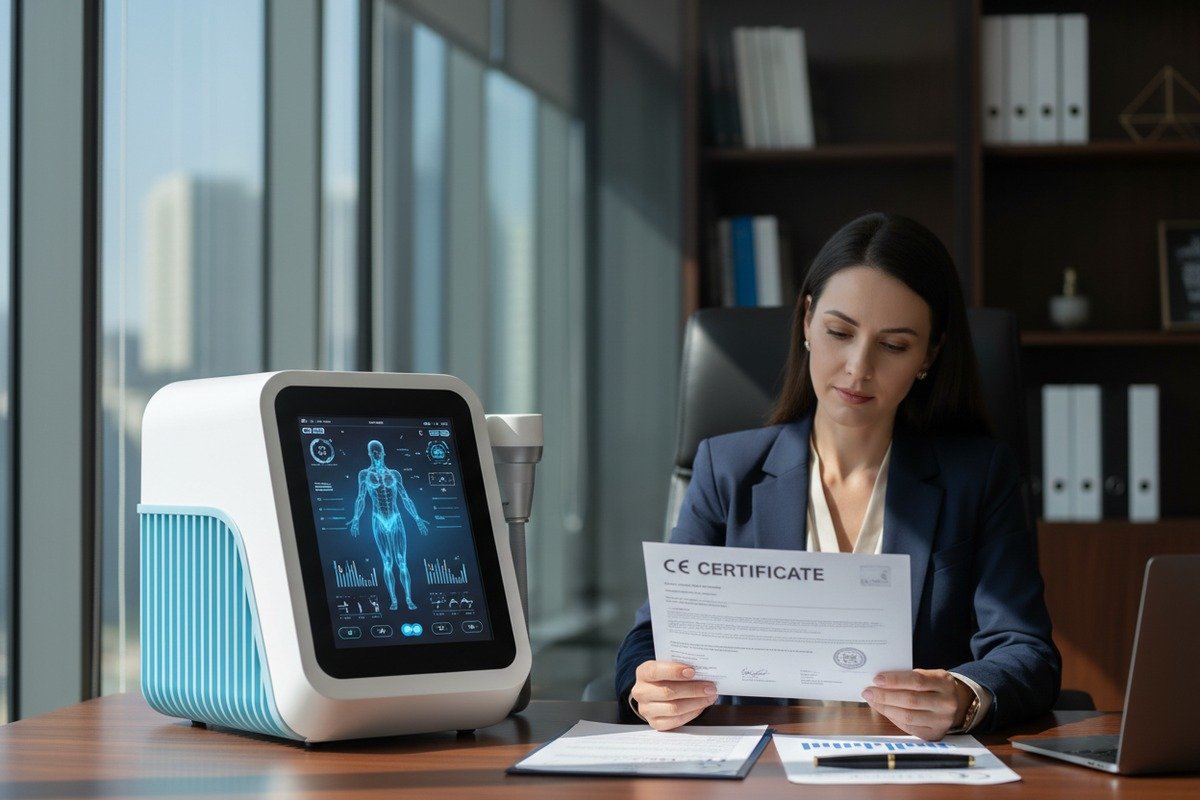
Verify Chinese high-tech enterprise status by requesting the official certificate number, then cross-checking it on the National High-Tech Enterprise Recognition Management Work Website (innocom.gov.cn). Legitimate certificates show company name, registration number, issue date, and validity period. Ask for ISO 13485, CE, and FDA documentation with verifiable registration numbers.
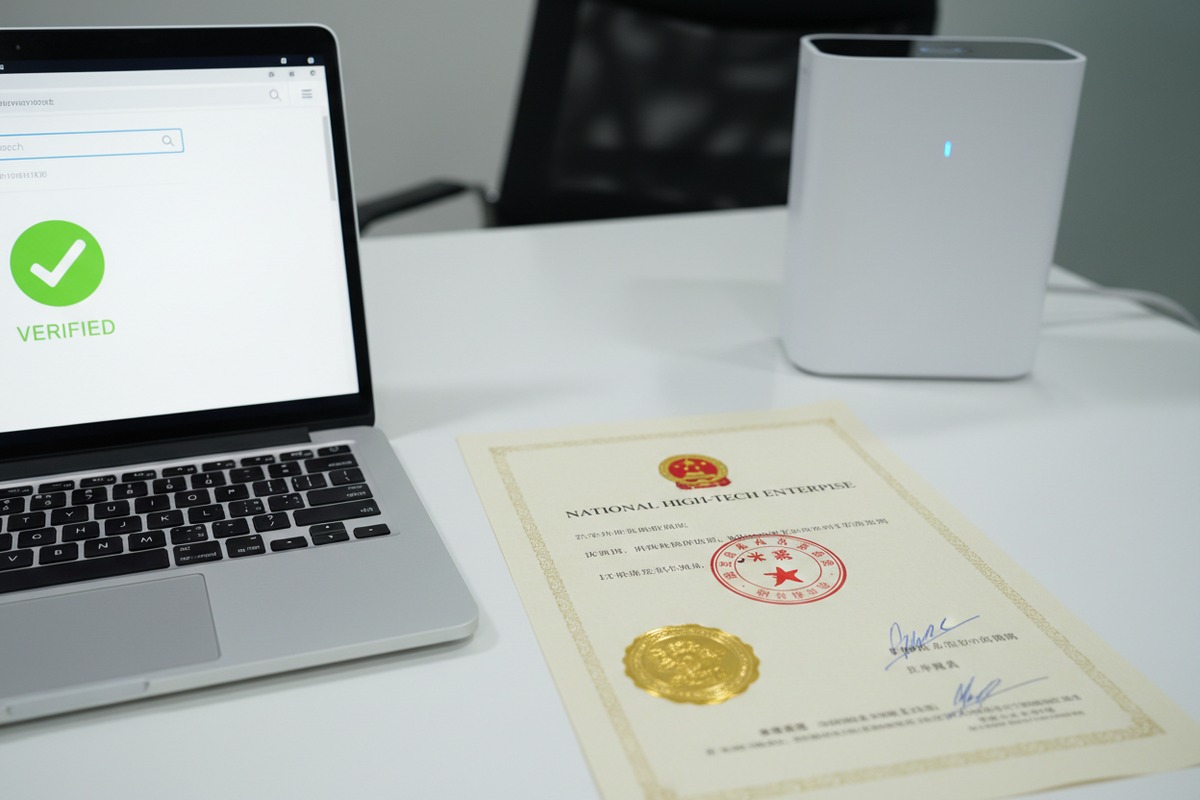
Understanding China's High-Tech Enterprise Certification
China's Ministry of Science and Technology 2 grants High-Tech Enterprise status through a rigorous evaluation process. This certification is not just a marketing label. It requires companies to meet strict criteria around R&D spending, intellectual property ownership 3, and technical personnel ratios.
A genuine high-tech enterprise must invest at least 3% to 6% of annual revenue into R&D activities. The company needs to own core intellectual property rights related to their main products. At least 10% of employees must hold college degrees or above in technical positions.
Key Certifications to Request
| Certification | Issuing Body | Verification Method | Validity Period |
|---|---|---|---|
| National High-Tech Enterprise | China Ministry of Science and Technology | innocom.gov.cn database | 3 years |
| ISO 13485 4 | Accredited certification bodies | IAF CertSearch database | 3 years |
| CE Marking | EU Notified Bodies | NANDO database | Ongoing |
| FDA 510(k) Clearance 5 | US FDA | FDA database search | Ongoing |
| NMPA Registration | China National Medical Products Administration | NMPA website | 5 years |
Red Flags in Certification Documents
Our quality team has identified several warning signs during supplier audits. Certificates with blurry logos often indicate forgery. Missing registration numbers make verification impossible. Expired validity dates suggest the company failed re-certification requirements.
Some suppliers present certificates from unaccredited bodies. Always verify the certification body itself has proper accreditation. For ISO 13485, the certification body must be accredited by an IAF member. For CE marking, the notified body must appear in the European Commission's NANDO database.
Direct Verification Steps
Contact the certification bodies directly when in doubt. Most maintain public databases for verification. For high-value purchases, consider hiring a third-party verification service familiar with Chinese regulatory systems. These services can conduct on-site audits and verify documentation authenticity.
Request a complete certification package including the original certificate, scope of certification, audit reports, and renewal history. Legitimate suppliers provide this documentation without hesitation. Reluctance to share verification details signals potential problems.
What R&D benchmarks should I use to evaluate a supplier's ability to handle my custom OEM shockwave projects?
Our engineering team spent three years developing our current shockwave applicator design. That experience revealed how much capability variation exists among suppliers claiming R&D expertise. Some have genuine laboratories with testing equipment. Others simply modify existing designs with cosmetic changes.
Evaluate OEM shockwave supplier R&D capability by examining their patent portfolio, R&D spending ratio (minimum 5% of revenue for high-tech firms), engineering team credentials, prototyping turnaround times, and testing laboratory certifications. Request case studies of previous custom projects with verifiable client references and technical documentation.

Quantifying R&D Investment
Genuine high-tech medical device manufacturers invest significantly in research and development. Industry benchmarks suggest minimum 5% of annual revenue for basic R&D capabilities. Leading innovators often exceed 10%. Request financial statements or third-party audits confirming these investment levels.
Beyond spending ratios, examine how R&D budgets are allocated. A supplier investing primarily in component testing shows different capabilities than one focused on fundamental technology development. For custom OEM projects, you need suppliers who can develop new solutions, not just assemble existing components differently.
Patent Portfolio Analysis
| Patent Type | What It Indicates | Verification Method |
|---|---|---|
| Invention Patents | Core technology development capability | National patent office databases |
| Utility Model Patents | Incremental innovation skills | WIPO PATENTSCOPE 6 |
| Design Patents | Aesthetic customization ability | Google Patents search |
| International PCT Patents | Global market ambitions | WIPO database |
Count patents filed in the past five years specifically. Old patents may indicate past capability that no longer exists. Check if patents relate directly to shockwave technology—not unrelated products. Some suppliers inflate patent counts with irrelevant filings.
Engineering Team Credentials
Ask for organizational charts showing the R&D department structure. Legitimate high-tech enterprises employ engineers with relevant degrees in biomedical engineering 7, acoustics, electrical engineering, or related fields. Request anonymized resumes or credential summaries for key technical staff.
Our company maintains a ratio of one R&D engineer per three production workers. This ratio enables rapid prototyping and technical problem-solving. Suppliers with minimal engineering staff cannot handle complex custom projects regardless of their marketing claims.
Prototyping and Testing Capabilities
Custom OEM projects require in-house prototyping capabilities. Ask about 3D printing equipment 8, CNC machining, and electronic prototyping tools. Suppliers relying entirely on external prototyping face longer development cycles and communication challenges.
Testing laboratories must have appropriate equipment for shockwave device validation. This includes pressure measurement systems, frequency analyzers, durability testing rigs, and electrical safety testing equipment. Request laboratory accreditation certificates and recent calibration records for critical equipment.
Evaluating Previous Custom Projects
Request detailed case studies from previous OEM clients. Legitimate suppliers can provide anonymized project timelines, technical challenges encountered, and solutions implemented. Ask for references you can contact directly. Suppliers refusing reference checks likely have dissatisfied clients.
How do I audit a supplier's quality control system to prevent performance issues in my shockwave therapy equipment?
Last year, a client returned an entire shipment because handpiece pressure output varied by 40% between units. The supplier had claimed ISO 13485 certification. Yet their actual testing consisted of one technician checking if units powered on. This experience shaped our current audit protocols.
Audit shockwave supplier quality control by reviewing ISO 13485 implementation depth, inspecting incoming material testing procedures, verifying in-process inspection checkpoints, examining final testing protocols with calibrated equipment, and validating traceability systems that link finished devices to component lots and production records.
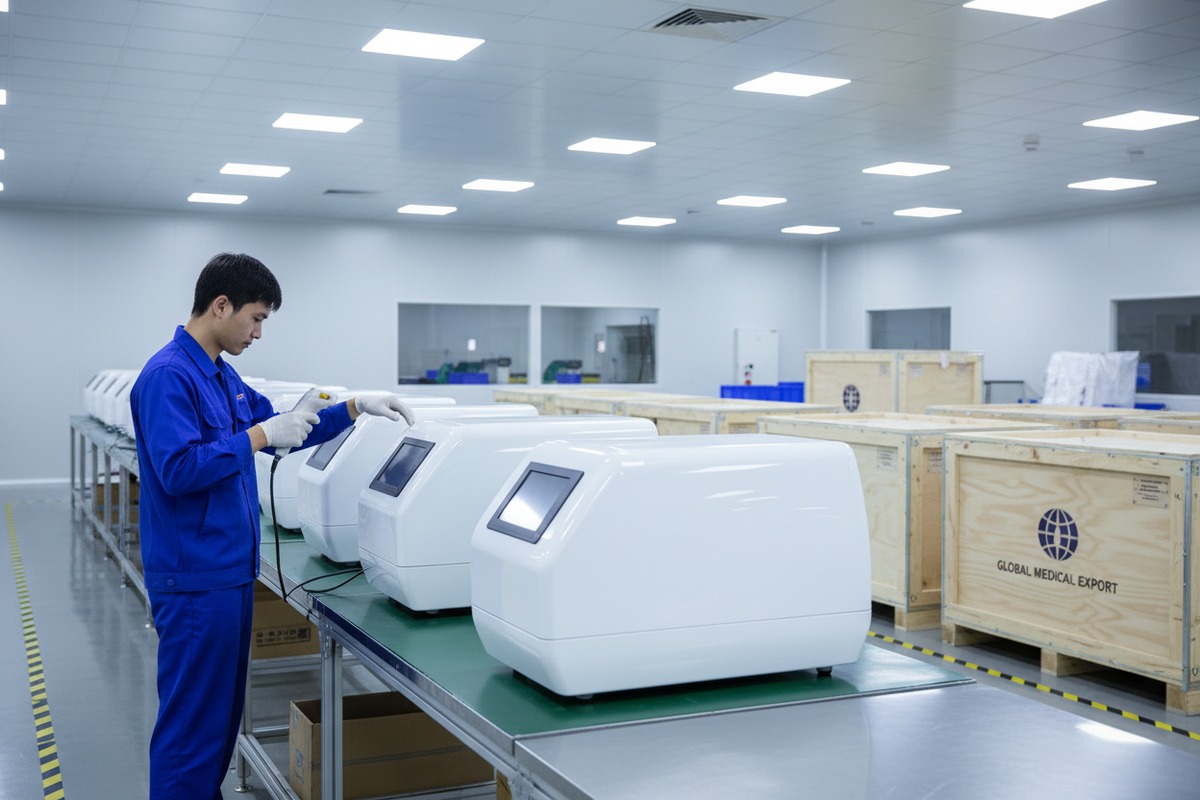
ISO 13485 Implementation Depth
Having ISO 13485 certification differs dramatically from implementing it effectively. Many suppliers obtain certification then relax quality practices until the next audit. Request recent internal audit reports and corrective action records. These documents reveal actual quality culture better than certificates alone.
Examine the quality manual for specific procedures related to shockwave device manufacturing. Generic manuals copied from templates indicate superficial implementation. Detailed, product-specific procedures suggest genuine quality commitment.
Incoming Material Control
Quality begins with component selection. High-tech suppliers test incoming materials against specifications before acceptance. This includes measuring electronic component tolerances, verifying material certifications, and inspecting mechanical parts for dimensional accuracy.
| Incoming Inspection Type | Purpose | Equipment Required |
|---|---|---|
| Dimensional measurement | Verify mechanical fit | Calipers, CMM machines |
| Material certification review | Confirm material properties | Documentation system |
| Electronic component testing | Validate electrical specs | Multimeters, oscilloscopes |
| Visual inspection | Detect surface defects | Magnification equipment |
| Supplier audit records | Verify supply chain | Documentation system |
Request sample incoming inspection reports from recent production batches. Check if rejection rates are tracked and whether suppliers with quality issues are addressed or simply accepted due to cost considerations.
In-Process Quality Checkpoints
Production quality requires inspection at critical process stages, not just final testing. For shockwave devices, key checkpoints include handpiece assembly verification, electronic calibration, pressure output testing, and housing assembly inspection.
Our production line includes seven quality checkpoints before final testing. Each checkpoint has specific pass/fail criteria documented in work instructions. Operators sign inspection records, creating accountability trails. Ask suppliers to walk through their checkpoint system during facility visits.
Final Testing Protocols
Final testing must verify all performance specifications using calibrated equipment. For shockwave therapy machines, this includes pressure output across frequency ranges, electrical safety parameters, software functionality, and accessory compatibility.
Request copies of final test reports from recent batches. Check if reports include actual measured values, not just pass/fail indications. Specifications without tolerances suggest inadequate testing protocols. Compare stated specifications to actual test results for consistency.
Traceability Systems
Medical device regulations require traceability linking finished products to components and production records. Verify that each device has a unique serial number tied to production date, component lots, inspection records, and test results. This traceability enables investigation when field issues occur.
Ask how the supplier handles nonconforming products. Effective quality systems quarantine defective items, investigate root causes, and implement corrective actions. Simply discarding defects without investigation indicates reactive rather than preventive quality culture.
Which indicators tell me a high-tech supplier can guarantee my delivery schedules and door-to-door logistics?
Two years ago, we lost a major European distributor because our component supplier delayed delivery by six weeks. Container bookings expired. Trade show commitments failed. The financial loss exceeded the entire order value. Now delivery capability ranks equally with technical specifications in our supplier evaluations.
Reliable shockwave equipment delivery requires evaluating supplier production capacity utilization, component inventory management, historical on-time delivery rates, logistics partner relationships, and contingency planning for supply chain disruptions. Request shipping records from existing clients and verify capacity through factory production schedule reviews.
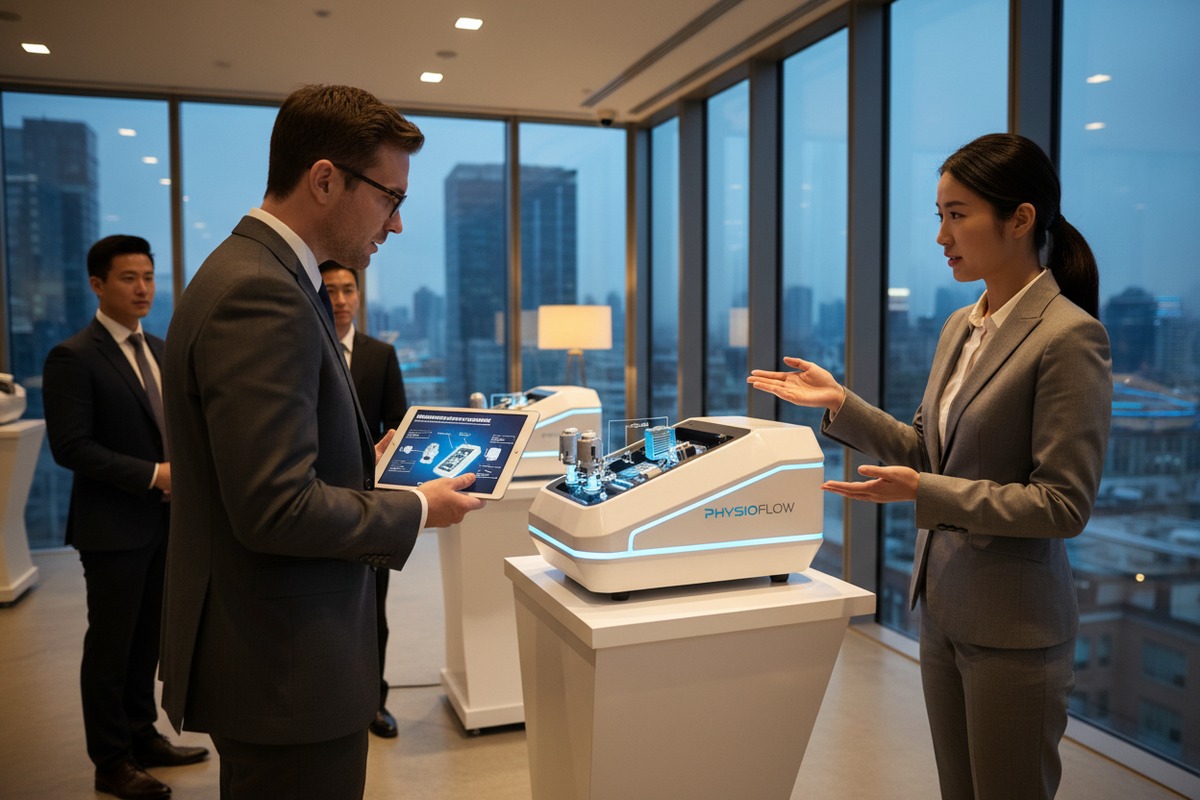
Production Capacity Assessment
High-tech suppliers maintain production capacity buffers for demand fluctuations. Request monthly production capacity and current utilization rates. Suppliers running at 95% capacity cannot accommodate rush orders or unexpected demand increases.
Examine production scheduling systems. Modern manufacturers use ERP systems tracking order status from confirmation through shipment. Manual scheduling with spreadsheets indicates limited scalability and higher error rates. Ask for demonstrations of order tracking capabilities.
Component Inventory Strategy
Shockwave therapy machines contain specialized components with extended lead times. High-tech suppliers maintain safety stock for critical components rather than relying on just-in-time delivery for everything. This inventory investment enables faster production starts and schedule reliability.
| Component Category | Typical Lead Time | Recommended Safety Stock |
|---|---|---|
| Electronic controllers | 8-12 weeks | 6 weeks production |
| Specialized transducers | 10-16 weeks | 8 weeks production |
| Custom housings | 4-6 weeks | 4 weeks production |
| Standard fasteners | 1-2 weeks | 2 weeks production |
| Packaging materials | 2-4 weeks | 4 weeks production |
Request inventory reports for critical components. Suppliers claiming immediate availability without corresponding inventory cannot deliver on promises. Verify component supplier relationships and alternative sourcing options for supply chain resilience.
Historical Delivery Performance
Past performance predicts future reliability. Request on-time delivery statistics for the past 12 months. Industry benchmarks suggest 95% on-time delivery for reliable suppliers. Below 90% indicates systemic issues requiring investigation before commitment.
Ask for references specifically regarding delivery performance. Technical quality matters little if products arrive late. Contact references with specific questions about schedule adherence, communication during delays, and recovery from problems.
Logistics Partnership Quality
Door-to-door delivery requires coordination between manufacturing, freight forwarding, customs clearance, and final delivery. High-tech suppliers maintain relationships with reliable logistics partners experienced in medical device shipping requirements.
Verify logistics capabilities for your destination markets. Shipping to the US differs from European or Middle Eastern markets. Ask about customs documentation preparation, medical device import requirements, and experience with destination country regulations.
Contingency Planning
Supply chain disruptions 9 occur regardless of planning. Professional suppliers develop contingency plans addressing common scenarios. These include alternative shipping routes during port congestion, backup component suppliers, and air freight options for urgent orders.
Our company maintains relationships with three freight forwarders across different shipping alliances. When our primary carrier experienced port delays last year, we shifted to alternatives within 48 hours. Ask prospective suppliers about their contingency arrangements and recent examples of successful problem resolution.
Conclusion
Identifying genuine high-tech shockwave therapy machine suppliers requires systematic verification across certifications, R&D capabilities, quality systems, and delivery performance. Use the frameworks above to separate true innovators from marketing-driven resellers and protect your business investments.
Footnotes
1. Replaced with a working and authoritative Wikipedia page providing a comprehensive overview of quality control. ↩︎
2. Official website of the government body for science and technology in China. ↩︎
3. Overview of intellectual property and its ownership from a global organization. ↩︎
4. Official information on the ISO 13485 standard for medical devices. ↩︎
5. Official FDA guidance on the 510(k) premarket notification process. ↩︎
6. Replaced with the main, accessible WIPO PATENTSCOPE portal, which is an authoritative source for patent searches. ↩︎
7. Provides a comprehensive definition and overview of biomedical engineering. ↩︎
8. Explains the technology and applications of 3D printing in manufacturing. ↩︎
9. Replaced with a relevant and authoritative Wikipedia page detailing global supply chain crises, which broadly covers the concept of supply chain disruptions. ↩︎
 English
 Español de México
 Deutsch
 Français
 العربية
 Русский
Join the Conversation
Have a question or insight to share? We read every comment — whether you're a distributor, salon owner, or just curious about the technology. Your real-world experience helps others make better decisions. Drop your thoughts below.