

In our years of engineering beauty equipment in Guangzhou, we have seen too many spa owners struggle with generic machines that fail to meet high expectations ISO 13485 certifications 1. You demand reliability and elegance for your clients, but shifting through endless supplier claims often leads to frustration and wasted investment.
To evaluate suppliers for luxury standards, you must audit their ISO 13485 certifications, verify the use of medical-grade materials like biocompatible TPU, and demand proof of 48-hour continuous aging tests. Prioritize manufacturers who offer transparent supply chain traceability and advanced software integration for personalized client treatments.
Below, we break down the specific criteria and vetting processes you need to secure a partner who matches your brand’s prestige.
How can I verify if a pressotherapy machine manufacturer meets my luxury brand's quality standards?
We often invite clients to visit our production lines because seeing the raw components is the only way to truly gauge value biocompatible TPU 2. Glossy brochures can hide cheap internals, and relying solely on marketing claims puts your spa's reputation at significant risk when machines inevitably malfunction.
To verify quality, explicitly request a Bill of Materials detailing the origin of core components like air pumps and pressure sensors. Ensure the supplier conducts 100% inflation testing on every cuff and garment, and check for regulatory compliance marks like CE or FDA that validate safety and performance claims.
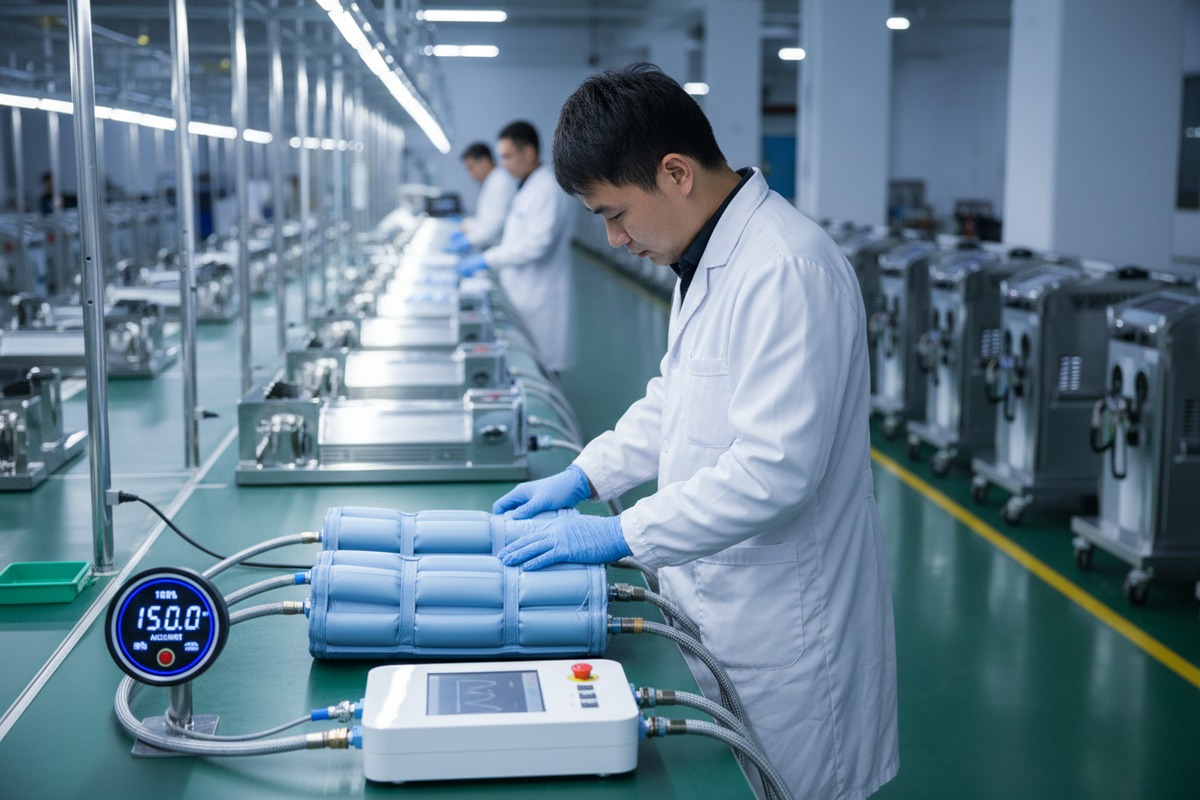
When sourcing for a luxury clientele, the definition of "quality" goes far beyond the exterior casing Incoming Quality Control (IQC) 3. It involves the tactile experience, the silence of operation, and the clinical efficacy of the treatment.
Assessing Core Component Quality
The heart of any pressotherapy system is the air pump DDP (Delivered Duty Paid) shipping terms 4. In the mass market, many suppliers use standard industrial pumps that are loud and prone to overheating. For the luxury sector, we utilize specialized, low-noise diaphragm pumps that maintain consistent pressure without disturbing the spa's ambiance. You should ask your potential supplier for a decibel reading of the machine at full power; anything above 50dB is likely too loud for a high-end relaxation environment.
Evaluating Garment Materials
The cuffs and boots are the direct touchpoints for your clients. Cheap PVC materials feel sticky and can crack after a few months of use.
- Fabric Choice: Look for high-density Nylon or thermoplastic polyurethane (TPU). These materials are flexible, durable, and easy to sanitize, which is a non-negotiable hygiene standard.
- Chamber Construction: Luxury standards dictate overlapping chambers. This design ensures there are no gaps in compression, providing a seamless "wave" massage that effectively drains lymph fluid 5. Cheaper models often have gaps between air bags, resulting in ineffective treatment.
Technical Specifications Checklist
Use the following table to compare standard market offerings against what you should expect from a luxury-grade manufacturer.
| Feature | Standard Market Spec | Luxury Wellness Standard |
|---|---|---|
| Pressure Range | 20–150 mmHg | 30–240 mmHg (Adjustable) |
| Chamber Count | 4 to 8 Chambers | 16 to 48 Chambers (Overlapping) |
| Material | Standard PVC | Medical-grade TPU / Nylon |
| Noise Level | > 60 dB | < 50 dB (Whisper Quiet) |
| Control Interface | Physical Buttons / Knobs | High-Res Touchscreen + App |
What should I look for in a supplier's OEM capabilities to ensure my private-label equipment stands out?
When we collaborate with US brands on new product launches, the biggest hurdle is often moving beyond simple logo placement. You need a product that looks and feels unique to your brand, but many suppliers lack the engineering depth to modify the actual user experience or physical design.
Look for suppliers with an in-house R&D team capable of modifying software logic for custom treatment protocols and designing proprietary casing molds. A true OEM partner will offer SDK access for app integration and allow you to define unique pressure cycles that align with your specific wellness methodology.

In the competitive wellness market, a generic white box with a sticker is no longer sufficient. Your equipment must be an extension of your brand identity.
Beyond the Logo: Structural Customization
True OEM capability means the ability to alter the physical form factor 6. Ask the supplier if they have their own molding department or established partners. Can they change the slope of the console to better fit your treatment trolleys? Can they integrate specific colorways into the plastic injection process rather than just painting over it? These details prevent chipping and fading, maintaining a premium look over years of service.
Software and UI Customization
For luxury machines, the User Interface (UI) is critical. Clients and therapists expect an interface as intuitive as a smartphone.
- Custom Boot Screens: The machine should greet the user with your brand logo.
- Protocol Programming: You should be able to pre-set "Signature Treatments" (e.g., "Post-Flight Recovery" or "Detox Slimming") that are unique to your spa menu.
- Connectivity: We are seeing a surge in demand for machines that connect to CRM systems. Ask if the supplier can provide API access or Bluetooth capabilities to track client usage data.
Hybrid Technology Integration
To truly stand out, consider hybrid machines. A capable manufacturer can integrate complementary technologies into the pressotherapy suit.
- Far Infrared (FIR): Adds thermal therapy to boost metabolism.
- EMS (Electrical Muscle Stimulation): Tones muscle while draining fluid.
- TENS: For pain relief integration.
| Customization Level | Description | Supplier Requirement |
|---|---|---|
| Level 1: Basic | Logo on machine & startup screen. | Screen printing, Basic coding. |
| Level 2: Intermediate | Custom chassis color, unique UI layout. | Painting/Coating, UI Design Team. |
| Level 3: Advanced | Exclusive casing mold, custom PCB logic. | Industrial Design, Electrical Engineering. |
How do I assess a supplier's quality control processes to prevent defects in my high-end wellness machines?
We have learned that catching a defect before it leaves the factory floor saves thousands of dollars in shipping and reputation damage. Sourcing from overseas is terrifying if you fear the unboxing moment, wondering if the machine will even turn on or if the accessories are intact.
You must assess their Quality Control (QC) by demanding a documented flow chart that includes Incoming Quality Control (IQC) for raw materials and Final Quality Control (FQC) for finished goods. Crucially, require a "burn-in" or aging test of at least 24 hours to identify early electronic failures before shipment.
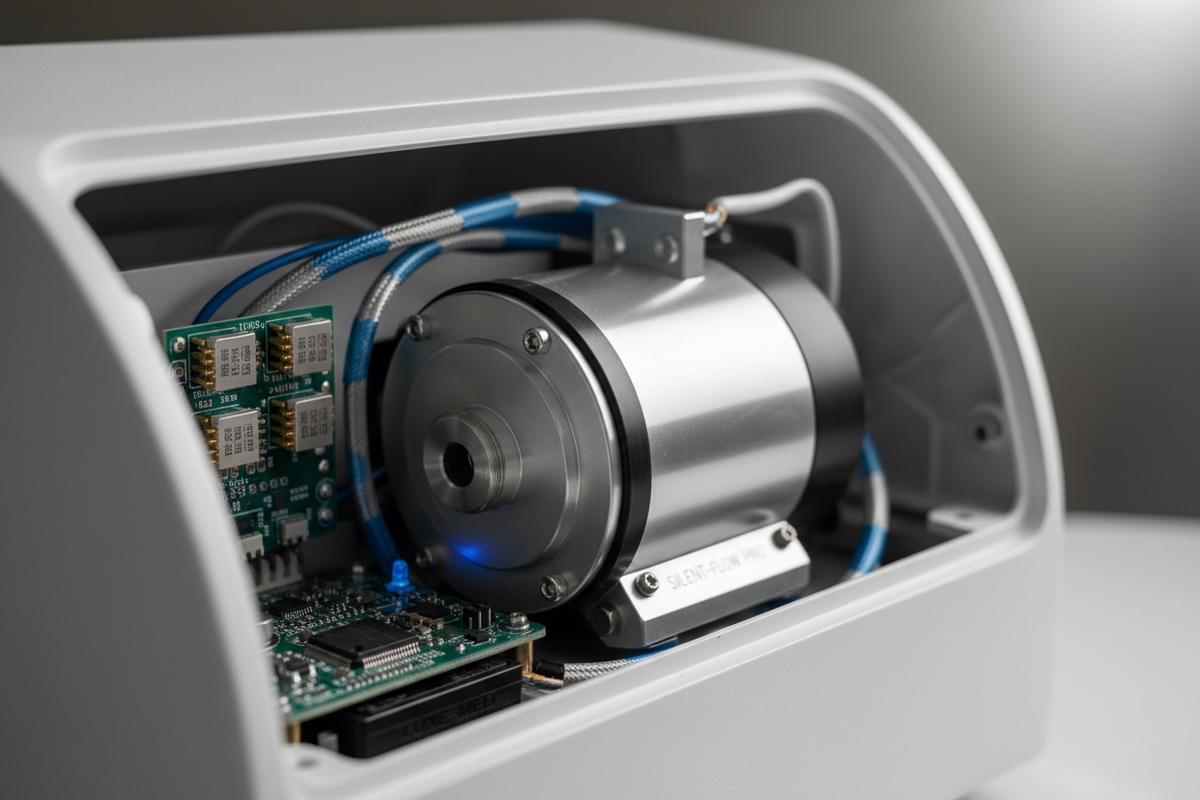
A robust QC process is not just about checking if the light turns on. quality control process 7 It is about stress-testing the system to ensure it survives the rigors of international shipping and daily salon use.
The Three Pillars of Factory QC
- IQC (Incoming Quality Control): This happens before assembly. We test the air tightness of the raw fabric and the voltage stability of the power supply units. If the raw ingredients are flawed, the final meal will be inedible.
- IPQC (In-Process Quality Control): During assembly, line managers should be checking torque settings on screws and cable routing. Poor cable management inside the machine is a leading cause of vibration-induced failure.
- FQC (Final Quality Control): This is the final exam.
The Necessity of Aging Tests
For electronic beauty equipment, "infant mortality" (failure in the first few hours) is common if not tested. A luxury supplier will run the machine continuously for 24 to 48 hours (the aging test). This heats up the components and stresses the air pumps. If a capacitor is going to blow, we want it to happen in our factory, not in your treatment room.
Remote Diagnostics
Modern luxury machines often include self-diagnostic software. When evaluating a supplier, ask if their system generates error codes that pinpoint specific issues (e.g., "Air Leak in Chamber 4" vs. "Pump Failure"). This feature drastically reduces downtime because you can order the exact spare part needed without shipping the whole unit back for inspection.
| QC Stage | What to Ask For | Why It Matters |
|---|---|---|
| Pre-Production | Component datasheets & certificates. | Ensures no toxic materials are used. |
| Assembly | Photos of internal cabling structure. | Prevents loose connections during transit. |
| Post-Production | Video proof of aging test & serialization. | Guarantees the unit works before packing. |
Can I find a reliable partner who manages door-to-door logistics and guarantees on-time delivery for my orders?
We understand the anxiety of tracking a shipment that seems to be stuck in customs limbo while your salon opening date approaches. The complexity of importing medical-grade aesthetics equipment involves tariff codes, FDA clearance, and local delivery coordination that can overwhelm even experienced buyers.
Yes, you can find a partner by looking for suppliers who offer DDP (Delivered Duty Paid) shipping terms, which transfers all customs risks and costs to the seller. Verify they use established freight forwarders experienced with medical devices and provide a guaranteed delivery timeline with penalty clauses for delays.

Logistics is the unglamorous backbone of your supply chain. A great machine that arrives two weeks late or damaged is a liability.
Understanding Incoterms: DDP vs. FOB
Many suppliers quote FOB (Free on Board) prices to look cheaper. This means once the goods are on the ship in China, the problem is yours.
- Why choose DDP: Under DDP terms, we (the manufacturer) are responsible for shipping, insurance, import duties, and customs clearance until the product arrives at your door. You pay one final price, and we handle the paperwork headaches.
- Customs Expertise: Pressotherapy machines often fall under specific medical device codes. An experienced supplier knows how to label and invoice these correctly to avoid seizures or extensive delays at US Customs.
Packaging Integrity
Luxury equipment requires luxury packaging. It’s not just about aesthetics; it’s about survival.
- Drop Tests: Ask your supplier if their packaging passes international drop test standards (ISTA) 8.
- Materials: We use custom-cut EPE foam rather than cheap Styrofoam, which crumbles and makes a mess. The box should be double-walled corrugated cardboard, often reinforced with wooden crates for heavier orders.
Communication and Transparency
Reliability is built on communication. Your partner should provide a tracking number that works and weekly updates. If there is a port strike or a weather delay, you should hear it from them first, not discover it when the package doesn't show up.
| Shipping Term | Risk to Buyer | Cost Predictability | Recommended for Small/Med Brands? |
|---|---|---|---|
| EXW (Ex Works) | High (You handle everything) | Low (Hidden costs likely) | No |
| FOB (Free on Board) | Medium (You handle import) | Medium | Only if you have a broker |
| DDP (Delivered Duty Paid) | Low (Seller handles everything) | High (All-inclusive price) | Yes (Highly Recommended) |
Conclusion
Evaluating suppliers for luxury pressotherapy machines requires a holistic approach that goes beyond price comparison. You must audit the invisible elements—the quality of the internal air pumps, the rigor of the aging tests, the flexibility of the engineering team, and the reliability of the logistics network. By demanding transparency in certifications, materials, and shipping terms, you protect your brand's reputation and ensure your clients receive the premium wellness experience they pay for. A true manufacturing partner does not just sell you a machine; they provide the stability and quality assurance that allows your business to thrive.
Footnotes
1. Explains the international standard for medical device quality management systems. ↩︎
2. Defines a material suitable for medical applications due to its compatibility with living tissue. ↩︎
3. Explains the inspection of incoming materials to ensure they meet quality standards before production. ↩︎
4. Explains an Incoterm where the seller bears all costs and risks until goods reach the buyer. ↩︎
5. Describes the bodily fluid that pressotherapy aims to drain for therapeutic benefits. ↩︎
6. Provides a clear and authoritative definition of ‘form factor’ in design and hardware, encompassing physical specifications like size and shape. ↩︎
7. Describes the systematic procedures for ensuring products meet predetermined quality standards. ↩︎
8. The official website for the International Safe Transit Association (ISTA), providing authoritative information on packaging performance testing standards. ↩︎

 English
 Español de México
 Deutsch
 Français
 العربية
 Русский
