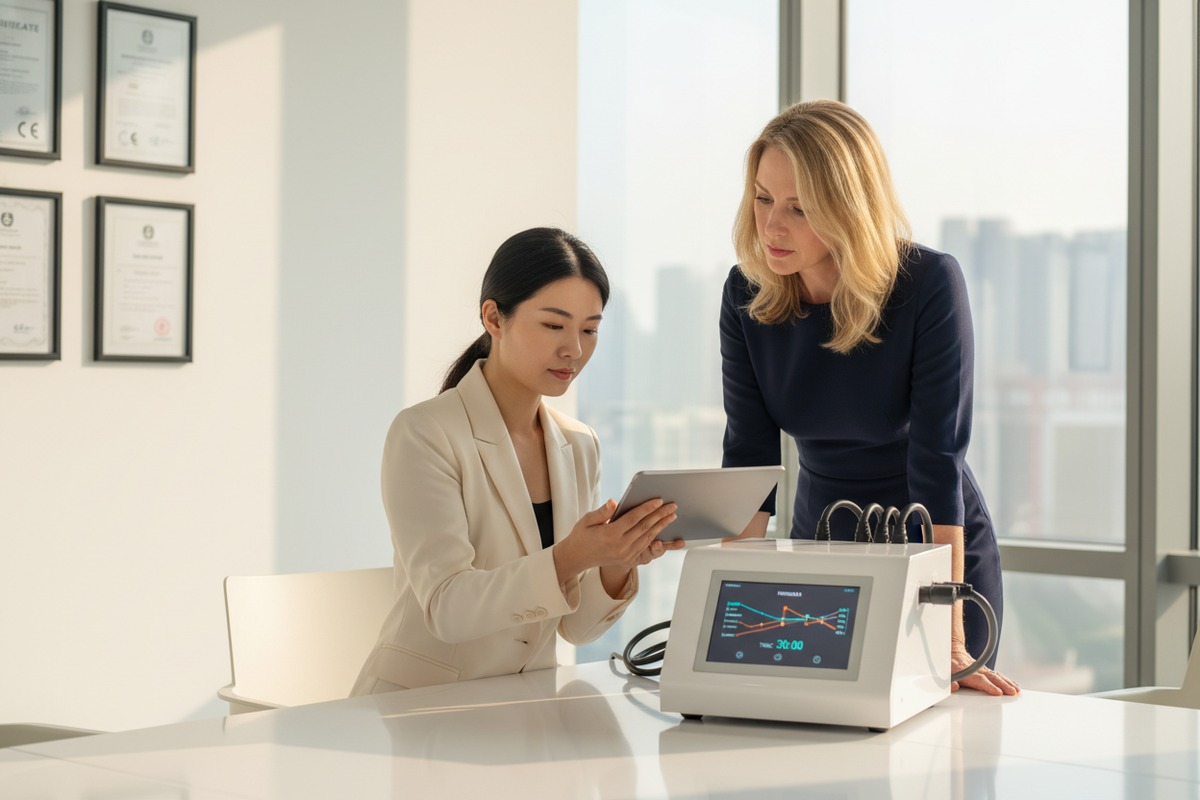
When our production team reviews new pressotherapy designs, buyers often ask a key question: does this supplier actually understand the European market CE Medical IIa certification 1? European pressotherapy machine trends 2 Wrong partnerships waste time, money, and brand credibility.
To evaluate supplier knowledge of European pressotherapy trends, verify their awareness of smart device integration, portable home-use innovations, CE Medical IIa certification, ISO 13485 compliance, multi-chamber compression technology, and country-specific market dynamics. A knowledgeable supplier cites recent data, demonstrates regional regulatory expertise, and offers forward-looking product roadmaps aligned with sustainability and AI-driven personalization.
This guide breaks down the exact questions, red flags, and checkpoints you need to find suppliers who truly understand European market demands ISO 13485 compliance 3. Let us walk through each evaluation area step by step.
How can I tell if a supplier is truly up-to-date with European pressotherapy machine features?
When we ship our pressotherapy units to Germany or France, our clients expect cutting-edge features multi-chamber compression technology 4. Many buyers struggle to separate trendy marketing claims from genuine technical expertise. This gap leads to outdated inventory and lost competitiveness EU MDR 2017/745 requirements 5.
A truly up-to-date supplier discusses current trends like AI-driven pressure adjustments, app-controlled functionalities, multi-chamber compression, portable home-use devices, and eco-friendly materials. They reference specific market data, know regional variations between Germany, UK, and France, and understand reimbursement policy impacts on product design choices.
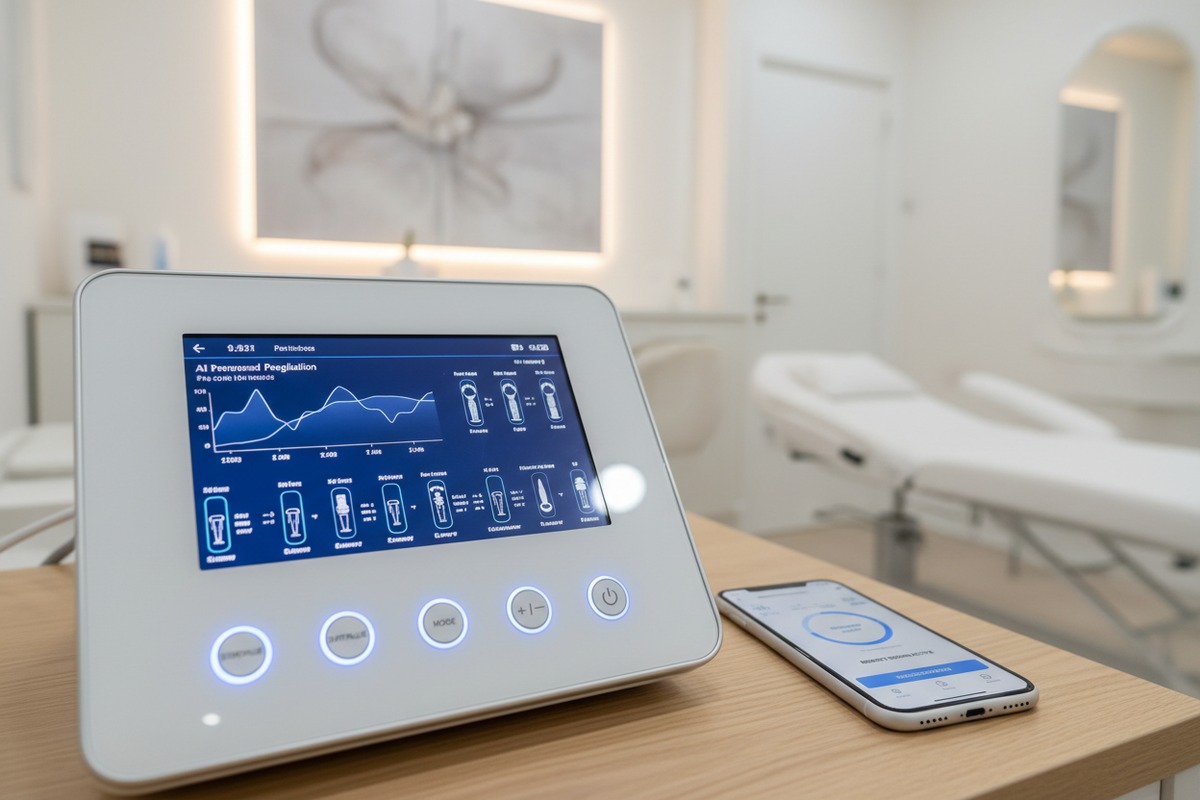
Key European Market Trends to Test Supplier Knowledge
The European pressotherapy market is not static. It evolves fast. You need suppliers who track these shifts in real time.
Europe holds a dominant position in the global market. The European Pressotherapy Systems Market 6 was valued at USD 198.1 million in 2025, representing 28.1% of the global market with a steady 6.55% CAGR. This growth is supported by rising awareness of lymphatic health 7, post-surgical recovery practices, and wellness-based circulatory treatments.
Europe remains a crucial hub for device innovation. Over 35% of total product patents globally originate from this region. The strong network of healthcare institutions and rehabilitation centers, especially in Germany, France, Italy, and the United Kingdom, reinforces the region's leadership.
Questions to Gauge Trend Awareness
Ask your supplier these direct questions:
| Question | Expected Answer from Knowledgeable Supplier |
|---|---|
| What percentage of current sales go to home-use vs clinical segments? | Should cite around 42% home-use sales growth, rising rapidly due to remote health trends |
| Which EU country leads in MedTech innovation for pressotherapy? | Germany, with robust healthcare budgets and strong reimbursement policies |
| What is the current CAGR for European pressotherapy market? | 6-7% range, varying by segment |
| Which applications are growing fastest? | Cellulite reduction (aesthetics) and sports recovery segments |
Technology Features to Verify
Modern European buyers expect specific technologies. intelligent pressure adjustments 8 A supplier who does not mention these raises red flags:
- AI-driven personalization: Devices now integrate AI for real-time pressure adjustments and predictive analytics. In late 2023, a manufacturer introduced AI-augmented mobile app for pressotherapy session tracking. User engagement increased by approximately 22 percent among pilot customers.
- Multi-chamber compression: Advanced multi-chamber compression technologies and customizable pressure modules have enhanced patient comfort by 24% and recovery efficiency by 19%.
- IoT-enabled devices: Telehealth integration with IoT-enabled devices and remote monitoring can reduce hospital readmissions by 32%.
- Sustainability focus: Eco-friendly designs with 22% of devices now using recyclable materials, aligning with ESG goals.
Country-Specific Knowledge Check
Different European countries have unique preferences:
| Country | Market Focus | Key Characteristics |
|---|---|---|
| Germany | Clinical/Medical | Strong reimbursement policies, MedTech leadership, hospital installations over 50 units for specialized treatments |
| France | Spa/Cosmetics | Integration with beauty culture, wellness tourism, aesthetic clinics |
| UK | Alternative Therapies | Health-conscious consumers shifting to non-invasive treatments |
| Italy/Spain | Beauty/Wellness | Strong spa industry presence, body contouring demand |
A knowledgeable supplier understands these distinctions. They do not offer a one-size-fits-all product pitch for the entire European market.
What specific questions should I ask to verify their OEM capabilities for my brand?
Our engineering team handles dozens of customization requests each quarter. Some suppliers promise everything but deliver generic products with a logo slap. True OEM capability requires depth, not just surface-level flexibility.
Ask suppliers about their minimum order quantities for custom molds, lead times for prototype development, control software customization options, packaging design flexibility, and technical documentation support for regulatory compliance. Verify they can provide samples with your branding, test results from third-party labs, and references from existing OEM clients in the European market.
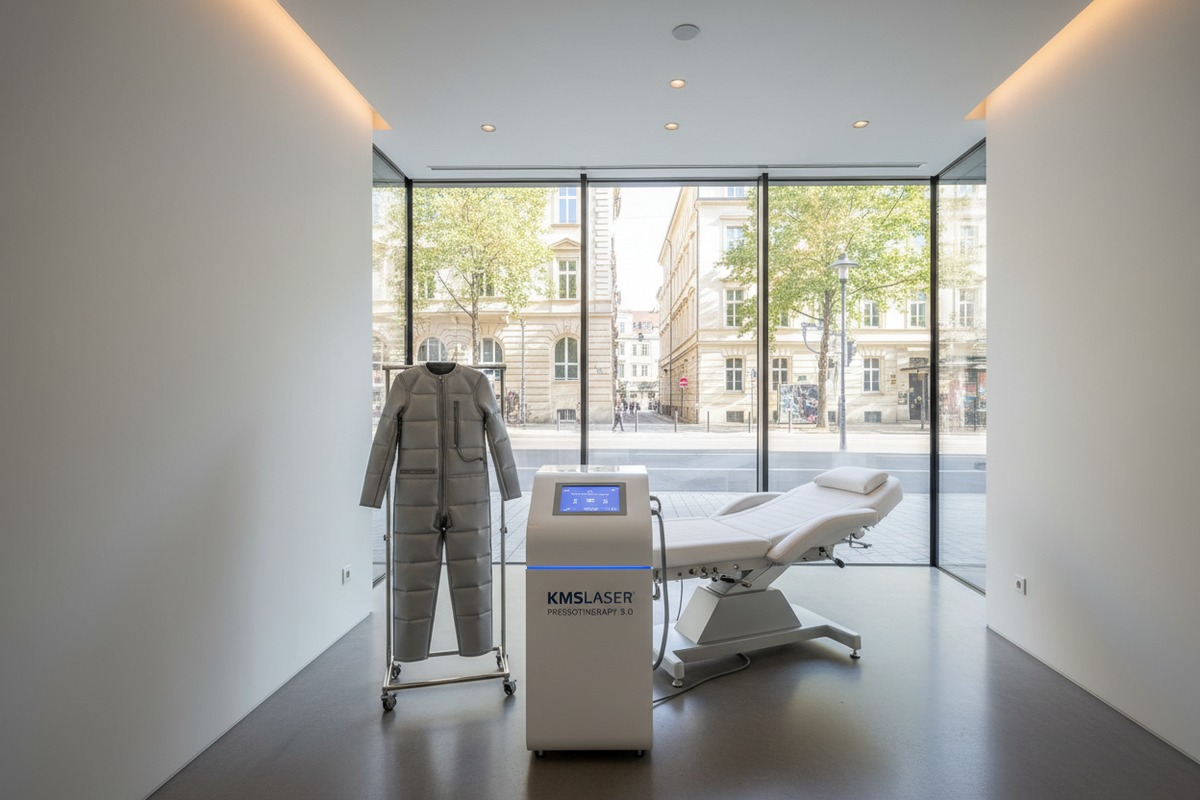
Essential OEM Capability Questions
When verifying OEM capabilities, go beyond vague promises. Request specifics:
Design Flexibility
- Can you modify pressure ranges for different treatment protocols?
- What air chamber configurations do you offer (8, 16, 24 chambers)?
- Can you customize garment designs for full-leg, arm, or abdominal wraps?
Technical Documentation
Suppliers must provide comprehensive documentation for EU market entry. This includes technical files, clinical evaluation reports, and risk management documentation. For Class II and Class III medical devices, it is obligatory for the manufacturer to appoint a Notified Body to audit these files.
OEM Evaluation Checklist
| Capability | What to Request | Red Flag |
|---|---|---|
| Prototype Development | Timeline, cost structure, revision policy | "We do not offer prototypes" |
| Software Customization | UI language options, protocol programming, app integration | Only fixed programs available |
| Garment Customization | Material options, sizing ranges, color choices | Single standard design only |
| Packaging | Custom box design, insert options, language localization | Generic packaging only |
| Regulatory Support | CE technical file assistance, ISO documentation | "You handle all certifications" |
Production Capacity Verification
Ask these pointed questions:
- What is your monthly production capacity for pressotherapy units?
- What are typical lead times for orders of 100, 500, and 1000 units?
- Do you have dedicated production lines for OEM clients?
- What quality inspection stages occur during production?
Past OEM Project Evidence
Request case studies or references. A capable OEM supplier should provide:
- Photos of previous custom projects (with client permission)
- Technical specifications they have achieved for other brands
- Testimonials from existing European clients
- Sample timeline from project kickoff to delivery
Do not accept vague answers like "we work with many European brands." Push for specifics. Which brands? What products? What customizations?
How do I evaluate if their quality control processes meet the high standards of the European market?
When we inspect units before shipment, we follow strict protocols developed over years. But many suppliers lack systematic QC processes. The result? Defective products, customs rejections, and brand damage in demanding European markets.
Evaluate QC processes by requesting their ISO 13485 certification, auditing their inspection protocols at raw material, in-process, and final stages, reviewing their non-conformance handling procedures, and verifying their traceability systems. Strong suppliers provide detailed inspection reports, maintain calibrated testing equipment, and demonstrate understanding of EU MDR 2017/745 requirements.
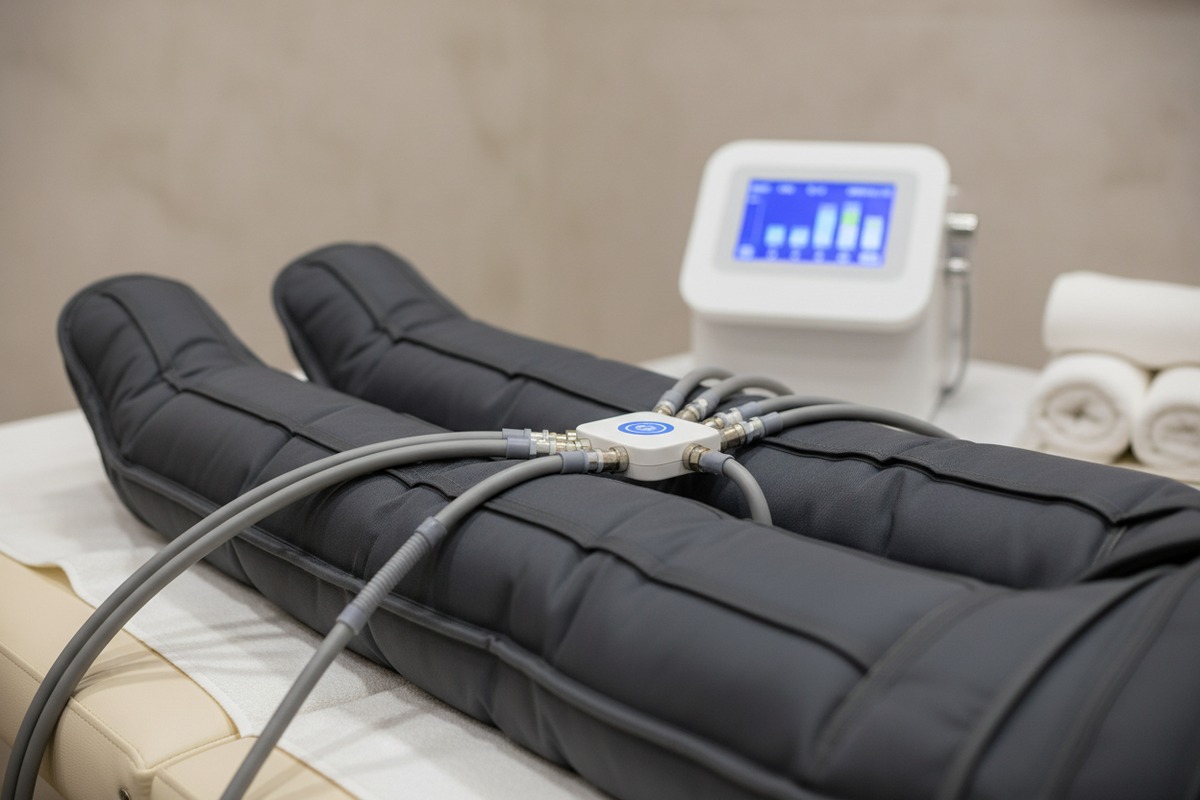
Certification Requirements for European Market
The European market demands specific certifications. CE marking is a mandatory requirement for medical devices to market in Europe. It is a legally binding statement by the manufacturer that their product meets all requirements of the Medical Device Regulation (EU) 2017/745.
For pressotherapy devices classified as medical equipment, suppliers should demonstrate:
| Certification | Purpose | Verification Method |
|---|---|---|
| CE Medical IIa | EU market access, safety compliance | Request certificate copy, verify with Notified Body |
| ISO 13485 | Quality management system for medical devices | Request certificate, check validity dates |
| ISO 9001 | General quality management | Basic requirement, verify annually |
| Technical File | Device-specific documentation | Review contents match your product specifications |
QC Process Evaluation Points
Inspect these areas during supplier assessment:
Incoming Material Inspection
- How do they test raw materials?
- What is their supplier qualification process?
- Do they maintain approved vendor lists?
In-Process Quality Control
- What inspection checkpoints exist during assembly?
- How are deviations documented and resolved?
- Who has authority to halt production for quality issues?
Final Product Testing
- What functional tests are performed?
- How do they test air pressure accuracy and consistency?
- What is the failure rate at final inspection?
Quality Management System Deep Dive
ISO 13485 certification requires manufacturers to implement quality management systems covering design control, production processes, and post-market surveillance. The MDR requires manufacturers to have QMS in place compliant with international standards.
Ask for evidence of:
- Documented procedures for each production stage
- Training records for production staff
- Calibration records for testing equipment
- Corrective action reports from past quality issues
- Internal audit schedules and findings
Post-Market Surveillance Capabilities
European regulations require ongoing monitoring. Strong suppliers understand:
- How they track product performance after delivery
- Their complaint handling and investigation process
- Their recall procedures if issues arise
- How they update technical documentation based on field data
What signs show me that their engineering team can support my custom product development?
Our R&D engineers often collaborate with clients on new product concepts. Strong engineering support separates true manufacturing partners from order-takers. Without proper engineering capability, your custom projects stall or fail.
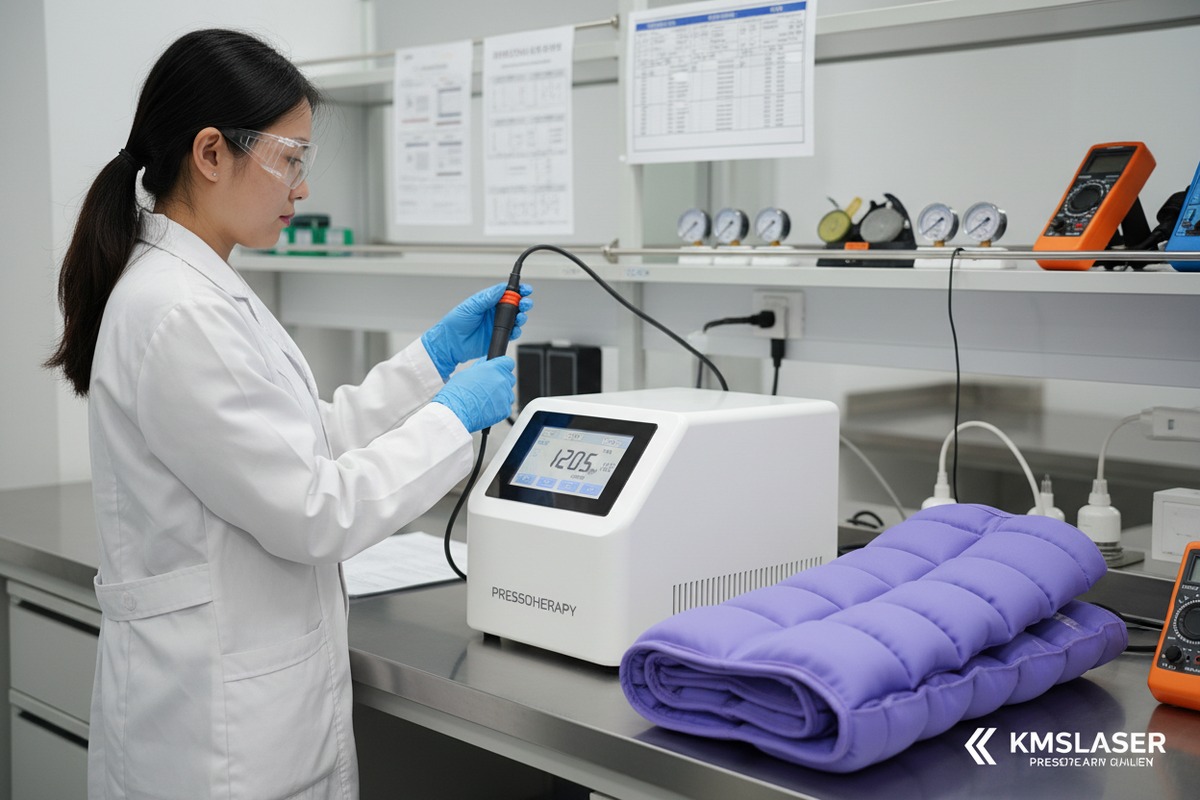
Signs of strong engineering support include dedicated project engineers assigned to your account, regular design review meetings, prototyping capabilities with documented iteration processes, simulation and testing facilities, and cross-functional teams covering mechanical, electrical, and software disciplines. Request their engineering team structure, past custom development case studies, and evidence of continuous improvement initiatives.
Engineering Team Structure Assessment
A capable supplier should have clearly defined engineering roles:
| Role | Responsibility | What to Verify |
|---|---|---|
| Project Engineer | Client liaison, timeline management | Dedicated contact for your project |
| Mechanical Engineer | Garment design, air chamber configuration | Experience with compression therapy applications |
| Electronics Engineer | Control board design, sensor integration | Familiarity with pressure calibration |
| Software Engineer | UI development, protocol programming | Ability to customize treatment modes |
| Quality Engineer | Design validation, testing protocols | Understanding of EU MDR requirements |
Custom Development Process Indicators
Look for these process elements:
Design Phase
- How do they capture your requirements?
- What design review stages exist?
- Do they provide 3D renderings or CAD files?
- How are design changes documented?
Prototyping Phase
- What is the typical prototype lead time?
- How many prototype iterations do they allow?
- Do they provide prototype testing reports?
- Can you visit for prototype reviews?
Validation Phase
- What testing protocols do they follow?
- Do they provide third-party test results?
- How do they validate performance claims?
- What clinical evidence do they generate?
Technical Innovation Indicators
Forward-thinking engineering teams should discuss:
- Integration of smart sensors for real-time feedback
- App connectivity for treatment monitoring
- Energy-efficient compressor designs
- Sustainable material alternatives for garments
In early 2025, a home-use pressotherapy system achieved shipping of over 15,000 units globally within the first nine months, marking significant growth from previous years. This indicates the market rewards innovative engineering.
Collaboration and Communication
Strong engineering partners demonstrate:
- Willingness to sign NDAs for proprietary designs
- Regular progress reporting schedules
- Transparent cost breakdowns for engineering work
- Clear ownership of intellectual property
- Technical documentation handover processes
Red Flags in Engineering Capability
Watch for these warning signs:
- No direct access to engineering staff
- Vague timelines for development milestones
- Inability to explain technical specifications
- Resistance to prototyping requests
- No evidence of past custom projects
Conclusion
Evaluating supplier knowledge of European pressotherapy trends requires systematic questioning across technology awareness, OEM capabilities, quality systems, and engineering depth. Strong suppliers cite specific market data, hold proper certifications, demonstrate structured development processes, and understand regional market variations. Use these evaluation criteria to build partnerships that serve European market demands effectively.
Footnotes
1. Explains requirements, product testing, and Notified Body involvement for Class IIa medical devices. ↩︎
2. Replaced with a market analysis report focusing on European pressotherapy systems and trends. ↩︎
3. Details ISO 13485 as an international standard for medical device quality management systems. ↩︎
4. Replaced with an article from Longest Medical discussing how the number of chambers affects air compression therapy. ↩︎
5. Replaced with a Pure Clinical article on MDR – EU Regulation for Medical Devices, from the original domain and directly addressing the requirements. ↩︎
6. Provides market size, share, and growth trends for pressotherapy systems in Europe. ↩︎
7. Explains the lymphatic system’s critical role in immune function, fluid balance, and detoxification. ↩︎
8. Replaced with an article on advanced pressotherapy machines that mentions ‘intelligent pressure sensors continuously monitor and adjust compression levels,’ which aligns with the concept of AI-driven adjustments. Anchor text adjusted for accuracy. ↩︎


 English
 Español de México
 Deutsch
 Français
 العربية
 Русский
Join the Conversation
Have a question or insight to share? We read every comment — whether you're a distributor, salon owner, or just curious about the technology. Your real-world experience helps others make better decisions. Drop your thoughts below.