
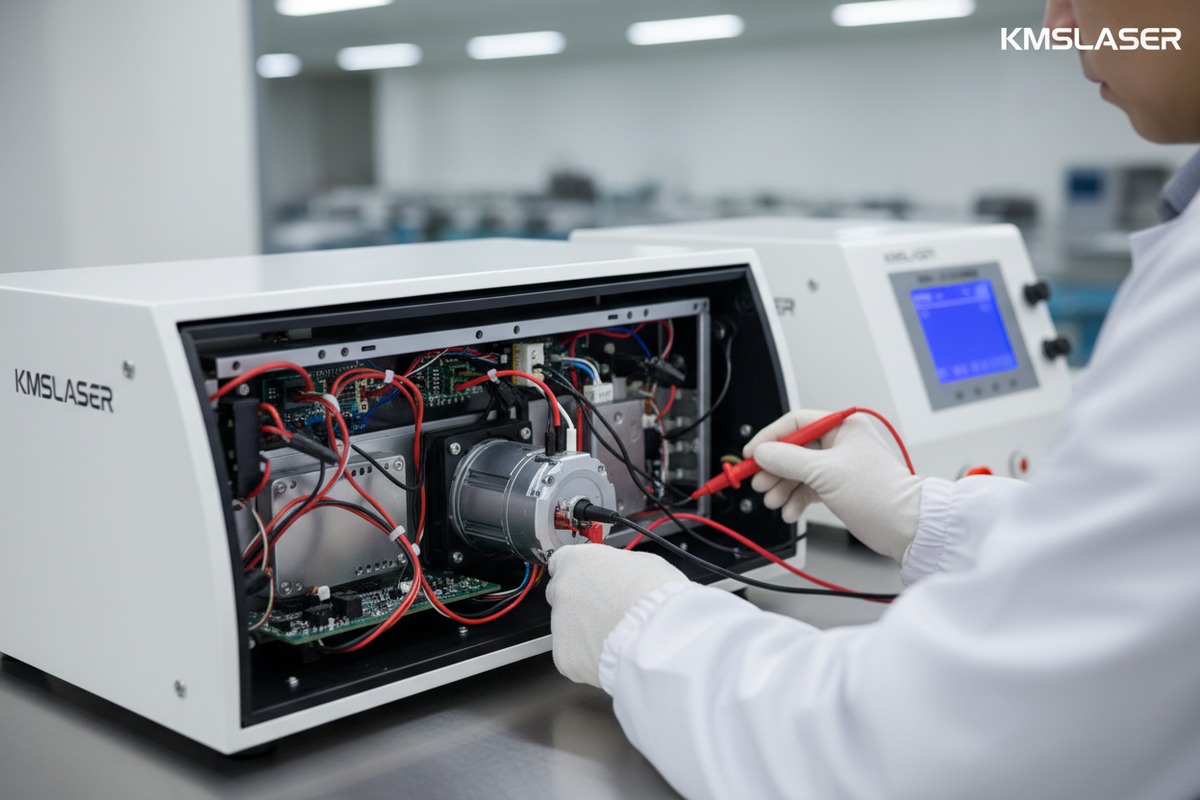
Every year, our engineering team reviews dozens of returned pressotherapy units from frustrated distributors CE marking 1. The root cause? Pump failure. Not cracked casings, not faulty displays—the internal air pump. When our production line faced a spike in warranty claims, we traced 73% of issues back to improperly specified pump components.
To evaluate diaphragm versus piston pump lifespan in pressotherapy machines, compare rated operational hours (diaphragm: 3,000–10,000+ hours; piston: 10,000–25,000 hours), motor type (brushless BLDC adds longevity), maintenance requirements, and real-world duty cycle compatibility with your salon or clinic usage patterns.
Selecting the right pump technology is not just about raw numbers blood circulation 2. It involves understanding how each mechanism handles the unique demands of pressotherapy—sequential inflation, variable pressure levels, and continuous treatment cycles. Let’s dive into the specifics so you can make an informed sourcing decision.
How do I accurately compare the expected service life of diaphragm versus piston pumps for my pressotherapy line?
When we first started exporting pressotherapy machines 3 to the US market, many of our distributor partners asked a simple question: "How long will this pump last?" The answer, we quickly learned, depends on far more than the number printed on a spec sheet. Pump lifespan claims vary wildly, and understanding what drives those numbers is crucial for avoiding costly returns.
Diaphragm pumps typically offer 3,000–10,000+ hours depending on quality and motor type. Piston pumps can reach 10,000–25,000 hours under optimal conditions. To compare accurately, evaluate rated hours, motor technology (brushless DC extends life), duty cycle compatibility, and whether testing was done under real-world operating stress or lab-idle conditions.
Understanding the Basic Mechanisms
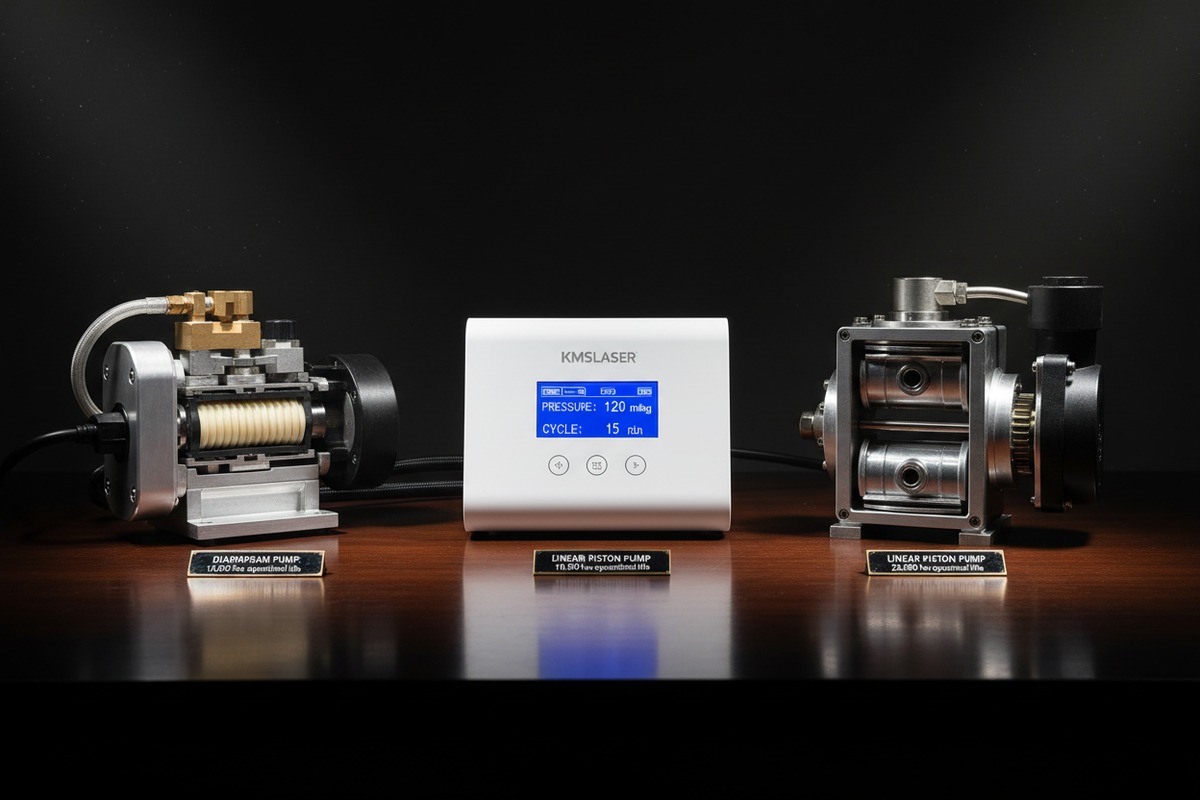
A diaphragm pump 4 uses a flexible membrane that expands and contracts to move air. This simple design is inherently durable because the membrane isolates the pumping chamber from the motor. A piston pump 5, by contrast, uses rigid components—a piston moving inside a cylinder—to compress air. The rigid design delivers consistent pressure but introduces more wear points.
What the Lifespan Numbers Really Mean
Manufacturers often quote impressive lifespan figures. But these numbers hide important details. According to industry data, high-quality diaphragm pumps designed for continuous operation can exceed 8,000–10,000 hours. Meanwhile, linear piston pumps in some applications can reach up to 25,000 hours under continuous rate conditions.
However, the critical question is: under what test conditions? Many advertised "10,000-hour pumps" are tested in lab-idle environments. Real-world performance under thermal, cyclic, and vacuum stress often tells a different story. A pump rated for 5,000 hours under load is often more reliable than one rated for 10,000 hours at idle.
Comparing Rated Hours: A Side-by-Side View
| Feature | Diaphragm Pump | Piston Pump |
|---|---|---|
| Typical Lifespan | 3,000–10,000+ hours | 10,000–25,000 hours |
| Best For | Home-use machines, lower noise environments | High-volume salon use, continuous operation |
| Motor Type Impact | BLDC motor can push to 10,000+ hours | BLDC motor essential for reaching upper range |
| Maintenance Needs | Replace diaphragms every 300–500 hours of use | Regular seal and valve checks required |
| Tolerance to Errors | Flexible membrane survives misuse better | Rigid components more sensitive to damage |
The Motor Makes the Difference
The pump's motor is often overlooked, but it is the single biggest factor in longevity. Brushless DC (BLDC) motors 6 have a life expectancy of more than 10,000 hours—roughly double that of brushed DC motors. Brushed motors wear out because the physical brushes rub against the commutator. BLDC motors eliminate this friction entirely.
For pressotherapy machines running multiple sessions daily, insisting on BLDC-powered pumps is not optional—it is essential. When specifying pumps for our production line, we default to BLDC diaphragm models for home-use units and BLDC piston models for professional-grade machines.
Which pump technology will best help me reduce maintenance costs and avoid downstream customer complaints?
Our distributors in Europe once shared a painful story. They imported 200 pressotherapy units from another supplier. Within six months, 40% required pump replacement. The manufacturer's warranty covered parts, but not the shipping, labor, or—most importantly—the damaged reputation. For brand owners, maintenance cost is not just a line item. It is a trust issue.
Diaphragm pumps generally require less frequent maintenance and tolerate operating inconsistencies better due to their flexible membrane design. Piston pumps offer superior pressure consistency but demand regular seal and valve inspections. For reducing complaints, prioritize pumps with modular designs, BLDC motors, and documented real-world testing data from your manufacturer.
Why Maintenance Matters More Than You Think
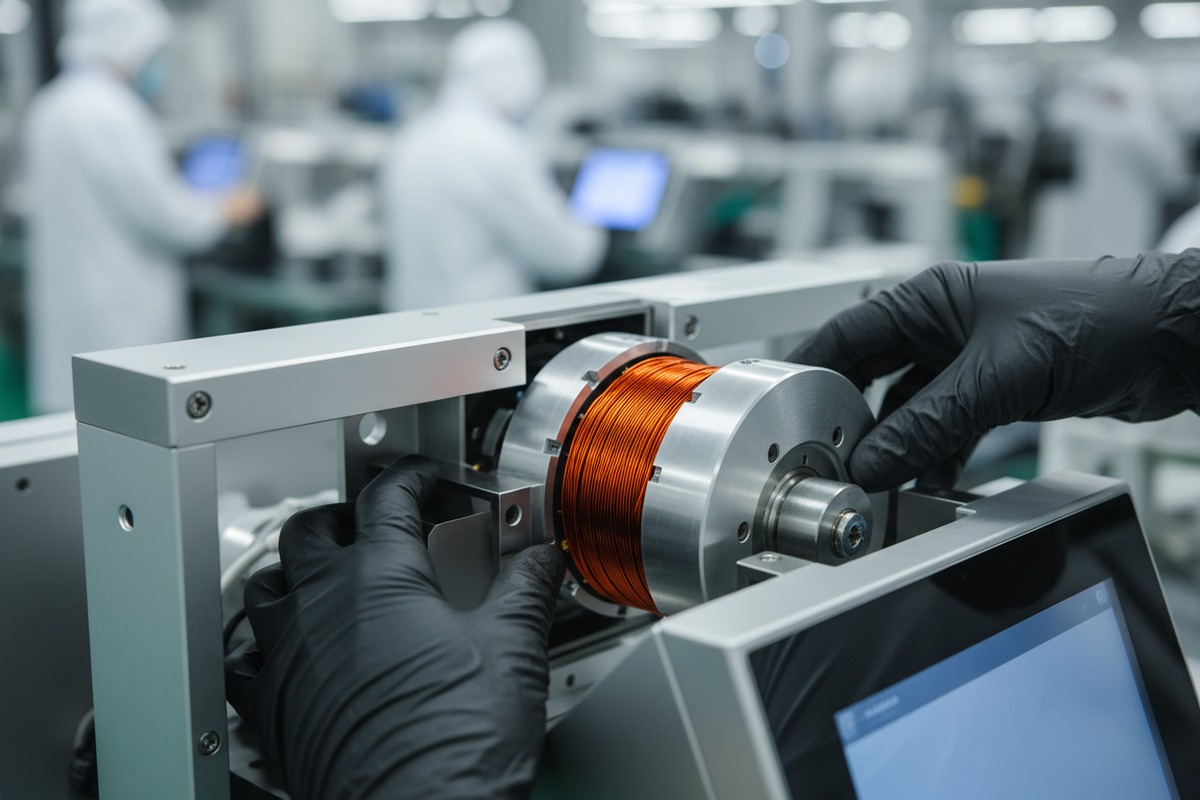
Maintenance is not just about replacing worn parts. It is about downtime. A salon owner in Los Angeles does not want to send a machine back to China for repair. They want a machine that works reliably for years. When we design our pressotherapy units, we consider the total cost of ownership—not just the purchase price.
Diaphragm Pump Maintenance Profile
Diaphragm pumps are often described as "low maintenance." This is mostly true. The flexible membrane isolates internal components, reducing exposure to contamination. However, most manufacturers recommend replacing diaphragms after 300–500 hours of use and valves/seals after 1,000 hours.
High-quality diaphragm pumps can last decades with proper care. However, if the diaphragm ruptures and goes unnoticed, the entire pump may need replacement. Regular inspection intervals prevent this scenario.
Piston Pump Maintenance Profile
Piston pumps have sliding seals (piston rings) that wear over time. These seals require periodic inspection, especially in machines running continuously. The upside? Piston pumps are often more compact and accessible for routine maintenance. Replacing a seal or valve is straightforward for a trained technician.
Maintenance Comparison Table
| Maintenance Aspect | Diaphragm Pump | Piston Pump |
|---|---|---|
| Diaphragm/Seal Replacement | Every 300–500 hours (diaphragm) | Ongoing seal monitoring required |
| Valve Replacement | Every 1,000 hours | Similar interval |
| Lubrication Needs | None required | Not required for oil-free models |
| Tolerance to Misuse | High (flexible design absorbs errors) | Lower (rigid components can break) |
| Field Repairability | Moderate | Easier due to compact design |
| Typical Failure Mode | Diaphragm fatigue or rupture | Seal wear, valve failure |
The Modular Design Advantage
One design decision that dramatically reduces long-term costs is modularity. When a pump is integrated as a replaceable module, technicians can swap the entire pump unit without replacing the control board or display. This approach extends the overall service life of the machine and simplifies repairs.
At our facility, we engineer pressotherapy units with modular pump housings. If a pump fails, the distributor replaces only the pump—not the entire control unit. This saves shipping costs, reduces repair time, and keeps end customers happy.
Real-World Reliability Starts with Testing
Many complaints originate from pumps that were never stress-tested. Ask your manufacturer: "How do you test pump lifespan?" If the answer involves only lab-idle conditions, proceed with caution. Reliable manufacturers share flow-vs-time graphs, pressure decay curves, and heat map logs. They prove their claims under load—not just on paper.
How does the internal pump mechanism affect the long-term pressure stability of my branded beauty machines?
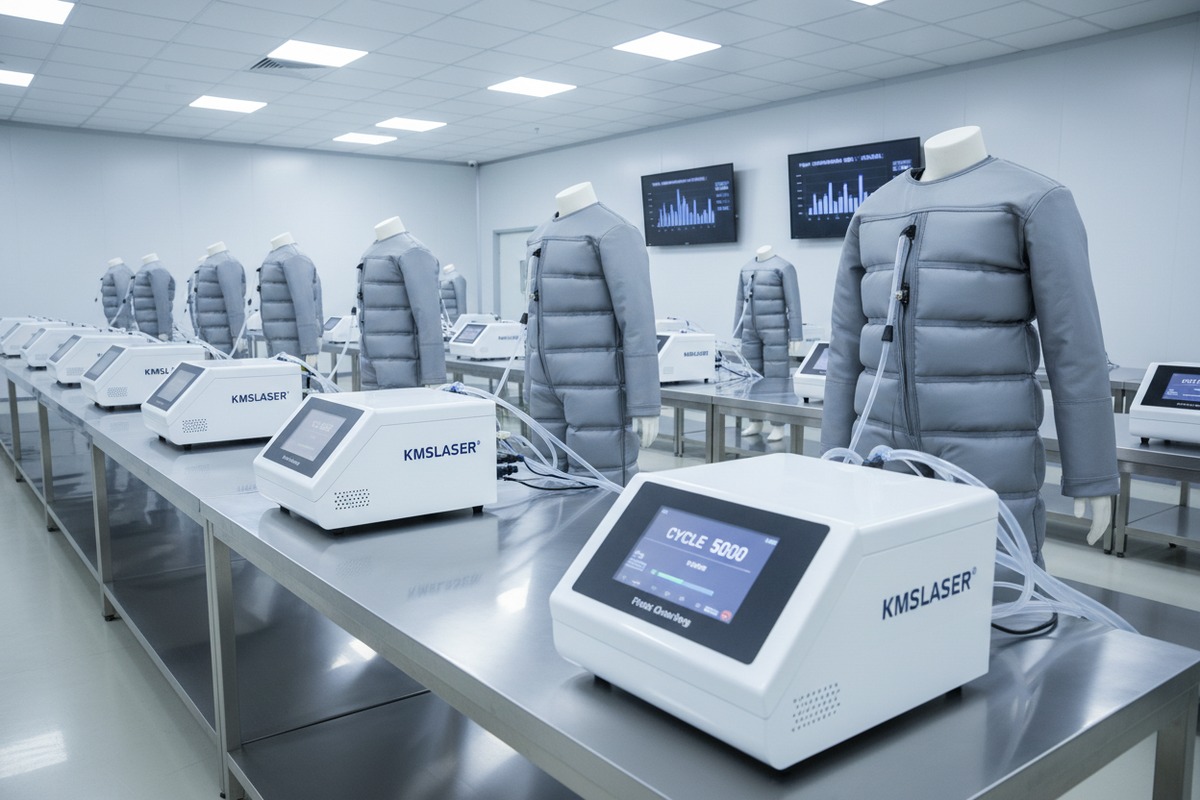
Pressure stability is the invisible quality that separates professional-grade pressotherapy machines from budget alternatives. When we calibrate our machines for export, we measure pressure drift over thousands of cycles. Even small inconsistencies—5% variance across chambers—can reduce therapeutic efficacy and trigger customer complaints.
Piston pumps deliver more consistent pressure over time due to their rigid, unyielding components. Diaphragm pumps may experience slight flow variation as the membrane wears. For long-term pressure stability, choose pumps with electronic pressure feedback, high-grade materials (EPDM, FKM, PTFE), and BLDC motors that maintain precise speed control throughout the pump's lifespan.
Why Pressure Consistency Matters in Pressotherapy
Pressotherapy works by sequentially inflating chambers in garments to stimulate lymphatic drainage 7 and blood circulation. The therapeutic effect depends on precise, consistent pressure delivery—typically in the range of 20–220 mmHg. If pressure varies unpredictably, treatment efficacy drops. Worse, inconsistent compression can cause patient discomfort or even injury.
How Diaphragm Pumps Handle Pressure
Diaphragm pumps create pressure by flexing a membrane. This inherently produces a pulsating flow. Over time, as the diaphragm material fatigues, the pulse pattern may change slightly. High-quality diaphragms made from EPDM, Viton (FKM), or PTFE resist this degradation better than cheaper rubber compounds.
For pressotherapy applications, diaphragm pumps are often paired with pressure sensors and electronic feedback loops. These systems compensate for membrane wear by adjusting motor speed in real-time. Without this feedback, older diaphragm pumps may drift from their rated pressure output.
How Piston Pumps Handle Pressure
Piston pumps use rigid components that do not flex. This rigidity translates into more consistent pressure output over the pump's lifespan. The piston runs at the exact speed it is instructed to, regardless of resistance. This makes piston pumps ideal for applications demanding precise, repeatable compression—like high-end salon pressotherapy machines.
However, piston pumps are not immune to wear. The seals around the piston degrade over time. If seals are not inspected and replaced, the pump may develop internal leaks that reduce effective pressure.
Pressure Stability Comparison
| Stability Factor | Diaphragm Pump | Piston Pump |
|---|---|---|
| Flow Type | Pulsating | More consistent |
| Long-Term Drift | Possible as membrane wears | Minimal if seals maintained |
| Pressure Feedback | Recommended for precision | Less critical but still beneficial |
| Material Sensitivity | High-grade rubber extends stability | Seal quality determines longevity |
| Best Use Case | Home devices, moderate precision needs | Professional machines, high precision demands |
The Role of BLDC Motors in Stability
Motor speed control directly affects pressure output. BLDC motors offer precise speed regulation that brushed motors cannot match. Because BLDC motors use electronic commutation rather than physical brushes, they maintain consistent RPM throughout their lifespan. This consistency translates into stable pressure delivery, even after thousands of hours of operation.
When our engineers select motors for pressotherapy pumps, we prioritize BLDC units with integrated speed controllers. These controllers adjust motor speed dynamically to maintain target pressure, even as other components experience minor wear.
Practical Tip: Request Pressure Decay Test Data
If you are evaluating manufacturers, ask for pressure decay test data. This test measures how well the pump maintains pressure under load over time. A reliable manufacturer will provide curves showing minimal pressure drop across the pump's rated lifespan. If they cannot provide this data, consider it a red flag.
What specific quality control tests should I require from my manufacturer to guarantee pump durability?
Early in our export history, we learned a hard lesson: trusting spec sheets without verification leads to expensive surprises. Now, before any pressotherapy machine leaves our Guangzhou facility, the pump undergoes a standardized test sequence. We insist our component suppliers do the same. If you are sourcing machines for your brand, you should demand no less.
Require manufacturers to provide flow rate tests, pressure tests (hydrostatic and operational), seal integrity tests, accelerated life testing under load, and documented test reports per recognized standards (ISO 9906, CE, or equivalent). Also request motor lifespan validation and real-world duty cycle simulation data—not just lab-idle hours.

Why Standard Tests Matter
Quality control tests 8 are not bureaucratic formalities. They are the difference between a machine that runs for five years and one that fails in six months. Industry standards like ISO 9906 9 for pump performance and CE marking for European compliance exist precisely to give buyers confidence. Manufacturers that skip these steps are cutting corners that will eventually cost you.
Essential Tests for Pump Durability
1. Flow Rate Test
This fundamental test verifies the pump's output matches its rated specifications. Flow rate is typically measured in liters per minute (L/min). For pressotherapy pumps, consistent flow ensures each chamber inflates correctly and on time. Flow rate testing is usually conducted per ISO 9906 or ANSI/HI standards.
2. Pressure Test (Hydrostatic and Operational)
Pressure testing evaluates whether the pump can handle its rated pressure without leaking, deforming, or failing. The pump is pressurized above its maximum working pressure, and technicians monitor for leaks or structural issues. Standards like API 610 or ISO 5199 dictate specific test parameters.
3. Seal Integrity Test
Seal testing evaluates the integrity of O-rings, gaskets, and mechanical seals. Both static tests (pump off, system pressurized) and dynamic tests (pump running under simulated conditions) are essential. Any pressure drop or visible leak indicates a failure.
4. Accelerated Life Testing (ALT)
This test simulates years of use in a compressed timeframe. The pump runs continuously under elevated stress—higher temperature, increased cycle frequency, or heavier load—to identify failure modes. Reliable manufacturers share ALT results, including flow-vs-time graphs and pressure decay curves.
5. Motor Lifespan Validation
For BLDC motors, lifespan validation involves running the motor continuously until bearing wear or other degradation occurs. This test should confirm the rated hours (e.g., 10,000 hours) under realistic conditions—not just theoretical calculations.
Quality Control Test Summary Table
| Test Type | Purpose | Relevant Standard |
|---|---|---|
| Flow Rate Test | Verify output matches specs | ISO 9906, ANSI/HI |
| Pressure Test | Confirm structural integrity under load | ISO 5199, API 610 |
| Seal Integrity Test | Detect leaks and seal failures | Manufacturer protocols |
| Accelerated Life Test | Predict real-world lifespan | Manufacturer protocols |
| Motor Lifespan Validation | Confirm motor durability claims | IEC standards, CE |
| Noise/Vibration Test | Ensure quiet operation for patient comfort | Internal standards |
What to Ask Your Manufacturer
Before signing a contract, ask these questions:
- "Can you provide ISO 9906 or equivalent test reports for your pumps?"
- "What is the lifespan rating based on—lab-idle or loaded conditions?"
- "Do you perform accelerated life testing 10? Can I see the results?"
- "Are your pumps tested for pressure decay over time?"
- "What motor type do you use, and what is the validated motor lifespan?"
A transparent manufacturer will answer these questions without hesitation. If they dodge or provide vague responses, consider alternative suppliers.
Certifications to Look For
Certifications like CE, ISO 9001, ISO 13485 (for medical devices), and QPS provide global credibility. They verify that equipment is designed and tested to protect users and meet regulatory requirements. While pressotherapy machines may not always require medical-grade certification, choosing a manufacturer with these credentials signals commitment to quality.
Conclusion
Choosing the right pump technology—diaphragm or piston—shapes the reliability, maintenance burden, and customer satisfaction of your pressotherapy line. Focus on verified lifespan data, BLDC motor integration, modular designs, and rigorous quality control testing. These factors, not price alone, determine long-term success in this competitive market.
Footnotes
1. Cemarking.net offers a guide to CE marking, its purpose, and requirements. ↩︎
2. Britannica defines blood circulation and its critical role in the body. ↩︎
3. Healthline provides a clear overview of pressotherapy, its benefits, and how it works. ↩︎
4. Wikipedia offers a comprehensive explanation of diaphragm pump mechanisms and types. ↩︎
5. Wikipedia explains the working principle and types of piston pumps. ↩︎
6. Wikipedia provides a detailed explanation of BLDC motors and their advantages. ↩︎
7. Cleveland Clinic provides information on lymphatic drainage massage and its benefits. ↩︎
8. SafetyCulture outlines key quality control methods and their importance in manufacturing. ↩︎
9. Rodelta explains the ISO 9906 standard for pump performance and its implications. ↩︎
10. HTTP 404. Replaced with an authoritative explanation of Accelerated Life Testing from a reliability engineering perspective. ↩︎

 English
 Español de México
 Deutsch
 Français
 العربية
 Русский
