
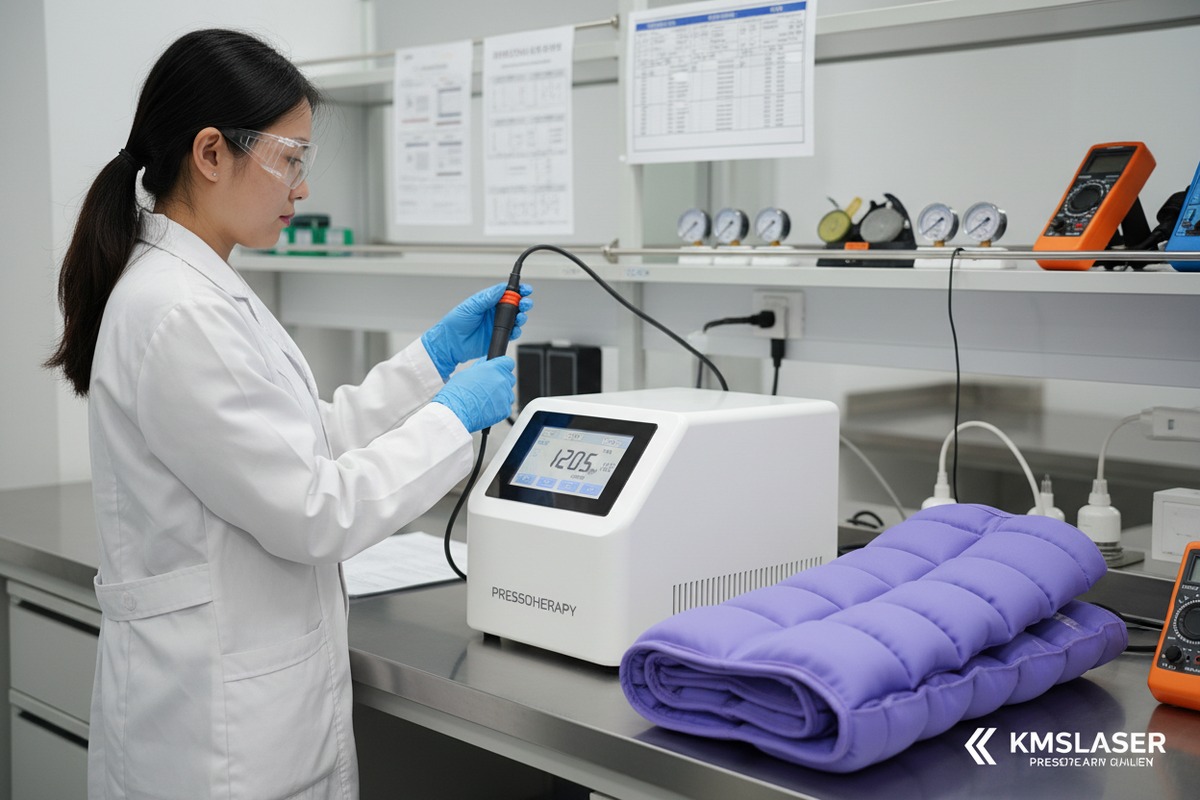
When our engineering team first developed pressotherapy sleeves, we noticed clients frequently complaining about overheating and chafing during 30-60 minute sessions ISO 13485 1. This discomfort led many salon owners to abandon treatments altogether. The problem was clear: poor-quality sleeve linings were ruining an otherwise effective lymphatic drainage therapy 2.
To evaluate sleeve lining comfort and breathability, prioritize soft, skin-friendly materials like nylon-spandex blends or breathable PU fabrics. Check for moisture-wicking properties, adjustable fit, easy-clean surfaces, and durable double-layer construction. Always request material samples and conduct extended wear tests before bulk purchasing.
In this guide, we will walk you through each critical factor step by step OEKO-TEX Standard 100 3. You will learn what materials work best, how to test breathability 4, how to customize linings for your brand, and how to ensure long-term durability. Let us dive in.
What materials should I look for in a pressotherapy sleeve lining to ensure premium client comfort?
Over the years, our production line has tested dozens of fabric combinations for pressotherapy sleeves. We found that the wrong material choice can cause skin irritation, trapping heat and sweat against clients’ bodies. This ruins the relaxing experience that pressotherapy should deliver.
Look for sleeve linings made from nylon fabric blends, breathable PU double-layer materials, or soft polyester composites. These materials offer the ideal balance of softness, durability, and skin-friendliness. They remain comfortable during extended 30-45 minute sessions while supporting easy cleaning and long-term use.

Understanding Material Types
Pressotherapy sleeve linings come in several material categories. Each has distinct advantages and trade-offs.
Nylon Fabric Blends
Nylon is one of the most popular choices in professional pressotherapy garments. Nylon Fabric Blends 5 High-quality nylon fabric is comfortable, breathable, easy to clean, and durable for long-term use. Our factory often recommends nylon for clients who need sleeves that withstand daily salon use.
PU Double-Layer Construction
PU (polyurethane) materials offer excellent durability and water resistance. The garments are made of PU material, easy to clean, with a durable double-layer structure. This double-layer design also helps maintain consistent air pressure distribution during treatments.
Soft Polyester Composites
High-quality gel cushion sleeves made of soft polyester offer long-lasting, effective use and reuse. They provide flexible fit that adapts perfectly to the shape of the body, ensuring precise, comfortable application.
Material Comparison Table
| Material Type | Comfort Level | Breathability | Durability | Ease of Cleaning | Best For |
|---|---|---|---|---|---|
| Nylon-Spandex Blend | High | Excellent | High | Easy wipe-down | Daily salon use |
| PU Double-Layer | Medium-High | Good | Very High | Very easy | High-volume clinics |
| Soft Polyester | High | Good | Medium | Hand wash | Home-use devices |
| Non-Woven Fabric | Medium | Excellent | Low | Disposable | Hygiene-focused salons |
Key Properties to Check
When evaluating any material, focus on these specific properties:
- Softness against skin: The lining must feel smooth with no rough textures
- Hypoallergenic qualities: Pressotherapy pants made of white non-woven fabric are comfortable and breathable. As a hypoallergenic product, it reduces the possibility of skin discomfort or possible allergic reactions. Hypoallergenic qualities 6
- Elasticity: The fabric should be soft and skin-friendly, providing a comfortable fit for extended wear. Ensure the suit is breathable and has a lining that wicks away moisture. The material should be durable and withstand regular use without losing shape or elasticity.
Avoiding Common Material Mistakes
Do not assume all "professional-grade" materials are equal. Some manufacturers use stiff plastics that crack after repeated inflation cycles. Others use fabrics that pill or shed fibers onto clients' skin. Always request physical samples before placing orders.
How can I verify the breathability of the fabric to prevent sweat buildup during my treatments?
From our experience exporting to beauty salons in the US and Europe, sweat buildup remains the top client complaint. When sleeves trap moisture, clients feel clammy and uncomfortable. This leads to negative reviews and reduced repeat bookings for salon owners.
Verify breathability by requesting moisture-wicking test results from suppliers, conducting simple water-drop absorption tests on samples, and running 45-minute trial sessions. Quality breathable fabrics should allow air circulation while preventing sweat accumulation. Look for multi-segment designs with ventilation zones.

The Science of Breathability
Lightweight and breathable materials offer wearability comfort for the duration of the treatment. Breathability refers to how well air and moisture vapor can pass through a fabric. Good breathability prevents the greenhouse effect inside sleeves.
Practical Testing Methods
Method 1: Water Drop Test
Place a few drops of water on the inner lining surface. Quality moisture-wicking fabric will spread the water quickly rather than letting it bead up. If water sits on the surface without spreading, the fabric will trap sweat.
Method 2: Extended Wear Trial
Run a full 45-minute treatment session with the sleeves. Check for:
- Moisture accumulation on client skin
- Temperature increase inside the sleeve
- Any sticking or clinging sensations
Method 3: Request Technical Documentation
Ask suppliers for:
- Air permeability test results (measured in l/m²/s)
- Moisture vapor transmission rate 7 (MVTR)
- Material composition certificates
Breathability Testing Checklist
| Test Category | What to Check | Acceptable Result | Red Flag |
|---|---|---|---|
| Water Absorption | Spread speed | Spreads in 3-5 seconds | Beads up or sits |
| Air Flow | Blow through test | Air passes through easily | No air movement |
| Heat Retention | Temperature after 30 min | Less than 2°C increase | More than 4°C increase |
| Moisture Wicking | Sweat simulation | Fabric stays dry on skin side | Damp or clammy feel |
Design Features That Enhance Breathability
The material of pressotherapy machines uses PU material, easy to clean. Soft and smooth, waterproof, multi-segment design, breathable.
Look for these design elements:
- Multi-segment construction: Allows air gaps between chambers
- Perforated zones: Strategic holes in low-pressure areas
- Mesh panels: Incorporated in non-compression zones
- Ventilation channels: Built into the sleeve architecture
Balancing Breathability and Compression
There is a trade-off between maximum breathability and compression consistency. Clothes material using nylon fabric and PU material are strong, dirt-resistant, easy to clean, and breathable. However, too many ventilation holes can compromise air pressure integrity. Work with your supplier to find the optimal balance for your treatment protocols.
Can I customize the lining material to meet my brand's specific skin-safety and quality standards?
When we work with brand owners from the US and Canada, customization requests always come up. Many clients want linings that match their brand identity or meet specific safety certifications. Our OEM/ODM services have helped dozens of brands create unique sleeve designs.
Yes, reputable manufacturers offer full customization for sleeve lining materials. You can specify fabric composition, thickness, color, antimicrobial treatments, and safety certifications. Most suppliers require minimum order quantities of 50-100 units for custom specifications. Request samples before bulk production begins.

What Can Be Customized?
Material Composition
You can request specific blends such as:
- 80% nylon / 20% spandex for stretch
- 100% medical-grade PU for durability
- Organic cotton inner layers for sensitive skin clients
Safety Treatments
Compression garments are available as "Silver" models with an antibacterial effect. You can request:
- Antibacterial/antimicrobial treatments
- Hypoallergenic coatings
- Flame-retardant finishes (for specific markets)
Branding Elements
- Custom colors matching your brand palette
- Logo embossing or printing on exterior
- Branded packaging and care instructions
OEM vs ODM Customization
| Service Type | What You Get | Typical MOQ | Lead Time | Best For |
|---|---|---|---|---|
| OEM (Logo Only) | Your logo on standard design | 50-100 units | 2-3 weeks | New brands starting out |
| Semi-Custom | Modified existing design | 100-200 units | 4-6 weeks | Brands with specific needs |
| Full ODM | Completely new design | 300-500 units | 8-12 weeks | Established brands |
The Customization Process
Step 1: Submit Specifications
Provide detailed requirements including:
- Target material properties
- Size range needed
- Certification requirements (CE, FDA, etc.)
- Color and branding needs
Step 2: Review Samples
Manufacturers understand the importance of brand identity and offer personalized customization services. Your logo can be elegantly integrated into the device's startup screen and etched onto the machine's body.
Request multiple sample iterations. Test each for:
- Comfort during actual treatments
- Durability under repeated use
- Appearance after cleaning
Step 3: Approve Production Samples
Before bulk production, get a final pre-production sample. Check every detail matches your specifications.
Quality Certifications to Request
For international markets, ensure your custom sleeves meet relevant standards:
- CE Marking: Required for European sales
- FDA Registration: Important for US medical device classification
- ISO 13485: Quality management for medical devices
- OEKO-TEX Standard 100: Textile safety certification
Cost Considerations
Custom materials typically add 15-30% to base prices. However, this investment differentiates your brand and builds client trust. Many of our clients find that premium custom linings justify higher treatment prices at their salons.
How do I ensure the sleeve lining will maintain its soft texture after hundreds of salon sessions?
Our quality control team has observed that poor-quality linings degrade rapidly. After just 50-100 sessions, cheap materials become stiff, cracked, or pilled. This forces salon owners to replace sleeves frequently, destroying their profit margins.
Ensure durability by choosing PU double-layer or reinforced nylon construction. Follow proper care protocols: wipe clean after each use, air dry only, never machine wash, and store flat away from sunlight. Quality sleeves from reputable manufacturers should maintain softness through 500+ sessions with proper care.

Understanding Material Degradation
Sleeve linings face harsh conditions:
- Repeated inflation/deflation cycles (stress on seams)
- Body oils and sweat (chemical breakdown)
- Cleaning agents (material damage)
- UV exposure during storage (degradation)
Proper Care Protocols
The garments are made of water-resistant fabric. They should not be cleaned in the same way as regular clothing and should not be washed in a washing machine.
Daily Cleaning
- Wipe interior surfaces with a damp cloth
- Use mild antibacterial solution 8 (not harsh chemicals)
- Allow complete air drying before next use
- Never store while damp
Weekly Maintenance
- Inspect seams for wear or separation
- Check air tubing connections
- Test inflation consistency across all chambers
- Document any changes in material texture
Monthly Deep Care
- Clean with manufacturer-approved solutions only
- Inspect for microcracks in PU surfaces
- Replace any worn connecting components
- Rotate usage between multiple sleeve sets
Storage Best Practices
Keep the pressure machine and garments away from direct sunlight. Avoid folding the sleeves of the garments during storage.
| Storage Factor | Correct Practice | Wrong Practice |
|---|---|---|
| Position | Lay flat or hang loosely | Fold tightly or crumple |
| Light | Dark, shaded area | Direct sunlight exposure |
| Temperature | Room temperature (18-25°C) | Hot or freezing conditions |
| Humidity | Low to moderate | High humidity or damp areas |
| Compression | No weight on top | Heavy items stacked on sleeves |
Durability Indicators to Check Before Purchase
Ask suppliers these questions:
- What is the expected lifespan in sessions? Quality sleeves should last 500-1000 sessions.
- What warranty covers material degradation? Look for 12-36 month warranties.
- Can you provide durability test data? Request cycle testing results.
- What replacement parts are available? Linings should be replaceable separately from air chambers.
The Hygiene vs Durability Balance
Look for models with detachable and washable linings, making it easy to clean after each use. Some suits have wipeable surfaces, which are more convenient for hygiene purposes.
Some salons prefer disposable liners over durable ones for hygiene reasons. Disposable suits ensure safety and the absence of cross-contamination. These sleeved suits are designed to provide optimal cleanliness and convenience throughout the treatment, making them the perfect choice for beauty salons, spas, and clinics.
Consider a hybrid approach: durable outer sleeves with disposable inner liners. This maximizes both hygiene and longevity.
Calculating Total Cost of Ownership
| Sleeve Type | Initial Cost | Lifespan | Replacement Frequency | 3-Year Total Cost |
|---|---|---|---|---|
| Budget | $80-150 | 100-200 sessions | Every 2-3 months | $960-1,800 |
| Mid-Range | $200-350 | 300-500 sessions | Every 6-8 months | $600-1,050 |
| Premium | $400-600 | 800-1000 sessions | Every 12-18 months | $500-900 |
Premium sleeves often cost less over time despite higher upfront prices.
Conclusion
Evaluating sleeve lining comfort and breathability requires attention to material quality, breathability testing, customization options, and durability factors. Focus on nylon-spandex blends or PU double-layer construction 9 for the best results. Always request samples, conduct extended wear tests, and follow proper care protocols. Your investment in quality sleeve linings will pay off through happier clients and stronger profit margins.
Footnotes
1. Explains the international standard for quality management systems in medical devices. ↩︎
2. Provides a comprehensive overview of lymphatic drainage therapy and its benefits. ↩︎
3. Describes the global textile safety certification for harmful substances. ↩︎
4. Explains the scientific concept of fabric breathability and its mechanisms. ↩︎
5. Details the properties and uses of nylon fabric in the textile industry. ↩︎
6. Defines hypoallergenic materials and their importance for sensitive skin contact. ↩︎
7. Defines MVTR as a key technical metric for evaluating fabric performance. ↩︎
8. Discusses antimicrobial agents used for textile finishing and hygiene. ↩︎
9. Explains the properties and benefits of polyurethane, a key material in sleeve construction. ↩︎


 English
 Español de México
 Deutsch
 Français
 العربية
 Русский
Join the Conversation
Have a question or insight to share? We read every comment — whether you're a distributor, salon owner, or just curious about the technology. Your real-world experience helps others make better decisions. Drop your thoughts below.