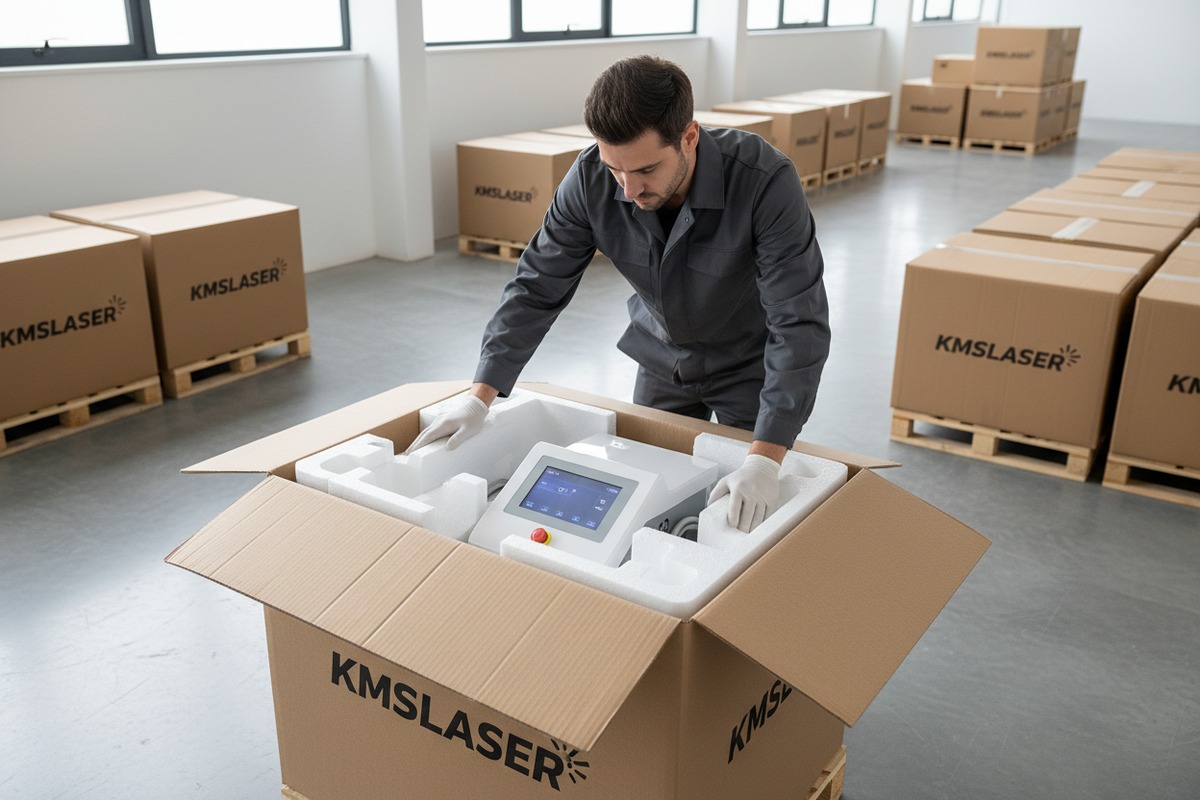
Every time our production team wraps up another pressotherapy machine order, one question keeps circling back: will this packaging survive the courier journey overall logistics costs 1? We have seen too many cases where poorly packaged equipment arrives damaged, triggering costly returns and unhappy buyers.
To ensure pressotherapy machine packaging passes e-commerce courier drop tests, you must demand ISTA 3A-certified testing, use custom foam inserts and double-wall corrugated boxes, request video documentation or formal inspection reports, and invest in reinforced packaging that reduces long-term damage claims and shipping costs.
This article covers the exact standards, verification methods, and cost benefits that will help you confidently ship pressotherapy machines worldwide. Let’s dive into each critical area.
What specific ISTA drop test standards should I demand for my pressotherapy machine orders?
When we first started exporting pressotherapy systems to North America and Europe, our buyers asked us about compliance standards. We quickly learned that generic packaging claims mean nothing without proper testing certification.
You should demand ISTA 3A certification for pressotherapy machines. This standard tests packaged products under 150 pounds shipped via parcel delivery systems like FedEx, UPS, or USPS. It includes drop tests, vibration tests, and compression tests that simulate real courier handling conditions.
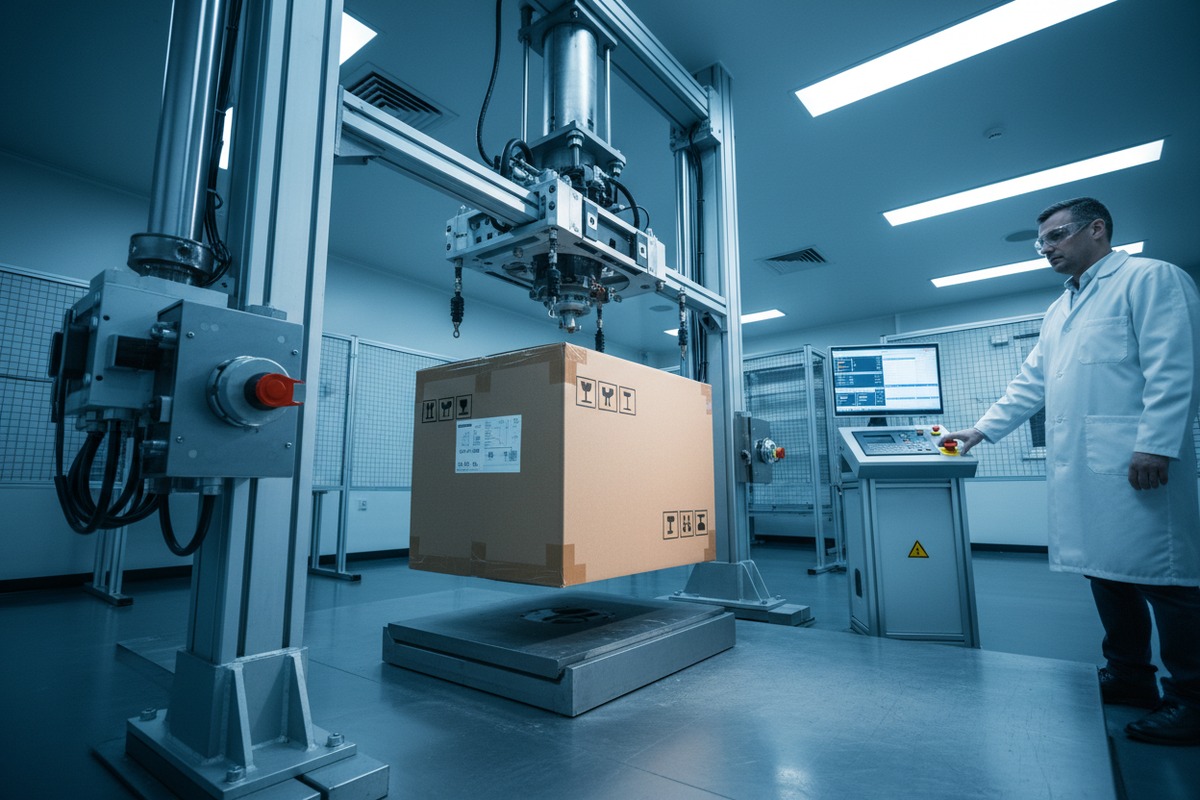
Understanding ISTA 3A Test Procedures
ISTA 3A is a general simulation performance test procedure that replicates common transport conditions in order to evaluate the effectiveness of individual product packaging. For pressotherapy machines that include control units, compression suits, and hoses, this standard provides the most relevant testing framework.
This procedure has been designed to provide a standard set of tests to understand individual package / product performance when shipped through small parcel services such as UPS, FedEx or the US Postal System. This directly applies to how most pressotherapy machines reach end-users.
Key ISTA 3A Test Components
The ISTA 3A test includes a series of mechanical challenges designed to simulate real-world transportation conditions. These include drop tests from various heights, vibration tests to replicate the effects of road transport, and compression tests to simulate stacking during storage. The package is also subjected to random vibration and shock testing to assess its resilience under different transport scenarios.
| Test Type | Purpose | Relevance to Pressotherapy |
|---|---|---|
| Drop Test | Simulates courier handling drops | Protects control unit LCD screen and air pump |
| Vibration Test | Replicates truck and air transport | Prevents loosening of hose connections |
| Compression Test | Simulates warehouse stacking | Maintains structural integrity of packaging |
| Atmospheric Conditioning | Tests humidity and temperature | Protects electronic components |
Package Weight and Size Classifications
The ISTA 3A standard, developed by the International Safe Transit Association (ISTA) 2, is designed specifically for testing packaged products that are shipped through parcel delivery systems, particularly for packages weighing less than 150 pounds (68 kg). Most pressotherapy machines, including the control unit and full-body suit, fall within this weight range.
This test separates packages by shape into four categories. The four shapes are standard, small, flat and elongated. The tests and the test conditions change as a function of the package shape. For pressotherapy systems, the standard package classification typically applies.
Why ISTA 3A Matters for E-commerce
By adhering to the ISTA 3A standard, manufacturers can reduce the risk of product damage during transit, lowering return rates and increasing customer satisfaction. This test helps companies optimize their packaging solutions, ensuring that products can survive the rigors of modern parcel delivery systems while minimizing waste and improving cost efficiency.
ISTA 3A testing includes shock testing by using the drop method (8 drops for standard packages & 7 drops for small packages at varying heights). This rigorous approach ensures the packaging can handle multiple impact events during transit.
How can I verify that my supplier's custom packaging design actually protects the internal components?
Our engineering team learned early that designing packaging on paper is very different from real-world performance. When one of our pressotherapy machines arrived in California with a cracked LCD display, we knew verification had to become a priority.
Verify custom packaging design through a three-step process: request third-party lab testing reports from ISTA-certified facilities, conduct internal drop tests using calibrated equipment, and perform post-test inspections that document both packaging and product condition with photos and detailed notes.

Third-Party Lab Testing Verification
Transport test simulation is a critical validation step used to ensure that medical packaging is maintained over shipping worldwide. We test according to two standards: the ASTM D4169 standard 3 and the International Safety Transport Association (ISTA) programme.
When selecting a testing lab, confirm they hold ISTA accreditation. As an ISTA and ISO 17025 certified lab 4, we realize the importance of ISTA 3A transit testing. This dual certification ensures testing accuracy and reliability.
Sample Size Requirements
ISTA 3A requires a minimum of 1 sample to be tested. For final packaging design purposes a higher number of samples is recommended; ideally 5 or more. However only testing one is mandatory to establish compliance.
| Sample Size | Purpose | Recommendation |
|---|---|---|
| 1 sample | Minimum compliance | Initial screening only |
| 3 samples | Basic validation | Pilot production runs |
| 5+ samples | Statistical significance 5 | Final design approval |
| 10+ samples | Full production confidence | High-volume orders |
ISTA encourages performing the procedure five (5) or more times using new samples with each test to improve statistical significance for all package types.
Internal Packaging Inspection Methods
The visual inspection test checks packaging sterility by conducting a visual assessment. A technician will look for potential issues, visible to the naked eye, in both the flexible and the rigid packaging.
For pressotherapy machines, internal inspection should focus on:
- Control unit alignment within foam cavity
- Hose and connector protection
- Compression suit fold integrity
- Accessory compartment security
Documentation Requirements
Validation documentation includes the protocol, manufacturing instructions, sterility records, test results, validation reports, and standard operating procedures (SOPs). It is important to follow good documentation practices as the proper documentation provides evidence of compliance and serves as a reference for future audits and inspections.
Request the following documents from your supplier:
- Test protocol with specific drop heights and orientations
- Pre-test photographs of packaging and product
- Post-test inspection report with damage assessment
- Material specifications for cushioning and outer box
Packaging Component Verification Checklist
| Component | Verification Method | Acceptance Criteria |
|---|---|---|
| Outer box | Burst strength test | Meets ECT rating for weight class |
| Foam inserts | Compression recovery test | Returns to 90%+ original shape |
| Sealing tape | Peel adhesion test | No delamination after drops |
| Corner protection | Impact absorption test | No cracking or crushing |
| Moisture barrier | Humidity exposure test | No condensation on product |
Should I request a live video or a formal inspection report of the courier drop test?
When buyers ask us about test documentation, we always recommend both formats. Our quality control team found that video reveals details written reports often miss.
Request both a live video recording and a formal inspection report. Video documentation captures the actual drop sequence, impact reactions, and immediate post-drop conditions. The formal report provides standardized data, measurable results, and documentation suitable for regulatory compliance and insurance claims.

Value of Video Documentation
Video recording during drop tests offers unique benefits that written reports cannot capture. When our team reviews test footage, we look for subtle packaging behaviors like box corner deformation, foam compression patterns, and any product shifting within the cavity.
Key elements to request in video documentation:
- Clear view of package orientation before each drop
- Slow-motion capture of impact moment
- Audio of impact sounds indicating internal collisions
- Immediate post-drop inspection of exterior
- Unboxing sequence showing internal condition
Formal Inspection Report Components
Calibration and measurement requirements should be assessed during all phases of validation and should include a verification after validation. A documented procedure should be established for the routine inspection of the forming, sealing, and other closure systems; tooling; and machine settings.
A comprehensive formal report should include:
| Report Section | Required Information | Purpose |
|---|---|---|
| Test Setup | Equipment model, calibration date, drop height settings | Validates test accuracy |
| Sample Description | Package dimensions, weight, material specifications | Ensures proper test conditions |
| Test Sequence | Drop order, orientations, number of drops | Confirms protocol compliance |
| Observations | Damage descriptions, photographs, measurements | Documents actual results |
| Pass/Fail Determination | Criteria used, final assessment | Provides clear conclusion |
| Recommendations | Design improvements, material changes | Guides next iteration |
When to Prioritize Video vs. Report
For initial packaging development, video documentation helps identify design problems visually. You can share footage with your engineering team to discuss specific failure points.
For contractual compliance and regulatory purposes, the formal report carries more weight. This documentation acts as a complete evidence package proving that your packaging system has undergone proper medical device packaging validation and medical device packaging testing.
Combining Both Documentation Types
Our recommendation is to establish a documentation package that includes:
- Unedited video of complete test sequence
- Annotated photos highlighting any damage
- Standardized report following ISTA format
- Material test certificates for packaging components
- Supplier quality assurance sign-off
Adequate Sample Size: Most manufacturers use sample sizes of 3,000 units or less to assess sterility with reasonable confidence. Documentation: Manufacturers should thoroughly document each validation testing stage to demonstrate their results to regulatory agencies.
Questions to Ask Your Supplier About Test Documentation
Before accepting any test results, verify:
- Who conducted the test? (internal team vs. third-party lab)
- Is the testing facility ISTA-certified?
- What equipment was used and when was it last calibrated?
- Were samples taken from actual production or specially prepared?
- Can you access raw data and unedited footage?
How will investing in reinforced packaging reduce my overall logistics costs and customer complaints?
From our production floor experience, we have seen the direct correlation between packaging investment and total cost of ownership. Buyers who initially resisted premium packaging often returned after their first wave of damage claims.
Investing in reinforced packaging reduces overall logistics costs through fewer damage claims, lower return rates, decreased customer service burden, and improved brand reputation. The upfront investment in quality packaging typically costs 15-25% more but can reduce damage-related expenses by 50-80% over time.

The True Cost of Shipping Damage
In the U.S. alone, shipping damage results in about $1 billion in losses annually. For pressotherapy machine sellers, damage costs extend far beyond the product replacement value.
Package testing centers report that on average, a package is dropped 17 times during delivery. Each drop opportunity represents a potential damage event your packaging must withstand.
Hidden Costs of Inadequate Packaging
Loss of Inventory: Damaged items can't be restocked or resold, leading to inventory waste and restocking delays. Refund and Replacement Costs: In many cases, businesses cover the full value of the product plus reshipping fees, reducing overall profitability. Customer Disappointment: A single bad experience can prevent a customer from ordering again. In e-commerce, loyalty is earned through consistency and reliability. Business Downtime: Teams must stop their workflow to handle damage claims, customer complaints, and restocking.
| Cost Category | Standard Packaging | Reinforced Packaging | Savings |
|---|---|---|---|
| Damage rate | 8-12% | 1-3% | 70-85% fewer claims |
| Return processing | $45-75 per incident | Avoided | Full cost elimination |
| Replacement shipping | $50-150 per unit | Avoided | Full cost elimination |
| Customer service time | 30-60 min per case | Minimal | Labor cost reduction |
| Reputation damage | Long-term revenue loss | Brand protection | Immeasurable value |
Reinforced Packaging Components for Pressotherapy Machines
Investing in quality materials often saves more than it costs. Double-wall corrugated boxes 7 and right-sized single-wall boxes with reinforced corners protect fragile goods.
For pressotherapy systems, reinforced packaging should include:
Outer Protection:
- Double or triple-wall corrugated boxes rated for actual weight plus safety margin
- Reinforced corners with integrated protectors
- Weather-resistant coating for humidity protection
Internal Cushioning:
Foam inserts are custom-moulded pieces made from materials like polyethylene or polyurethane that provide tailored protection for products during transit. custom foam inserts 8 These inserts are designed to fit the exact shape of the items they protect, ensuring stability and preventing unwanted movement.
Component Separation:
Corrugated dividers, custom inserts, and compartmentalized trays prevent items from colliding.
Return on Investment Calculation
Consider a typical scenario:
| Factor | Value |
|---|---|
| Pressotherapy machine wholesale price | $800-1,500 |
| Standard packaging cost | $15-25 |
| Reinforced packaging cost | $35-55 |
| Packaging upgrade investment | $20-30 per unit |
| Average damage claim cost | $200-500 |
| Damage rate with standard packaging | 10% |
| Damage rate with reinforced packaging | 2% |
For every 100 units shipped:
- Standard packaging: 10 damage claims × $350 average = $3,500 loss
- Reinforced packaging: 2 damage claims × $350 average = $700 loss
- Additional packaging cost: 100 units × $25 = $2,500
- Net savings with reinforced packaging: $300 per 100 units
This calculation excludes customer lifetime value protection, brand reputation benefits, and reduced administrative burden.
Preventing Customer Complaints Through Packaging Quality
Shipping damage destroys customer trust and eats into profit margins faster than almost any other operational failure. When a customer receives a broken item, the excitement of the unboxing experience 9 instantly turns into frustration, leading to returns, negative reviews, and lost future sales. Implementing effective packaging strategies to reduce shipping damage protects the product, safeguards the reputation of the brand, and ensures long-term profitability.
Adopting quality control not only reduces the likelihood of damage but also lowers shipping cost associated with replacements and customer complaints. Knowing how to avoid shipping damage through such measures provides long-term protection for products and enhances customer satisfaction.
Conclusion
Protecting your pressotherapy machines through e-commerce courier shipping requires demanding ISTA 3A certification 10, verifying packaging design with proper documentation, and investing in reinforced materials. The upfront investment in quality packaging pays dividends through reduced damage claims, happier customers, and protected brand reputation.
Footnotes
1. Discusses how packaging impacts the total expenses associated with logistics. ↩︎
2. Provides information about the organization that develops packaging test standards. ↩︎
3. Offers details on another key standard for transport packaging performance testing. ↩︎
4. Explains the requirements and importance of ISO 17025 accreditation for testing laboratories. ↩︎
5. Replaced with an authoritative definition of statistical significance from Britannica. ↩︎
6. Explains the importance of documentation for meeting regulatory requirements. ↩︎
7. Describes the structural benefits of double-wall corrugated boxes for protection. ↩︎
8. Details the benefits and materials of custom foam inserts in packaging. ↩︎
9. Highlights the customer’s perception and impact of packaging on brand loyalty. ↩︎
10. Replaced with an authoritative source from UL Solutions explaining ISTA 3A testing and certification. ↩︎


 English
 Español de México
 Deutsch
 Français
 العربية
 Русский
Join the Conversation
Have a question or insight to share? We read every comment — whether you're a distributor, salon owner, or just curious about the technology. Your real-world experience helps others make better decisions. Drop your thoughts below.