

When our production team packages pressotherapy machines for export, we know that even the smallest detail matters ISPM 15 pallet compliance 1. A single non-compliant wood pallet can trigger a nightmare at customs—delays, fines, or worse, your entire shipment seized and destroyed.
To ensure ISPM 15 pallet compliance when sourcing pressotherapy machines from China, verify that your supplier uses IPPC-certified wood packaging with proper heat treatment stamps. Request certificates, inspect stamps before shipment, and consider plastic or plywood pallets to bypass regulations entirely. This protects your equipment and avoids costly customs issues.
The sections below break down exactly how to verify compliance, what documents you need, how to avoid penalties, and whether alternative pallet materials make sense for your business.
How can I verify that my supplier's wood pallets meet ISPM 15 standards before my pressotherapy machines ship?
After years of shipping beauty equipment to the US and Europe, our team has learned that trusting a supplier’s word alone is not enough IPPC-certified wood packaging 2. Non-compliant packaging can arrive looking perfect—until customs inspectors find faded stamps or untreated wood.
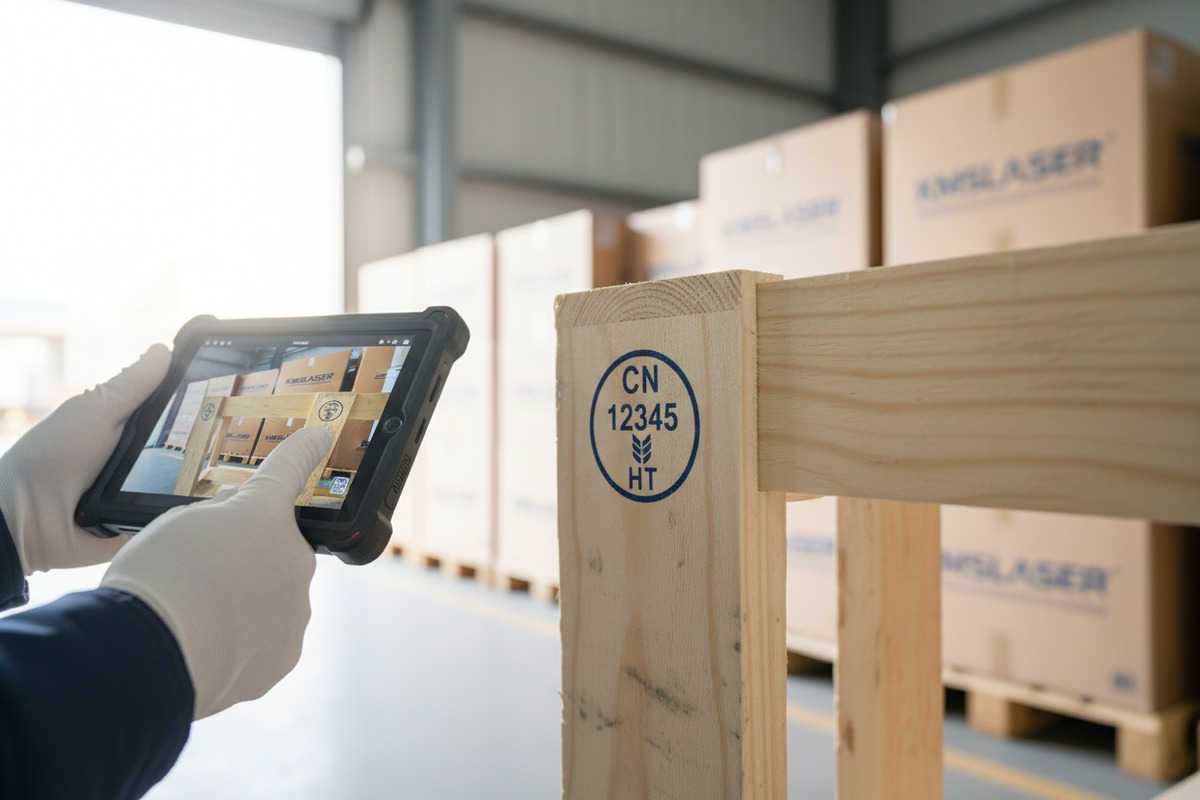
To verify ISPM 15 compliance before shipment, check every pallet for a visible IPPC stamp showing the country code (CN for China), producer number, and treatment code (HT for heat treatment). Request photos of stamps, ask for treatment certificates, and confirm your supplier holds valid IPPC registration through official databases.
Understanding the IPPC Stamp
The ISPM 15 mark is your proof of compliance. It tells customs inspectors that the wood has been properly treated. Every compliant stamp must include several key elements.
| Stamp Element | Description | Example |
|---|---|---|
| IPPC Logo | Grain/wheat symbol | Standard across all countries |
| Country Code | Two-letter ISO code | CN (China) |
| Producer Code | Unique facility number | CN-XXX |
| Treatment Code | Method abbreviation | HT (Heat Treatment) or MB (Methyl Bromide) |
The stamp must be permanent—metal, plastic, or adhesive labels are not allowed. It should appear on at least two opposite sides of the pallet. Legibility is critical. Even treated wood that does not have a legible IPPC stamp 3 can be blocked by customs.
Pre-Shipment Verification Steps
Start by requesting clear photos of the actual pallets that will carry your pressotherapy machines. Do not accept generic images from the supplier's website. Ask for close-up shots of the ISPM 15 stamps.
Next, confirm that your Chinese supplier is officially registered. China requires registration of manufacturers of wood packaging material. You can verify facility registration through IPPC databases or official lists maintained by China's National Plant Protection Organization 4.
Third-Party Inspection Options
For high-value medical devices like pressotherapy systems, consider hiring inspection companies such as SGS or Bureau Veritas. They can verify stamps, check treatment records, and audit the supplier's facility. This costs money upfront but can save tens of thousands in customs penalties.
Our quality control team always conducts video inspections before containers are sealed. We ask warehouse staff to show every pallet on camera. This simple step has caught compliance issues before they became expensive problems.
Red Flags to Watch
Be cautious if your supplier:
- Cannot provide stamp photos upon request
- Offers vague answers about their IPPC certification
- Uses pallets without clear, readable stamps
- Provides certificates that lack specific batch or treatment details
Regions like Guangdong and Shandong have many certified facilities. If your supplier is based in these areas and cannot prove certification, that is a warning sign.
What documentation should I request from my Chinese manufacturer to prove ISPM 15 compliance for my shipment?
Our export team deals with documentation every day. We have seen shipments delayed because buyers assumed a verbal promise was enough. It is not. Proper paperwork protects you at every checkpoint.
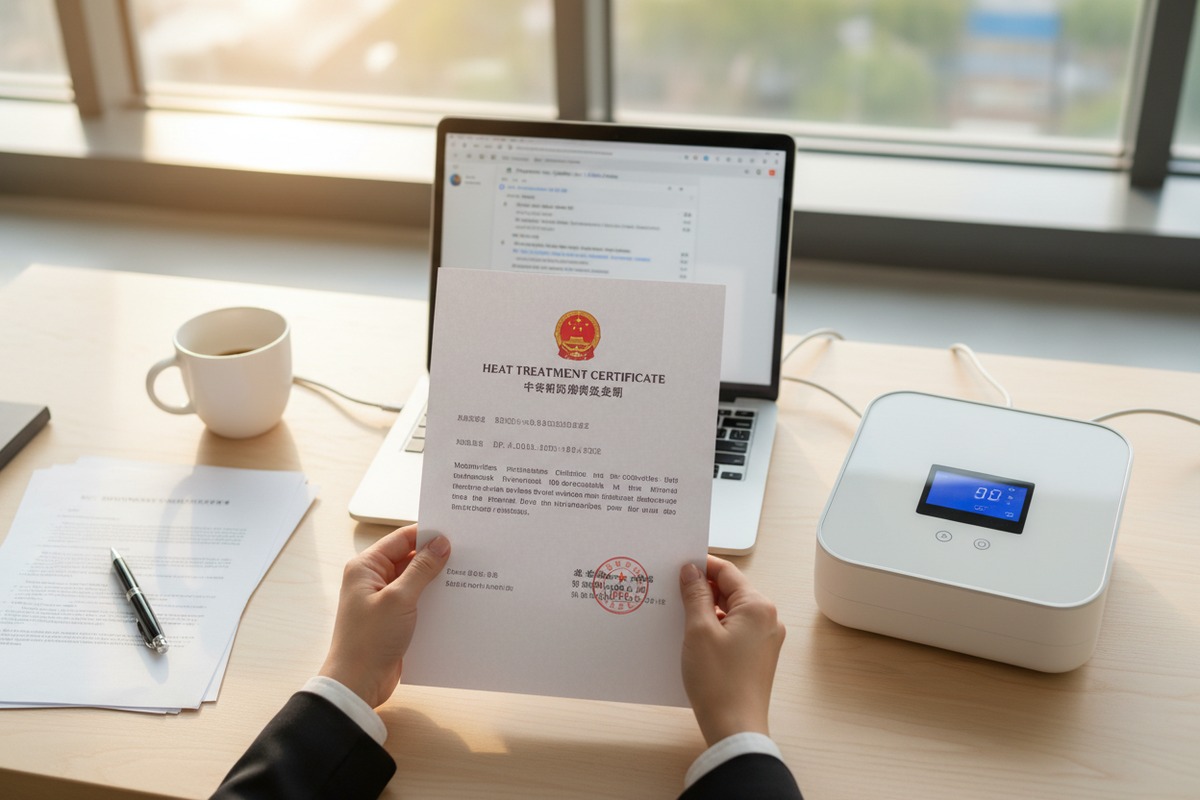
Request treatment certificates showing heat treatment details (56°C core temperature for 30 minutes minimum), supplier IPPC registration proof, and photographs of pallet stamps for each shipment batch. Maintain detailed records of all compliance documents for at least five years, as customs may request verification retroactively.
Essential Documents Checklist
Having the right documentation is your strongest ally when avoiding customs delays and penalties. Even if your wood packaging materials have been treated properly, lacking thorough records can lead to delays, rejections, or hefty fines at international borders.
| Document Type | What It Should Include | Why It Matters |
|---|---|---|
| Treatment Certificate 5 | Date, temperature, duration, batch number | Proves specific pallets were treated correctly |
| IPPC Registration | Facility code, validity period, certifying body | Confirms supplier is authorized |
| Pallet Stamp Photos | Clear images of each pallet in shipment | Visual evidence for pre-clearance |
| Packing List | Pallet quantities, identification numbers | Matches documents to physical goods |
Treatment Certificate Details
Your treatment certificate should contain specifics that match ISPM 15 requirements. Look for records that include kiln charts, temperature readings, treatment durations, and core temperatures. The wood must be heated to a minimum core temperature of 56°C for a minimum duration of 30 continuous minutes throughout the entire profile of the wood.
Ask your supplier to provide certificates for the exact batch of pallets used for your shipment, not generic documents. Some unregulated mills use recycled certificates or fake stamps. Batch-specific documentation prevents this risk.
Digital Record Keeping
Many importers now use digital tracking systems to store compliance records. This approach offers several advantages:
- Faster retrieval during customs inquiries
- Reduced risk of document loss
- Easier sharing with freight forwarders and customs brokers
Cloud storage with proper backup ensures your records survive for the required retention period. In the US, importers must keep records for five years from entry.
Communication Best Practices
Put your ISPM 15 requirements in writing. Include them in purchase orders and supply contracts. Specify:
- Heat treatment only (HT), not methyl bromide
- Mandatory stamp photos before container loading
- Treatment certificates for each batch
- Right to reject shipments with compliance issues
This written trail protects you if disputes arise. It also signals to your supplier that you take compliance seriously.
How do I prevent customs delays and fines caused by non-compliant wood packaging on my imported beauty equipment?
When we first started exporting pressotherapy machines, a partner had a container held for three weeks at a US port. The pallets looked fine—but faded stamps made them unreadable. The cost? Over $15,000 in storage fees, fumigation, and missed sales.
Prevent customs delays by verifying stamp legibility before shipment, using only certified suppliers, building compliance checks into your supply chain, and keeping detailed documentation. If non-compliance is discovered, penalties can include fines up to the domestic value of goods, forced fumigation, re-export, or destruction of your shipment.

Understanding the Penalties
The consequences of ISPM 15 non-compliance are severe. US Customs and Border Protection 6 (CBP) has tightened enforcement significantly. A single instance of non-compliant wood packaging on imported goods can result in penalties and potential seizure.
| Penalty Type | Potential Cost | Notes |
|---|---|---|
| Negligence Fine | Up to 2x duties owed | Minimum penalty level |
| Gross Negligence | Up to 4x duties owed | For repeated or serious violations |
| Fraud | Full domestic value | Maximum penalty |
| Fumigation | $200+ per pallet | If treatment at port is allowed |
| Re-export | Variable | Plus original shipping costs |
| Destruction | Total loss | Goods may be destroyed entirely |
Customs penalties of up to five times the value of the goods are possible in some jurisdictions. The financial impact extends beyond direct fines—lost sales, damaged customer relationships, and potential blacklisting from future imports.
2026 Enforcement Changes
Starting January 1, 2026, APHIS 7 resumed full enforcement of all ISPM 15 marking requirements, including specific formatting rules like the mandatory hyphen between country code and producer code. There is no soft enforcement period. From 2026, CBP will resume enforcement of this requirement without exception.
For beauty equipment importers, this means zero tolerance for minor stamp errors. Review all current supplier practices immediately.
Building a Compliance-First Supply Chain
Prevention starts at the source. Work only with suppliers who can demonstrate:
- Current IPPC certification
- Consistent treatment processes
- Clear documentation systems
- Willingness to allow audits
Our factory maintains relationships with certified pallet suppliers in Guangdong. We inspect stamps before loading and photograph every pallet. This adds time but eliminates surprises at destination ports.
Pre-Shipment Protocols
Before any pressotherapy machine leaves our facility, we verify:
- All pallets have clear, legible IPPC stamps
- Stamps appear on at least two opposite sides
- Treatment codes match documentation
- No repairs have been made to treated pallets (which would require retreatment)
If wood packaging material is altered, repaired, or reassembled, it must be re-treated and re-marked to maintain compliance.
What to Do If Problems Arise
If you discover non-compliance after goods ship:
- Contact your freight forwarder immediately
- Consider diverting to another country for reconditioning
- Self-report to APHIS and CBP in advance—this may help expedite handling
- Document everything for insurance claims
Early action can reduce penalties and prevent total loss of your shipment.
Should I ask my supplier to use plastic or plywood pallets to avoid ISPM 15 regulations entirely?
Every time our team packages delicate pressotherapy equipment, we weigh the options carefully. Wood pallets offer strength at low cost. But the compliance burden keeps growing. For many of our international customers, alternative materials have become the smarter choice.
Plastic pallets, plywood, and presswood pallets are completely exempt from ISPM 15 regulations. While plastic pallets cost more upfront ($25-80 versus $10-15 for treated wood), they eliminate compliance risks, reduce customs delays, and are reusable. For high-value pressotherapy machines, the extra cost often pays for itself in avoided penalties and smoother logistics.

Understanding ISPM 15 Exemptions
Not all packaging materials need treatment. The IPPC recognizes that certain materials do not pose pest transmission risks.
| Material Type | ISPM 15 Status | Notes |
|---|---|---|
| Plastic Pallets 8 | Exempt | Made from polypropylene or polyethylene |
| Plywood | Exempt | Processed under heat and pressure |
| Presswood/Molded Wood | Exempt | Made from wood chips under high heat |
| OSB/Particle Board | Exempt | Processed wood products |
| Metal Crates | Exempt | No pest risk |
| Wood under 6mm thick | Exempt | Too thin to harbor pests |
Plastic pallets are completely exempt from ISPM 15 regulations because they are not made from raw wood. This exemption simplifies your shipping process significantly.
Cost-Benefit Analysis
The upfront cost difference between wood and plastic pallets can seem significant. However, total cost of ownership tells a different story.
| Factor | Treated Wood Pallet | Plastic Pallet |
|---|---|---|
| Unit Cost | $10-15 | $25-80 |
| Treatment Fees | Included | None |
| Compliance Risk | Moderate to High | Zero |
| Lifespan | 1-3 shipments | 10+ years |
| Reusability | Limited | Excellent |
| Weight | ~25 kg | ~15 kg |
| Customs Hassle | Stamps/Docs Required | None |
For one-way shipments, lightweight nestable plastic pallets may cost only slightly more than treated wood while eliminating all compliance paperwork. They're also about 20% lighter, which can reduce shipping costs.
When Plastic Makes Sense
Consider plastic or other exempt materials when:
- You ship frequently to countries with strict enforcement (US, EU, Australia)
- Your products are high-value and sensitive to delays
- You want to simplify supply chain management
- Your customers reuse or return packaging
Pressotherapy machines contain delicate electronics and sensitive components. Delays for fumigation or extended port storage can damage equipment. The peace of mind from exempt packaging has real value.
Presswood: The Middle Ground
Presswood pallets 9 are made from dried wood chips compression-moulded under pressure and heat. They are extremely suitable for use as export pallets, as they are not covered by the regulations for solid wood. They are regarded as "processed wood" under ISPM 15.
These pallets offer:
- Lower cost than plastic
- Space-saving stackability (saves up to 50% storage space)
- Single-trip suitability for export
- Problem-free entry to all countries worldwide
For customers who need cost control but want to avoid ISPM 15 headaches, presswood represents an excellent compromise.
Making the Transition
If you decide to switch to exempt materials, communicate clearly with your Chinese supplier. Specify:
- Exact pallet type required
- Quality standards expected
- Certification needs (for presswood, verify it meets processed wood definitions)
- Load capacity requirements for your equipment weight
Our team can source plastic or presswood pallets that meet your specifications. The initial coordination takes time, but the long-term simplification of your import process makes it worthwhile.
Conclusion
ISPM 15 compliance matters when importing pressotherapy machines from China. Verify stamps before shipment, document everything, and consider plastic or plywood pallets to eliminate risk entirely. Your equipment deserves to arrive without customs drama.
Footnotes
1. Official U.S. Customs and Border Protection guidance on ISPM 15 requirements for wood packaging materials. ↩︎
2. Australian government information detailing ISPM 15 compliance and the certification mark for wood packaging. ↩︎
3. U.S. Customs and Border Protection explains the required elements of the ISPM 15 stamp. ↩︎
4. FAO e-learning course explaining the role and functions of National Plant Protection Organizations. ↩︎
5. U.S. Customs and Border Protection specifies heat treatment requirements that a certificate would verify. ↩︎
6. Direct information from the primary U.S. agency enforcing ISPM 15 regulations for imported goods. ↩︎
7. Official USDA APHIS announcement regarding the reinstatement of ISPM 15 hyphen marking requirements. ↩︎
8. Wikipedia provides a clear overview of materials, including plastic pallets, that are exempt from ISPM 15 regulations. ↩︎
9. Wikipedia explains that presswood pallets, as processed wood, are exempt from ISPM 15 requirements. ↩︎

 English
 Español de México
 Deutsch
 Français
 العربية
 Русский
