
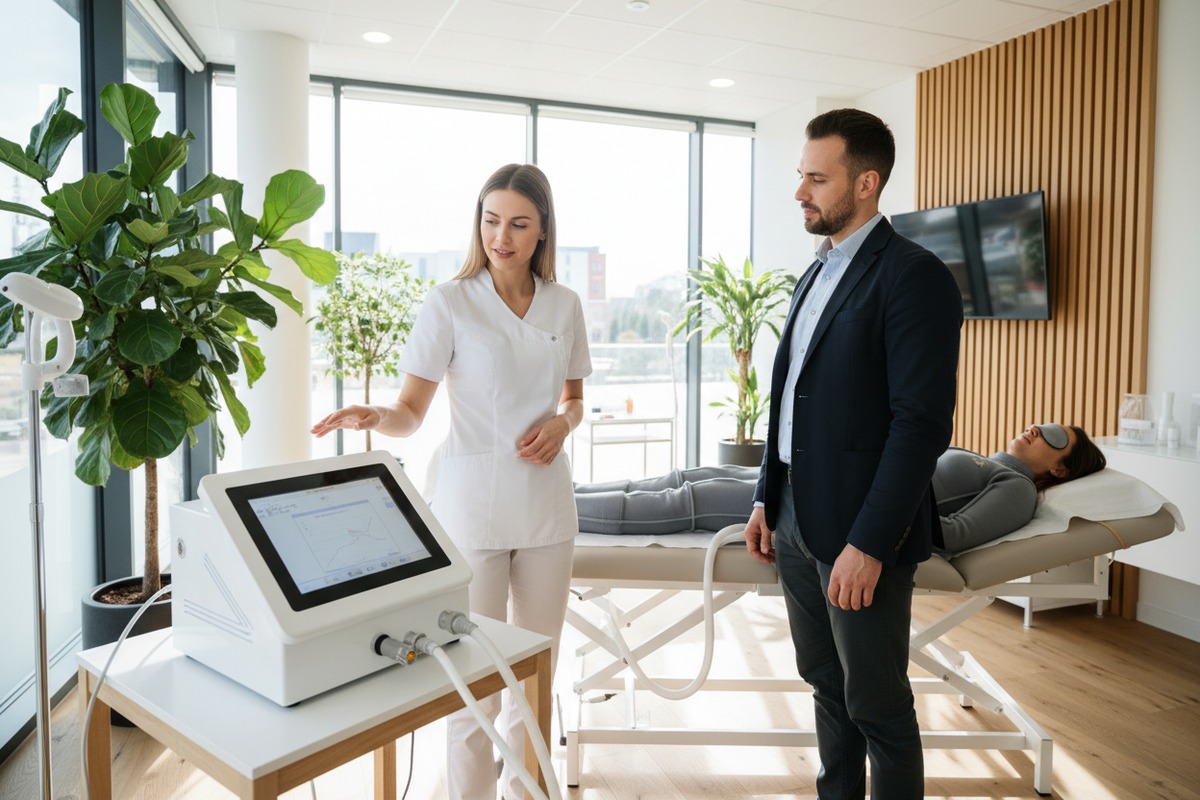
Walking through our testing facility, I often see clinic owners struggling with equipment that fails after a few months OEM services 1. Choosing the wrong pressotherapy machine wastes money and leaves your patients with untreated swelling.
To choose the best pressotherapy machine, prioritize clinical efficacy through high chamber counts, medical-grade certifications, and robust construction. Startups must balance initial investment with long-term reliability and manufacturer support to ensure a fast return on investment while delivering superior patient results for lymphatic drainage.
Selecting the right equipment requires a deep look into manufacturing standards and technical specifications.
How do I find a pressotherapy machine manufacturer that meets my strict quality control standards?
When we calibrate the pressure sensors on our production line, we see how easily cheap components fail sequential compression 2. Finding a partner who values precision as much as you do is essential for safety.
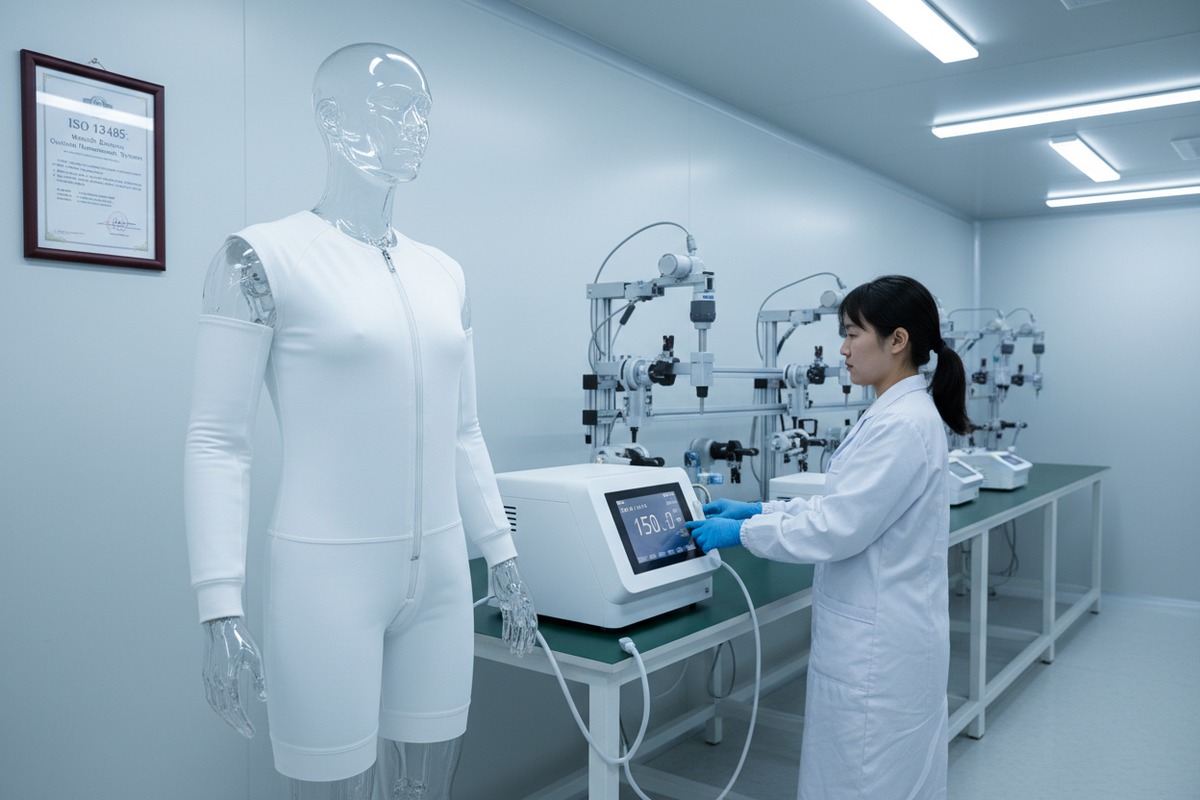
Look for manufacturers with ISO 13485 certification and a transparent quality control process that includes 24-hour pressure leak tests and material stress evaluations. A reputable supplier will provide detailed inspection reports and use high-durability fabrics to prevent garment failure during intensive clinical use.
Assessing Factory Certifications
You should always ask for documentation before placing an order DDP (Delivered Duty Paid) shipping terms 3. A professional factory will hold ISO 13485 certification 4s, which are the gold standard for medical device manufacturing. This ensures every machine is built in a controlled environment. We also recommend checking for CE and FDA registrations 5 if you plan to operate in Europe or the US. These certifications prove the machine has passed rigorous safety and performance benchmarks.
The Importance of Material Quality
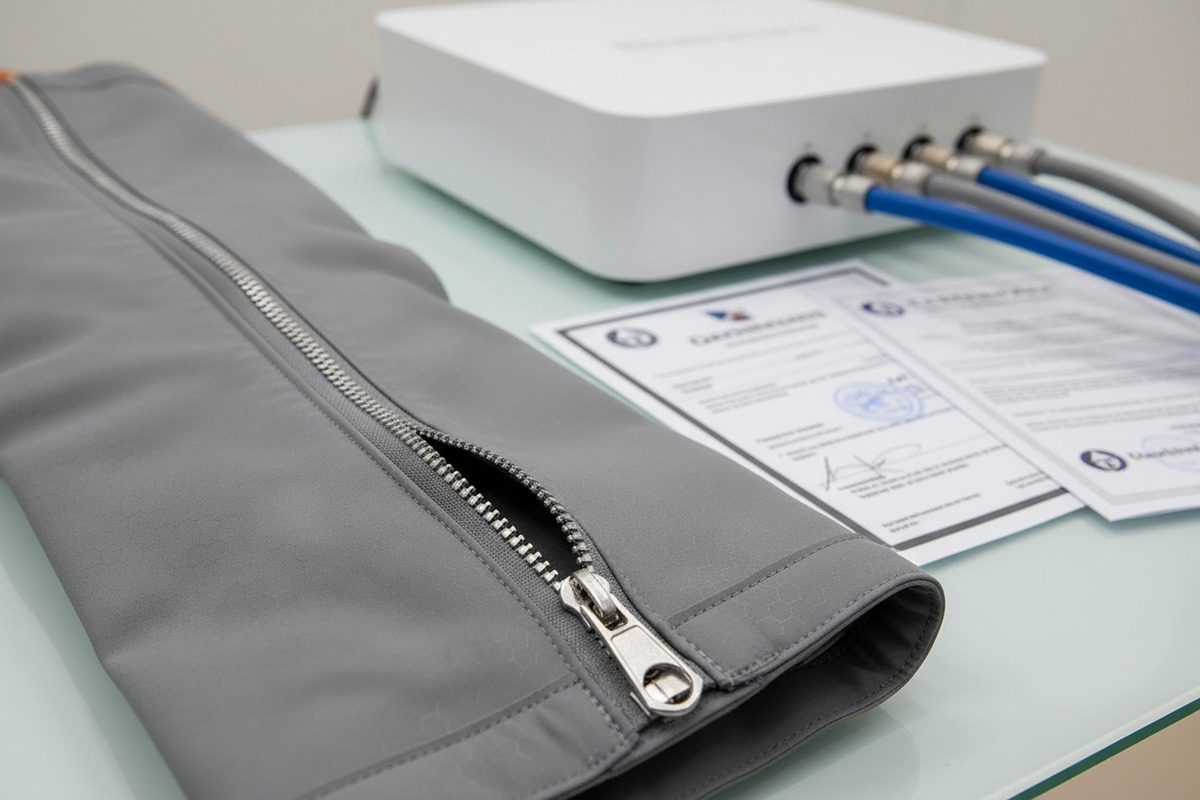
In our experience, the most common point of failure is the fabric. Cheap nylon will tear or lose its air-tight seal after only a few dozen sessions. We use high-quality TPU (Thermoplastic Polyurethane 6) because it is flexible, anti-bacterial, and incredibly strong. When you vet a manufacturer, ask for a sample of their garment material. It should feel thick but not stiff. The zippers must also be industrial-grade to withstand the internal air pressure without popping.
Understanding the Inspection Process
A reliable manufacturer does not just pack a machine and ship it. They perform multiple rounds of testing. We follow a strict three-step inspection protocol that you should look for in any partner you choose.
Quality Control Checkpoints
| Inspection Phase | Activities | Purpose |
|---|---|---|
| Incoming Materials | Testing air pumps and circuit boards. | To ensure internal components meet life-span targets. |
| In-Process Testing | Running the machine for 12 hours straight. | To detect early-stage electronic or motor defects. |
| Pre-Shipment | 24-hour inflation test of all garments. | To guarantee there are no micro-leaks in the chambers. |
Red Flags to Avoid
Be wary of suppliers who offer prices significantly lower than the market average. Often, these factories save money by using recycled plastic for the shells or thin wires that overheat. If a salesperson cannot explain their testing protocol in detail, they likely do not have one. Always request a video of the actual testing area in their factory to verify their claims.
Can I private-label my pressotherapy machines to build my own brand in the physiotherapy industry?
In our years of helping US distributors, we have seen how a strong brand logo on a machine can build patient trust instantly. Customization is more than just a name tag.
Yes, private-labeling is a powerful strategy for physiotherapy clinics. Most professional manufacturers offer OEM services that allow you to customize the machine’s exterior, user interface, and packaging. This builds professional authority, prevents price comparison with competitors, and increases the overall valuation of your business.
Building Brand Identity
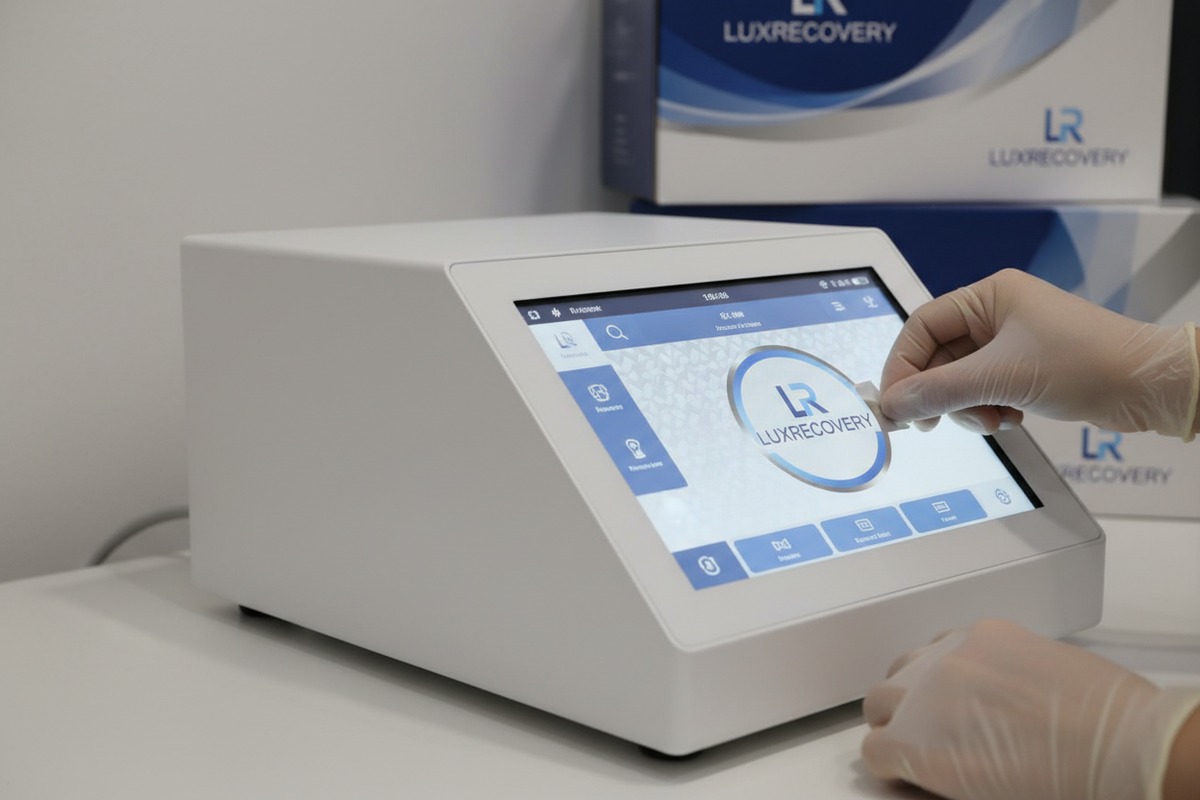
When a patient walks into your clinic, every piece of equipment should reflect your professional image. If you use a generic machine that can be found on discount websites, it devalues your service. By adding your logo and brand colors to the pressotherapy unit, you create a cohesive environment. We often work with clients who want a specific "look" that matches their office decor, which makes the therapy feel like a premium, exclusive experience.
Customizing the User Interface (UI)
The software inside the machine is just as important as the hardware. Private labeling allows you to customize the boot screen and the menu system. You can even work with engineers to create specific treatment protocols named after your clinic’s signature methods. This makes your service unique. If a patient asks for the "Elite Recovery Cycle," and that cycle is only found on your branded machine, you have successfully built customer loyalty.
OEM vs. ODM Options
It is helpful to understand the difference between these two services when talking to your supplier. OEM (Original Equipment Manufacturer) usually involves putting your logo on an existing design. ODM (Original Design Manufacturer) is for those who want to change the physical shape of the machine or the garment.
Customization Capability Levels
| Service Type | Customization Level | Recommended For |
|---|---|---|
| Basic Branding | Logo printing and custom stickers. | Startups with a small budget. |
| Software UI | Branded boot screen and custom menu icons. | Mid-sized clinics looking for a professional feel. |
| Full Customization | Unique shell color and custom-shaped garments. | Large franchises or distributors building a new brand. |
Legal and Marketing Benefits
Private labeling also protects your profit margins. If you sell a generic brand, patients can search for that brand online and find the wholesale price. With your own brand, you control the pricing and the perceived value. Furthermore, it makes your clinic more "Instagrammable." When patients post photos of their recovery sessions, your brand name is clearly visible, providing free marketing for your business.
What technical features should I prioritize to ensure my pressotherapy machine is effective for my patients?
Our engineering team spends months balancing air flow and pressure sensors because we know that 10 mmHg can be the difference between a successful treatment and an uncomfortable one.
Prioritize machines with at least 12 to 24 independent air chambers for smoother sequential compression. Ensure the device offers a pressure range of 30-240 mmHg, adjustable inflation speeds, and pre-programmed medical modes for lymphedema and muscle recovery to provide versatile and effective patient care.
The Importance of Chamber Count
The number of air chambers in the sleeves determines how "fluid" the massage feels. A 4-chamber suit creates a "choppy" pressure that can feel like squeezing rather than a wave. For clinical results, you should look for 12, 16, or 24 chambers. More chambers allow for a more precise "distal-to-proximal" movement, which mimics manual lymphatic drainage 7 much more effectively. This is crucial for treating lymphedema 8 or post-surgical edema.
Pressure Range and Control
Not every patient needs high pressure. In fact, for lymphatic drainage, lower pressure (around 40-60 mmHg) is often more effective than high pressure. However, for sports recovery and flushing lactic acid, higher settings are required. A professional machine must have a wide range and, more importantly, a digital sensor that keeps the pressure stable. If the pressure fluctuates, the treatment will be inconsistent and potentially painful for the patient.
Specialized Treatment Modes
A good machine should come with pre-set programs so your staff doesn't have to manually calculate timings. Look for these four essential modes:
- Lymphedema Mode: Slow, gentle waves to move fluid toward the lymph nodes.
- Recovery Mode: Higher intensity for post-exercise soreness (DOMS).
- Cellulite/Toning: Targeted pressure to improve skin elasticity.
- Custom Mode: Allows the therapist to manually skip certain chambers if a patient has a localized injury.
Technical Specification Comparison
| Feature | Home-Grade Machine | Professional Clinic Machine |
|---|---|---|
| Chamber Count | 4 – 6 Chambers | 12 – 24 Chambers |
| Max Pressure | 100 – 150 mmHg | 240 – 250 mmHg |
| Garment Material | Thin Oxford cloth | Double-layered TPU / Antibacterial Nylon |
| Usage Limit | 30 minutes / day | Continuous operation (8+ hours/day) |
Quiet Operation and Comfort
In a physiotherapy clinic, the environment should be relaxing. Cheap machines have loud, vibrating pumps that sound like a vacuum cleaner. This ruins the patient experience. We prioritize high-end, silenced motors that operate below 50 decibels. Additionally, ensure the sleeves are designed with an ergonomic fit. Overlapping chambers are a great feature to look for, as they ensure there are no "dead spots" where pressure is not applied.
How do I manage the shipping and door-to-door logistics for my clinic's new pressotherapy equipment?
Sending equipment from our warehouse in Guangzhou to a clinic in the US requires more than just a label. We handle the paperwork so our clients don’t face customs delays.
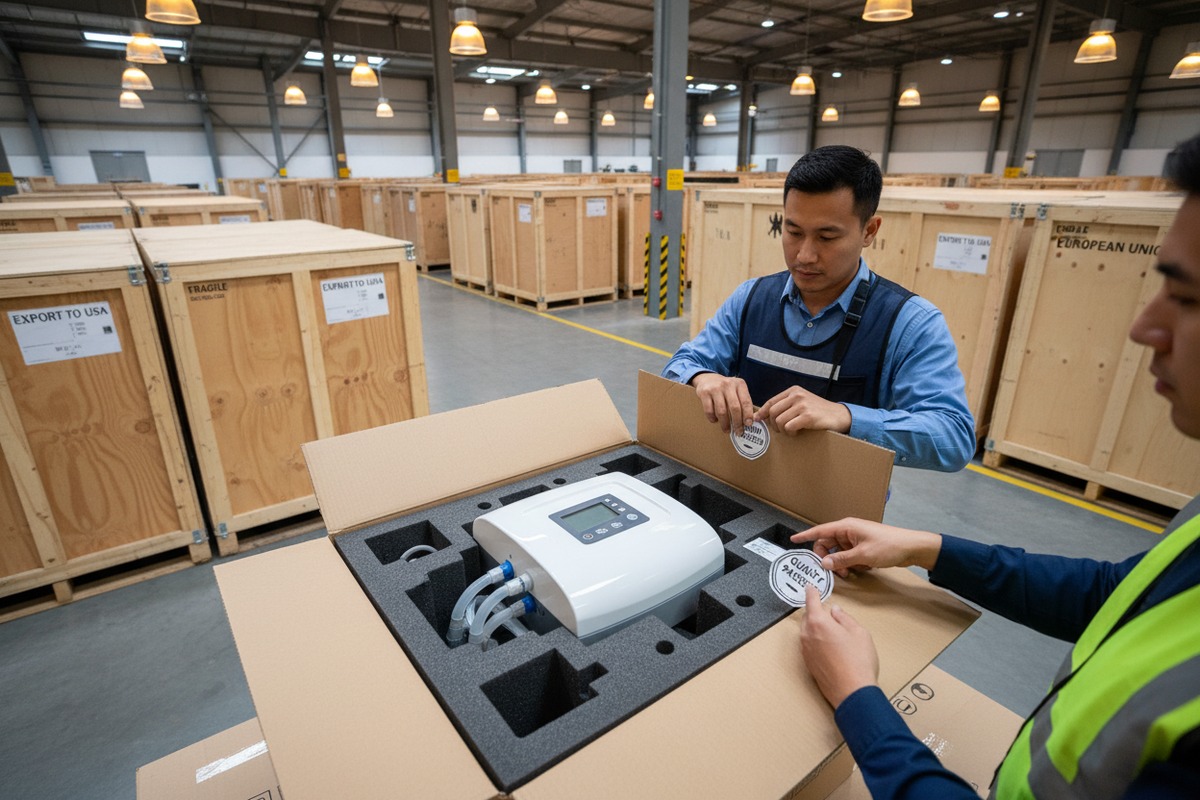
Managing logistics is easiest when using DDP (Delivered Duty Paid) shipping terms, where the supplier handles all customs, taxes, and final delivery. Ensure your equipment is packed in reinforced wooden crates and includes real-time tracking to minimize the risk of damage or unexpected storage fees at the port.
Understanding Shipping Terms (Incoterms)
As a startup, you likely do not have a dedicated customs broker. This is why understanding Incoterms is vital. If you buy under FOB (Free On Board) terms, you are responsible for everything once the ship leaves China. This can be a nightmare for new owners. We always recommend DDP (Delivered Duty Paid) for small to mid-sized orders. With DDP, the price you pay includes everything: the product, the ocean or air freight, customs duties, and the truck that brings it to your clinic door.
Packaging for Long-Distance Travel
Pressotherapy machines are sensitive electronic devices. They cannot just be thrown in a cardboard box. In our shipping department, we use a multi-layer approach. First, the machine is wrapped in anti-static foam. Then, it is placed in a thick, double-walled carton. For international ocean freight, we strongly suggest a wooden crate or a pallet with shrink wrap. This prevents "crush damage" if other heavy boxes are stacked on top of your shipment during transit.
Air Freight vs. Sea Freight
You need to decide between speed and cost. If you have patients waiting and need the machine "yesterday," air freight is the way to go. It takes about 7-10 days to reach most countries. However, it is expensive. Sea freight takes 30-45 days but is significantly cheaper. For a startup clinic, planning ahead and using sea freight can save you hundreds of dollars that could be better spent on marketing your new service.
Logistics Tracking and Insurance
Never ship a medical device without insurance. While we take every precaution, accidents happen at sea or in busy sorting facilities. A professional supplier will provide you with a tracking number and a copy of the insurance policy. This gives you peace of mind. If the box arrives damaged, you must take photos immediately before signing the delivery receipt. This documentation is essential for a successful insurance claim.
Conclusion
Choosing the right pressotherapy machine is a critical step for your clinic’s growth. By focusing on quality control, branding, technical precision, and smart logistics, you ensure a professional and profitable startup.
Footnotes
1. Defines Original Equipment Manufacturer services in a business context. ↩︎
2. Describes the mechanism of sequential compression therapy for therapeutic effect. ↩︎
3. Explains an international shipping term beneficial for importers. ↩︎
4. Wikipedia page with an external link to the official ISO 13485 standard on the ISO website. ↩︎
5. Provides information on FDA requirements for medical devices in the US. ↩︎
6. Wikipedia provides a clear definition and properties of Thermoplastic Polyurethane. ↩︎
7. Explains the medical procedure and its benefits for patients. ↩︎
8. Provides information on the medical condition treated by pressotherapy. ↩︎

 English
  Español de México
  Deutsch
  Français
  العربية
  Русский