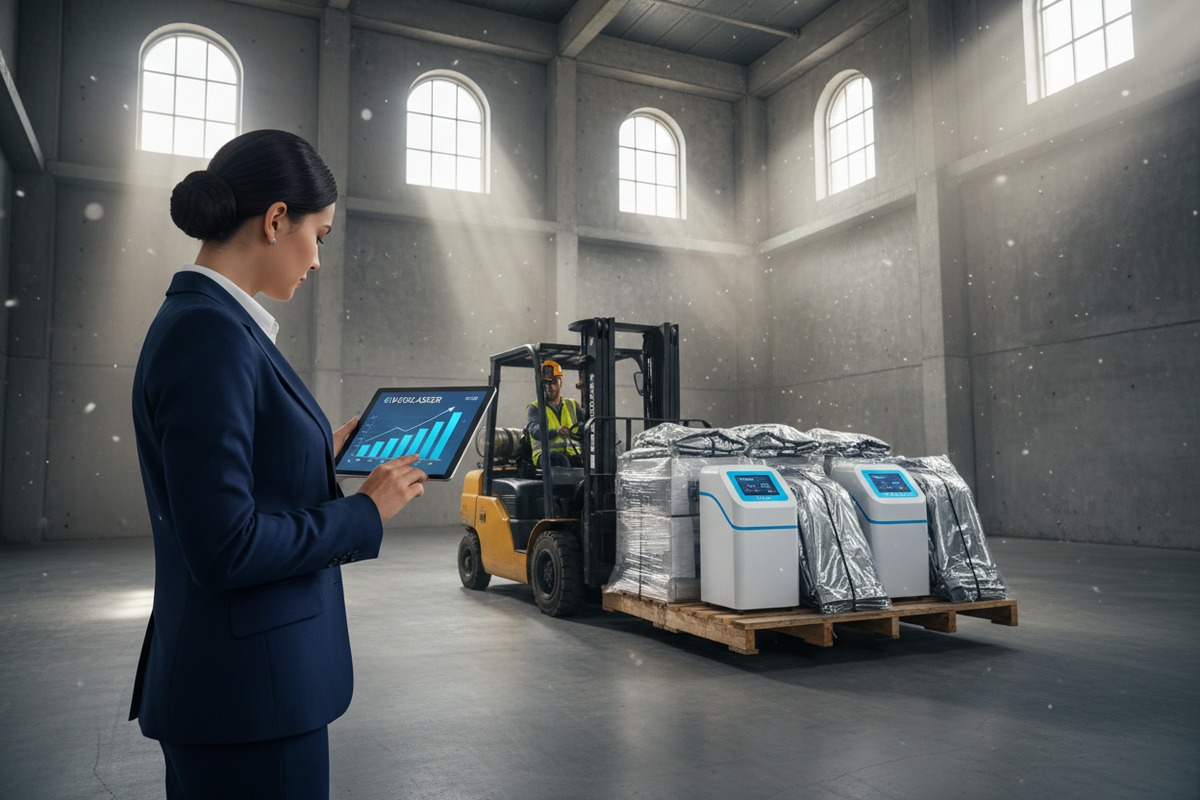
When our production team ships a 40-foot container of pressotherapy systems 1 across the Pacific, we know our buyers face a painful choice at the port. Pay thousands in duties upfront or watch working capital vanish before a single unit sells import duties and taxes 2. This cash crunch kills growth for many importers.
Bonded warehouses optimize cash flow by letting you defer import duties and taxes until pressotherapy machines are withdrawn for sale—not when they arrive at port. This strategy frees up 5-30% of landed-cost capital, aligns duty payments with actual revenue, and enables inventory scaling without draining working capital.
Let’s explore exactly how bonded warehousing works for pressotherapy imports and why it might be the smartest financial decision you make this year.
How can I defer import duties on my pressotherapy machines to keep more cash in my business?
Every time we arrange export documents for a new client, they ask the same question: "How long do I have before duties hit my account?" The answer depends on your strategy. Standard clearance means paying immediately. Smart importers choose a different path.
Bonded warehousing allows you to defer duty payments on pressotherapy equipment for up to five years from the import date. Duties, excise taxes, and merchandise processing fees remain suspended until you withdraw goods for domestic sale—giving you time to sell inventory before incurring tax obligations.
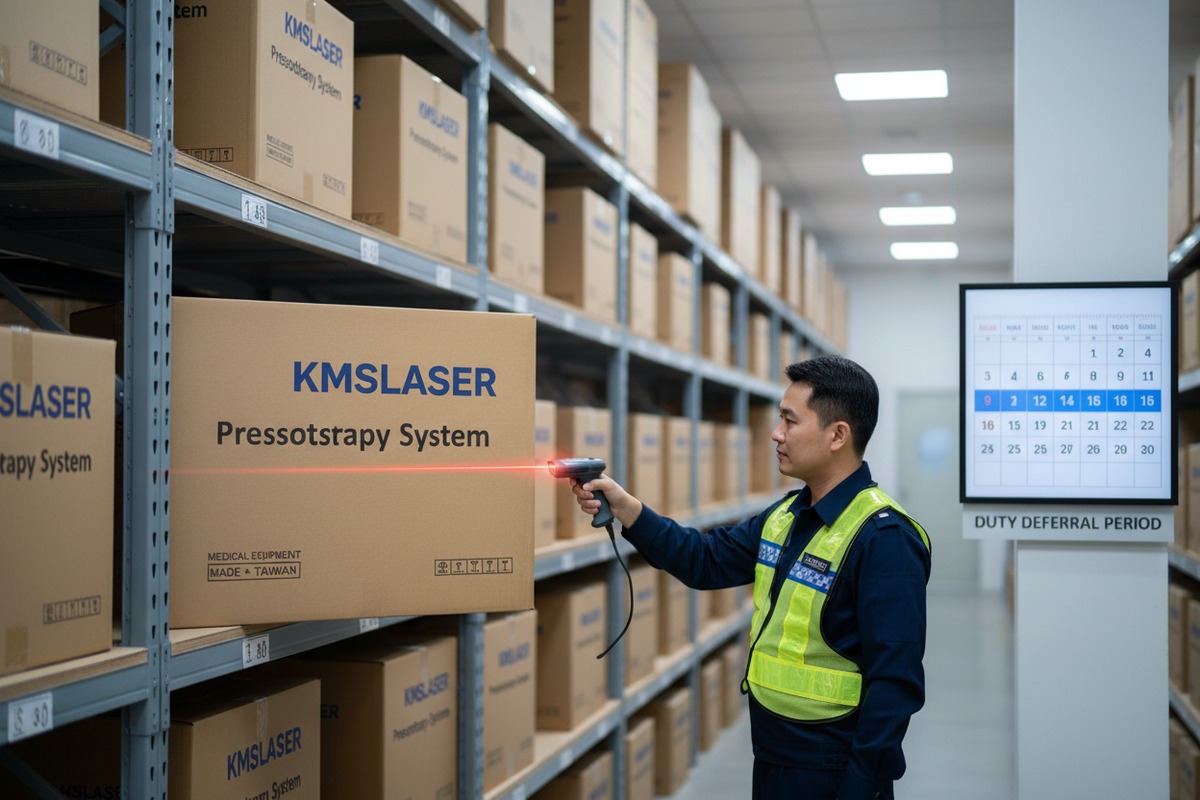
How Duty Deferral Actually Works
The mechanics are straightforward. When your pressotherapy shipment arrives at a U.S. port, you have two choices. Clear customs immediately and pay all duties. Or transfer the goods under a customs bond 3 to a bonded warehouse.
In a bonded facility, your equipment sits under government supervision. No duties are assessed. No taxes are due. The clock starts ticking, but payment obligations remain frozen.
This isn't a legal loophole. It's a fully sanctioned system. According to U.S. Customs and Border Protection 4, "imported dutiable merchandise may be stored, manipulated, or undergo manufacturing operations without payment of duty for up to 5 years from the date of importation."
The Cash Flow Math
Consider a typical pressotherapy order from our factory. Twenty professional lymphatic drainage systems valued at $50,000. Assume a 7% duty rate. That's $3,500 due at the port under standard clearance.
| Scenario | Duty Payment Timing | Cash Available for Operations |
|---|---|---|
| Standard Import | Day 1 (port arrival) | $46,500 |
| Bonded Warehouse | When goods sold | $50,000 (until withdrawal) |
| Partial Withdrawal | As each unit sells | Proportional duty payment |
With bonded storage, that $3,500 stays in your business. Invest it in marketing. Use it for the next order. Let it earn interest. The time value of money works in your favor.
Rate Flexibility Adds Another Layer
Here's something many importers miss. Duties are calculated based on rates at the time of withdrawal, not entry. This creates strategic optionality.
If tariff rates 5 drop while your pressotherapy machines sit in bonded storage, you pay the lower rate when you finally withdraw them. Given current U.S.-China trade tensions and shifting tariff policies, this flexibility matters.
One industry expert notes that bonded warehouses help manage tariff uncertainty by "allowing duty payment at withdrawal rates rather than initial entry rates." For pressotherapy importers watching tariff negotiations closely, this is valuable protection.
Will using a bonded warehouse help me manage the upfront costs of a large OEM beauty machine order?
When our OEM clients 6 place bulk orders—say, 100 units of customized pressotherapy systems with their branding—the financial commitment is significant. We've seen buyers hesitate at the purchase order stage simply because the duty bill at import feels overwhelming.
Yes, bonded warehouses are ideal for managing large OEM orders. By storing your bulk pressotherapy shipment duty-free until individual units are sold, you avoid paying duties on speculative inventory. This "bulk in, parcel out" approach directly reduces unnecessary costs and protects your cash position.

The "Bulk In, Parcel Out" Strategy
Large OEM orders make sense for unit pricing. Buy 100 units from our factory, and your per-unit cost drops significantly. But clearing 100 units through customs means paying duties on all 100—even if it takes you a year to sell them.
Bonded warehousing changes this equation. Import the full container into a bonded facility. Then withdraw units as you sell them. Duties apply only to withdrawn merchandise.
| Order Size | Standard Import Duty (7%) | Bonded Approach (Pay As Sold) |
|---|---|---|
| 100 units @ $2,500 each | $17,500 upfront | $175 per unit as sold |
| 50 units sold in Month 1 | Already paid $17,500 | $8,750 paid |
| Remaining 50 sold over 6 months | No change | $8,750 spread over 6 months |
Risk Reduction for New Product Lines
OEM pressotherapy machines often represent new product launches. Market acceptance isn't guaranteed. Consumer demand might be slower than projected.
Bonded storage provides a safety net. If a product doesn't sell, you haven't paid duties on unsold inventory. This protection is particularly important for businesses testing new markets or product variations.
One source notes that "if an item never sells, the business never had to pay duty on it—an important protection against overstock costs." For OEM importers launching customized pressotherapy lines, this reduces financial risk considerably.
Re-Export Without Penalty
What if market conditions shift? What if you find better demand in Europe than the U.S.?
Goods stored in bonded warehouses can be re-exported without paying any U.S. import duties. This flexibility lets you redirect inventory based on real demand rather than forecasts made months ago.
For our clients serving multiple international markets, this is a game-changer. Your pressotherapy equipment can sit in a U.S. bonded facility and ship to Canada, Europe, or Latin America without ever triggering U.S. duty obligations.
Compliance Considerations
Operating within a bonded warehouse requires discipline. You'll need accurate inventory tracking systems—barcode scanning or RFID tracking is common. Documentation must be precise.
Most OEM importers partner with experienced third-party logistics providers 7 who specialize in bonded operations. The compliance burden shifts to the warehouse operator, letting you focus on sales and growth.
Can I inspect the quality of my shipment in a bonded area before I pay the final taxes and fees?
Quality control sits at the top of every purchasing manager's concern list. We hear it constantly: "What if units arrive damaged? What if there's a manufacturing defect?" Nobody wants to pay duties on equipment that can't be sold.
Bonded warehouses permit inspection, testing, and quality verification of pressotherapy machines before duties are paid. You can identify defective units, verify functionality, and manage returns—all within the bonded facility and before any tax obligation arises. This reduces the financial impact of quality issues significantly.

Permitted Activities in Bonded Storage
Bonded warehouses aren't just storage spaces. They allow a range of value-added activities under customs supervision. For pressotherapy equipment, this includes:
- Visual inspection of packaging and exterior condition
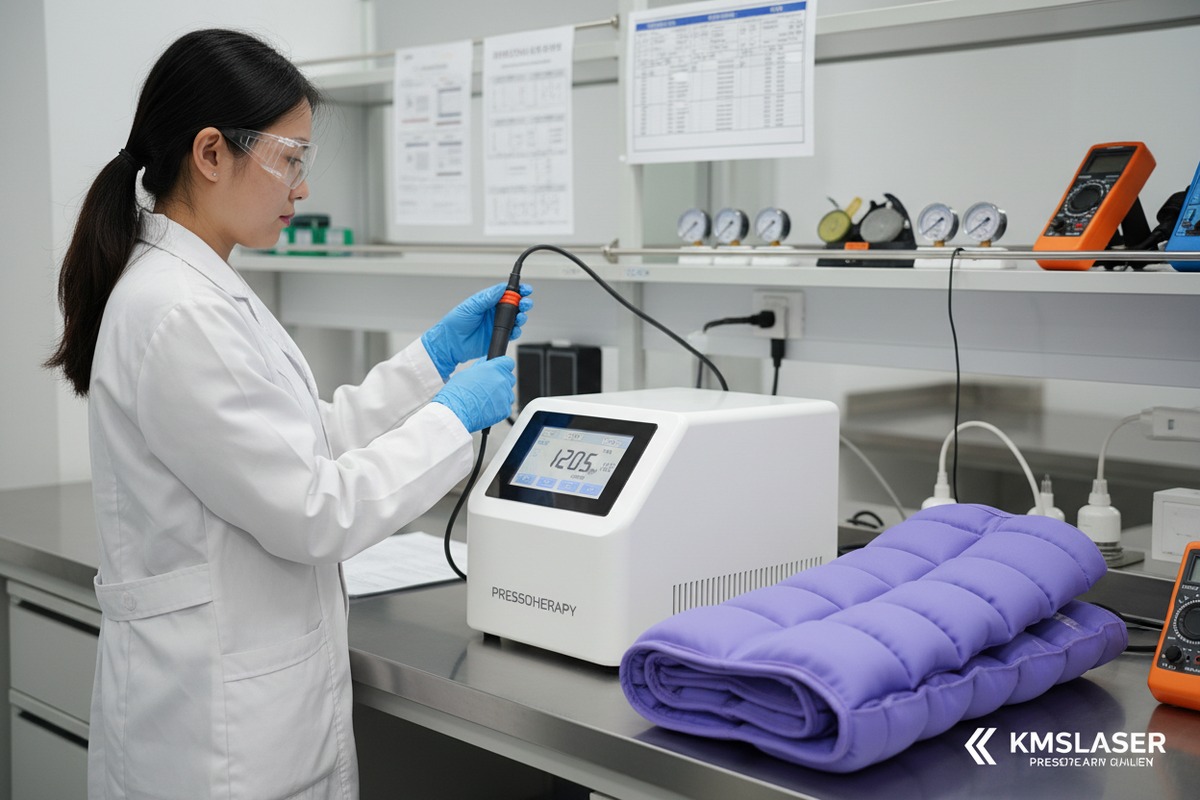
- Functional testing of control units and pressure systems
- Configuration for regional electrical standards
- Repackaging with localized documentation
- Labeling for specific market requirements
These activities can be performed without triggering duty payments, as long as they don't amount to full-scale manufacturing.
Quality Control Process Within Bond
Here's a practical workflow for pressotherapy imports:
| Stage | Activity | Duty Status |
|---|---|---|
| Arrival | Container received at bonded warehouse | No duty |
| Inspection | Physical examination of all units | No duty |
| Testing | Functional verification of machines | No duty |
| Defect Handling | Segregate defective units for return | No duty on defects |
| Market Prep | Labeling, repacking, documentation | No duty |
| Withdrawal | Release units for domestic sale | Duty paid |
Notice that defective units never trigger duty obligations. You can arrange returns or replacements before paying a cent in taxes.
Protecting Against Shipping Damage
Ocean freight is rough on delicate equipment. Our factory packs pressotherapy machines with extensive cushioning, but damage still happens. Bonded inspection lets you document issues while goods remain in customs custody.
If units arrive damaged, you can file claims with shipping insurers before accepting duty liability. This is far better than discovering damage after customs clearance, when you've already paid duties on unusable goods.
Regulatory Preparation
Pressotherapy machines may require FDA registration 8 depending on their classification. Bonded warehouse timelines can align with regulatory review processes.
Your equipment can remain in bonded status during regulatory approval. Duties are triggered upon formal market entry—when you're actually ready to sell—not when regulators are still reviewing documentation.
This timing flexibility is valuable. Regulatory delays happen. With bonded storage, those delays don't cost you interest on prematurely paid duties.
How does a bonded storage strategy allow me to scale my inventory without draining my working capital?
Scaling an import business is tricky. More inventory means more capital locked up in duties. Growth can feel like running faster on a treadmill. We've watched promising distributors stall because they couldn't afford to expand inventory without external financing.
Bonded storage breaks the link between inventory growth and duty burden. You can scale pressotherapy inventory to meet demand without proportional cash outflow. Duties follow sales, not purchases—meaning working capital stays available for marketing, operations, and further expansion.

The Traditional Scaling Problem
Under standard import clearance, growth creates a cash crisis. Order more units. Pay more duties. Cash reserves shrink. You're forced to choose between inventory depth and operational flexibility.
The math is painful:
| Inventory Level | Purchase Cost | Duties at 7% | Total Cash Required |
|---|---|---|---|
| 50 units | $125,000 | $8,750 | $133,750 |
| 100 units | $250,000 | $17,500 | $267,500 |
| 200 units | $500,000 | $35,000 | $535,000 |
Each doubling of inventory requires a proportional increase in upfront duty payments.
Bonded Storage Changes the Equation
With bonded warehousing, inventory can grow while duty payments track sales. Your cash outflow for duties matches your revenue timing.
This alignment is powerful. It means:
- Stock seasonal products in advance without immediate duty burden
- Build buffer inventory during supply chain disruptions
- Respond quickly to demand spikes without cash constraints
- Test larger order quantities with reduced risk
Strategic Inventory Positioning
Bonded warehouses near major ports let you position pressotherapy machines close to end customers. When orders come in, fulfillment is fast. But you haven't paid duties on goods sitting in inventory.
This is particularly valuable for seasonal demand patterns. Stock up before peak buying seasons. Pay duties only as units ship to customers. Your cash flow stays healthy throughout the demand cycle.
Trade Finance Opportunities
Some importers leverage bonded inventory as collateral for trade finance. Pressotherapy machines sitting in a bonded warehouse have value—value that certain lenders will recognize.
This unlocks additional working capital beyond simple duty deferral. Your inventory becomes a financial asset that supports further growth without requiring retained earnings or external equity.
Cost-Benefit Reality Check
Bonded warehousing isn't free. Rent and management fees typically exceed standard warehouse costs. You'll need to evaluate whether duty savings justify the premium.
For high-value pressotherapy equipment with substantial duty implications, the math usually favors bonded storage. For lower-priced goods with rapid turnover and minimal duty rates, standard warehousing may be simpler.
| Factor | Favors Bonded | Favors Standard |
|---|---|---|
| Duty rate | High (7%+) | Low (under 3%) |
| Inventory turnover | Slow (6+ months) | Fast (under 30 days) |
| Order value | High ($100K+) | Low (small quantities) |
| Market certainty | Uncertain demand | Predictable sales |
Run the numbers for your specific situation. For most pressotherapy importers dealing with professional equipment and moderate turnover, bonded warehousing delivers clear advantages.
Conclusion
Bonded warehousing transforms how pressotherapy importers manage cash flow. Deferring duties, enabling quality inspection before payment, and scaling inventory without capital drain—these advantages add up. If you're importing professional beauty equipment from China, this strategy deserves serious consideration.
Footnotes
1. Replaced with an authoritative health information site explaining pressotherapy. ↩︎
2. Official U.S. Customs and Border Protection information on what customs duty is and how it’s applied. ↩︎
3. Explains a customs bond as a financial guarantee between importer, CBP, and surety company. ↩︎
4. Official website for U.S. Customs and Border Protection, the primary authority on import regulations. ↩︎
5. Defines tariff rates as taxes on imports, explaining fixed amounts or percentages of value. ↩︎
6. Explains Original Equipment Manufacturer (OEM) as a company producing parts marketed by another. ↩︎
7. Defines third-party logistics (3PL) as outsourcing distribution services to specialized providers. ↩︎
8. Details the legal requirements for FDA medical device establishment registration and product listing. ↩︎


 English
 Español de México
 Deutsch
 Français
 العربية
 Русский
Join the Conversation
Have a question or insight to share? We read every comment — whether you're a distributor, salon owner, or just curious about the technology. Your real-world experience helps others make better decisions. Drop your thoughts below.