
When our production team started receiving orders from beauty schools, we noticed a clear pattern OLED displays 1. Instructors wanted professional-grade machines. Students struggled with complex interfaces. This gap created real problems for training programs.
To balance pro features and ease of use, beauty schools should source pressotherapy machines with 18-24 air chambers, adjustable pressure ranges of 30-320mmHg, intuitive OLED displays, pre-programmed treatment modes, and durable PU materials. Prioritize suppliers offering customizable interfaces, comprehensive training support, and proven quality control for high-frequency educational environments.
In the following sections, we break down the key considerations for sourcing the right pressotherapy equipment. You will learn how to evaluate advanced features, request interface customization, verify manufacturing quality, and secure proper training documentation.
How can I ensure the pressotherapy machines I source offer advanced clinical results while remaining easy for students to operate?
Our engineering team has spent years refining the balance between clinical effectiveness and user-friendly design. Many beauty school buyers face this exact dilemma. They want machines that teach real skills but do not overwhelm first-year students.
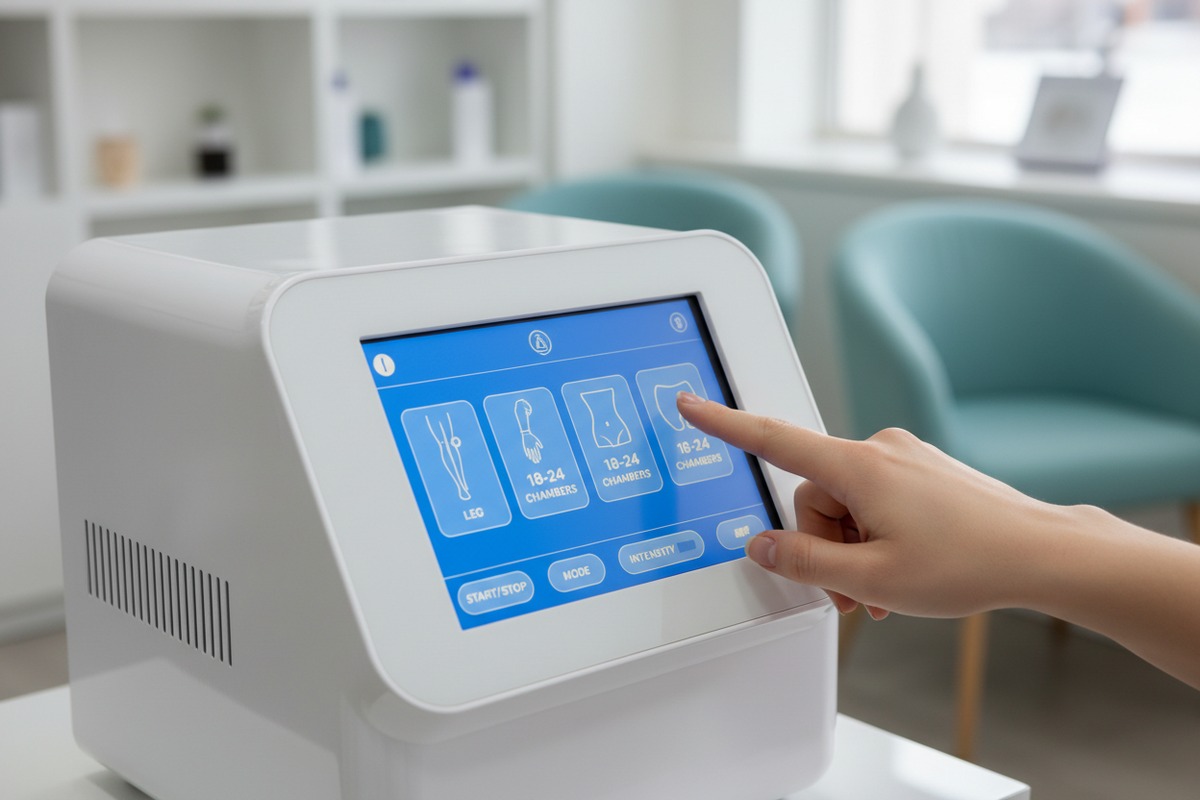
To ensure advanced clinical results with student-friendly operation, source machines featuring 18-24 air chambers, 3-5 pre-programmed modes, adjustable pressure from 30-320mmHg, clear OLED displays with English interfaces, and independent body-part controls. These specifications deliver professional outcomes while minimizing the learning curve for beginners.
Understanding the Core Technology
Pressotherapy works through inflatable air chambers that mimic manual lymphatic massage 2. The chambers inflate and deflate in sequence. This promotes circulation, reduces edema, and supports detoxification. For beauty schools, students must understand this mechanism before operating any machine.
Modern systems offer hybrid functionality. Many combine air pressure with infrared heating 3 and EMS (electrical muscle stimulation). Infrared operates between 35-80°C for collagen stimulation. EMS adds muscle toning benefits. EMS (electrical muscle stimulation) 4 These add-ons increase clinical results but also add complexity.
Matching Chamber Count to Training Needs
The number of air chambers directly affects treatment precision. Here is a comparison to guide your sourcing decision:
| Chamber Count | Coverage Area | Best For | Complexity Level |
|---|---|---|---|
| 8 chambers | Legs only | Beginner training | Low |
| 18-24 chambers | Full body | Intermediate programs | Medium |
| 44-48 chambers | Full body plus | Advanced clinics | High |
For most beauty schools, 18-24 chamber systems hit the sweet spot. They offer full-body coverage without overwhelming students. Legs-only units with 8 chambers work well for introductory courses but limit versatility.
Pressure Settings and Safety
Adjustable pressure 5 is essential. Most professional machines offer ranges from 0-360mmHg. However, students should start with lower settings. A range of 30-320mmHg provides enough flexibility for training while maintaining safety margins.
Real-time pressure monitoring is a valuable feature. It shows students exactly what is happening during treatment. This visual feedback accelerates learning. Our quality control team always tests pressure accuracy before shipping to educational clients.
Interface Design Matters
An intuitive interface reduces training time significantly. Look for these features:
- OLED or LCD displays with clear graphics
- English language options
- Adjustable timers (1-99 minutes)
- Independent controls for each body section
- Quick-connect hose systems
When students can focus on technique rather than button confusion, they learn faster. Pain-free operation builds confidence in new practitioners.
Can my supplier customize the user interface to make professional-grade settings more intuitive for my brand's customers?
In our experience working with beauty brands across the US and Europe, interface customization has become a top request. Generic factory interfaces often confuse end users. Your brand deserves better.
Yes, reputable manufacturers can customize user interfaces to match your brand identity and simplify professional settings. Request branded logo displays, simplified menu structures, pre-set treatment protocols, multilingual options, and color-coded controls. OEM and ODM services allow complete interface redesign to improve intuitiveness for your specific customer base.

What Customization Options Exist?
When we discuss interface customization with clients, we cover several areas. Each affects user experience differently.
| Customization Type | Description | Impact on Usability |
|---|---|---|
| Logo and branding | Your logo on startup screen and display | Builds brand recognition |
| Menu simplification | Fewer steps to reach common functions | Reduces user errors |
| Pre-set protocols | Factory-loaded treatment programs | Speeds up operation |
| Language options | Multiple language selections | Expands market reach |
| Color coding | Visual cues for different modes | Improves navigation |
| Tutorial integration | Built-in instructional guides | Supports self-learning |
Working with Your Supplier on ODM Projects
ODM (Original Design Manufacturing) services 6 go beyond simple logo placement. You can request fundamental changes to how the machine operates. This requires clear communication with your supplier.
Start with a detailed specification document. Include wireframes of your desired interface layout. Specify the exact treatment modes you want included. Define the user journey from power-on to treatment completion.
Our development team typically needs 4-6 weeks for interface customization. Complex redesigns may take longer. Budget for prototype testing before full production. This catches usability issues early.
Educational Software Integration
Some advanced systems now include educational software directly in the interface. This is particularly valuable for beauty schools. Students can access anatomical information, treatment protocols, and troubleshooting guides without leaving the machine.
Ask your supplier about these possibilities:
- Step-by-step treatment guides on screen
- Video tutorials accessible via the display
- Quiz functions for student assessment
- Treatment logging for instructor review
These features bridge the gap between complex professional capabilities and ease of learning. They turn the machine itself into a teaching tool.
Protecting Your Investment
Interface customization represents an investment. Protect it by clarifying intellectual property rights in your contract. Ensure your custom interface designs remain exclusive to your brand. This prevents competitors from accessing your improvements.
Request source files and documentation for your custom interface. This protects you if you need to switch suppliers later. Good manufacturers understand this concern and will cooperate.
How do I verify that a manufacturer's quality control can handle the high-frequency wear and tear of a beauty school environment?
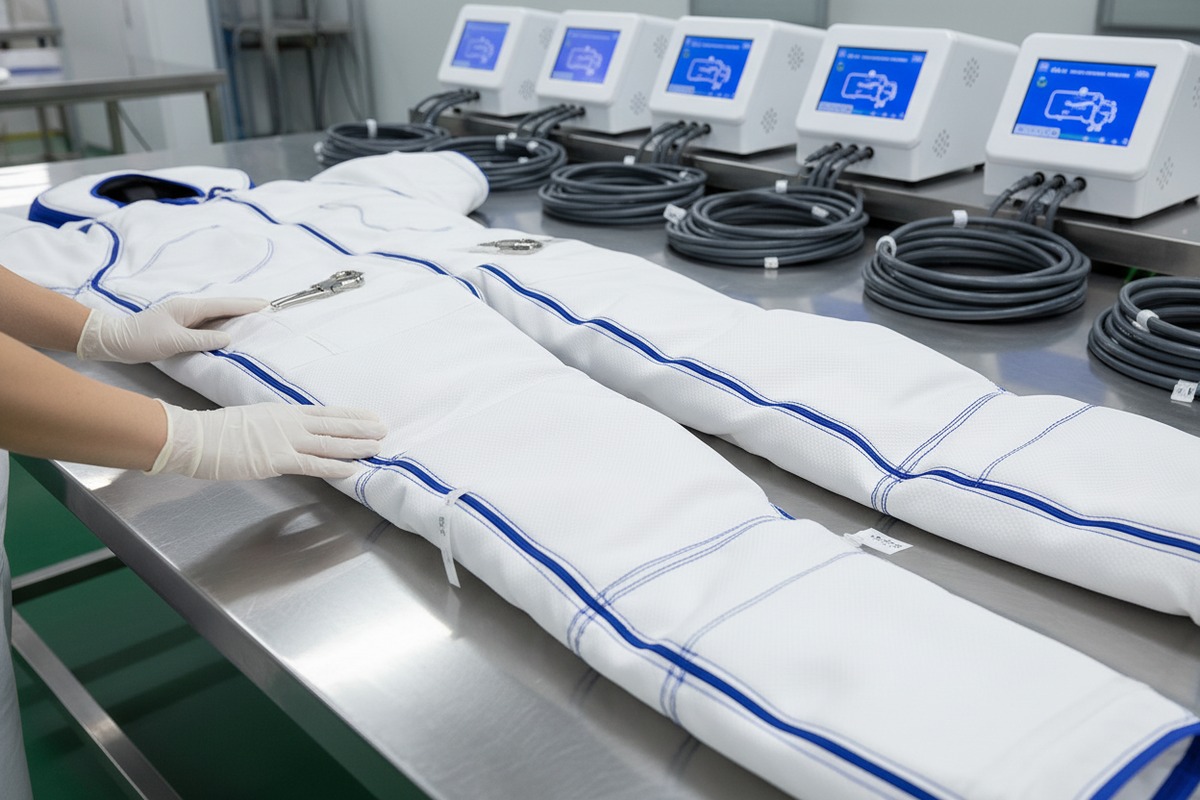
Our factory runs quality control checks at seven different production stages. We do this because beauty school environments are demanding. Machines get used by dozens of students daily. One weak component can mean costly downtime.
To verify quality control capabilities, request detailed QC documentation including incoming material inspection reports, in-process testing records, and final inspection checklists. Ask for stress-test data simulating 10,000+ cycles, visit the factory when possible, and require third-party certification. Review warranty terms and previous beauty school client references for real-world performance evidence.
Understanding Beauty School Wear Patterns
Beauty school machines face unique challenges. Unlike spa equipment used on paying clients, training machines endure constant operation. Students make mistakes. Hoses get yanked. Buttons get pressed repeatedly. Suits get worn by different body types daily.
Consider these usage differences:
| Environment | Daily Sessions | Users per Day | Expected Lifespan |
|---|---|---|---|
| Private spa | 4-6 | 4-6 | 5+ years |
| Busy salon | 8-12 | 8-12 | 3-5 years |
| Beauty school | 15-25 | 30-50 students | 2-3 years minimum |
Your supplier must design for the beauty school column, not the spa column.
Key QC Checkpoints to Request
When evaluating a manufacturer, ask about these specific quality control stages:
Incoming Material Inspection: How does the factory verify component quality before assembly? Ask for supplier qualification records and material testing certificates.
In-Process Testing: What checks happen during assembly? Air chamber integrity testing and pressure calibration should occur before final assembly.
Electrical Safety Testing: Voltage compatibility matters. Look for machines rated 110-240V with safe 36V output. Request certificates for electrical safety standards.
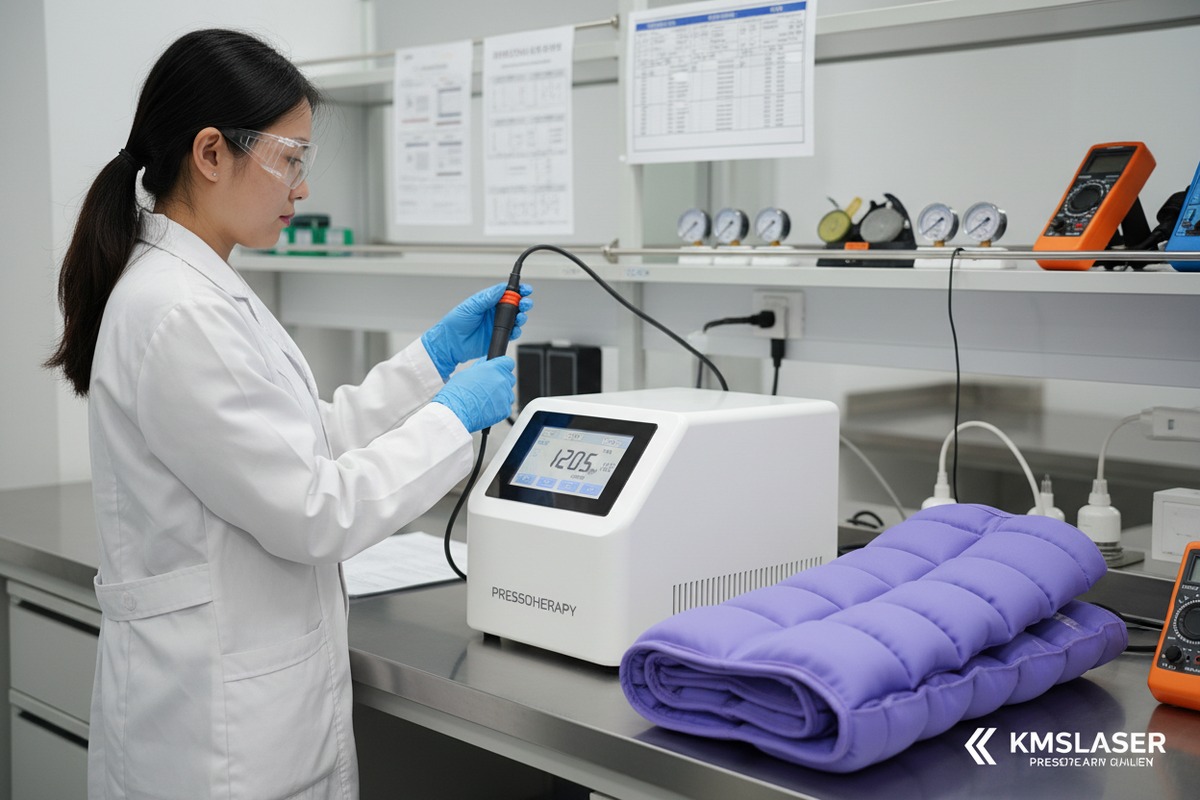
Stress Testing: How many inflation cycles has the machine completed in testing? Professional units should handle 10,000+ cycles without pressure loss.
Final Inspection: What does the pre-shipment checklist include? Request a sample inspection report.
Factory Visits and Third-Party Verification
If possible, visit the manufacturing facility. Observe the production line. Talk to quality control staff. This tells you more than any document.
When visits are impossible, request third-party inspection. Companies like SGS, Bureau Veritas, or TÜV can conduct pre-shipment inspections on your behalf. This adds cost but provides independent verification.
Ask for ISO certifications 7. While not guarantees of quality, they indicate systematic quality management processes. CE marking is essential for European markets. FDA registration matters for US distribution.
Warranty Terms as Quality Indicators
Strong warranty terms signal manufacturer confidence. Weak warranties suggest concerns about durability. Compare these elements:
- Length of warranty period (minimum 12 months for components)
- Coverage scope (parts only vs. parts and labor)
- Response time commitments
- Replacement vs. repair policies
- Shipping cost responsibilities
For beauty school applications, negotiate extended warranties on high-wear items like air chambers and suits. These components fail first under heavy use.
Reference Checks
Ask your potential supplier for references from other beauty school clients. Contact these schools directly. Ask about machine reliability, service response times, and any recurring issues. Real-world feedback beats sales promises every time.
What technical documentation and training support should I require from a factory to bridge the gap between pro features and ease of use?
When we ship machines to beauty school distributors, we include comprehensive documentation packages. This came from hard lessons. Early clients called constantly with questions that proper manuals would have answered. Good documentation saves everyone time.
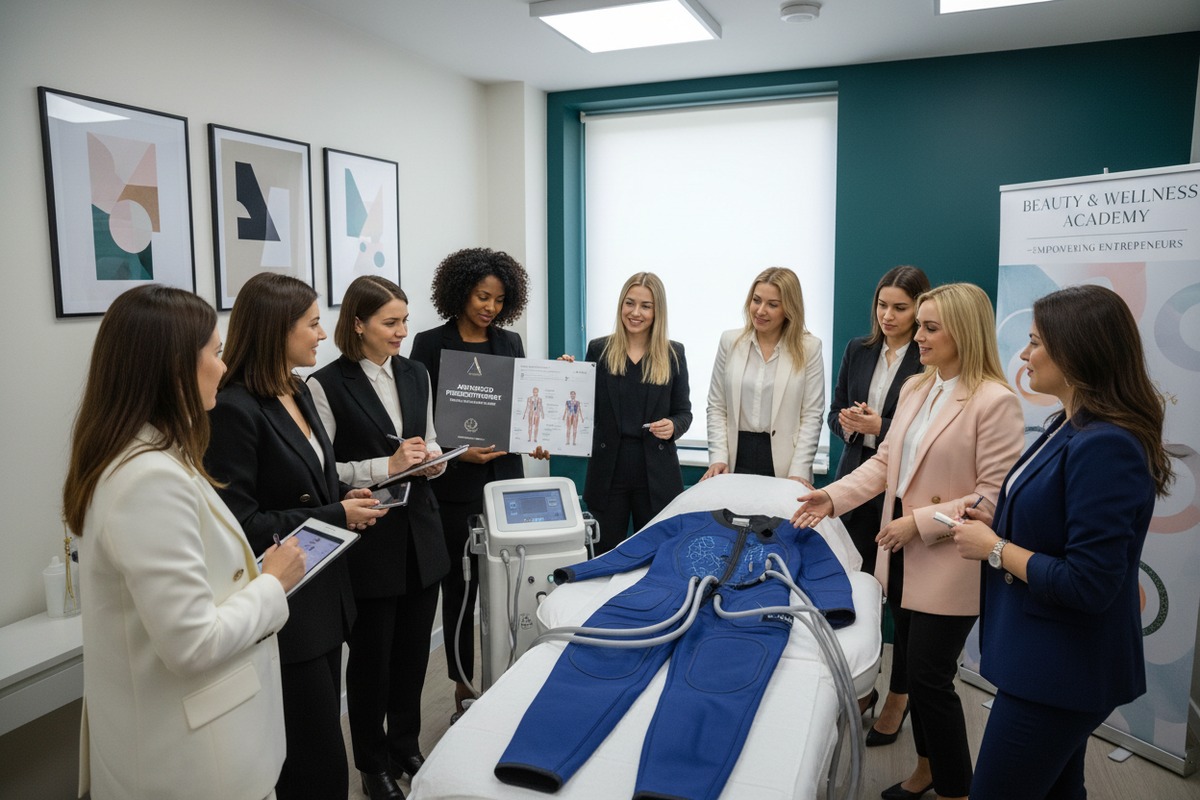
Require complete technical documentation including user manuals with visual guides, quick-start cards, maintenance schedules, troubleshooting flowcharts, and video training libraries. Request train-the-trainer programs, ongoing technical support channels, curriculum integration guides, and regular firmware updates. These resources empower instructors to teach advanced features effectively while maintaining operational simplicity.
Essential Documentation Checklist
Not all documentation is equal. Here is what to require from your manufacturer:
| Document Type | Purpose | Format |
|---|---|---|
| User manual | Complete operation guide | PDF + printed |
| Quick-start card | Basic setup and first use | Laminated card |
| Maintenance guide | Cleaning, storage, upkeep | PDF + printed |
| Troubleshooting guide | Problem diagnosis and fixes | Flowchart format |
| Technical specifications | Detailed machine parameters | |
| Safety guidelines | Contraindications and precautions | PDF + printed |
| Training curriculum | Structured lesson plans | PDF + editable files |
Request both digital and printed versions. Digital files can be updated. Printed materials survive when computers fail.
Video Training Resources
Written manuals have limits. Video training accelerates learning dramatically. Ask your supplier for:
- Machine setup and calibration videos
- Treatment demonstration recordings for each body zone
- Maintenance procedure walkthroughs
- Troubleshooting visual guides
- Safety protocol training
Videos should be professionally produced with clear audio. Multiple language versions expand usability. Hosting on private platforms protects your brand.
Train-the-Trainer Programs
Beauty school instructors need deeper knowledge than students. Train-the-trainer programs 8 create internal experts who can then teach others. This multiplies your training investment.
Good programs include:
- Multi-day intensive training sessions
- Hands-on practice with all machine functions
- Understanding of underlying technology
- Common student questions and answers
- Assessment and certification processes
Some manufacturers offer these programs at their facilities. Others send trainers to your location. Discuss options and costs during supplier negotiations.
Ongoing Technical Support
Documentation answers known questions. Technical support handles the unexpected. Clarify these support terms:
Response time: How quickly will the manufacturer respond to technical questions? Same-day response should be standard for urgent issues.
Support channels: Email, phone, WhatsApp, or video calls? Multiple options accommodate different situations.
Language capabilities: Can support staff communicate clearly in your language?
Time zone coverage: If you are in the US buying from China, how does the manufacturer handle time differences?
Remote diagnostics: Some advanced machines support remote monitoring. This allows technicians to identify problems without physical inspection.
Curriculum Integration Support
For beauty school buyers specifically, ask about curriculum integration assistance. The best manufacturers help you incorporate their machines into your teaching programs. This includes:
- Sample lesson plans organized by skill level
- Student assessment rubrics
- Practical examination guidelines
- Integration with existing lymphatic drainage curriculum
These resources transform equipment purchases into complete educational solutions. They justify premium pricing and build long-term supplier relationships.
Firmware and Software Updates
Technology evolves. Machines purchased today should improve over time. Discuss firmware update policies:
- How often are updates released?
- What improvements do updates include?
- How are updates delivered and installed?
- Is there any cost for updates?
Manufacturers committed to ongoing improvement demonstrate long-term partnership thinking. This matters more than lowest initial price.
Conclusion
Sourcing pressotherapy machines 9 for beauty schools requires balancing professional capability with student accessibility. Focus on 18-24 chamber systems, customizable interfaces, verified quality control, and comprehensive training support. The right supplier partnership makes this balance achievable.
Footnotes
1. Provides a comprehensive explanation of OLED technology and its benefits. ↩︎
2. Defines lymphatic drainage massage and its purpose. ↩︎
3. Discusses the science and health benefits of infrared heating. ↩︎
4. Explains what EMS is, how it works, and its uses. ↩︎
5. Highlights the importance of adjustable pressure in medical devices for patient safety. ↩︎
6. Clarifies the definition and characteristics of ODM manufacturing services. ↩︎
7. Explains what ISO certification means and its importance for businesses. ↩︎
8. Details the benefits and purpose of train-the-trainer courses. ↩︎
9. Explains what pressotherapy is and how it works. ↩︎


 English
 Español de México
 Deutsch
 Français
 العربية
 Русский
Join the Conversation
Have a question or insight to share? We read every comment — whether you're a distributor, salon owner, or just curious about the technology. Your real-world experience helps others make better decisions. Drop your thoughts below.