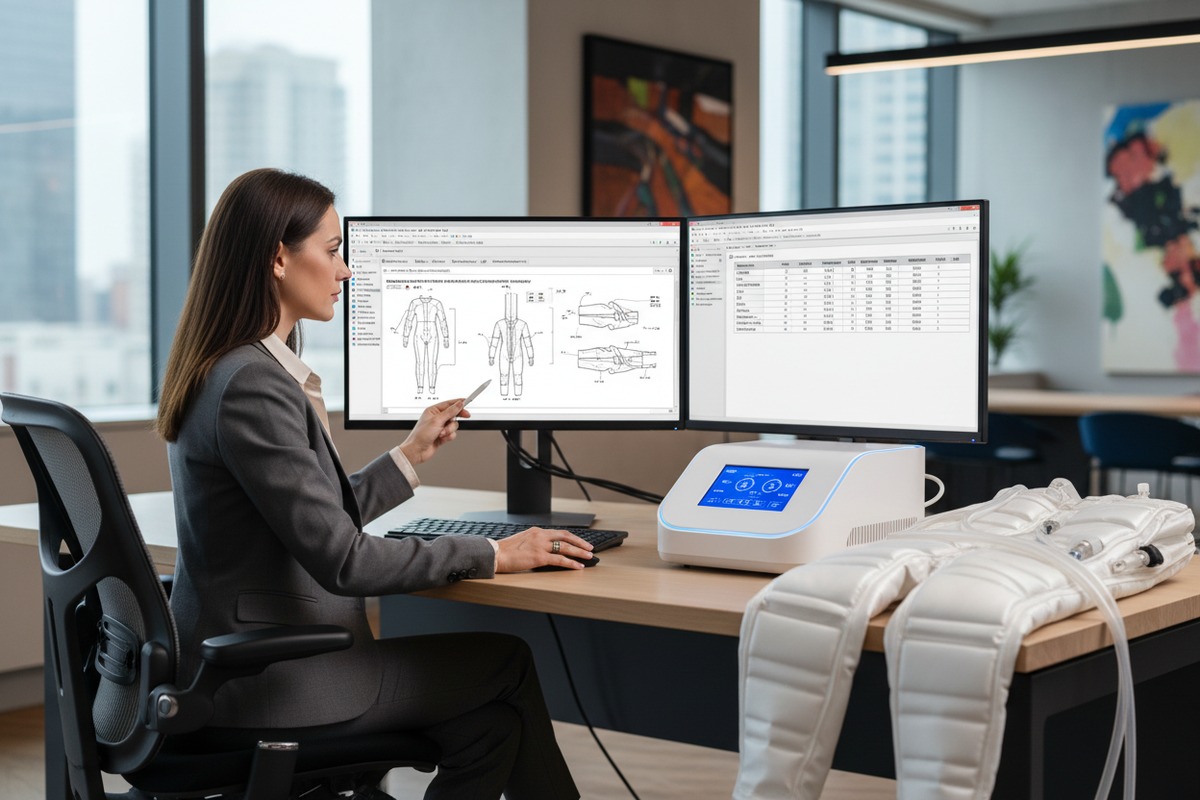
When our production team first expanded into pressotherapy machines, the US market looked promising USPTO database 1. But one question kept coming up from buyers: “Is this design safe to import?” Many importers face the same fear. One wrong move, and you could receive a cease-and-desist letter—or worse, a lawsuit over a machine that looks too similar to a patented design.
To avoid US design patent infringement when sourcing pressotherapy machines, importers must conduct Freedom to Operate (FTO) searches on USPTO databases, compare product appearances against existing patents using the “ordinary observer” test, and work with OEM suppliers to customize housing designs that are visually distinct from protected aesthetics.
This guide breaks down each step you need to take—from patent searches to supplier due diligence. Let’s walk through how to protect your business and import with confidence.
How can I verify if a pressotherapy machine's appearance is already protected by a US design patent?
Our engineers learned this lesson early: you cannot assume a product is safe just because the factory says so. Many pressotherapy machines on the market share similar shapes, boot designs, or control panel layouts. Without a proper search, you risk importing a machine that copies a protected design.
To verify if a pressotherapy machine's appearance is protected by a US design patent, search the USPTO database using keywords like "pressotherapy," "compression therapy," or "lymphatic drainage." Focus on the patent drawings rather than text, and compare visual elements side-by-side using the ordinary observer test.
Why Design Patent Searches Are Different from Utility Patent Searches
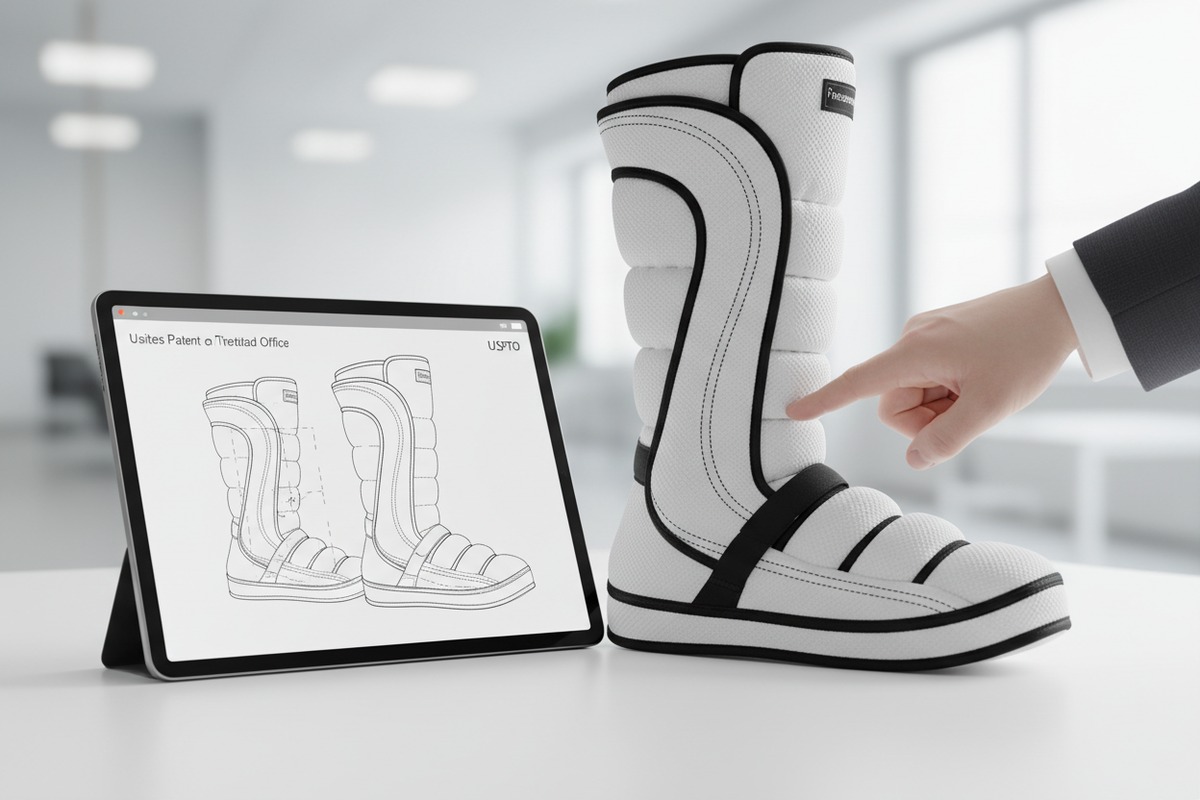
Design patents 2 protect ornamental appearance, not function. Unlike utility patents 3, which cover new or improved—and useful—products, processes, or machines, design patents cover only cosmetic, non-functional elements of an object. This means the search focuses on visual similarity, not technical specifications.
Infringement analysis of a US design patent first must begin by interpreting the claimed design. This is done by looking at the drawings of the patent which is the subject of the claim—the drawings are the claim and define the scope of protection.
Where to Search for Design Patents
| Database | Coverage | Best For |
|---|---|---|
| USPTO Patent Public Search | US patents from 1790 to present | Official source for US design patents |
| Google Patents | US, Europe, Australia, WIPO | Quick visual comparisons |
| Espacenet | 150+ million patent documents globally | International design registrations |
| PATENTSCOPE (WIPO) | 36+ million patents worldwide | PCT applications and global filings |
The USPTO offers web access to bibliographic and full-text patent databases. These databases provide full-text of patents from 1976 to the present and full page images from 1790 to the present.
Understanding the Ordinary Observer Test
Known as the ordinary observer test 4, the standard for determining design patent infringement basically asks whether the accused design would appear substantially similar to a patented design to the eye of an ordinary observer.
This test has important nuances. The prior art must be considered when determining infringement. As defined by the Federal Circuit 5, the "ordinary observer" is someone who would be familiar with the prior art. Practically speaking, it means that the ordinary observer knows what designs already existed before the filing of the patented design.
Steps to Conduct Your Own Preliminary Search
- Identify key visual features of your pressotherapy machine (boot shape, console design, interface layout)
- Use USPTO Patent Public Search with relevant keywords
- Download patent drawings and compare them side-by-side with your product
- Note any designs filed in the last 15 years (design patent term)
- Create a comparison chart documenting differences
In the United States, a utility patent automatically expires 20 years after the earliest effective filing date. A design patent automatically expires 14 years after the issue date. (Note: Design patents filed after May 13, 2015, now have a 15-year term.)
Can I work with my OEM supplier to customize the machine's housing and avoid potential infringement?
In our experience working with US importers, customization is often the best path forward. A standard factory model may look identical to a patented design. But with targeted changes to the housing, console, or boot shape, you can create a visually distinct product.
Yes, you can work with your OEM supplier to customize the machine's housing and avoid infringement. The key is modifying ornamental elements—such as curves, textures, panel shapes, or interface layouts—so that an ordinary observer would not confuse your product with a patented design.

What Types of Modifications Actually Matter?
Not all changes reduce infringement risk equally. The widely circulated "20% modification rule" is misleading. Courts do not care if a product looks marginally different. Adding extra buttons to a patented device does not erase infringement if the underlying mechanism remains the same.
For design patents, however, visual changes matter more than internal ones. Design patents are entirely visual. And it is this visual comparison that opens the door for ornamental changes and additions to make an accused design look different enough to defend against a design patent infringement claim.
Effective vs. Ineffective Design Modifications
| Effective Modifications | Ineffective Modifications |
|---|---|
| Changing overall console shape (square to rounded) | Adding a logo or label only |
| Altering boot profile and seam patterns | Internal component changes |
| Redesigning control panel layout and button placement | Color changes alone |
| Modifying surface textures and materials | Minor proportion adjustments |
| Adding distinctive visual features (unique ventilation patterns) | Changing brand name |
How to Communicate Design Requirements to Your OEM Supplier
When our team initiates housing modifications, we follow a structured approach:
- Provide reference images of the patented design to avoid
- Specify which elements must change (e.g., console shape, boot stitching pattern)
- Request 3D renderings before tooling
- Conduct side-by-side comparisons with identified patents
- Document all design decisions for potential legal defense
When a company is in the early stages of product development, a freedom to operate search may reveal potentially problematic patents. To avoid lengthy and expensive patent litigation 6, the company should at least consider potential modifications to the product's design—typically called "design-arounds." Freedom to Operate (FTO) searches 7
Cost Considerations for Custom Tooling
Customizing the housing requires new molds and tooling. Here is a typical cost breakdown:
| Component | Standard Product | Custom Design |
|---|---|---|
| Console mold | Included | $5,000–$15,000 |
| Boot mold (per size) | Included | $3,000–$8,000 |
| Control panel overlay | Included | $1,000–$3,000 |
| MOQ impact | Lower | Higher |
| Lead time | 2–3 weeks | 6–10 weeks |
The upfront investment in custom tooling pays off by reducing your litigation exposure. Patent infringement happens when a company uses, makes, or sells a patented invention without authorization. It is a costly risk for any business, with the average litigation cost in the US at $2.8 million per case.
What due diligence should I perform on a Chinese manufacturer's R&D process to ensure my product is unique?
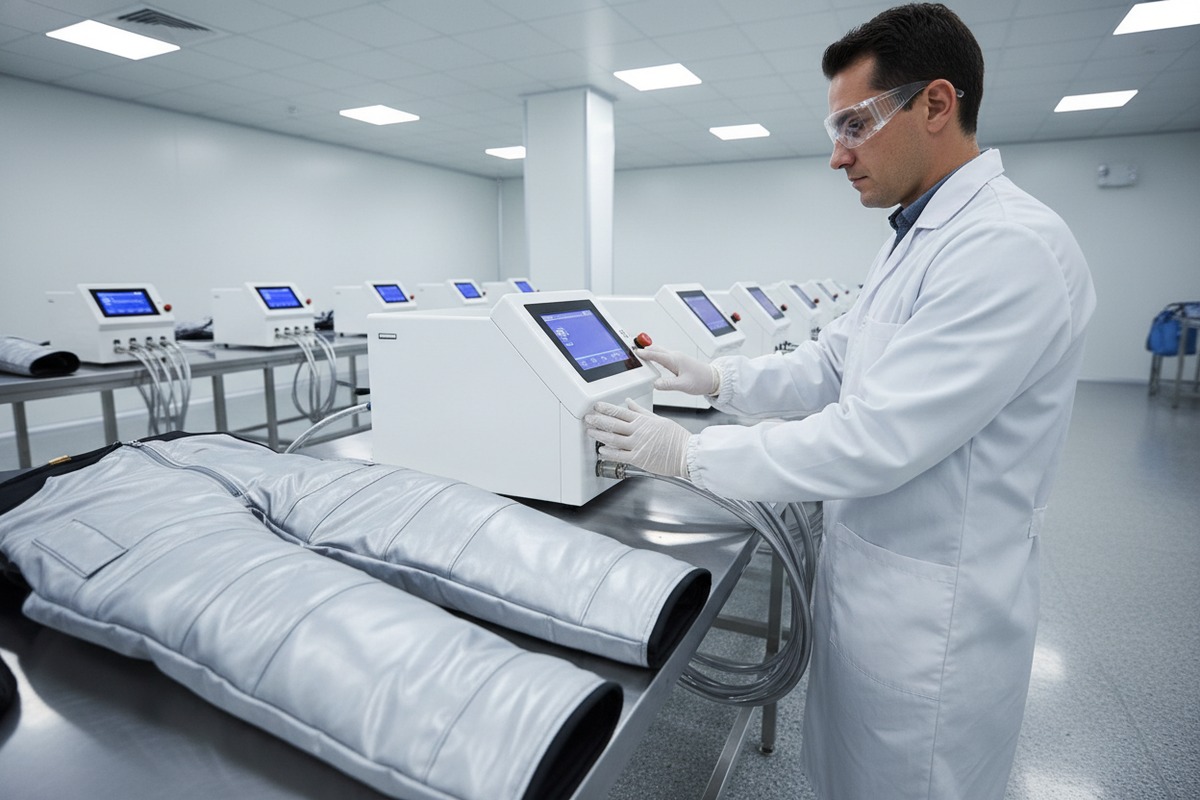
When we onboard new clients, one of the first questions we ask is: where did this design come from? Too many importers trust that their supplier's "own design" is actually original. In reality, many Chinese factories source designs from market leaders or trade show samples.
To ensure your product is unique, conduct due diligence on your Chinese manufacturer's R&D process by reviewing design documentation, verifying IP ownership clauses in contracts, requesting FTO reports, and auditing the supplier's design history to confirm independent creation.
Red Flags That Indicate Copied Designs
Watch for these warning signs when evaluating a supplier's design claims:
- Factory cannot provide original design sketches or CAD files
- Product looks identical to a well-known brand's machine
- Supplier has multiple clients selling visually identical products
- No documented R&D timeline or design evolution
- Reluctance to discuss design origins
Many American, European, and Australian companies make a simple mistake: they start discussing their product and sharing IP with potential suppliers—often found on Alibaba.com, MadeInChina.com, GlobalSources.com, or a trade show—without verifying that company. In many cases, they end up working with a 3-person trading company or a tiny manufacturing company. That might be a good fit for your project, of course. Or it could be a source of ongoing concerns and frustrations. Remember, a small company that has very little to lose is more likely to engage in fraudulent activities.
Due Diligence Checklist for Manufacturers
| Verification Area | What to Request | Why It Matters |
|---|---|---|
| Company registration | Business license, factory audit reports | Confirms legitimate manufacturing operation |
| Design ownership | IP assignment agreements, design history files | Establishes who owns the design rights |
| FTO documentation | Freedom-to-operate search results from prior projects | Shows awareness of patent landscape |
| Previous litigation | Ask about any IP disputes | Reveals past infringement issues |
| Client references | Contact information for US/EU buyers | Validates export experience |
Contractual Protections You Need
The products/service contents provided by a supplier and the OEM party, respectively, the warranty liability for defects of rights, the supplier's liability for product infringement and so forth shall be clearly agreed in the contract terms. The supplier's qualification for intellectual property rights including whether the supplier enjoys the patent right, assessments on the stability of the supplier's patent right in advance, and assessments on infringement possibility shall be noticed for examination.
Your manufacturing agreement should include:
- IP indemnification clause – Supplier assumes liability for infringement claims
- Design origin warranty – Supplier warrants the design is original
- Document retention requirement – Supplier must maintain design records
- Audit rights – You can inspect design processes
- NNN agreement – Non-disclosure, Non-use, Non-circumvention (specific to China)
Why Standard NDAs Are Not Enough in China
Many foreign companies discover the hard way that standard Western-style NDAs often fail to provide adequate protection in China's unique legal environment. Understanding how NDAs work under Chinese law is crucial for any business planning to share confidential information with Chinese partners, manufacturers, or employees.
NNN agreements 8 (Non-Use, Non-Disclosure, Non-Circumvention) represent a more comprehensive approach to IP protection in China. Unlike traditional NDAs, these agreements provide three layers of protection: Non-Disclosure—preventing the sharing of confidential information with third parties; Non-Use—prohibiting the receiving party from using your confidential information for their own competitive advantage.
Request FTO Reports from Qualified Attorneys
The suppliers are recommended to provide the FTO reports issued by lawyers in China and the conclusions from the search analyses for the products, which prevents identifying the same as intention in the potential infringement acts.
An FTO report from a qualified IP attorney typically costs $5,000–$20,000 depending on complexity. This investment provides documented evidence that you exercised reasonable care.
How do I protect my business from legal risks if a competitor claims my imported beauty machine looks too similar to theirs?
Even with proper due diligence, disputes can arise. A competitor may send a cease-and-desist letter or file a lawsuit claiming your pressotherapy machine infringes their design patent. Knowing how to respond protects your business from devastating losses.
To protect your business from legal risks, maintain thorough documentation of your design process, obtain a formal FTO opinion before importing, ensure your supplier contract includes IP indemnification, prepare defenses such as non-infringement or patent invalidity, and consult with a US patent attorney immediately if a claim arises.

What Happens When You Receive an Infringement Claim
If a patent owner becomes aware of infringement against their patent, we advise the patent owner to take prompt action to stop the infringement. A patent is a grant by a government of the right to exclude others from making, sale, offer to sell, or unauthorized use of the invention described and claimed in the patent.
As the accused party, you need to act quickly. Here is the typical timeline:
| Stage | Timeframe | Your Actions |
|---|---|---|
| Cease-and-desist letter | Day 1 | Contact IP attorney immediately |
| Response deadline | 10–30 days | Evaluate claims, gather evidence |
| Negotiation | 30–90 days | Attempt settlement or design-around |
| Litigation filing | 90+ days | Prepare defense strategy |
Your Primary Defense Options
Defendants in design patent infringement cases may raise several defenses, including: Non-infringement—arguing that the accused product's design is visually distinct when viewed as a whole; Invalidity—claiming the patent should not have been granted because the design was not novel or was obvious over prior art; Functionality—asserting that the design is primarily functional rather than ornamental, making it ineligible for design patent protection; Independent Creation—demonstrating that the design was created independently without copying.
How to Build a Non-Infringement Defense
To argue noninfringement is to show that your product is missing a required claimed feature. This will likely involve a noninfringement review by a patent attorney with experience in patent infringement litigation.
For design patents specifically: Noninfringement of a design patent boils down to the appearance. There is only one claim in a design patent, and it essentially consists of the drawings.
Challenging Patent Validity
Prior art refers to any publicly available information—such as patents, publications, or products—that existed before the patent's filing. If prior art is found, the patent may be invalidated, and the lawsuit could be dismissed.
Many defendants often file Inter Partes Reviews (IPRs) 9 with the Patent Trial and Appeal Board (PTAB) to challenge a patent's validity. According to the USPTO, only about 50% of IPRs are instituted, and a significant percentage of claims that are reviewed end up being invalidated.
Documentation You Should Maintain
| Document Type | Purpose | Retention Period |
|---|---|---|
| FTO search results | Shows reasonable care | Indefinitely |
| Design evolution records | Proves independent creation | 20 years |
| Supplier contracts with IP warranties | Enables indemnification claims | Contract term + 6 years |
| Side-by-side comparison charts | Supports non-infringement arguments | Indefinitely |
| Communication records with suppliers | Documents design decisions | 10 years |
ITC Investigations: A Special Risk for Importers
Another litigation avenue for the patent owner is to seek an exclusion order from the ITC pursuant to section 337 of the Tariff Act of 1930. Section 337 provides a patent owner with another forum to litigate infringement of their patent of products that "are made, produced, processed, or mined under, or by means of, a process covered by the claims of a valid and enforceable United States patent."
ITC cases move faster than federal court litigation and can result in exclusion orders blocking your products at the border. This is a significant risk for importers.
When to Consider Licensing
Sometimes the best business decision is to negotiate a license rather than fight. Consider licensing when:
- The patent appears valid and your product is clearly similar
- Litigation costs exceed potential licensing fees
- The patent holder is willing to negotiate reasonable terms
- You need to maintain market presence during the dispute
Conclusion
Avoiding US design patent infringement 10 when sourcing pressotherapy machines requires proactive steps. Conduct thorough patent searches, customize your product's appearance with your OEM supplier, verify your manufacturer's design origins, and maintain documentation to defend potential claims. Taking these precautions protects your business and builds buyer confidence.
Footnotes
1. Provides direct access to the official source for US patent information. ↩︎
2. Provides a foundational understanding of design patents. ↩︎
3. Explains the nature and scope of utility patents. ↩︎
4. Explains the legal standard for determining design patent infringement. ↩︎
5. Identifies the key court for patent appeals in the US. ↩︎
6. Provides context on the financial risks associated with patent disputes. ↩︎
7. Defines FTO searches and their importance in product development. ↩︎
8. Explains the purpose and components of NNN agreements for IP protection. ↩︎
9. Describes a common method for challenging patent validity at the USPTO. ↩︎
10. Explains the legal concept and consequences of design patent infringement. ↩︎


 English
 Español de México
 Deutsch
 Français
 العربية
 Русский
Join the Conversation
Have a question or insight to share? We read every comment — whether you're a distributor, salon owner, or just curious about the technology. Your real-world experience helps others make better decisions. Drop your thoughts below.