
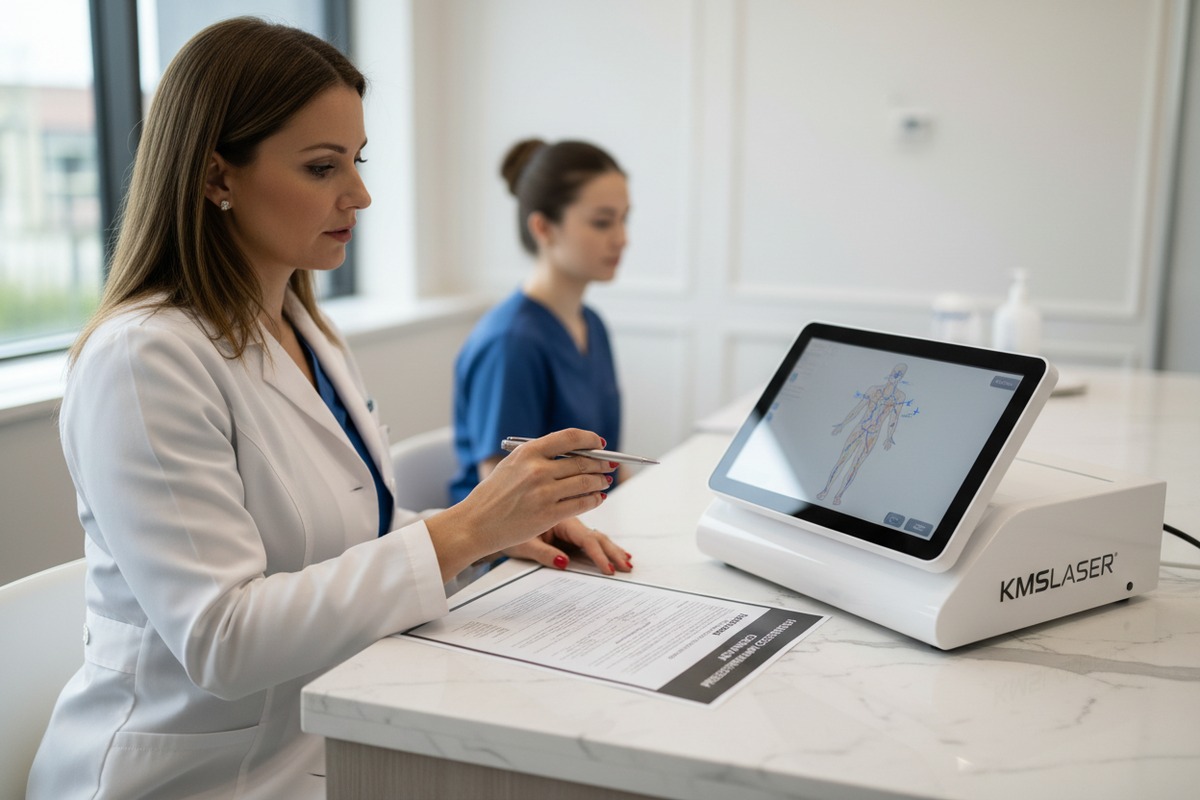
Many distributors struggle with generic equipment that ignores their specific training protocols manual lymphatic drainage (MLD) 1. Our engineering team solves this by designing flexible software that lets you calibrate every compression wave to your brand’s standards.
To align pressotherapy modes with your syllabus, map specific compression patterns—sequential, peristaltic, or pulsatile—to treatment goals like recovery or slimming. Matching adjustable pressure gradients and interval timings ensures the device follows your curriculum’s medical or aesthetic protocols precisely, allowing for standardized, repeatable clinical results.
Managing high-end beauty brands requires a perfect marriage between hardware and education. Let's look at how you can bridge that gap.
How can I customize the pressotherapy modes to match my brand’s specific training syllabus?
Standard machines often force you into rigid, ineffective cycles. When we develop new software versions for our international partners, we prioritize modular programming that allows for unique treatment sequences.
You can customize pressotherapy modes by working with manufacturers to define specific inflation sequences and hold times. This allows your syllabus to dictate the exact pressure wave movement, ensuring students learn techniques consistent with your brand’s proprietary lymphatic drainage standards and clinical expectations.

Mapping Modes to Educational Outcomes
When you create a training syllabus, you are teaching a specific physiological response. The machine must act as an extension of the practitioner's hands. We focus on several core algorithms that can be adjusted during the OEM phase to match your specific manual lymphatic drainage 2 (MLD) philosophy.
Understanding Inflation Sequences
The most common requirement in a syllabus is the direction of flow. sequential, peristaltic, or pulsatile 3 In our production facility, we categorize these into three primary patterns:
- Sequential: This follows a distal-to-proximal flow where each chamber stays inflated until the entire limb is compressed. This is ideal for teaching basic detox.
- Peristaltic: This is a "pumping" motion where only a few chambers are inflated at once. It mimics the natural movement of the lymph vessels.
- Pulsatile: This adds a rhythmic vibration to the pressure, which your syllabus might use for stubborn cellulite or deep tissue stimulation.
Customizing the Time Parameters
Your syllabus likely specifies how long a "wave" should last. We can program the inflation time (how fast the air fills), the hold time (how long the pressure stays), and the interval (the rest period between waves). These small adjustments change a wellness treatment into a medical-grade recovery session.
| Mode Type | Compression Pattern | Syllabus Alignment |
|---|---|---|
| Mode A (Sequential) | Chamber 1 -> 2 -> 3 -> 4 (All Stay On) | Lymphedema and intensive fluid clearance. |
| Mode B (Peristaltic) | Chamber 1-2 -> 2-3 -> 3-4 (Rolling) | Cellulite reduction and general relaxation. |
| Mode C (Gradient) | High Pressure (Distal) to Low (Proximal) | Post-surgical recovery and vascular health. |
| Mode D (Custom) | Intermittent Pulsing with Infrared | Sports massage and muscle soreness syllabus. |
Designing Proprietary Presets
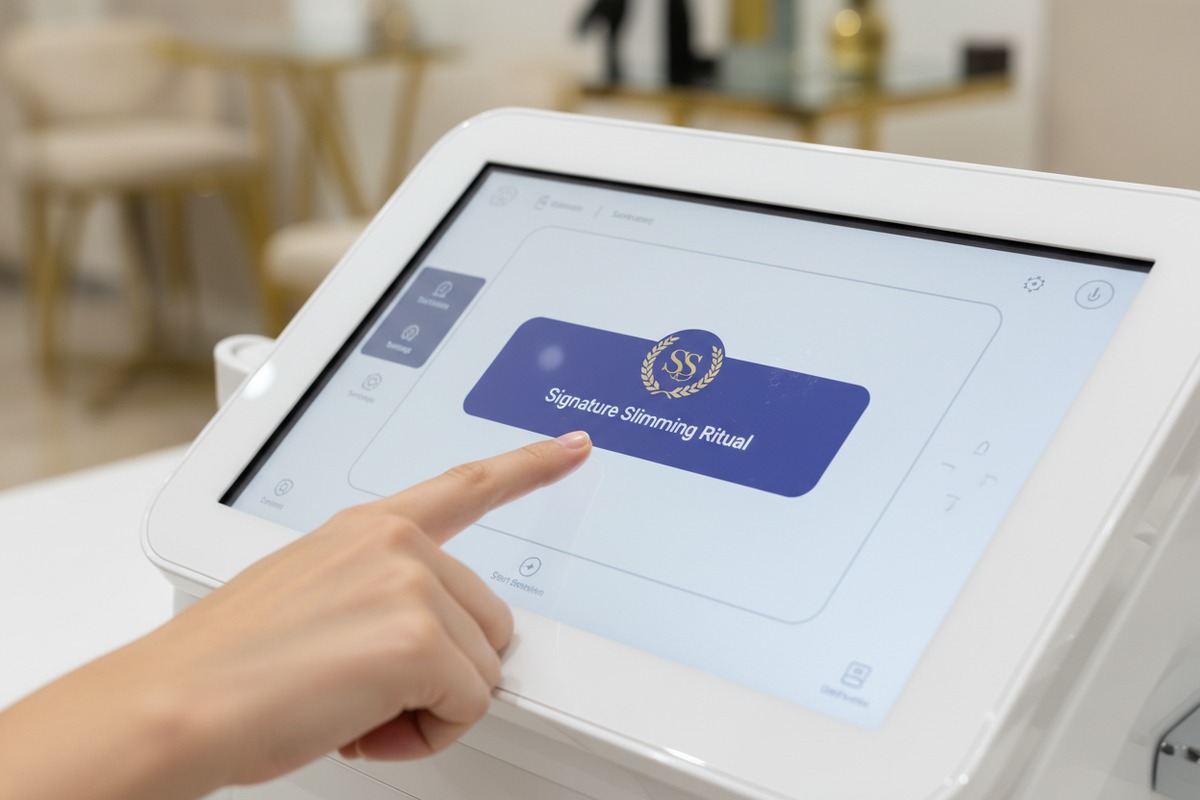
If your training program has a "Signature Slimming Ritual," we can hard-code that specific sequence into the machine. This means the student just has to select "Brand Ritual" on the touchscreen, and the machine executes your exact protocol every time. This reduces human error and ensures that every salon using your equipment delivers the same quality.
What technical features do I need to ensure the lymphatic drainage cycles follow my protocols?
A syllabus is only as good as the hardware's ability to execute it. In our R&D lab, we have found that many "pro" machines lack the independent valves needed for complex protocols.
To ensure protocols are followed, look for machines with independent chamber control, adjustable gradient settings, and variable cycle speeds. These features allow for the precise mimicking of manual drainage techniques required in advanced professional training syllabuses and clinical applications for varied body types.
The Importance of Independent Air Valves
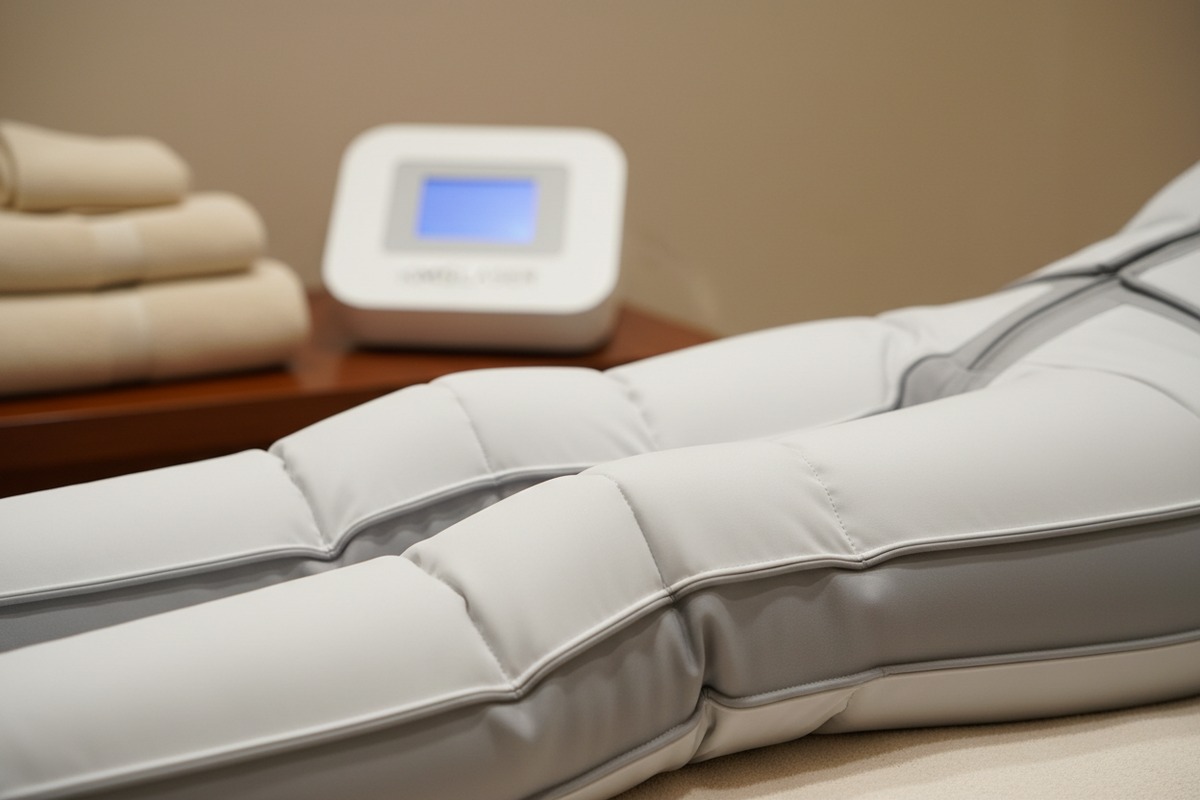
Cheap machines often tie two or three chambers to a single valve. This makes it impossible to perform precise sequential drainage. Our high-end models utilize individual solenoid valves 4 for every air chamber (up to 48 chambers in full-body suits). This technical feature allows your syllabus to teach targeted treatments, such as focusing only on the ankles for edema or the abdomen for digestive health.
Gradient Pressure Functionality
A critical part of any medical-grade syllabus is the "pressure gradient 5." This means the pressure is highest at the feet and gradually decreases as it moves toward the heart. Without this feature, the machine could potentially trap fluid or cause reflux. We calibrate our machines to allow 1-4 mmHg adjustments per chamber, ensuring the fluid is always moving in the correct direction.
Material and Garment Design
The hardware isn't just the control box; it's the suit. To follow a professional protocol, the garments must have overlapping chambers. Non-overlapping chambers create "dead zones" where no pressure is applied. This can lead to inconsistent drainage. We use high-grade, easy-to-clean nylon with overlapping internal bladders to ensure a continuous wave of pressure.
Advanced Integration Features
Modern syllabuses often combine pressotherapy with other modalities. Far Infrared (FIR) 6 We have integrated features like:
- Far Infrared (FIR): To boost metabolism while draining.
- EMS (Electrical Muscle Stimulation): To tone muscle while moving lymph.
- Emergency Stop Buttons: A safety requirement for any accredited training program.
| Feature | Technical Requirement | Benefit to Syllabus |
|---|---|---|
| Chamber Count | 16 to 48 Independent Airbags | Allows for more granular and precise "waves." |
| Pressure Range | 20 mmHg to 360 mmHg | Covers both gentle wellness and intense clinical use. |
| Valve System | High-frequency Solenoid Valves | Enables rapid switching for peristaltic "pumping." |
| Suit Material | Antibacterial, Overlapping TPU | Ensures hygiene and consistent pressure application. |
Software Feedback Loops
When we export units to the US or Canada, we often include real-time pressure monitoring. This allows the student to see exactly how much pressure is being applied in each chamber via the display. If your syllabus requires "30 mmHg for the first 10 minutes," the machine must be able to prove it is delivering exactly that.
Inaccurate pressure is the leading cause of client complaints and poor clinical outcomes. During our final inspection phase, we use digital manometers to ensure the software's readout matches the actual output in the garment.
Verify pressure precision by requesting calibration reports and testing the machine with integrated digital sensors. Accurate pressure ensures that the 20-360 mmHg range reflects real-time chamber intensity, preventing tissue trauma and maintaining the integrity of your standardized treatment menu and professional reputation.
The Danger of Pressure Inconsistency
If your service menu promises a "Gentle Pregnancy Drainage," but the machine spikes 20 mmHg over the set limit, you risk harming the client. We have seen many low-cost factories skip the calibration step. This results in "pressure drift," where the pump grows weaker or stronger over a 30-minute session.
Digital vs. Analog Control
Older machines used analog dials, which are notoriously difficult to standardize across a franchise or a chain of salons. Our current production line uses digital microprocessors. This allows you to set a precise number (e.g., 85 mmHg) and be confident that every machine in your fleet will behave exactly the same way. This is essential for a "Standardized Service Menu."
Real-World Testing Protocols
To verify precision, we recommend a "Live Load" test. This involves:
- Placing a pressure sensor inside the suit while a person is wearing it.
- Running the "Sequential Mode" at 100 mmHg.
- Comparing the external sensor reading to the machine's screen.
- Checking for air leaks in the connectors and zippers.
Why mmHg Matters More than "Intensity Levels"
Avoid machines that only offer "Level 1, 2, 3." These are too vague for a professional syllabus. A professional machine should always display mmHg (millimeters of mercury) 7. This is the medical standard. If your training manual says "Drain the lymph at 40 mmHg," your machine must show that specific unit of measurement.
| Treatment Goal | Recommended Pressure (mmHg) | Verify Via |
|---|---|---|
| Lymphatic Flow | 20 – 40 mmHg | Low-pressure sensor calibration. |
| Cellulite/Aesthetic | 60 – 120 mmHg | Mid-range stability test. |
| Sports Recovery | 120 – 240+ mmHg | High-pressure pump durability check. |
| Lipoedema Treatment | 30 – 60 mmHg (Gradient) | Individual chamber variance check. |
Quality Control Certificates
When you buy from a professional manufacturer, you should receive a QC pass certificate for every unit. This document should confirm that the pump pressure has been tested against a master gauge. For our US clients, this level of documentation is often a requirement for insurance and liability purposes.
Can I work with my manufacturer to develop proprietary modes that differentiate my product line?
Standing out in the US beauty market is hard when everyone uses the same "off-the-shelf" devices. We help our ODM partners by creating custom UI (User Interface) designs and unique compression algorithms.
Yes, partnering with a manufacturer allows you to develop proprietary modes by modifying software algorithms for air release and inflation. This differentiation creates a unique selling point, aligning your hardware's exclusive performance with your specific educational and service brand identity for higher market value.

The Advantage of Private Labeling (OEM/ODM)
When you go beyond just putting your logo on a machine, you create "Intellectual Property 8." If your syllabus has a unique "Wave Pattern" that no one else offers, you can protect that as a trade secret. We work with brand owners to translate their manual techniques into digital code.
The Development Process
The process of creating a proprietary mode usually follows these steps:
- Requirement Gathering: You explain the physiological goal (e.g., "I want a mode specifically for post-liposuction recovery").
- Algorithm Design: Our engineers write the code for the inflation/deflation timing and pressure changes.
- Prototyping: We send you a sample unit with the new software for testing.
- Feedback & Refinement: We tweak the speed or pressure based on your clinical trials.
- Final Production: The custom software is loaded onto your entire order.
Customizing the User Interface (UI)
The screen is the first thing your customers and students see. We can customize the touchscreen to show your logo, your specific mode names (e.g., "The Crowd Method"), and even your brand colors. This makes the machine feel like a bespoke tool rather than a mass-produced commodity.
Enhancing Market Value
Proprietary modes allow you to charge a premium. If you can prove that your "Detox Mode 2.0" is more effective than a standard machine because of its unique 24-chamber gradient logic, you have a powerful marketing tool. This is how mid-to-large distributors dominate the market—they sell a system, not just a machine.
Critical Thinking: The Cost vs. Benefit
Is it worth the investment? For a single salon, probably not. But for a brand owner distributing to hundreds of salons, customization is the only way to avoid price wars. By owning the "Syllabus + Machine" ecosystem, you make it very difficult for your customers to switch to a cheaper competitor.
Conclusion
Aligning your machine's modes with your syllabus is the key to professional success. By customizing software and verifying hardware precision, you ensure your brand offers unmatched, repeatable results for every client.
Footnotes
1. Provides a comprehensive overview of manual lymphatic drainage. ↩︎
2. Explains the purpose and benefits of lymphatic drainage. ↩︎
3. Describes different compression patterns used in pressotherapy. ↩︎
4. Explains the function and application of solenoid valves. ↩︎
5. Replaced HTTP 405 with an educational resource explaining pressure gradients in biological fluid transport. ↩︎
6. Describes the benefits and uses of Far Infrared therapy. ↩︎
7. Defines mmHg as a standard unit of pressure in medicine. ↩︎
8. Explains the concept and types of intellectual property. ↩︎

 English
 Español de México
 Deutsch
 Français
 العربية
 Русский
