

At KMSLASER, we see many buyers struggle with compliant sourcing. You need reliability, not just a low price. Asking the right questions upfront protects your investment and ensures seamless US customs clearance.
To successfully import a shockwave therapy machine, you must ask the supplier about five critical areas: regulatory compliance (FDA/CE), specific technical performance (bar pressure and frequency), internal quality control processes, detailed logistics arrangements, and after-sales support terms. Obtaining verifiable proof for these ensures safety and legality.
The following guide breaks down these questions to help you navigate the complex B2B procurement process.
What are the most important product specifications I should confirm with my supplier?
Our engineering team frequently tests competitor devices and finds discrepancies in stated power. You want effective treatments for your clients, not marketing fluff. Verify the real numbers before you buy.
You should confirm the machine’s energy generation method (pneumatic vs. electromagnetic), the actual maximum pressure (Bar) and frequency (Hz), and the lifespan of the transmitter bullets. Additionally, ask for the specific cooling system specs to ensure the device can handle high-volume clinic usage without overheating.
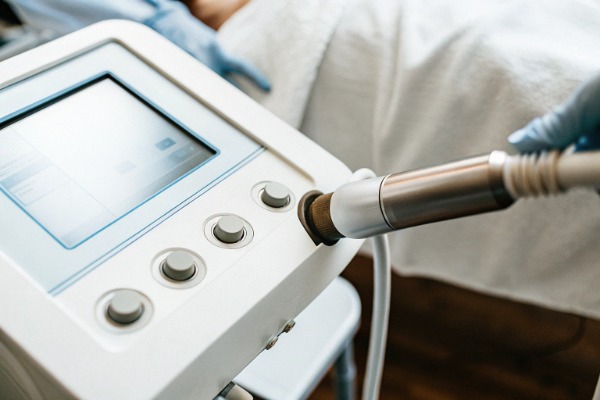
Understanding the Core Technology
When you look at a spec sheet, it is easy to get lost in the numbers. However, the difference between a satisfied patient and a refund request often lies in the "engine" of the machine. Most effective clinical shockwave devices utilize pneumatic 1 ballistic technology. This involves an air compressor driving a projectile inside the handpiece to strike a transmitter, generating the wave.
Many low-cost suppliers might sell you an "Electromagnetic" device while labeling it as "Pneumatic." Electromagnetic devices often lack the depth of penetration required for treating chronic musculoskeletal conditions. You must ask the supplier to confirm the technology type explicitly. If it is pneumatic, ask about the air compressor’s origin. In our designs, we use imported compressors because they provide stable pressure output over thousands of shots.
Critical Performance Metrics
Do not accept a simple "yes" when you ask if a machine is powerful. You need raw data.
- Pressure (Bar): Standard professional machines should offer adjustable pressure from 1 Bar up to 4 or 5 Bar. Higher pressure allows for deeper tissue stimulation.
- Frequency (Hz): This determines how fast the shocks are delivered. A range of 1Hz to 21Hz is standard.
- Energy Output: For electromagnetic models, this is measured in mJ. For pneumatic, we look at pressure.
The Cooling System Factors
In our R&D lab, we stress-test machines to failure. The most common point of failure is heat. If your salon treats 10 clients a day, the handle will get hot.
- Air Cooling: Common but can be noisy.
- Water Cooling: More expensive but quieter and runs longer.
- Ask your supplier: "What is the maximum continuous working time?" A professional unit should run for at least 60 minutes without a thermal cutoff.
Consumables: The Hidden Cost
The "bullet" inside the handle wears out. This is a recurring cost for you. You need to know the lifespan (usually measured in "shots"). A standard bullet might last 1 million shots, while a high-quality one lasts 2 to 3 million.
Comparison of Tech Specs
Use this table to benchmark the quotes you receive:
| Feature | Entry-Level / Home Use | Professional Salon Grade | KMSLASER Standard |
|---|---|---|---|
| Technology | Electromagnetic | Pneumatic Ballistic | Pneumatic Ballistic |
| Pressure | 1 – 2 Bar (Equiv) | 1 – 4 Bar | 1 – 5 Bar |
| Frequency | 1 – 10 Hz | 1 – 16 Hz | 1 – 21 Hz |
| Bullet Lifespan | < 500,000 shots | 1,000,000 shots | 2,000,000+ shots |
| Screen Size | Small / Button interface | 8-inch Touch | 10.4-inch True Color Touch |
How do I verify the supplier’s quality control processes for Shockwave Therapy Machines?
We invite clients to visit our Guangzhou facility because seeing is believing. If you cannot visit, you risk receiving "DOA" (Dead on Arrival) units. Demand proof of rigorous testing.
To verify quality control, ask the supplier for their ISO 13485 certification and specific video evidence of their aging tests. You should also request a copy of the pre-shipment inspection report, which details the functional checks performed on your specific serial numbers before crating.
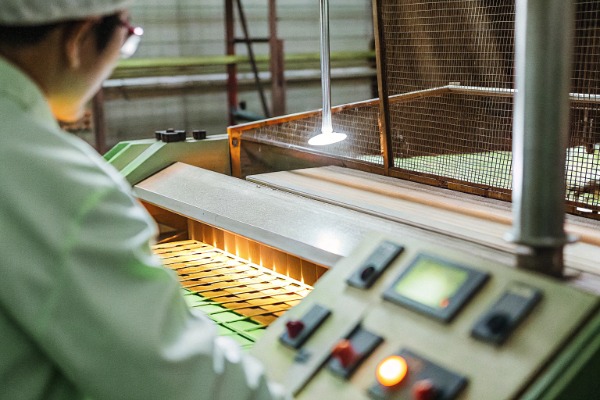
The Importance of the "Aging Test"
Quality control is not just about turning the machine on and off. In our production line, every single unit undergoes an aging test 2. This means we leave the machine running at high energy levels for a continuous period (usually 24 to 48 hours) before it is even packed.
Why do we do this? Electronic components, particularly capacitors and power supplies, tend to fail early if they have manufacturing defects. By stressing the machine before shipment, we weed out these "infant mortality" failures so they don’t happen in your clinic.
- Question to ask: "How long is your standard aging test, and can you send me a video of my specific machine undergoing this test with the date visible?"
Structural and Component Inspection
Beyond the electronics, the mechanical parts of a shockwave machine endure significant vibration.
- Handle Connection: The port where the handle connects to the machine is a weak point. If the soldering is poor, the vibration will loosen the connection within weeks.
- Touch Screen Sensitivity: We calibrate screens to ensure they respond even if the operator has gel on their hands.
- Internal Wiring: Ask for a photo of the inside of the machine. Professional wiring is bundled, tied, and clear of the cooling fans. Messy wiring is a major fire hazard and a sign of a sloppy workshop.
Third-Party Verification
If you are ordering a large batch (e.g., 10+ units), it is worth hiring a third-party inspection agency to verify that the manufacturer follows ISO 13485 3 quality standards. However, for smaller orders, you can act as your own inspector.
Your Virtual Inspection Checklist
Request a "Live Video Inspection" via WhatsApp or Zoom. Use this checklist during the call:
| Component | What to Look For / Ask | Pass Criteria |
|---|---|---|
| Casing | Check for gaps in the plastic molding. | Seams are tight; no rattling sound when shaken. |
| Software | Ask them to change languages or adjust protocols. | Response is instant; no freezing. |
| Output | Ask them to fire a shot at a test plate/paper. | The impact should be consistent and rhythmic. |
| Serial No. | Ask to see the serial number sticker. | Matches your invoice and packaging. |
What logistics and shipping details should I clarify before placing an order?
We know that a stuck shipment costs you sales and damages your reputation. Logistics is not just about moving boxes; it is about accurate documentation for US Customs.
You must clarify the Incoterms (EXW, FOB, or DDP), the precise HS Code used for customs declaration, and whether the supplier provides a "Door-to-Door" service with duty paid. Furthermore, confirm the packaging type to ensure the machine survives the trans-Pacific journey.
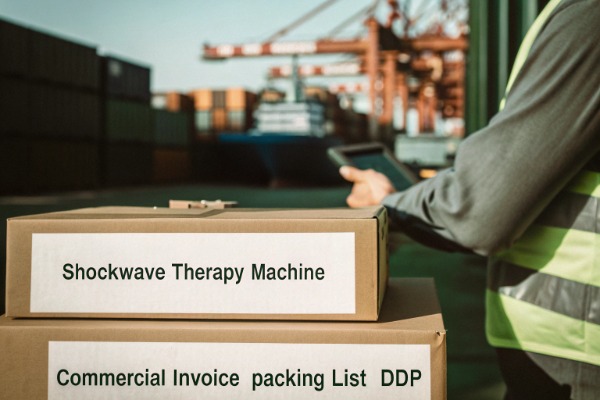
Packaging: The First Line of Defense
Shockwave machines contain sensitive pneumatic components. If a box is dropped during transit (which happens often), the internal compressor can dislodge.
- Cardboard is not enough. We strictly use aluminum flight cases or reinforced wooden crates with foam inserts for export.
- Question to ask: "Will you ship this in a standard cardboard box or a flight case/wooden crate? Please send me a picture of your standard export packaging."
Navigating US Customs: The FDA Hurdle
For our US clients, regulatory compliance 4 is the biggest concern. Shockwave therapy devices are medical devices.
- 510(k) Clearance: If the device is intended for medical use, it usually requires FDA 510(k) clearance 5.
- Import Codes: The correct HS Code 6 is vital. Using the wrong code can trigger an audit. Common codes for massage or physical therapy apparatus differ slightly.
- Your Role: As the "Importer of Record," you are legally responsible. However, we assist our partners by providing the correct commercial invoice, packing list, and FDA registration numbers (if applicable) prior to shipping.
Incoterms: Who Pays for What?
In international trade, misunderstandings about shipping costs are common. You need to agree on specific Incoterms 7.
- EXW (Ex Works): You pay for everything from our factory door. (Best for buyers with their own freight forwarders).
- FOB (Free on Board): We pay to get it to the ship/plane; you pay the rest.
- DDP (Delivered Duty Paid): When using DDP 8, the supplier handles everything, including US customs duties and delivery to your salon.
Shipping Modes and Timelines
You generally have two options:
- Air Express (DHL/FedEx/UPS): Fast (5-7 days) but expensive. Good for sample orders.
- Sea Freight: Slow (25-40 days) but cheap. Good for bulk orders.
Logistics Responsibility Table
| Incoterm | Supplier Responsibility | Buyer Responsibility | Best For… |
|---|---|---|---|
| EXW | Packing the goods only. | Pick up from factory, export declaration, shipping, import duties. | Buyers with strong logistics agents in China. |
| FOB | Transport to CN port + Export Customs. | Sea freight, Insurance, US Import Customs, Duties, Final Delivery. | Buyers who want control over the ocean freight carrier. |
| DDP | Everything. Factory to your door. | Unloading the truck at your salon. | Busy owners who want a hassle-free experience. |
Are there any warranty or after-sales service terms I should ask about?
We believe that the sale actually begins after the delivery. Equipment downtime creates immediate panic for salon owners, so you need a supplier with a proven rapid-response system.
You need to confirm the specific duration of the warranty for the main unit versus the handpiece, the process for obtaining spare parts, and the availability of technical training. Ask if they have English-speaking engineers available for video troubleshooting to resolve issues instantly.
Warranty: Read the Fine Print
A warranty 9 can mean very different things.
- Main Unit vs. Handles: Usually, the main machine has a longer warranty (e.g., 1-2 years), while the handpiece and bullets are "consumables" with a shorter warranty (e.g., 3-6 months or a specific shot count). You must clarify this distinction.
- Shipping Costs: If a part breaks, who pays to ship the replacement? In our standard policy, we cover the shipping cost of replacement parts during the warranty period. Many suppliers will give you the part for free but charge you $50 for shipping.
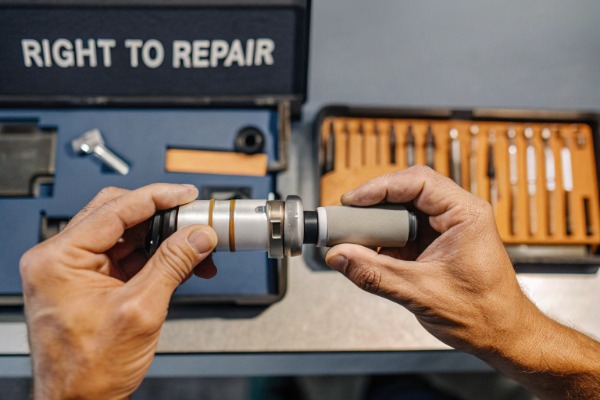
The "Right to Repair"
You are in the US; we are in China. Sending the whole machine back for repair is impossible due to shipping costs and customs.
- Modular Design: We design our machines to be modular. If the screen fails, we send a new screen that you can plug in easily.
- Question to ask: "Is your machine designed for modular repair? Can you provide a video showing how to replace the main power supply or handpiece socket?"
Training and Clinical Support
Buying the machine is useless if your staff doesn’t know how to use it safely. Improper use can cause bruising or pain for patients.
- User Manuals: Demand a manual in native, professional English, not machine-translated text.
- Treatment Protocols: Do they provide a guide on settings? (e.g., "For Plantar Fasciitis: 2000 shocks at 3 Bar, 10Hz").
- Video Training: We provide comprehensive video tutorials. Ask for a sample link to their training videos before you buy to check the quality.
Troubleshooting Response Time
When your machine displays "Error 03", you cannot wait 24 hours for an email reply. Technical troubleshooting 10 requires immediate support.
- Instant Messaging: Does the sales rep or engineer use WhatsApp?
- Time Zones: We staff our support team to overlap with US business hours.
- Scenario Test: Ask the supplier, "If my machine breaks down on a Friday afternoon US time, how soon can I get a response?"
Conclusion
Importing shockwave therapy machines directly from manufacturers like us offers significant cost advantages and customization options. However, success depends on rigorous vetting. By digging deep into technical specs, demanding transparency in quality control, securing comprehensive DDP logistics, and ensuring robust after-sales support, you protect your business from risk. A professional supplier will never hesitate to answer these questions; in fact, we welcome them as the foundation of a strong partnership.
Footnotes
1. Technical overview of how pneumatic systems generate mechanical force. ↩︎
2. Engineering guide to aging tests for ensuring product reliability. ↩︎
3. Standard for quality management systems in medical device manufacturing. ↩︎
4. FDA requirements for importing radiation-emitting and medical devices to the US. ↩︎
5. Explanation of the FDA premarket notification process for medical equipment. ↩︎
6. WCO overview of the Harmonized System codes for global trade. ↩︎
7. Official ICC rules and definitions for international commercial terms. ↩︎
8. Detailed definition of seller responsibilities under DDP shipping terms. ↩︎
9. Federal guide to warranty laws and business obligations. ↩︎
10. Principles of maintenance and troubleshooting for mechanical systems. ↩︎

 English
  Español de México
  Deutsch
  Français
  العربية
  Русский