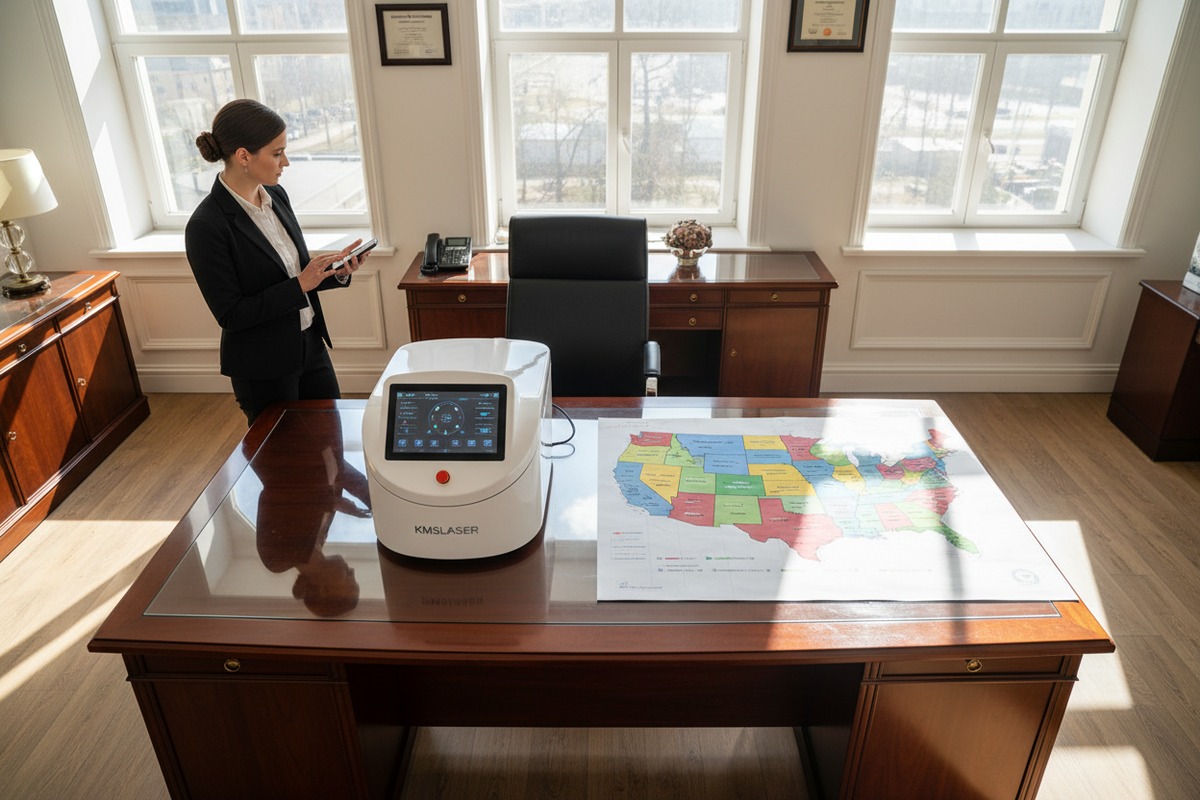
When our production team finishes assembling a shockwave therapy device, we know the real challenge begins at customs prescription-only Class II or III medical equipment 1. Distributors contact us weekly, confused about why their shipments face delays or why certain states reject devices that other states accept freely.
US state legal restrictions for shockwave therapy machines vary significantly across jurisdictions. Federal FDA regulations classify these devices as prescription-only Class II or III medical equipment, while individual states impose additional requirements through medical boards, scope-of-practice laws, and in equine contexts, racing commission rules that can ban devices entirely.
The following sections break down exactly what you need to know before importing or distributing shockwave equipment in America.
How do I ensure my imported shockwave machines comply with both FDA and individual state medical board requirements?
Our export documentation team processes dozens of US-bound shipments monthly, and the compliance questions never stop product recalls 2. Missing a single certificate can cost weeks in port delays.
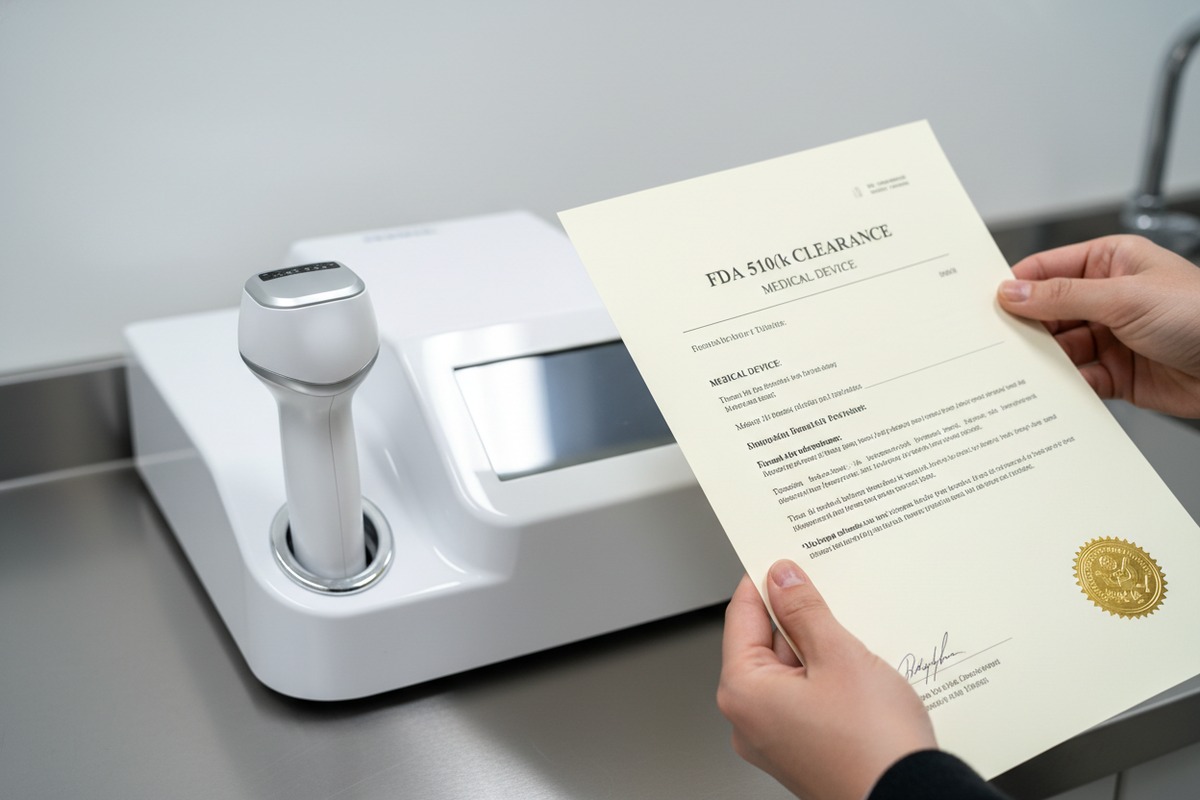
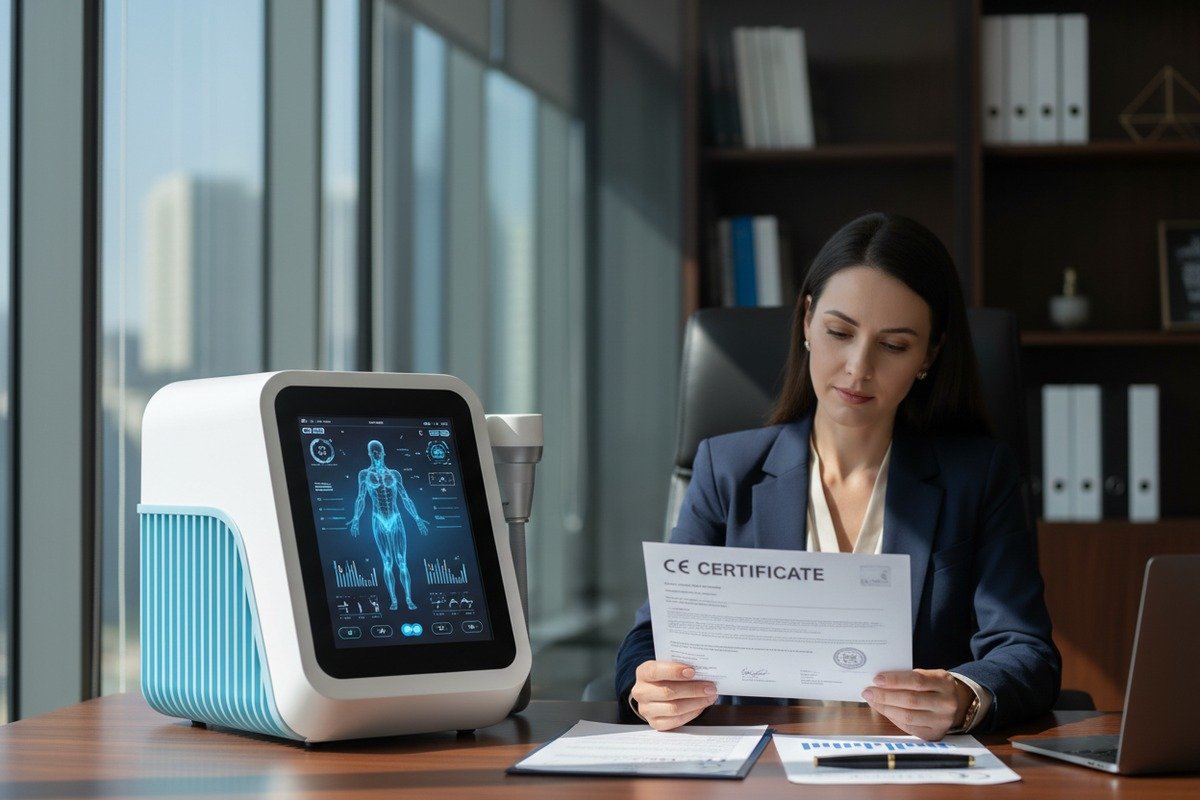
To ensure compliance, verify your shockwave device holds FDA 510(k) clearance for its intended indications, obtain proper labeling as a prescription device, then cross-reference each target state's medical board requirements for device registration, operator licensing, and facility permits before shipping.
Understanding FDA Classification First
The FDA classifies shockwave therapy devices under different categories depending on their intended use. Most units fall under Class II with special controls, requiring 510(k) premarket notification. Some wound care applications fall under 21 CFR 878.4685, which mandates prescription-only status.
Our engineering team designs devices to meet these federal baselines. However, FDA clearance alone does not guarantee legal sale in every state. Each state medical board maintains authority over what equipment practitioners can use within their licensed scope.
State Medical Board Registration Requirements
After clearing federal hurdles, you face state-level gatekeepers. Some states require direct device registration. Others focus entirely on who operates the equipment rather than the equipment itself.
| State Category | Registration Requirement | Timeline |
|---|---|---|
| States with device registries | Submit FDA clearance docs, pay fees | 4-8 weeks |
| States with operator-only focus | No device registration, practitioner license check | Immediate |
| States with facility permits | Both device and location approval needed | 6-12 weeks |
Practical Steps for Importers
Start by requesting FDA 510(k) clearance 3 letters from your manufacturer. We provide these documents in our standard export packages. Then contact each state's medical board directly. Ask three questions: Does this state require device registration? What practitioner licenses permit operation? Are facility permits required?
Document every response in writing. State regulations change, sometimes quarterly. California updates its medical device rules frequently. Keep a compliance calendar and re-verify before major shipments.
Insurance and CMS Considerations
Beyond basic legality, consider coverage implications. CMS Local Coverage Determinations like L38775 restrict Medicare reimbursement for ESWT in many jurisdictions. If your customers cannot bill insurance, they may not purchase your equipment regardless of its legal status.
What professional certifications must my US customers hold to legally operate the shockwave equipment I purchase?
In our experience shipping to American clinics, the operator licensing question causes more confusion than any other topic. A device legal in Texas might be illegal to operate in New York under the same conditions.
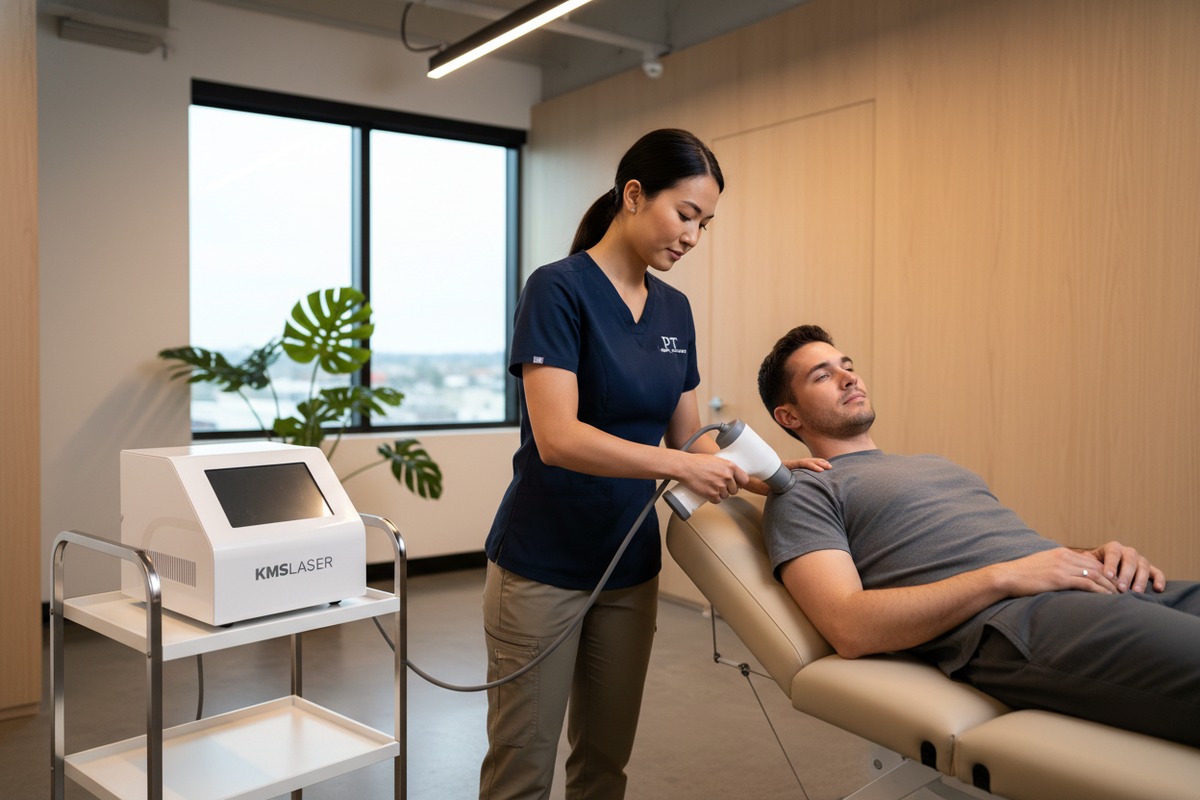
Shockwave equipment in the US typically requires operation by licensed healthcare professionals including MDs, DOs, physical therapists, chiropractors, or podiatrists, but each state's scope-of-practice laws determine exactly which license types permit shockwave administration and under what supervision requirements.
The Scope-of-Practice Framework
Every US state defines what procedures each licensed professional can legally perform. These definitions vary dramatically. A physical therapist in one state might independently administer shockwave therapy. The same PT in another state might need direct physician supervision.
Our customers often ask us which license their buyers need. We cannot answer definitively because it depends entirely on their state. What we can provide is a framework for checking.
License Types and Typical Permissions
| License Type | States Typically Allowing Independent Use | States Requiring Supervision |
|---|---|---|
| MD/DO | All 50 states | None |
| Physical Therapist | Varies by state PT board ruling | Many states require MD referral |
| Chiropractor | States where within scope | States limiting to spinal care |
| Podiatrist | Foot/ankle conditions only | Must stay within podiatric scope |
| Aesthetician | Generally prohibited | Prohibited in medical contexts |
The Extender Question
Many clinics want to use medical assistants or technicians to operate shockwave equipment. This creates legal risk. Most states require direct supervision by a licensed practitioner when non-licensed staff touches medical devices.
The APTA has issued advisories warning physical therapists about liability when supervising unlicensed personnel. Our recommendation to distributors: educate your customers about these risks before they purchase.
Telehealth and Remote Supervision Concerns
Emerging telehealth regulations complicate matters further. Some states now allow remote supervision of certain procedures. Others strictly prohibit it. If your customer plans to have a physician supervise via video while a technician operates the shockwave unit, they must verify this model complies with their state's telehealth rules.
Veterinary Licensing Differences
The equine market 5 follows completely different rules. Licensed veterinarians can operate shockwave equipment in most states, but racing commissions add layers of restriction. Arizona and Colorado ban shockwave therapy in racing contexts entirely. California requires machine registration with official veterinarians, including serial number documentation.
| State | Veterinary ESWT Rule | Racing Commission Requirement |
|---|---|---|
| California | Vet-only, registered location | Machine serial numbers filed |
| Arizona | Banned in racing | Complete prohibition |
| Colorado | Banned in racing | Complete prohibition |
| Michigan | Vet-only | 7-day post-treatment racing ban |
| Idaho | No restrictions | No racing commission oversight |
Will my brand be liable if the shockwave machines I distribute don't meet specific state-level safety certifications?
Our quality control engineers test every unit before export, but we have seen distributors face legal trouble from compliance gaps they never anticipated. One missing document can trigger liability cascades.
Yes, distributors face potential liability if their shockwave machines lack required state certifications. Liability can include product recalls, civil penalties, professional license consequences for practitioner customers, and negligence claims if patients suffer injuries from non-compliant devices.

Understanding Distributor Liability Chains
When you import and resell medical devices, you enter the regulatory chain of custody. The FDA holds manufacturers responsible for device design and manufacturing quality. But distributors carry responsibility for ensuring products they sell meet all applicable regulations in their sales territory.
If you sell a shockwave device in a state requiring specific certifications and you lack those certifications, you may face enforcement action. Your manufacturer in China bears partial responsibility, but you bear local liability.
Types of State-Level Requirements
State requirements fall into several categories. Some states require device registration with health departments. Others mandate facility inspections before medical equipment can be installed. A few require ongoing calibration documentation submitted to regulatory agencies.
Risk Mitigation Strategies
Our recommendation to all US distributors: build compliance verification into your purchasing process. Before ordering inventory, confirm the following for each target state:
First, verify FDA clearance covers the indications your customers plan to use. Second, check if the state requires device registration and complete that registration before selling. Third, confirm your customers hold appropriate licenses. Fourth, document everything.
Insurance Implications
Professional liability insurers increasingly ask about medical device compliance. If you sell a non-compliant device and a patient sues your customer, that customer's insurance company may seek subrogation against you. Our compliance documentation package helps distributors demonstrate due diligence.
The Gray Market Problem
Some distributors purchase shockwave devices through unauthorized channels to save money. These gray market devices may lack proper documentation. Without traceable FDA clearance paperwork, you cannot prove compliance. We provide full documentation chains for every unit we manufacture.
How can I verify that my OEM shockwave therapy devices are legal for sale across all 50 US states?
When we develop OEM products for American brands, verification becomes a collaborative process. Neither party can assume the other handled compliance. Both must verify independently.
Verifying 50-state legality requires systematic review: confirm FDA 510(k) clearance for all intended indications, obtain state-by-state medical board rulings on device classification, check racing commission rules for veterinary applications, and maintain updated documentation as regulations change quarterly in some jurisdictions.
Building a Verification System
No single database lists all state requirements for shockwave therapy devices. You must build your own verification system. Start with federal requirements, then layer state requirements on top.
Federal Verification Checklist
Your manufacturer should provide these documents for every OEM device:
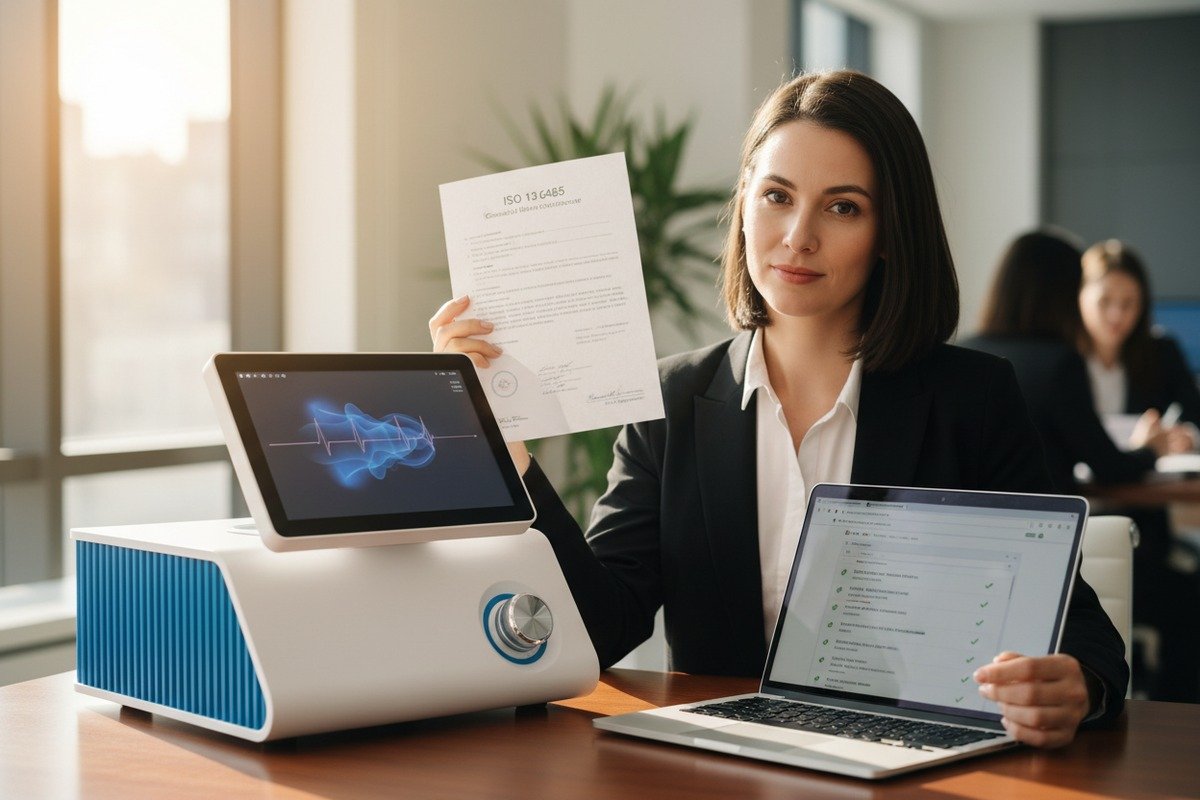
First, FDA 510(k) clearance letter showing the device's cleared indications. Second, device labeling showing prescription-only status. Third, manufacturing facility registration numbers. Fourth, quality management system documentation showing ISO 13485 compliance 6.
We include all these documents in our OEM packages without extra charge.
State-by-State Verification Process
Create a spreadsheet tracking each state. Contact the state medical board and ask about medical device requirements. Contact the state health department and ask about facility requirements. For veterinary devices, contact the state veterinary board and any applicable racing commission.
Document the date of each inquiry and the name of the person who responded. Regulations change. Annual re-verification catches updates before they become compliance problems.
The 50-State Compliance Matrix
| Verification Category | Who to Contact | Documents Needed |
|---|---|---|
| Device registration | State health department | FDA clearance, labeling |
| Operator licensing | State medical/PT/DC boards | Scope-of-practice ruling |
| Facility permits | State health department | Inspection certificates |
| Veterinary use | State vet board, racing commission | VCPR documentation |
| Insurance coverage | Local MAC, private payers | LCD references, CPT codes |
Ongoing Compliance Maintenance
Verification is not a one-time task. States update regulations regularly. California reviews medical device rules quarterly. Subscribe to state medical board newsletters. Set calendar reminders for annual re-verification.
Our customer service team tracks major regulatory changes affecting our products. When we learn of updates, we notify affected customers. This proactive approach prevents compliance surprises.
Working with Customs Brokers
Experienced medical device customs brokers 7 know FDA import procedures. They can catch documentation problems before devices clear customs. Budget for professional customs brokerage services. The cost is minimal compared to port storage fees from compliance delays.
Conclusion
Navigating US state restrictions for shockwave therapy machines demands systematic verification at federal and state levels. Partner with manufacturers who provide complete compliance documentation and build ongoing verification processes into your distribution operations.
Footnotes
1. Explains FDA classification of medical devices, including Class II and III, and associated controls. ↩︎
2. Describes potential consequences for distributing non-compliant medical devices, including product recalls. ↩︎
3. Replaced 404 link with current FDA page on 510(k) Premarket Notification. ↩︎
4. Defines the legal framework for what healthcare professionals are permitted to perform in each state. ↩︎
5. Explains how the FDA regulates medical devices specifically for animal use. ↩︎
6. Provides information on the international standard for medical device quality management systems. ↩︎
7. Explains the role of professionals assisting with import procedures for medical devices. ↩︎
 English
 Español de México
 Deutsch
 Français
 العربية
 Русский
Join the Conversation
Have a question or insight to share? We read every comment — whether you're a distributor, salon owner, or just curious about the technology. Your real-world experience helps others make better decisions. Drop your thoughts below.