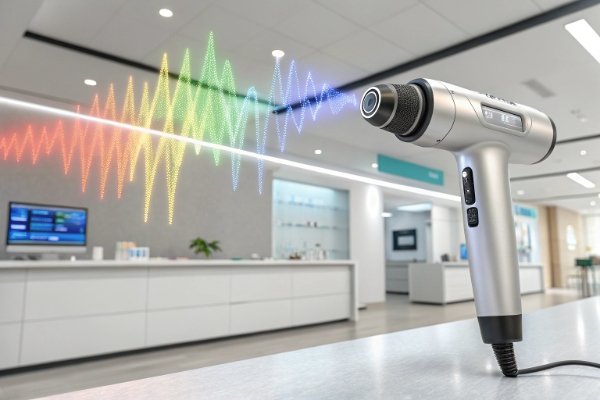
When I began developing shockwave machines, one of the most misunderstood specifications I encountered from buyers was frequency. Many assumed higher frequency automatically meant better results—but it’s far more nuanced.
The frequency range of a shockwave therapy machine usually spans from 1 Hz to 25 Hz for pulse repetition, while the acoustic frequency content within each pulse extends from roughly 150 kHz to 100 MHz. Radial devices generally support up to 21 Hz or higher, while focused machines typically operate between 1 Hz and 10 Hz. The pulse frequency affects comfort and speed, but not the true acoustic characteristics of the shockwave itself.
In our production line, we calibrate frequency output carefully because it directly influences treatment precision, machine life, and patient comfort. For further context, see this guide on typical ESWT frequency parameters 1 and the physical principles of shockwave therapy 2.
How Do Different Pulse Frequencies Influence the Effectiveness of Shockwave Treatment?
When we tested early prototypes, I noticed that changing the pulse frequency could completely alter how patients described the sensation—even at the same energy level.
Different pulse frequencies influence shockwave effectiveness by changing how energy accumulates in tissues—lower frequencies (1–5 Hz) deliver deeper, stronger effects, while higher frequencies (10–20 Hz) create gentler, more comfortable stimulation ideal for surface-level treatments.

According to the Venn Healthcare clinical discussion on ESWT frequency 3, adjusting the repetition rate allows practitioners to balance penetration and patient comfort efficiently.
Practical Frequency Classifications
| Frequency Range | Typical Device Setting | Clinical Effect |
|---|---|---|
| 1–5 Hz | Deep tissue and bone applications | Stronger, deeper penetration |
| 6–12 Hz | Standard tendon therapy | Balanced depth and comfort |
| 13–21 Hz | Superficial muscle therapy | Smoother, faster treatments |
Why It Matters Clinically
From our testing, a 5 Hz setting often produces more mechanical impact per pulse, suitable for chronic tendon injuries. Meanwhile, 15 Hz provides faster coverage, reducing session time and improving comfort.
Practitioners appreciate having this flexibility—it allows them to adapt protocols depending on pain tolerance, indication, and patient feedback. We build our control systems to maintain stable output even at high repetition rates, ensuring consistent performance without overheating.
How Does Frequency Relate to Depth of Penetration and Treatment Area Size?
During clinical collaborations, therapists often asked whether frequency changes treatment depth. The short answer is: it depends on the shockwave type.
In radial devices, lower frequencies penetrate deeper because each pulse has more time to dissipate energy, while higher frequencies produce more surface-level stimulation. In focused systems, penetration depth is primarily set by the applicator geometry, not the frequency.
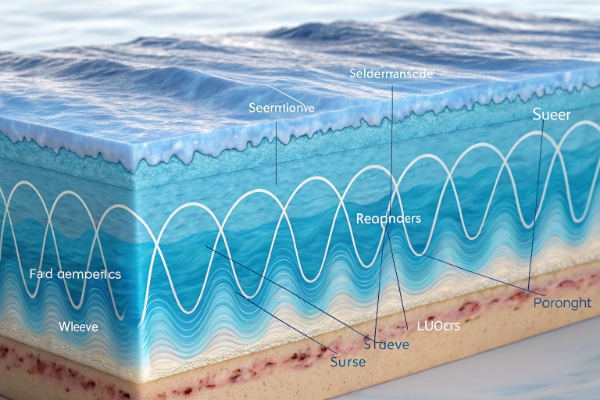
This concept is supported by research on focused ESWT focal zone behavior 4, which shows that geometry largely controls depth, while pulse frequency shapes the energy distribution pattern.
Relationship Overview
| Shockwave Type | Frequency Range | Depth Control Mechanism | Treatment Zone |
|---|---|---|---|
| Radial ESWT | 1–21 Hz | Frequency-dependent energy decay | Broad surface |
| Focused ESWT | 1–10 Hz | Lens geometry and focal zone | Precise, deep |
Practical Example
When therapists treat plantar fasciitis using shockwave therapy 5, they might start at 6 Hz for broad pain coverage and then reduce to 3 Hz for deeper stimulation. This balance between pulse rate and tissue interaction helps achieve consistent biological response.
As a manufacturer, we optimize the cooling system and air pressure control to handle these varying loads, ensuring that energy stability remains constant across all frequencies—something that’s often overlooked in cheaper models.
What Frequency Limitations Should Buyers Check in a Shockwave Device Specification?
Over the years, I’ve seen many devices advertised with impressive “frequency” numbers, but the real output didn’t match the claims.
Buyers should check whether the listed frequency range is both achievable and stable under continuous operation—look for specifications that indicate the pulse repetition frequency (1–25 Hz), not just internal acoustic frequency, and confirm that performance doesn’t drop at high settings.
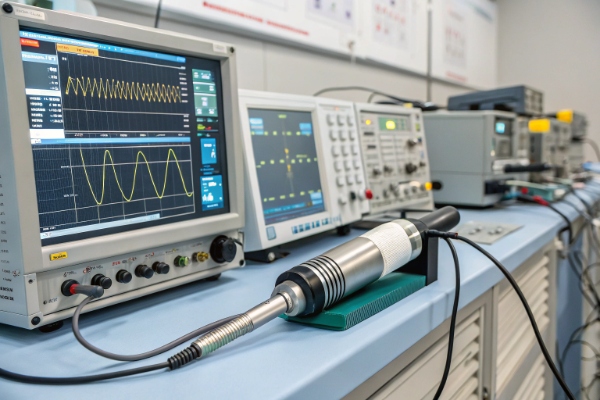
To verify reliability, request a live demo or calibration report from certified suppliers following ISO 13485 medical device quality standards 6. This ensures consistent frequency stability even at high operating loads.
How Does Frequency Adjustment Impact Treatment Outcomes and Machine Wear?
When I observe therapists using our machines, frequency adjustment is one of the most frequently used controls. But I also see how misuse can shorten device life.
Frequency adjustment influences both the therapeutic effect and the mechanical durability of the machine—higher repetition rates accelerate treatments but generate more mechanical stress and heat, while lower frequencies extend machine longevity and deliver stronger single pulses.

Studies on preventive maintenance in ESWT systems 7 highlight that excessive operation at maximum repetition rates can accelerate wear if cooling and lubrication are insufficient.
Balancing Therapy and Hardware Performance
| Frequency Setting | Treatment Effect | Impact on Machine |
|---|---|---|
| Low (1–5 Hz) | Deeper energy per pulse | Less wear, slower speed |
| Medium (6–12 Hz) | Balanced energy and comfort | Moderate wear |
| High (13–21 Hz) | Fast, superficial coverage | Increased wear, more heat |
From a design standpoint, our motor-driven handpieces are built to handle up to 2 million pulses before requiring service. However, prolonged high-frequency operation can reduce this lifespan. For long-term reliability, consult the International Society for Medical Shockwave Treatment 8 for best practices.
Conclusion
Frequency defines not just how fast treatments feel, but how effectively energy interacts with tissue. A stable, adjustable frequency range ensures precise therapy, consistent results, and long machine life—all hallmarks of a well-engineered shockwave system.
For further insight, review peer-reviewed reviews on ESWT mechanisms 9 and comparative analyses of radial versus focused ESWT technologies 10 to better understand clinical outcomes.
Footnotes
1. Overview of typical pulse frequency settings for shockwave machines. ↩︎
2. Explanation of acoustic frequency content in ESWT pulses. ↩︎
3. Discusses clinical impact of changing pulse repetition frequency. ↩︎
4. Describes focal geometry’s role in determining penetration depth. ↩︎
5. Clinical study on ESWT application for plantar fasciitis. ↩︎
6. ISO 13485 outlines quality requirements for medical device manufacturers. ↩︎
7. Research on maintenance and mechanical wear in shockwave devices. ↩︎
8. Organization offering global ESWT safety and standardization guidelines. ↩︎
9. Review summarizing biological mechanisms of shockwave therapy. ↩︎
10. Comparative analysis of radial vs. focused ESWT device outcomes. ↩︎

 English
  Español de México
  Deutsch
  Français
  العربية
  Русский