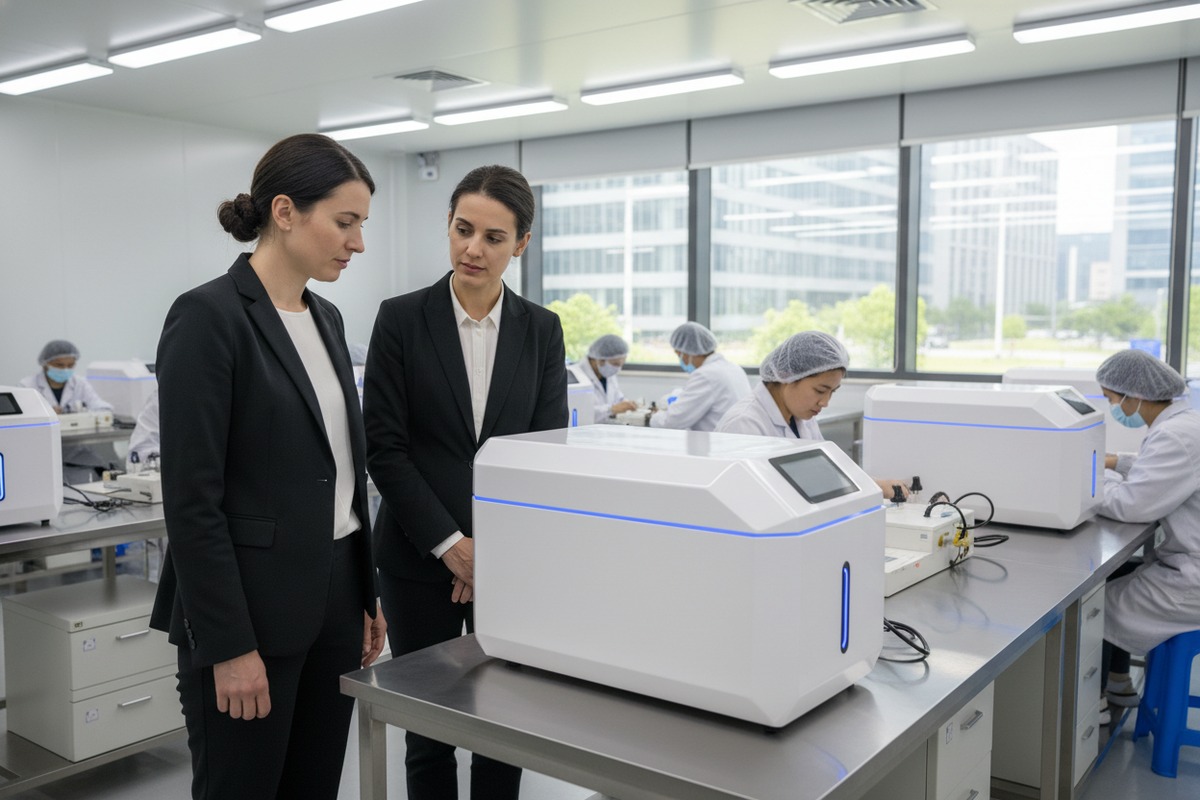
Every week, our production floor ships shockwave therapy machines to US clinics ISO 13485 1. Yet we constantly hear horror stories from buyers who chose the wrong supplier. Broken handpieces after three months. FDA clearance delays. Zero technical support when things go wrong. These nightmares cost US physical therapy businesses thousands in lost revenue and frustrated patients.
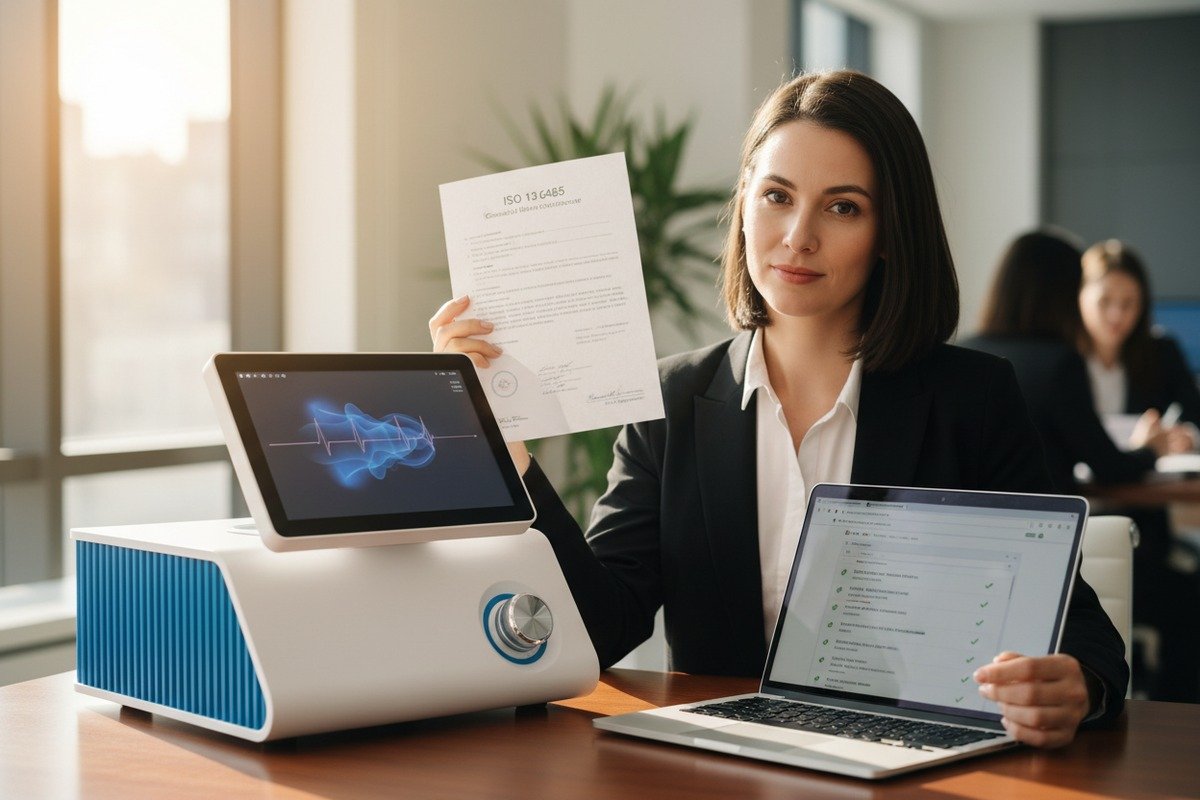
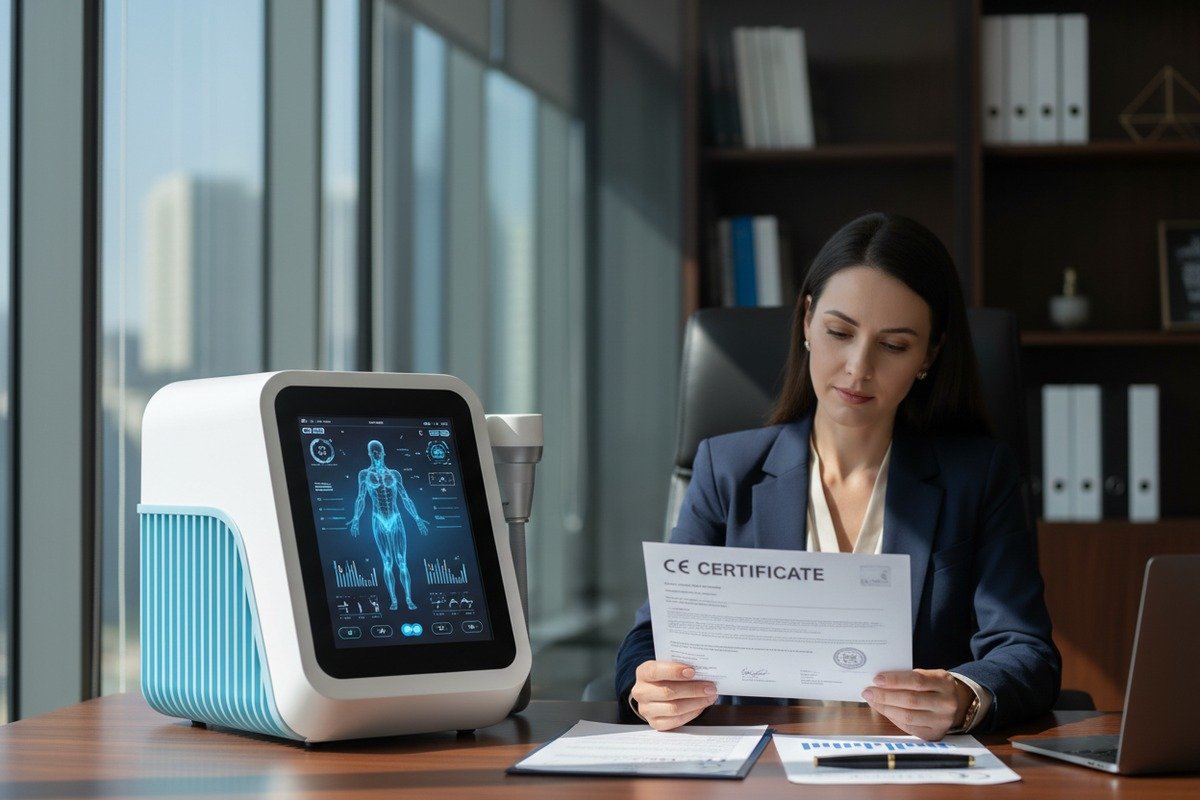
To properly vet China shockwave therapy machine suppliers, verify ISO 13485 and FDA 510(k) certifications first. Then assess manufacturing capabilities through factory audits, test product samples for energy output consistency, evaluate after-sales support infrastructure, and confirm logistics reliability with documented shipping records to US destinations.
The stakes are high. Your US physical therapy clients need reliable equipment for treating chronic pain conditions 2 like plantar fasciitis and tendonitis FDA 510(k) certifications 3. Let me walk you through exactly how to separate trustworthy manufacturers from risky traders.
How do I verify that a China shockwave machine meets the durability standards required for my US physical therapy clients?
Our engineers spend countless hours testing handpiece durability because we know this component fails most often lateral epicondylitis 4. US clinics run 30-50 treatments daily. A machine built for occasional home use will break down fast under that load. The gap between clinic-grade and consumer-grade equipment is massive myofascial trigger points 5.
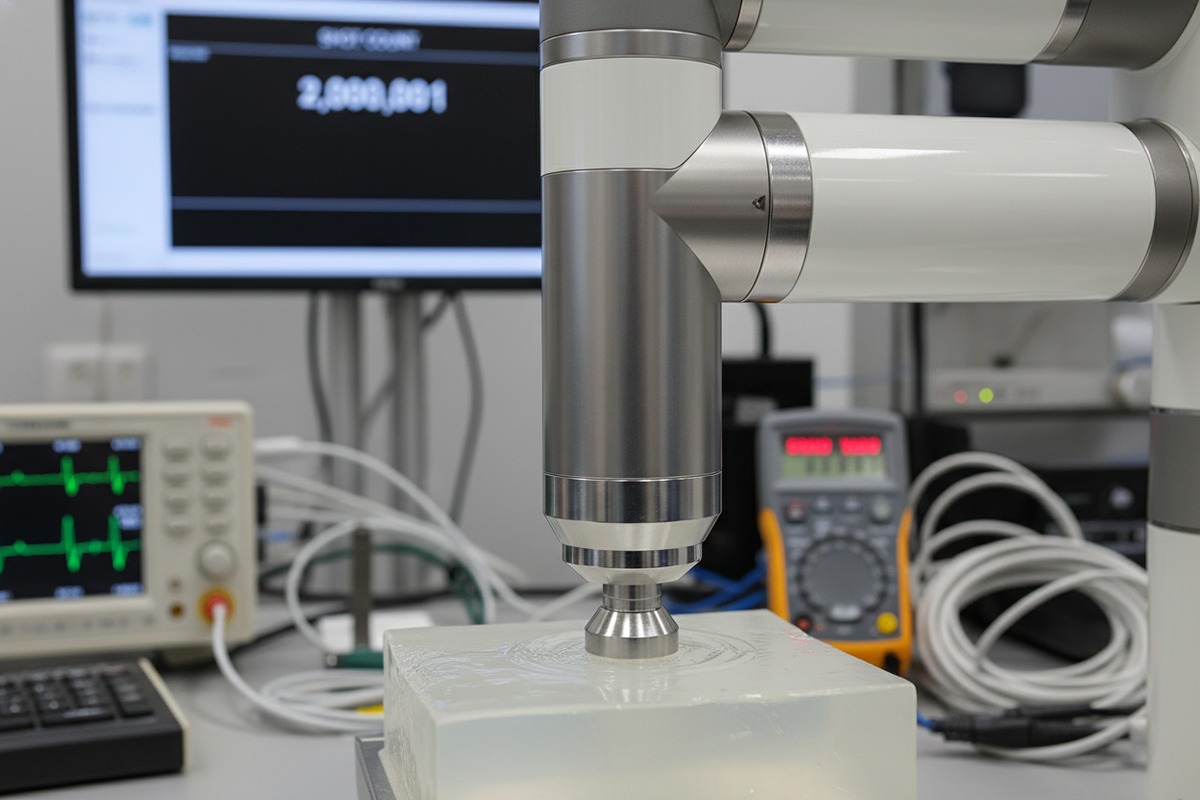
Verify durability by requesting documented shot-count ratings (minimum 2 million shots for clinical use), testing sample units under simulated heavy usage, checking handpiece construction materials, and confirming the supplier offers at least a 2-year warranty with accessible replacement parts for US customers.
Understanding Shot-Count Ratings
Shot count determines handpiece lifespan. A busy US physical therapy clinic delivering 3,000 shocks per session, 40 sessions daily, uses 120,000 shots per day medical device imports 6. That's 3.6 million shots annually. Cheap machines rated for 500,000 shots will fail within two months.
When we design handpieces at our facility, we target minimum 5 million shot ratings. This gives clinics at least 12-18 months of heavy use before replacement. Ask any supplier for documented shot-count testing reports. If they cannot provide this data, walk away.
Material Quality Checklist
The internal components matter more than the exterior finish. Here is what to examine:
| Component | Clinic-Grade Standard | Red Flags |
|---|---|---|
| Transmitter | Hardened steel or ceramic | Plastic or soft alloy |
| Bearings | Sealed precision bearings | Generic open bearings |
| Cable connections | Military-grade connectors | Standard consumer plugs |
| Housing | Medical-grade ABS or aluminum | Thin recycled plastic |
| Cooling system | Active fan or liquid cooling | Passive heat sinks only |
Warranty Terms That Protect You
A 2-year warranty means nothing without accessible service. Our support team maintains US-based spare parts inventory because we learned that 6-week shipping delays kill clinic operations. When vetting suppliers, ask these questions:
- Where are replacement handpieces stored?
- What is the typical turnaround time for US warranty claims?
- Do you cover shipping costs for warranty replacements?
- Is there a dedicated English-speaking support contact?
Some traders offer cheap 1-year warranties but have no infrastructure to honor them. Their "support" means shipping a replacement from Shenzhen in 8 weeks. Your clinic cannot wait that long.
Testing Protocol Before Bulk Orders
Never commit to large orders without testing. Request two sample units minimum. Run them through simulated clinical conditions for at least 30 days. Document any issues. Our quality control team recommends this testing schedule:
| Week | Test Focus | Pass Criteria |
|---|---|---|
| 1 | Initial calibration accuracy | Energy output within ±5% |
| 2 | Continuous operation | 8 hours daily without overheating |
| 3 | Handpiece stress test | 50,000 shots without degradation |
| 4 | User interface reliability | No software crashes or freezes |
What should I look for in a supplier's OEM capabilities to ensure my private label machines stand out in the US market?
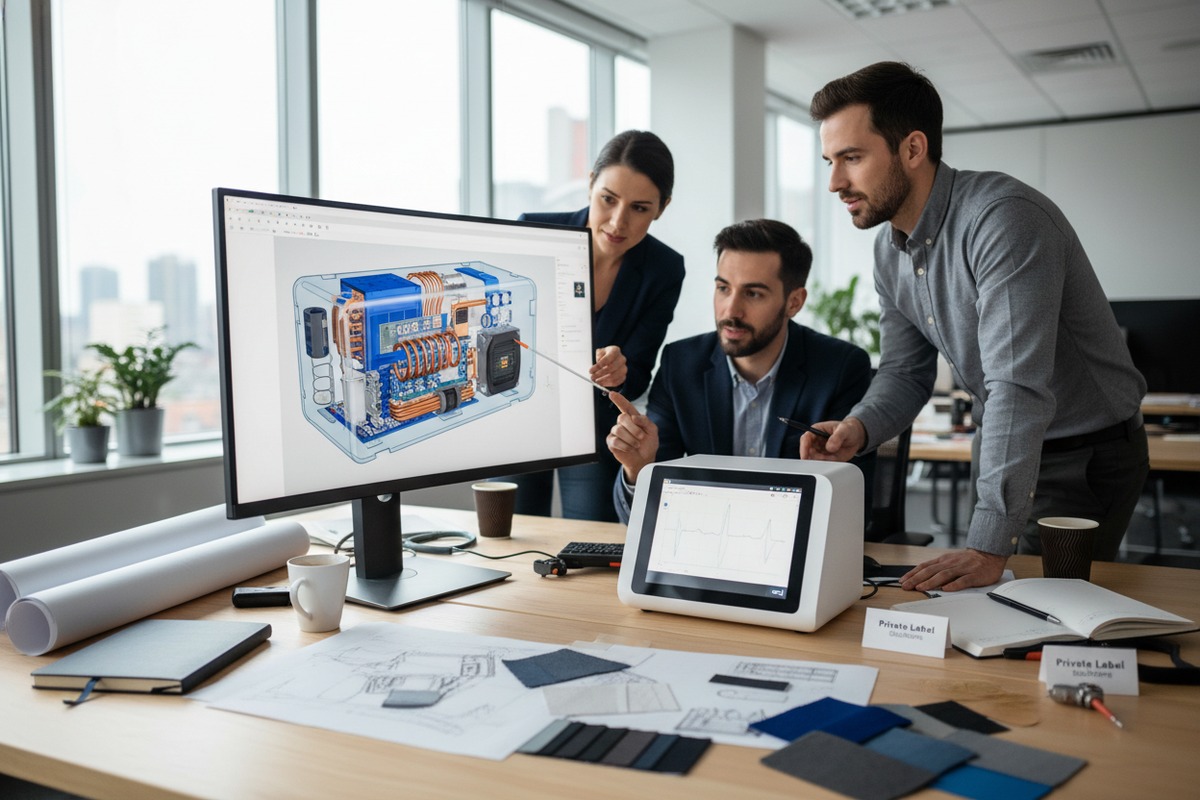
When we collaborate with US brand owners on private label projects, the conversation always starts with differentiation. Your competitors can source generic machines from the same traders. What makes your brand special? Real OEM capability means the supplier can modify core features, not just print your logo on standard equipment.
Look for suppliers with dedicated R&D teams (minimum 10 engineers), documented ODM project history, software customization capabilities, and willingness to sign exclusive territory agreements. True OEM partners offer protocol customization, UI localization, and unique aesthetic modifications beyond basic logo placement.
Separating Real Manufacturers from Traders
This distinction matters enormously. Traders buy stock from various factories and resell. They cannot modify anything. Manufacturers control production and can customize. Here is how to identify each:
| Indicator | Manufacturer | Trader |
|---|---|---|
| Factory video tour | Provides live tour showing production lines | Shows generic facility or refuses |
| Engineering staff | Named engineers with contact info | Vague references to "technical team" |
| MOQ flexibility | Negotiable based on customization | Fixed high MOQ for any changes |
| Lead time for modifications | 30-60 days with specific milestones | "We'll check and get back to you" |
| Sample modification | Can produce custom samples | Only offers stock samples |
Software Customization Depth
US physical therapy clinics need specific treatment protocols. Our software team programs preset protocols for common conditions: Achilles tendonitis 7, lateral epicondylitis, plantar fasciitis 8, and myofascial trigger points. Ask potential suppliers about these capabilities:
- Can treatment protocols be customized to your clinical preferences?
- Is the user interface available in English with US-specific medical terminology?
- Can the software integrate patient data export for EMR compatibility?
- Are firmware updates available remotely or only through hardware service?
Generic Chinese interfaces translated poorly to English frustrate US clinicians. We invest heavily in native English UI development because we understand this pain point. Your private label machine should feel like it was designed in the US.
Aesthetic Differentiation Options
Beyond functionality, your brand needs visual identity. Discuss these customization options:
- Housing color options (beyond standard white)
- Custom control panel layouts
- Branded boot screens and interface themes
- Unique handpiece designs
- Custom packaging with your brand story
Protecting Your Territory
If you invest in custom development, protect that investment. Negotiate exclusive territory agreements for the US market. Reputable manufacturers respect these boundaries. Our standard OEM contracts include non-compete clauses preventing us from selling identical customized products to your US competitors.
How can I confirm a supplier's quality control and logistics will prevent the shipping delays that hurt my inventory?
Our shipping department tracks every container heading to US ports. We learned the hard way that production delays cascade into inventory nightmares for our clients. One missed shipment during peak season costs your business more than just the delayed order value. You lose customer trust and market share.
Confirm quality control and logistics reliability by requesting third-party inspection reports, verifying the supplier's freight forwarder relationships, checking their track record with US customs clearance, and establishing clear production milestones with penalty clauses for delays in your purchase agreement.
Pre-Shipment Inspection Standards
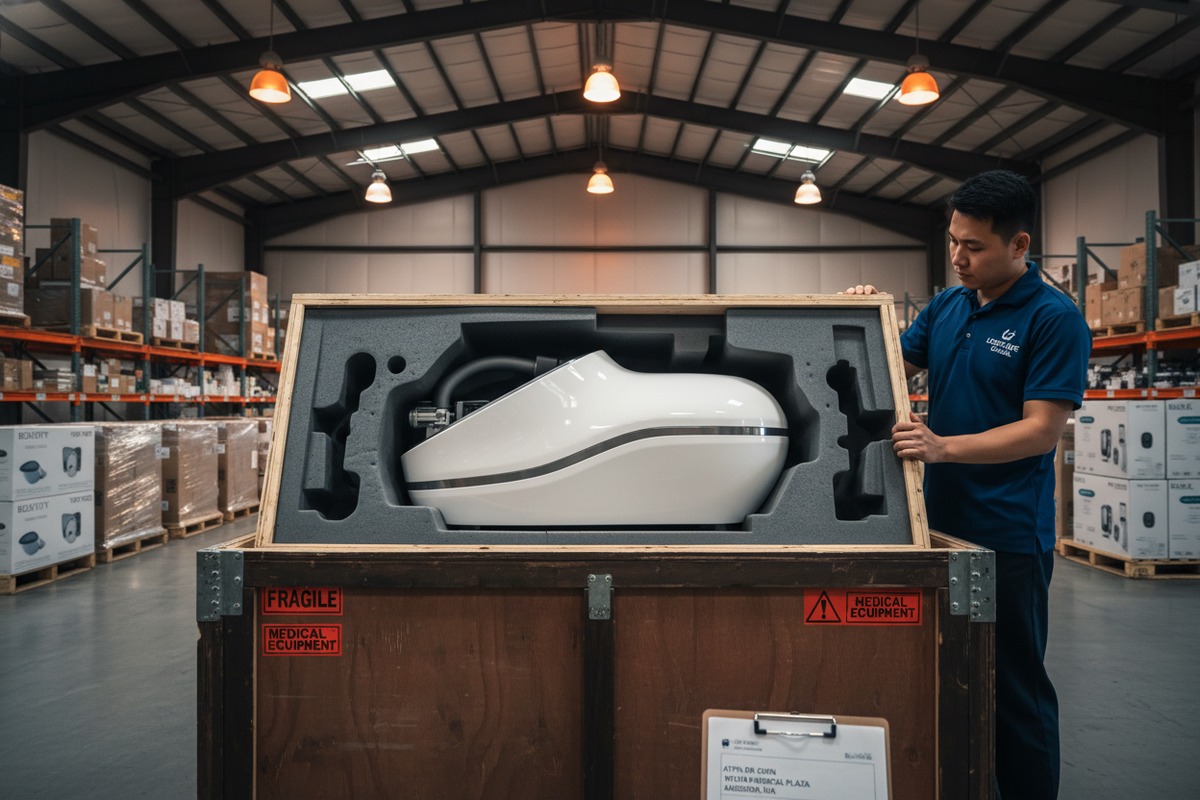
Never ship without inspection. Our QC team conducts 100% functional testing before any container seals. But you should also arrange independent verification. Here is what inspectors should check:
| Inspection Point | Acceptance Criteria | Rejection Trigger |
|---|---|---|
| Energy output accuracy | Within ±5% of specifications | Greater than ±10% deviation |
| Handpiece function | All frequencies operational | Any frequency failure |
| Display/touchscreen | No dead pixels, responsive | Visible defects or lag |
| Cosmetic condition | No scratches, proper labeling | Visible damage or mislabeling |
| Packaging integrity | Double-boxed, foam protection | Single layer or inadequate padding |
| Documentation | Manuals, certificates included | Missing paperwork |
Understanding China-US Shipping Timelines
Realistic timeline planning prevents inventory gaps. From our Guangzhou facility to Los Angeles port, expect these durations:
- Production time: 15-30 days depending on order size
- Quality inspection: 2-3 days
- Inland transport to port: 2-3 days
- Sea freight to US West Coast: 14-18 days
- US customs clearance: 3-7 days (longer if FDA inspection triggered)
- Last-mile delivery: 3-5 days
Total realistic timeline: 40-65 days from order confirmation to delivery. Any supplier promising faster delivery for medical devices is likely cutting corners on production or quality control.
FDA Import Documentation Requirements
US Customs and Border Protection 9 scrutinizes medical device imports. Incomplete documentation causes delays and potential seizure. Ensure your supplier provides:
- FDA establishment registration number
- Device listing number
- 510(k) clearance documentation (if applicable)
- Manufacturer declaration of conformity
- Detailed commercial invoice with HS codes
- Packing list with serial numbers
Our export documentation team prepares complete packages because we have seen containers held for weeks over missing paperwork. Ask your supplier who handles documentation and verify their experience with FDA import requirements.
Building Buffer Stock Strategy
Even with reliable suppliers, build safety stock. We recommend US distributors maintain 30-45 days of inventory buffer. Calculate your reorder point using this formula:
Reorder Point = (Average Daily Sales × Lead Time) + Safety Stock
For a clinic selling 5 units monthly with 60-day lead time, maintain at least 15 units in US inventory to prevent stockouts.
How do I evaluate if a supplier's engineering team has the professional knowledge to support my technical product requirements?
When our engineering team receives technical questions from US distributors, response quality reveals everything about a company's capabilities. Knowledgeable engineers explain why certain specifications matter for clinical outcomes. Uninformed sales staff just read specification sheets without understanding the underlying technology.
Evaluate engineering expertise by requesting direct communication with technical staff, asking detailed questions about shockwave physics and clinical applications, verifying the team's credentials and industry experience, and assessing their ability to troubleshoot complex technical issues in real-time during video consultations.

Technical Questions That Reveal Expertise
Prepare specific questions that salespeople cannot answer from brochures. Genuine engineers will explain the reasoning behind specifications. Here are questions that separate experts from pretenders:
- Why does your machine use electromagnetic versus pneumatic generation?
- How does frequency selection affect tissue penetration depth?
- What clinical protocols do you recommend for calcific tendonitis versus myofascial pain?
- How does your energy delivery compare to peer-reviewed clinical studies?
- What cooling mechanisms prevent handpiece overheating during extended treatments?
Knowledgeable responses include specific numbers, clinical references, and honest discussion of limitations. Vague answers like "our machine is very powerful" indicate lack of technical depth.
Verifying Engineering Team Credentials
Our R&D department employs biomedical engineers with advanced degrees and clinical experience. When evaluating suppliers, ask for:
| Credential Type | What to Request | Why It Matters |
|---|---|---|
| Education | Engineering degrees verification | Confirms technical foundation |
| Industry experience | Years working on shockwave technology | Indicates specialized expertise |
| Published research | Papers or patents | Shows innovation capability |
| Clinical partnerships | Hospital collaboration references | Demonstrates real-world application |
| Training certifications | Continuing education records | Shows commitment to advancement |
Remote Technical Support Capabilities
US clinics need support during US business hours. Your supplier's engineering team should offer:
- Video call consultations in English
- Screen sharing for software troubleshooting
- Written technical documentation in clear English
- Remote firmware update capabilities
- Response time commitments (we guarantee 24-hour response)
Test support responsiveness before committing to large orders. Send technical questions and measure response time and quality. Our support philosophy emphasizes solving problems on first contact rather than escalating through layers of unhelpful staff.
Understanding Shockwave Technology Differences
Informed buyers understand the technology they are purchasing. Here is a comparison of main shockwave generation methods:
| Technology | Energy Pattern | Best Applications | Typical Price Range |
|---|---|---|---|
| Radial (Pneumatic) | Divergent waves, shallow penetration | Trigger points, superficial tissue | $3,000-$8,000 |
| Focused (Electromagnetic) | Convergent waves, deep penetration | Bone pathology, deep tissue | $15,000-$40,000 |
| Combined | Both capabilities in one unit | Versatile clinical use | $20,000-$50,000 |
A supplier's engineering team should explain which technology suits your clinical applications without defaulting to upselling the most expensive option.
Ongoing Technical Partnership
The relationship should not end after sale. We provide ongoing technical updates, protocol refinements based on clinical feedback, and proactive communication about industry developments. Ask potential suppliers:
- How do you communicate product updates to existing customers?
- Do you offer continuing education on new treatment protocols?
- Can your engineers customize protocols based on my clinical feedback?
- What is your product development roadmap for the next 2-3 years?
Suppliers invested in long-term partnerships will share their vision and involve you in product evolution.
Conclusion
Vetting China shockwave therapy machine suppliers requires systematic evaluation of certifications, durability standards, OEM capabilities, quality control processes, and engineering expertise. Your US physical therapy clients depend on reliable equipment. Take time to verify before committing.
Footnotes
1. Replaced HTTP 404 with BSI’s official ISO 13485 certification page. ↩︎
2. Provides a definition and overview of chronic pain conditions. ↩︎
3. Official FDA page detailing 510(k) premarket notification and clearance process. ↩︎
4. Mayo Clinic explains lateral epicondylitis (tennis elbow) and its causes. ↩︎
5. NIH provides a definition and overview of myofascial trigger points. ↩︎
6. Official FDA guidance on importing medical devices into the U.S. ↩︎
7. Mayo Clinic offers detailed information on Achilles tendinitis symptoms and causes. ↩︎
8. Mayo Clinic provides comprehensive information on plantar fasciitis symptoms and causes. ↩︎
9. Official website for U.S. Customs and Border Protection. ↩︎
 English
 Español de México
 Deutsch
 Français
 العربية
 Русский
Join the Conversation
Have a question or insight to share? We read every comment — whether you're a distributor, salon owner, or just curious about the technology. Your real-world experience helps others make better decisions. Drop your thoughts below.