
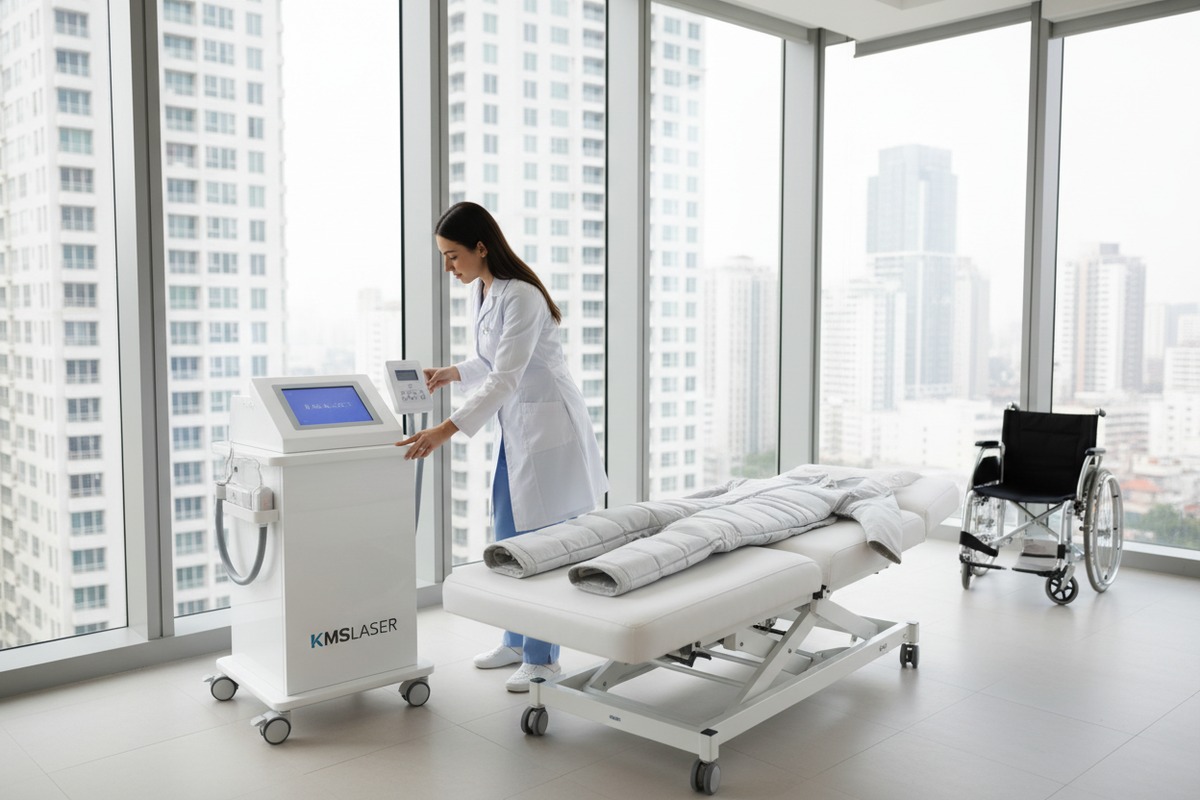
When our engineering team first received inquiries about ADA compliance 1 for pressotherapy machines, many buyers were confused. They knew FDA clearance 2 mattered, but accessibility standards remained a mystery. This gap creates real risk—clinics investing thousands in equipment that cannot serve patients with disabilities.
To evaluate supplier ADA compliance for pressotherapy machines, verify the equipment meets U.S. Access Board MDE Standards, including adjustable transfer heights between 17-25 inches, wheelchair-compatible bases, and patient lift compatibility. Request documentation proving accessibility features, cross-check FDA clearance, and audit the manufacturer’s quality control processes for ongoing compliance.
The 2026 compliance deadline is fast approaching U.S. Access Board MDE Standards 3. Below, we break down exactly how to verify your supplier’s accessibility claims, identify critical design features, audit quality control, and customize machines during the OEM process.
How can I verify that my Chinese supplier's pressotherapy machines truly meet US ADA standards?
When we export pressotherapy equipment to American clinics, we constantly face questions about accessibility. Many suppliers claim compliance but cannot provide proof. This puts your business at legal risk and excludes patients who need your services most.
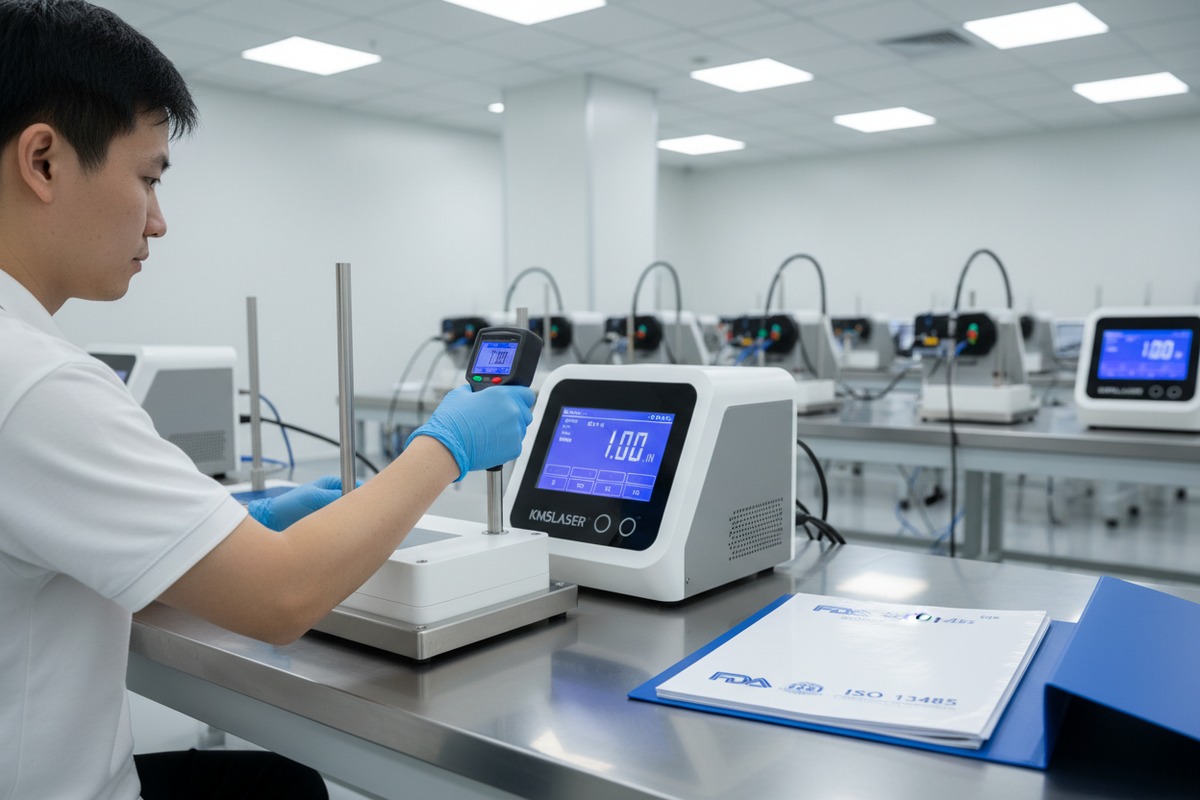
To verify your Chinese supplier meets US ADA standards, request documentation of MDE Standards compliance, confirm FDA clearance status, inspect prototype measurements for transfer height adjustability (17-25 inches), check for wheelchair compatibility, and validate that the manufacturer holds ISO 13485 certification for quality management systems.
Understanding the ADA/MDE Framework
The Americans with Disabilities Act 4 (ADA) sets accessibility requirements for medical facilities and equipment. In 2017, the U.S. Access Board issued technical standards on the accessibility of MDE in physicians' offices, clinics, emergency rooms, hospitals, and other medical settings. This rule adopts the MDE Standards and makes them enforceable under the ADA by incorporating them into the Department's ADA Title II regulation.
For pressotherapy machines used in clinical settings, these standards matter. People with disabilities continue to face barriers to getting medical care because of inaccessible MDE. Barriers can include exam tables with heights that cannot be adjusted, mammography machines that require a person to stand, or weight scales that do not accommodate wheelchairs. These barriers result in inequities and exclusion from basic health services.
Key Verification Steps
| Verification Step | What to Request | Why It Matters |
|---|---|---|
| MDE Standards Proof | Technical specifications showing transfer surface heights | Confirms adjustability range meets 17-25 inch requirement |
| FDA Status | 510(k) clearance documentation | Verifies safety compliance for US market |
| ISO 13485 Certificate | Quality management system certification | All IPC devices should meet industry safety and performance standards, holding certifications from the FDA, NRTL, CE, and Health Canada. Manufacturing facilities should achieve ISO13485 and MDSAP certifications. |
| Prototype Inspection | Physical measurements during factory audit | Validates claimed specifications |
Distinguishing Safety Certifications from Accessibility Compliance
Many buyers confuse FDA clearance with ADA compliance. They are separate requirements. Most Class II devices 5 have to demonstrate that they will perform as expected and will go through a PMN (510k) clearance. Class III devices pose significantly greater risks and typically require pre-market approval (PMA).
FDA clearance confirms your pressotherapy machine is safe. ADA compliance confirms it is accessible. Your supplier must demonstrate both.
Red Flags When Evaluating Suppliers
Watch for these warning signs:
- No documentation beyond CE marking
- Inability to provide transfer height specifications
- No ISO 13485 certification 6
- Refusal to allow factory inspections
- Claims that "ADA doesn't apply to pressotherapy"
What specific design features should I look for to ensure my imported pressotherapy equipment is ADA-compliant?
Our production line has evolved significantly since the 2024 MDE Standards updates. We now integrate accessibility features from the initial design phase. But many buyers still don't know what to look for when evaluating equipment samples.
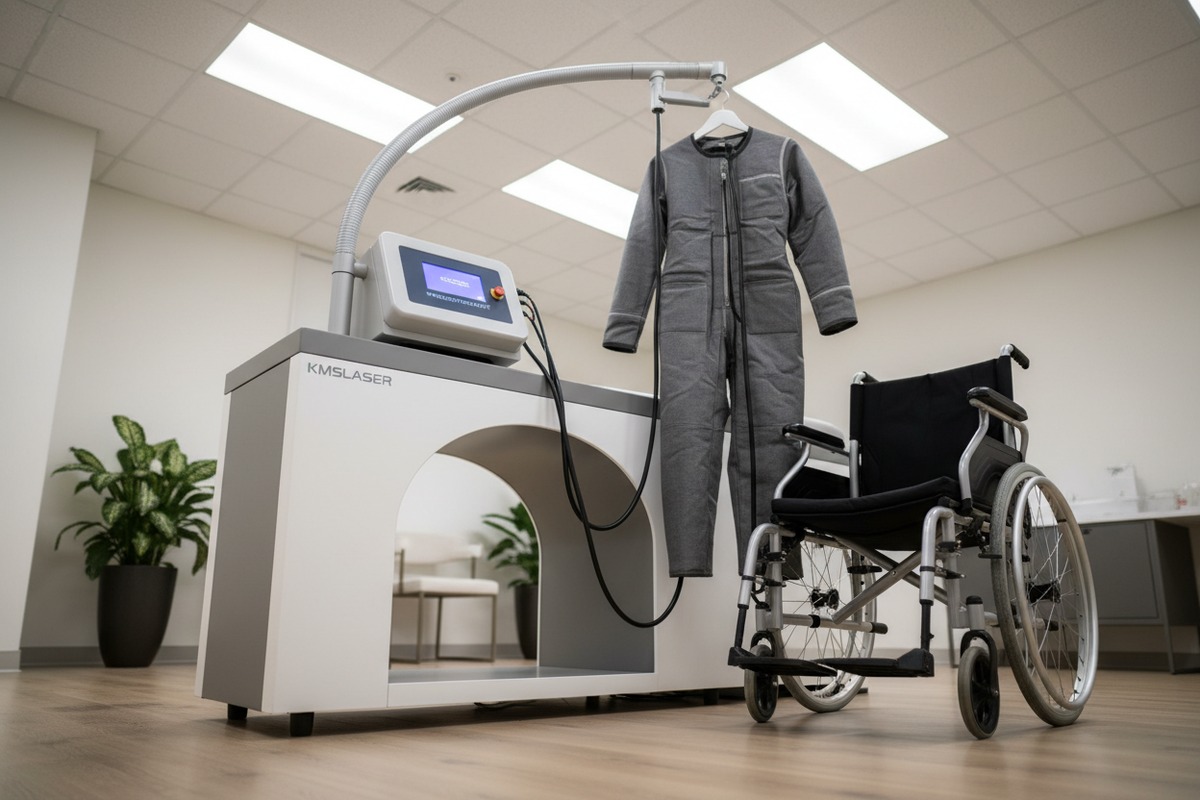
Key ADA-compliant design features for pressotherapy machines include adjustable transfer surface heights (low position of 17 inches, high position of 25 inches), wheelchair-compatible base clearances, patient lift integration capability, clear transfer spaces on multiple sides, and accessible control panels following WCAG guidelines for users with visual or cognitive impairments.
Transfer Surface Height Requirements
The U.S. Access Board issued a final rule specifying a low transfer height of 17 inches for medical diagnostic equipment (MDE) used in the supine, prone, side-lying, and the seated position.
The MDE Accessibility Standards 7 require an adjustable transfer surface height with a high height of 25 inches, a low height range of 17-19 inches, and four intermediate heights within the high-low range.
For pressotherapy machines, this means the treatment surface or chair must adjust within this range.
Critical Design Specifications Table
| Design Feature | MDE Standard Requirement | Application to Pressotherapy |
|---|---|---|
| Low Transfer Height | 17 inches (430 mm) | Treatment chair/bed lowest position |
| High Transfer Height | 25 inches (635 mm) | Treatment chair/bed highest position |
| Transfer Surface Width | 21 inches (610 mm) wide minimum | Width of seating/lying surface |
| Transfer Surface Depth | 17 inches (430 mm) deep minimum | Depth of transfer area |
| Intermediate Positions | At least 4 additional positions between high and low | Height adjustment increments |
Base Clearance for Wheelchair Access
The base of diagnostic equipment shall provide a clearance 6 inches high minimum measured from the floor and 36 inches deep minimum measured from the edge of the examination surface. The width of the base permitted within this clearance shall be 26 inches wide maximum at the edge of the examination surface.
This clearance allows patients to use portable floor lifts alongside the equipment.
Control Panel Accessibility
Beyond physical accessibility, digital interfaces 8 matter. Control panels should feature:
- Large, high-contrast buttons
- Audio feedback options
- Simple navigation menus
- Screen reader compatibility where applicable
- Controls reachable from seated position
Patient Lift Compatibility
Facilities should be equipped with mechanical or electronic patient lifts and other transfer aids to assist in the safe movement of patients from wheelchairs to examination tables or other medical equipment.
Your pressotherapy machine must work with standard patient lift systems. This requires adequate clearance under and around the treatment surface.
How do I audit a manufacturer's quality control process to guarantee long-term accessibility compliance?
In our experience working with US distributors, we've learned that one-time compliance verification isn't enough. Equipment designs change. Production processes shift. Without ongoing quality control, accessibility features can degrade or disappear entirely in later batches.
To audit a manufacturer's quality control for long-term ADA compliance, examine their ISO 13485 quality management system, review incoming material inspections, verify production line calibration records, inspect final product testing protocols, request certificates of analysis for each shipment, and establish periodic third-party audits with documented accessibility checkpoints.
ISO 13485 as the Foundation
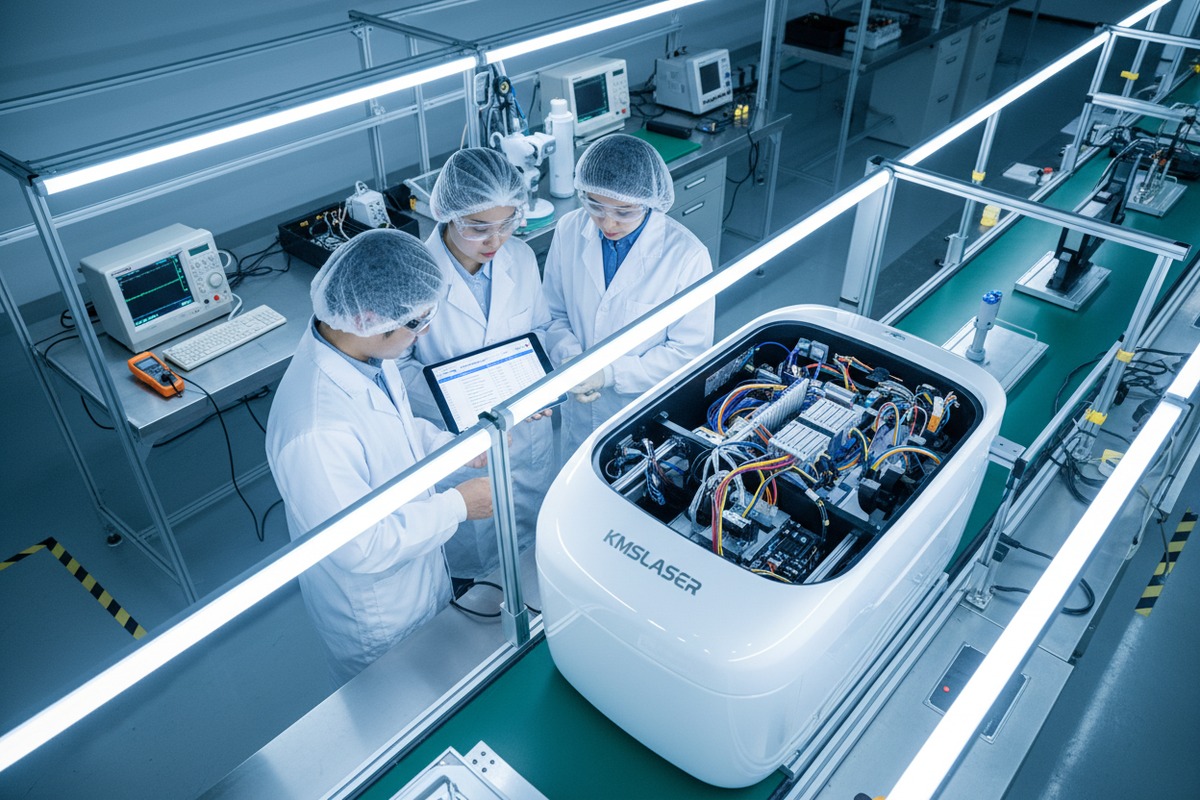
ISO 13485 certification demonstrates a manufacturer has established quality management systems 9 for medical devices. Implementing ISO 13485 and robust post-market surveillance processes is essential for quality management.
However, ISO 13485 focuses on general quality—not specifically on accessibility. You need to verify that ADA compliance checkpoints are built into their QMS.
Manufacturing Quality Control Audit Checklist
| QC Stage | What to Verify | Documentation Required |
|---|---|---|
| Design Control | ADA specifications in design inputs | Design requirement documents |
| Incoming Inspection | Material specifications for adjustable components | Supplier certificates |
| In-Process Inspection | Height adjustment mechanism calibration | Calibration records |
| Final Inspection | Full accessibility feature verification | Test reports with measurements |
| Pre-Shipment | Random sampling with accessibility checks | Inspection certificates |
Critical Calibration Points
For pressotherapy machines with height-adjustable treatment surfaces, calibration is essential. The manufacturer should demonstrate:
- Measurement tools traceable to national standards
- Regular calibration schedules (typically annual)
- Documentation of height accuracy at all adjustment positions
- Load testing to ensure heights remain accurate under patient weight
Supplier Documentation Package
Request these documents for every order:
- Certificate of Analysis (CoA): Shows test results for that specific batch
- Inspection Report: Details measurements of accessibility features
- Calibration Certificates: Proves measurement equipment accuracy
- Non-Conformance Reports: Shows how defects are handled
Third-Party Audit Considerations
Ensuring ADA compliance extends far beyond simply acquiring accessible medical equipment—it involves giving your staff the knowledge and skills to use the equipment effectively. The best MDE in the world is useless if healthcare professionals are not trained to operate the equipment properly.
This principle applies to manufacturers too. Audit whether their staff understand accessibility requirements—not just whether their paperwork is in order.
Building Long-Term Compliance Partnerships
When we work with US brand owners, we establish:
- Quarterly production audits
- Annual third-party inspections
- Real-time quality data sharing
- Immediate notification protocols for any design changes
This prevents the common scenario where initial samples pass inspection but production units gradually deviate from specifications.
Can I customize the machine height and interface during the OEM process to satisfy my brand's ADA requirements?
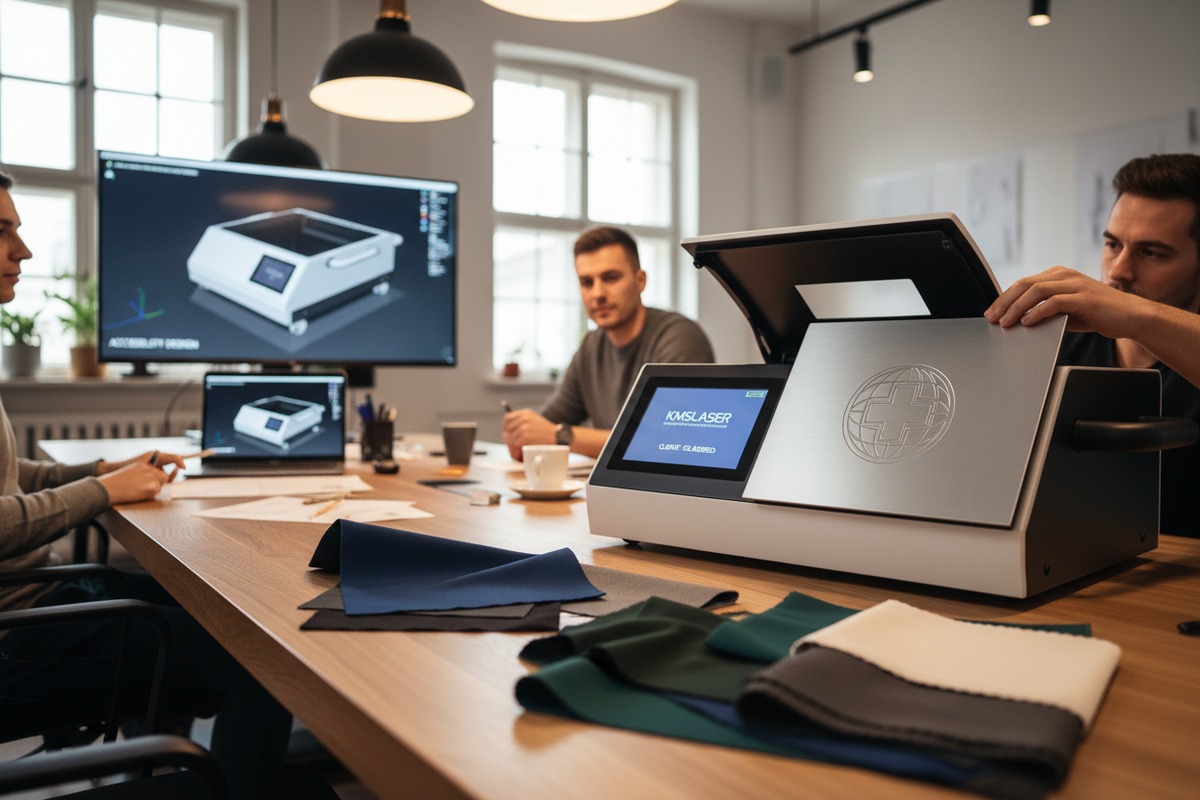
When clients approach our OEM team with accessibility requirements, we welcome the conversation. Customizing pressotherapy machines for ADA compliance is absolutely possible—but it requires planning from the earliest design stages.
Yes, you can customize pressotherapy machine heights and interfaces during the OEM process. Work with your manufacturer to specify transfer surface height ranges (17-25 inches), base clearance dimensions, control panel positioning, interface accessibility features, and patient lift compatibility. These customizations should be documented in formal product specifications and incorporated into the manufacturer's quality control processes.
OEM Customization Possibilities
| Customization Area | Standard Option | ADA-Compliant Upgrade |
|---|---|---|
| Treatment Height Range | Fixed or limited adjustment | Full 17-25 inch adjustment with 4+ intermediate positions |
| Base Design | Standard footprint | Open base with 6-inch clearance for lift access |
| Control Panel Location | Fixed side mount | Adjustable height, reach-accessible positioning |
| Display Interface | Standard LCD | High-contrast, large-font display with audio feedback |
| Suit/Garment Design | Standard sizing | Modular system accommodating diverse body types |
The OEM Process Timeline for Accessibility Features
Incorporating ADA compliance into your OEM project follows this general timeline:
Phase 1: Requirements Definition (Weeks 1-4)
- Document specific MDE Standards requirements
- Identify which accessibility features are essential vs. optional
- Establish measurement specifications and tolerances
Phase 2: Design Modification (Weeks 5-12)
- Engineering team adapts existing designs
- Prototype development with accessibility features
- Initial measurements and testing
Phase 3: Prototype Validation (Weeks 13-16)
- Physical prototype inspection
- Height adjustment verification
- Control panel accessibility testing
- Patient lift compatibility checks
Phase 4: Production Preparation (Weeks 17-20)
- Quality control checkpoints established
- Calibration procedures documented
- Staff trained on accessibility requirements
Phase 5: Production and Ongoing QC
- Regular production with built-in accessibility verification
- Certificate of Analysis with accessibility measurements
- Periodic audits
Cost Considerations for ADA-Compliant Customization
Accessibility features do add cost. Based on our production experience:
| Feature | Typical Cost Impact |
|---|---|
| Height-adjustable base mechanism | +15-25% over fixed base |
| Open base for lift clearance | +5-10% for structural modifications |
| Accessible control panel | +10-15% for components and programming |
| Enhanced documentation | +3-5% for compliance paperwork |
| Total ADA-Compliant Package | +20-40% over standard model |
However, this investment protects against compliance penalties and opens your market to facilities requiring accessible equipment.
Critical Contractual Considerations
When negotiating OEM agreements for ADA-compliant pressotherapy machines, include:
- Detailed Specifications: Document exact height ranges, tolerances, and measurement methods
- Compliance Warranty: Manufacturer warrants equipment meets stated ADA specifications
- Change Notification: Any design changes require buyer approval
- Documentation Requirements: CoA with accessibility measurements for each shipment
- Audit Rights: Buyer can inspect production facilities with reasonable notice
Working with Your Manufacturer on Interface Design
You can add design customizations, such as size, shape, and interior organizing, and branding options, such as logos and colors.
For pressotherapy interfaces specifically, discuss:
- Button size and spacing for users with limited dexterity
- Color contrast ratios for users with visual impairments
- Simplified menu navigation for users with cognitive challenges
- Audio confirmation of settings changes
- Emergency stop accessibility
Meeting the 2026 Compliance Deadline
If your facility primarily serves individuals with mobility impairments, the requirement increases to 20%. By August 9, 2026, every facility needs to have at least one accessible exam table and one accessible weight scale in place.
Because nearly all urgent cares receive Department of Health and Human Services (HHS) funding, they must comply with new ADA requirements for Medical Diagnostic Equipment (MDE) by July 8, 2026.
For clinics purchasing pressotherapy equipment for therapeutic use, especially rehabilitation and physical therapy centers, these deadlines matter. For practices specializing in conditions affecting mobility (e.g., rehabilitation, physical therapy), this increases to 20% (or a minimum of one unit) of each type of MDE.
Start your OEM customization process now to ensure compliant equipment arrives before deadlines.
Conclusion
Evaluating supplier ADA compliance for pressotherapy machines requires verifying MDE Standards documentation, inspecting critical design features like 17-25 inch transfer heights, auditing quality control processes, and building accessibility into OEM customizations from day one. With 2026 deadlines approaching, start your compliance verification process now.
Footnotes
1. Provides official information on ADA compliance for medical diagnostic equipment. ↩︎
2. Explains the FDA’s 510(k) premarket notification process for medical devices. ↩︎
3. Details the technical accessibility standards for medical diagnostic equipment. ↩︎
4. Replaced with the official introduction to the Americans with Disabilities Act on ADA.gov. ↩︎
5. FDA’s explanation of medical device classification, including Class II devices. ↩︎
6. Replaced with an authoritative overview of ISO 13485 from BSI, a leading standards body. ↩︎
7. Federal Register document outlining the MDE Accessibility Standards. ↩︎
8. W3C’s Web Accessibility Initiative provides guidance on digital accessibility. ↩︎
9. FDA’s regulations on quality system (QS) for medical device manufacturing. ↩︎

 English
 Español de México
 Deutsch
 Français
 العربية
 Русский
