
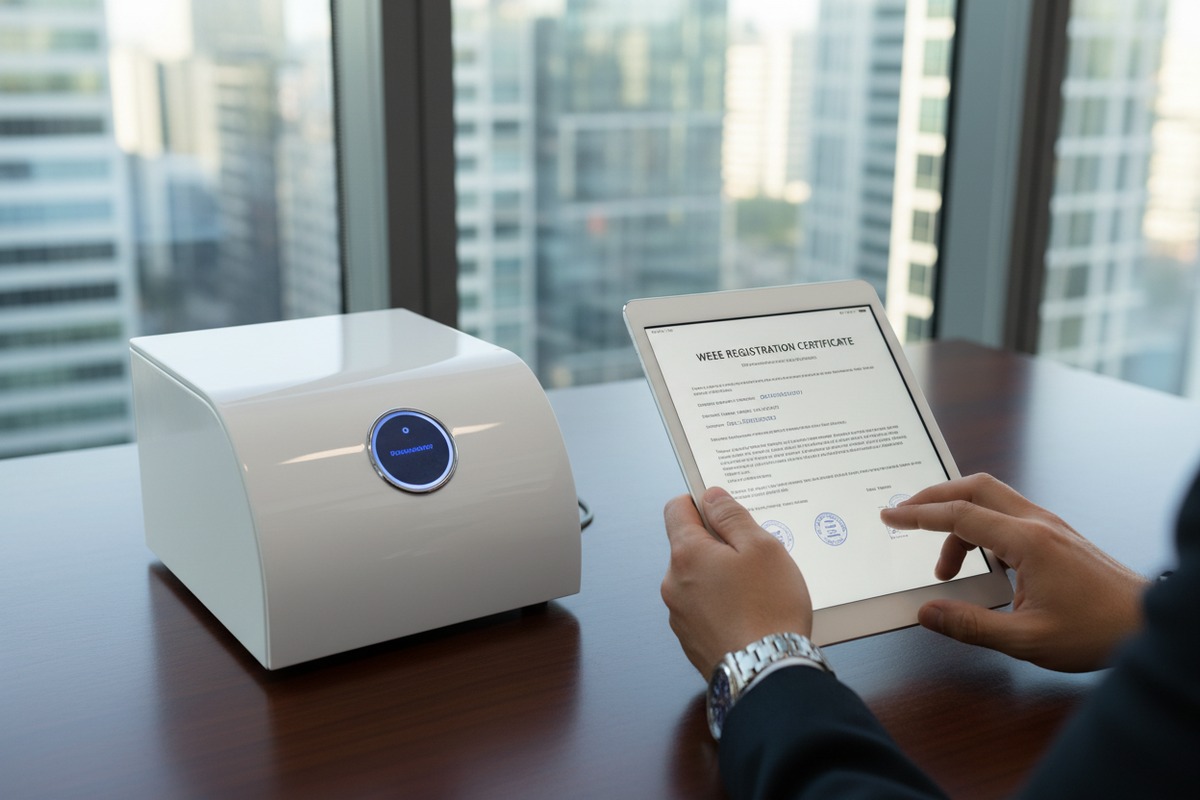
Navigating international e-waste laws can feel overwhelming when importing beauty equipment WEEE (Waste Electrical and Electronic Equipment) registration 1. Our production team often helps clients bridge the gap between Chinese manufacturing standards and strict Western environmental requirements to avoid costly fines.
To ensure pressotherapy machines sourced from China comply with e-waste regulations, verify WEEE and RoHS certifications, register as a producer in your target market, ensure proper "crossed-out wheelie bin" labeling, and establish a clear contract holding the supplier accountable for component safety and end-of-life recyclability.
Understanding the specific technical and legal requirements is the first step toward a compliant and sustainable supply chain RoHS 2.0 (Directive 2011/65/EU) 2.
Which specific certifications must I verify to ensure my imported pressotherapy machines meet WEEE standards?
When we assemble our compression systems, we prioritize components that meet international recycling standards crossed-out wheelie bin" symbol 3. Failing to verify these certifications before shipment can lead to your goods being seized at customs or rejected by local retailers.
You must verify the WEEE (Waste Electrical and Electronic Equipment) registration of the manufacturer and confirm that the device falls under Category 9 (Monitoring and Control Instruments) or Category 4 (Large Equipment), depending on its size, while ensuring the CE mark is present for EU markets.
Understanding WEEE Categories
Pressotherapy machines are complex devices. They contain air pumps, circuit boards, and synthetic fabrics XRF (X-ray fluorescence) screening 4. Under the EU WEEE Directive, these items are classified based on their function and size. Most professional tabletop units fall under "Small Equipment," but full-body systems might be categorized differently CE mark 5. As an importer, you are often legally defined as the "Producer." This means you must ensure the manufacturer in China has designed the product for easy disassembly.
Essential Certification Checklist
Verification is not just about looking at a logo. You need to request the actual test reports. A simple sticker on the back of the machine is not enough to satisfy a customs audit. We recommend cross-referencing the certificate number on the issuing body's website.
| Certification | Region | Primary Focus |
|---|---|---|
| WEEE Registration | EU / UK | End-of-life collection and recycling responsibility. |
| CE Marking | Europe | General safety, health, and environmental protection. |
| NRTL (e.g., UL/ETL) | USA / Canada | Electrical safety standards often linked to e-waste disposal. |
| NMPA / ISO 13485 | Global/China | Quality management systems for medical and beauty devices. |
The Role of the Manufacturer
While the importer carries the legal burden of "Producer Responsibility 6" in the destination country, the Chinese manufacturer must provide the technical file. This file proves the machine uses recyclable plastics and contains no prohibited materials. We provide our clients with a breakdown of materials used in our air compression suits to simplify their local registration process.
How can I confirm my Chinese OEM partner uses RoHS-compliant components in my custom beauty equipment?
In our Guangzhou facility, we strictly monitor the raw materials entering our assembly line. RoHS compliance is critical because pressotherapy machines use numerous internal connectors and solder points that could potentially contain hazardous substances if not audited.
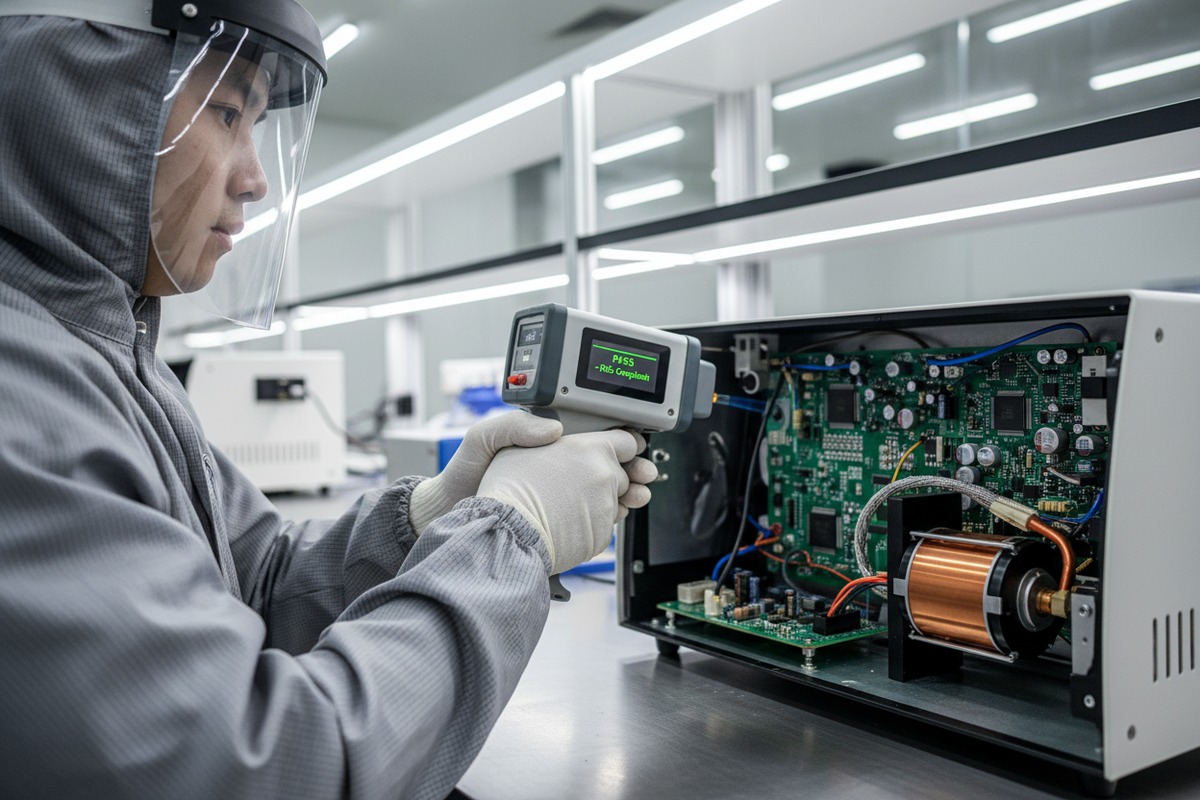
Confirm RoHS compliance by requesting a comprehensive RoHS 2.0 (Directive 2011/65/EU) test report for the specific model, performing random XRF (X-ray fluorescence) screening during production, and ensuring the Bill of Materials (BOM) lists compliant sub-components from verified vendors.
The Importance of RoHS 2.0
RoHS stands for "Restriction of Hazardous Substances." It limits the use of lead, mercury, cadmium, and other dangerous materials in electronics. For a pressotherapy machine, this includes the control board, the power supply, and even the internal wiring of the air pumps. If your machine contains these substances, it cannot be legally recycled through standard e-waste channels and could lead to massive environmental fines.
Verification Methods
Working with an OEM partner requires a "trust but verify" approach. We suggest the following steps to ensure the components used in your custom brand are safe:
- Component Level Testing: Ask for the RoHS reports of the most critical parts, such as the PCB (Printed Circuit Board) and the motor.
- XRF Testing: During a factory visit or via a third-party inspector, use an XRF gun to instantly check for lead or cadmium on the surface of internal components.
- Supplier Declarations: Require the factory to sign a "Declaration of Conformity" specifically for your PO.
Common Hazardous Materials in Pressotherapy Machines
Pressotherapy units are unique because they combine electronics with soft goods. You must ensure the compliance extends beyond just the circuit boards.
| Component | Potential Hazard | Compliance Requirement |
|---|---|---|
| Circuit Board (PCB) | Lead Solder | Must use Lead-Free soldering processes. |
| Air Pump Motor | Mercury / Cadmium | Components must be certified by the motor manufacturer. |
| LCD Screen | Mercury / Flame Retardants | Display panels must meet specific RoHS threshold limits. |
| PVC Hoses/Suits | Phthalates | While often under REACH, RoHS 2.0 also restricts certain phthalates. |
Red Flags in OEM Partnerships
If a supplier offers a price that is significantly lower than the market average, they might be using non-compliant, recycled components. These parts often have higher levels of heavy metals. In our engineering department, we only source from Tier-1 component vendors to maintain high-end quality for our US and European clients.
What should I include in my pre-shipment inspection checklist to guarantee proper e-waste labeling?
Our quality control team treats labeling as seriously as functional testing. Proper e-waste labeling is a legal requirement for customs clearance and informs the end-user on how to handle the product when it eventually reaches its end-of-life.
Your checklist must include a visual check for the "crossed-out wheelie bin" symbol on the device and packaging, a verification of the manufacturer's identification mark, and a review of the user manual for required recycling instructions and hazard warnings.

Labeling Requirements for Pressotherapy Systems
A pressotherapy machine consists of a heavy control unit and several large fabric attachments. Both the unit and the packaging must communicate disposal rules. If the labeling is missing, customs may deem the shipment "non-compliant" and return it to China at your expense.
Essential Checklist Items
When we conduct pre-shipment inspections for our wholesalers, we follow a strict protocol. You should ensure your inspection agency checks the following:
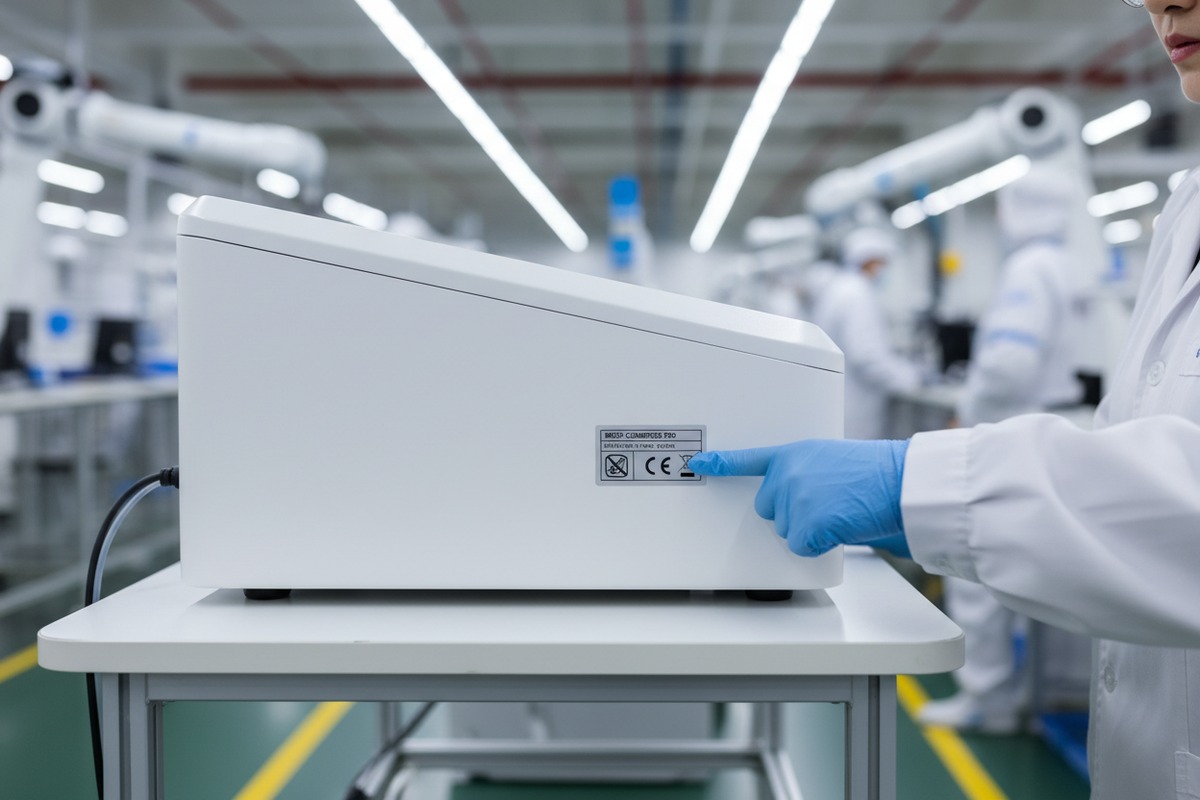
- The Symbol: The "crossed-out wheelie bin" must be visible, legible, and indelible. It should be printed on the rating plate of the machine.
- Producer Info: The label must clearly state the importer's or brand owner's name and contact information.
- Date of Manufacture: E-waste laws often require a date or a "placed on market" mark to determine which regulations apply.
- Manual Content: The user manual must contain a specific section explaining the user's role in recycling and the potential effects of hazardous substances on the environment.
Packaging Considerations
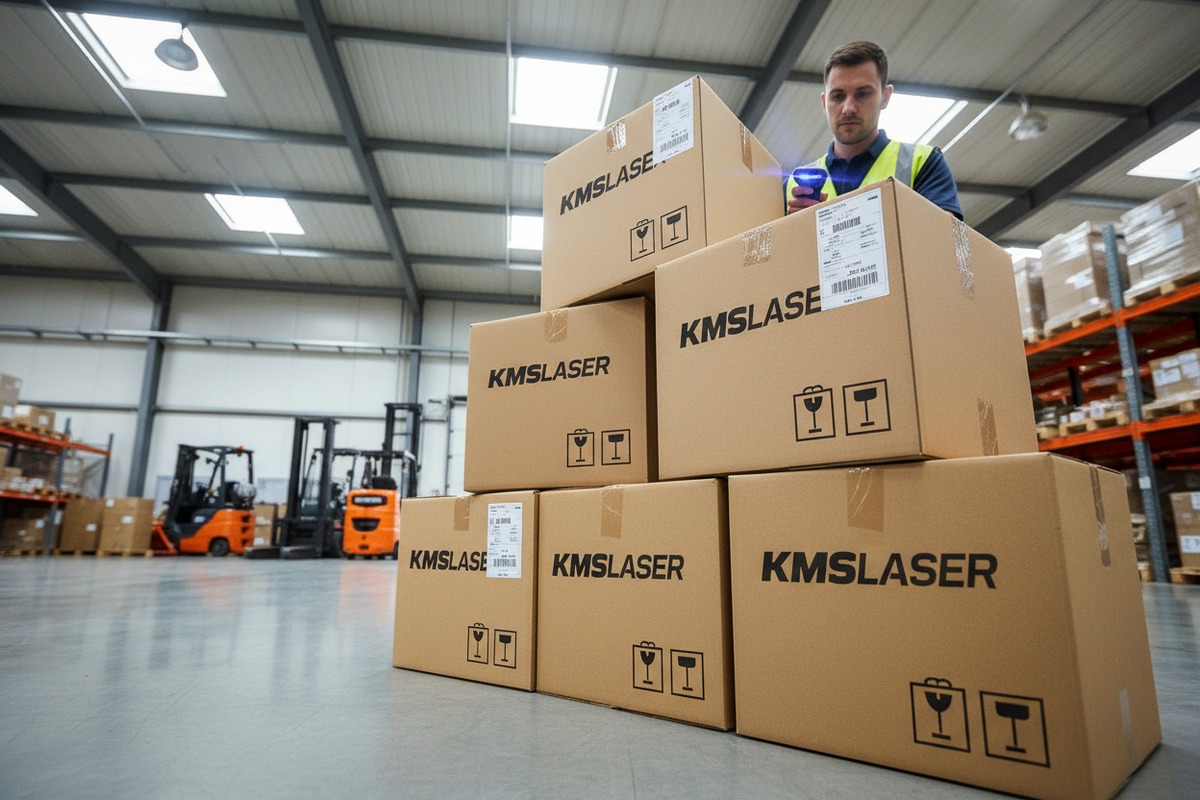
E-waste regulations often overlap with packaging waste laws (EPR). Your inspection should also confirm that the cardboard, foam, and plastic wraps are labeled with their respective recycling codes (e.g., PAP 20 for cardboard).
| Labeling Element | Specification | Location |
|---|---|---|
| Wheelie Bin Symbol | Min. 7mm height (Standard) | Rear of the control unit |
| Brand/Producer Name | Legible English text | Rating label and outer box |
| Recycling Instructions | Multi-language (based on market) | User manual / Instruction book |
| Battery Marking | Only if the unit has a backup battery | Near the battery compartment |
Why Labeling Fails
Most labeling failures happen because the supplier uses a "standard" label that doesn't meet the specific size or placement requirements of the destination country. For example, the bin symbol must have a thick bar under it if the product was placed on the market after 2005. We always send a high-resolution digital proof to our clients for approval before the final print run.
How do I structure my supply chain agreement to hold my supplier accountable for environmental compliance?
A handshake is never enough in international trade, especially regarding environmental liability. We always encourage our partners to formalize compliance expectations in the contract to ensure that everyone understands the legal stakes involved in e-waste management.
Structure your agreement by including specific clauses that mandate RoHS/WEEE compliance, require the supplier to provide updated test reports annually, and establish financial indemnity for any fines or recall costs resulting from non-compliant hazardous materials.
Defining Legal Responsibility
In your agreement, clearly define who is responsible for what. As the brand owner, you are the "Producer," but the factory is your "Source of Truth." If they provide false data regarding the chemical composition of the pressotherapy machine, the contract should protect you. We recommend using "Incoterms" alongside environmental clauses to clarify where the risk transfers.
Key Clauses to Include
A robust agreement should be specific. Vague terms like "must be good quality" offer no protection. Use technical language:
- Compliance Warranty: The supplier warrants that all goods meet the RoHS 2.0 directive and are designed in accordance with WEEE recyclability standards.
- Right to Audit: You or a third party should have the right to visit the factory and inspect the raw material storage and production process.
- Data Retention: The supplier must keep all material test records for at least 10 years and provide them upon request within 48 hours.
- Indemnification: If the product is found to contain restricted substances (like lead), the supplier should cover the costs of the recall, disposal, and legal fees.
Managing the "Basel Convention" Impact
As of January 2025, the Basel Convention 7 has stricter rules on the movement of e-waste across borders. Your contract should specify that the supplier must assist with any "Prior Informed Consent" (PIC) documentation if a shipment is flagged as potentially hazardous. This is particularly important for machines with large batteries or specialized UV components.
Building a Long-term Partnership
We find that the best way to ensure compliance is to build a relationship based on transparency. When our clients share their local regulatory updates with us, we can adjust our production line immediately. This proactive approach prevents the need for legal disputes and ensures a steady supply of high-quality, compliant equipment for your beauty salon customers.
Conclusion
Ensuring e-waste compliance for pressotherapy machines requires a rigorous approach to certification, component verification, and labeling. By choosing a transparent Chinese partner and formalizing standards in your agreements, you can protect your brand and the environment.
Footnotes
1. Replaced with an authoritative EU government source on WEEE responsibilities, including registration. ↩︎
2. Replaced with the official EUR-Lex link for Directive 2011/65/EU, the most authoritative source. ↩︎
3. Official government guidance on the mandatory e-waste symbol. ↩︎
4. Describes XRF as a cost-effective method for RoHS compliance screening. ↩︎
5. Official EU information on the purpose and requirements of CE marking. ↩︎
6. Provides a comprehensive definition and origin of Extended Producer Responsibility. ↩︎
7. Official source detailing the Basel Convention’s role in e-waste. ↩︎

 English
  Español de México
  Deutsch
  Français
  العربية
  Русский