
Every week, our production floor sees dozens of shockwave therapy units destined for clinics across America and Europe. Yet we also hear troubling stories from buyers who sourced elsewhere without proper quality checks—machines that failed within months, fake certifications, and costly returns.
A comprehensive QC checklist for sourcing shockwave therapy machines from China should cover technical performance standards, safety certifications like CE and FDA, branding verification, durability testing, and final pre-shipment inspections to ensure consistent quality and regulatory compliance before door-to-door delivery.
This guide walks you through each critical checkpoint. By the end, you will have a clear framework to protect your investment and deliver reliable equipment to your customers.
What technical performance standards should I include in my shockwave therapy machine QC checklist?
When our engineering team tests each unit before export, we measure specific parameters that directly impact clinical outcomes. Without these benchmarks, you risk buying machines that underperform or cause patient complaints.
Your QC checklist should include energy flux density, pulse frequency range, penetration depth, peak positive pressure tolerance within ±10-15%, shot count capacity per applicator, and acoustic output verification using hydrophone testing with a 30-shock baseline measurement.

Understanding Focused vs. Radial Shockwave Types
Before setting specifications, you must know which type you are sourcing. Focused shockwave machines deliver energy to precise deep tissue targets. Radial machines spread energy over wider superficial areas. Each type has different performance benchmarks.
Our clients often ask which type suits their clinics best. Focused units work well for lithotripsy and deep musculoskeletal conditions. Radial units serve general pain therapy and rehabilitation. Your checklist must reflect the type you choose.
Key Technical Parameters to Verify
Request detailed specification sheets from your supplier. Do not accept vague descriptions. The table below shows critical parameters and their acceptable ranges.
| Parameter | Focused Shockwave | Radial Shockwave | Verification Method |
|---|---|---|---|
| Energy Flux Density | 0.08–0.60 mJ/mm² | 0.01–0.20 mJ/mm² | Hydrophone measurement |
| Pulse Frequency | 1–8 Hz | 1–22 Hz | Digital oscilloscope |
| Penetration Depth | 30–120 mm | 0–35 mm | Acoustic mapping |
| Peak Positive Pressure | 10–100 MPa (±10-15%) | 1–5 MPa (±15%) | Calibrated hydrophone |
| Shot Count per Applicator | 2–5 million | 2–3 million | Manufacturer data + sample test |
Conducting Bench Tests
Do not rely solely on paper specifications. Request bench testing results or arrange third-party verification. A baseline test uses 30 shocks measured with a calibrated hydrophone. This confirms energy output stability and pressure accuracy.
In our facility, we run these tests on every batch. We document waveform characteristics and compare them against design specifications. Any deviation beyond tolerance triggers rework or rejection.
Usability and Software Features
Technical performance extends beyond acoustic output. Check the machine's software for protocol locking, session logging, and data export capabilities. These features matter for clinical documentation and regulatory audits.
Ask your supplier to demonstrate the user interface. Confirm it supports your treatment protocols. Verify software stability across multiple sessions without crashes or errors.
How can I verify that my private-label branding and packaging meet my quality requirements?
Our team handles over 200 private-label orders each year. We have learned that branding errors—wrong logos, misspelled text, or damaged packaging—create costly delays and harm your brand reputation.
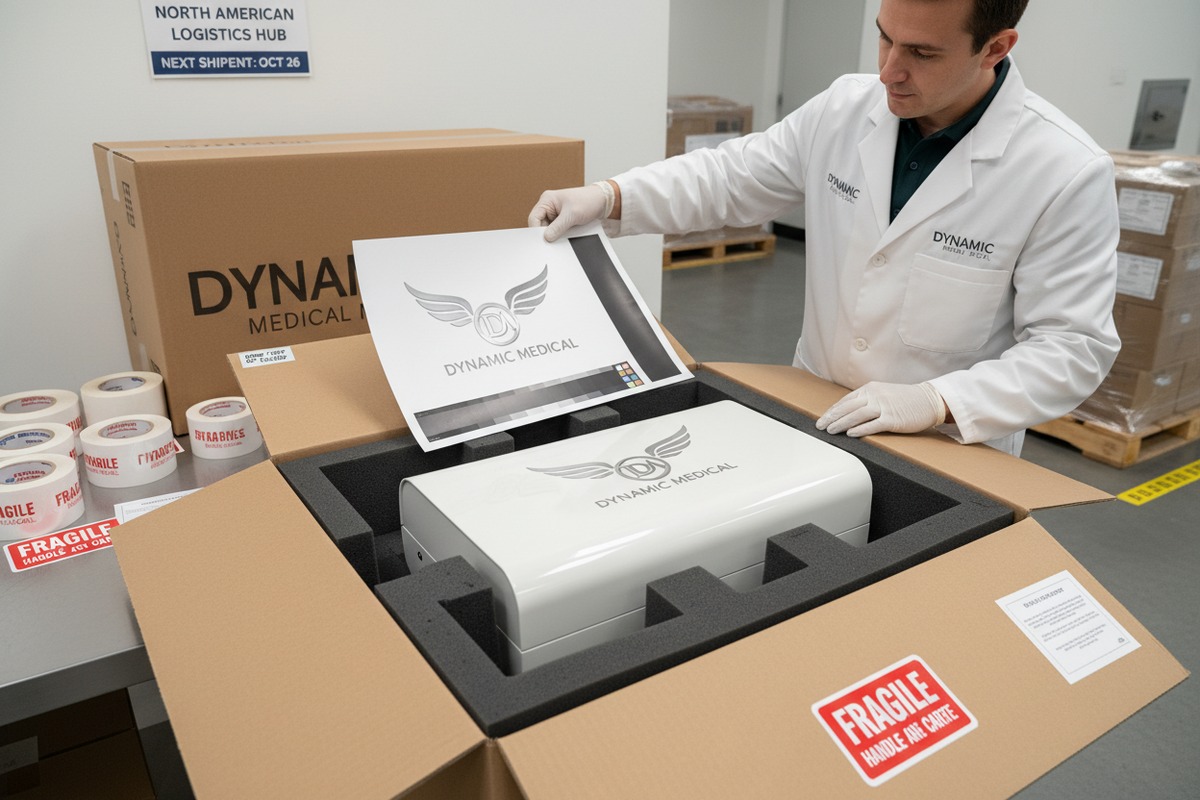
To verify private-label branding and packaging quality, request pre-production samples with your exact artwork, conduct AQL 2.5 inspections for visual defects, confirm labeling compliance with FDA and CE requirements, and perform drop and vibration tests on packaging before shipment.
Pre-Production Sample Approval
Never skip this step. Before mass production begins, your supplier must send physical samples with your branding applied. Check logo placement, color accuracy, font consistency, and material finish.
Compare samples against your approved artwork files. Even small deviations can signal larger quality control problems in the factory. Reject samples that do not meet your standards.
Packaging Integrity Inspection
Packaging protects your investment during transit. Weak packaging leads to damaged products and returns. Our logistics team tests packaging with drop tests from 76 cm height and vibration simulations mimicking truck transport.
The table below outlines packaging quality checkpoints.
| Checkpoint | Acceptable Standard | Test Method |
|---|---|---|
| Box Material | Double-wall corrugated, 275 GSM minimum | Visual + material weight test |
| Inner Padding | Custom foam inserts for handpiece and transducers | Fit check |
| Drop Test | No visible damage after 76 cm drop on each face | Physical drop test |
| Vibration Test | No component loosening after 30-minute simulation | Vibration table |
| Seal Integrity | All tape seals intact, no moisture ingress | Visual inspection |
Labeling Compliance
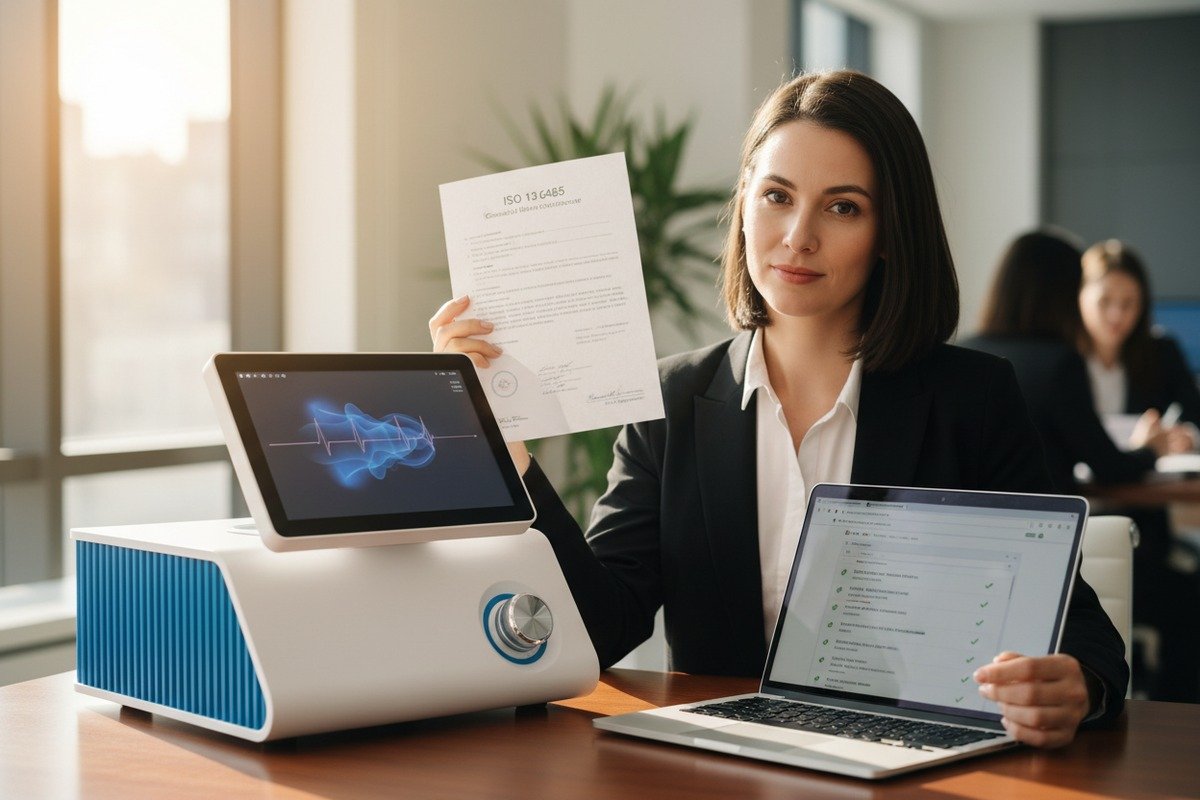
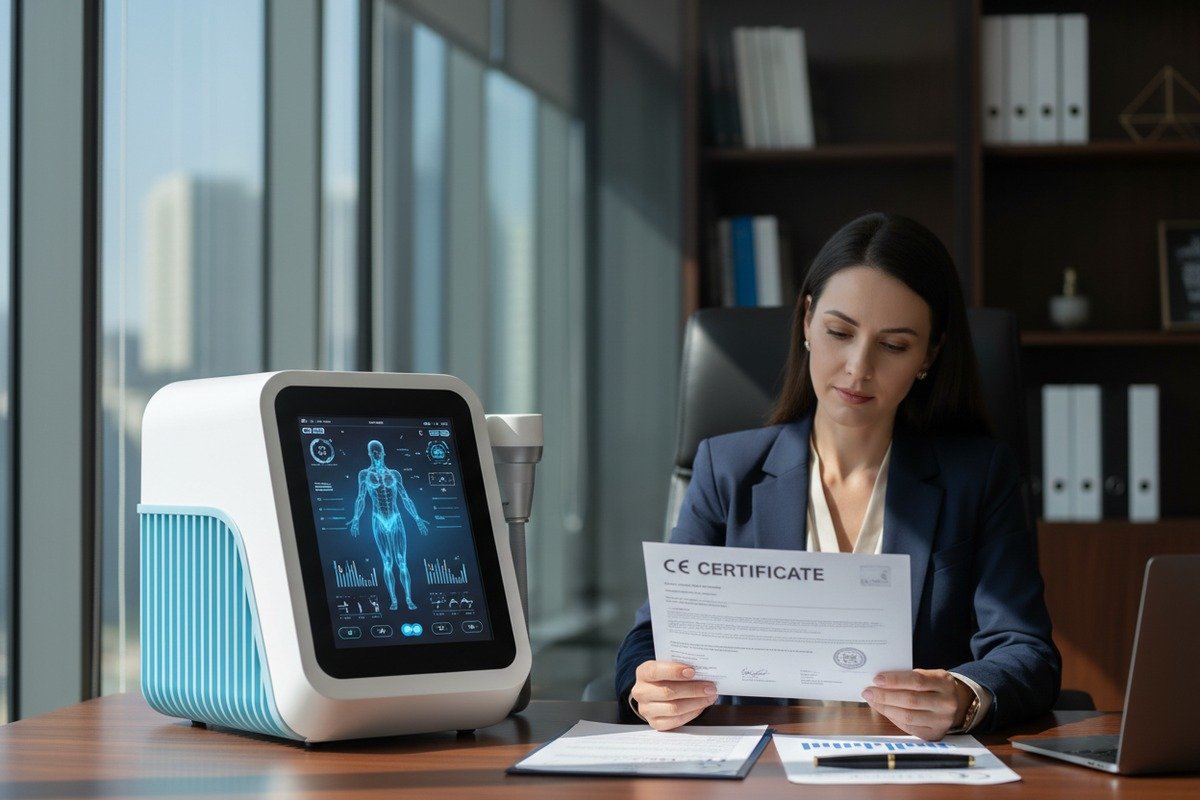
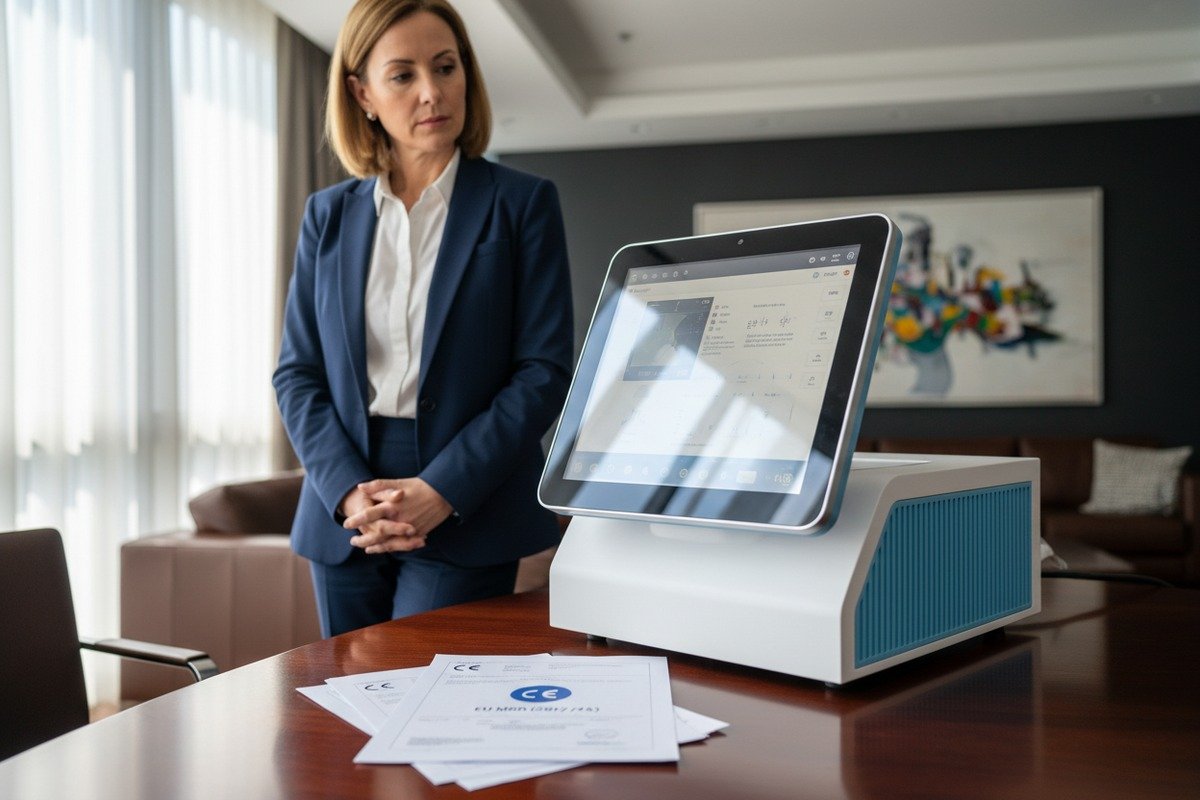
Your labels must meet destination country regulations. For the US market, FDA requires specific information on medical device labels. CE marking for Europe demands different details. CE and FDA 2 Errors here can block customs clearance.
Verify that labels include manufacturer name, model number, serial number, power specifications, safety warnings, and regulatory symbols. Cross-check against your regulatory consultant's requirements.
Third-Party Visual Inspection
Hire an independent inspector like SGS or Intertek for pre-shipment checks. Use AQL 2.5 for critical defects. AQL 2.5 inspections 3 This means sampling a batch and accepting or rejecting based on defect count.
Our experience shows that third-party inspections catch problems that factory QC misses. The small cost prevents large losses from shipping defective or mislabeled products.
Which durability tests should I demand to ensure my machines have a long operational lifespan?
When we design our shockwave units, durability testing consumes significant R&D time. We have seen competitors skip these tests to cut costs. Their machines fail within months. Yours should last years.
Demand durability tests including continuous shot cycle testing to 2 million shots, handpiece lifespan validation, electrical stress testing per IEC 60601-1, environmental testing for temperature and humidity extremes, and MTBF data exceeding 10,000 operational hours.

Shot Cycle Endurance Testing
The handpiece and applicator experience the most stress. Each shockwave treatment delivers thousands of pulses. Over time, internal components wear out.
Request documentation showing continuous operation tests. The machine should maintain output stability through at least 2 million shots. Our production line tests sample units to 2.5 million shots before approving a batch.
Electrical Safety and Stress Testing
IEC 60601-1 4 defines electrical safety standards for medical devices. This includes insulation resistance, leakage current limits, and protection against electric shock. Demand test reports from accredited laboratories.
Beyond basic safety, stress testing applies voltage variations and power surges. electrical stress testing 5 This simulates real-world conditions where clinic power supplies fluctuate. Machines that fail these tests will fail in the field.
Environmental Stress Testing
Shockwave machines may operate in clinics with varying temperatures and humidity levels. Some units ship to tropical climates. Others to dry desert regions.
The table below shows environmental test parameters.
| Test Type | Condition Range | Duration | Pass Criteria |
|---|---|---|---|
| High Temperature | 40°C | 72 hours | No performance degradation |
| Low Temperature | 5°C | 72 hours | Normal startup and operation |
| High Humidity | 85% RH at 30°C | 48 hours | No condensation damage |
| Temperature Cycling | -10°C to 50°C | 10 cycles | No component failure |
Mean Time Between Failures (MTBF)
MTBF estimates average operational hours before failure. Mean Time Between Failures (MTBF) 6 Industry benchmark for quality shockwave machines exceeds 10,000 hours. Request MTBF data calculated from field returns and accelerated life testing.
Low MTBF signals poor component quality or design flaws. Machines with MTBF below 5,000 hours will generate warranty claims and damage your reputation.
Consumable Lifespan Validation
Handpiece bullets, sealing rings, and membranes are consumables. Their lifespan affects your total cost of ownership. Demand testing data showing replacement intervals.
For example, bullets should last 2 million shots minimum. Sealing rings need weekly inspection but monthly replacement under heavy use. Membranes require visual checks before each treatment day.
What final inspection steps should my supplier complete before arranging door-to-door logistics?
Before any unit leaves our warehouse, it passes through a final inspection sequence. This last checkpoint catches issues that earlier stages missed. It protects both your investment and your customers.
Final inspection steps should include 100% functional testing of all treatment modes, cosmetic inspection for scratches and defects, accessory completeness verification, documentation review for regulatory papers, packaging seal check, and post-packaging weight and dimension verification.

100% Functional Testing Protocol
Every single unit must power on and complete a test cycle. Do not accept statistical sampling for functional tests. One defective unit shipped to a customer creates disproportionate damage.
Our final test protocol includes:
- Power-on sequence verification
- Touchscreen responsiveness check
- All treatment mode activation
- Handpiece connection and pulse delivery
- Error code absence confirmation
- Software version verification
Cosmetic and Visual Inspection
Examine the machine exterior under bright lighting. Check for scratches, dents, paint chips, or assembly gaps. Inspect handpieces for cracks or discoloration.
Cosmetic defects seem minor but signal careless handling. They also reduce perceived value when your customer unboxes the product. Reject units with visible defects.
Accessory and Documentation Completeness
Cross-reference the packing list against actual contents. Every accessory must be present: handpieces, cables, gel, user manuals, warranty cards, and regulatory certificates.
Missing items delay your customer's first use. They also create support calls and negative impressions. Verify documentation includes Instructions for Use (IFU), Declaration of Conformity 7, and applicable certificates.
Regulatory Document Verification
Before shipping, confirm all papers match the specific unit. Serial numbers on certificates must match device labels. Check that CE or FDA documentation references the correct model and variant.
Customs authorities increasingly verify documentation. Mismatched papers cause clearance delays or seizures. Our shipping team double-checks every document package.
Pre-Shipment Packaging Verification
After sealing, weigh and measure each package. Compare against standard specifications. Unusual weight may indicate missing components or incorrect items. Incorrect dimensions suggest packing errors.
Document package condition with photographs. This creates evidence if damage claims arise during transit. Share photos with your logistics provider and customer.
Post-Arrival Performance Verification
Plan for arrival testing at your warehouse. Compare performance against pre-shipment baseline data. Check peak pressure and targeting accuracy immediately after unpacking.
Transport stresses can shift internal components. Early detection prevents shipping defective units to end customers.
Conclusion
Building a thorough QC checklist protects your business from costly quality failures. Cover technical specifications, branding accuracy, durability benchmarks, and final inspections. Partner with suppliers who welcome transparency and rigorous verification.
Footnotes
1. Explains hydrophones and their use in ultrasonic measurements. ↩︎
2. Replaced broken link with an authoritative source comparing CE Mark and FDA Approval for medical devices. ↩︎
3. Explains AQL 2.5 and its application in quality inspections. ↩︎
4. Official source for IEC 60601 standards for medical devices. ↩︎
5. Describes accelerated stress testing methods for medical devices. ↩︎
6. FDA guidance on reliability, including Mean Time Between Failures. ↩︎
7. Comprehensive guide to Declaration of Conformity for medical devices. ↩︎
 English
 Español de México
 Deutsch
 Français
 العربية
 Русский
Join the Conversation
Have a question or insight to share? We read every comment — whether you're a distributor, salon owner, or just curious about the technology. Your real-world experience helps others make better decisions. Drop your thoughts below.