
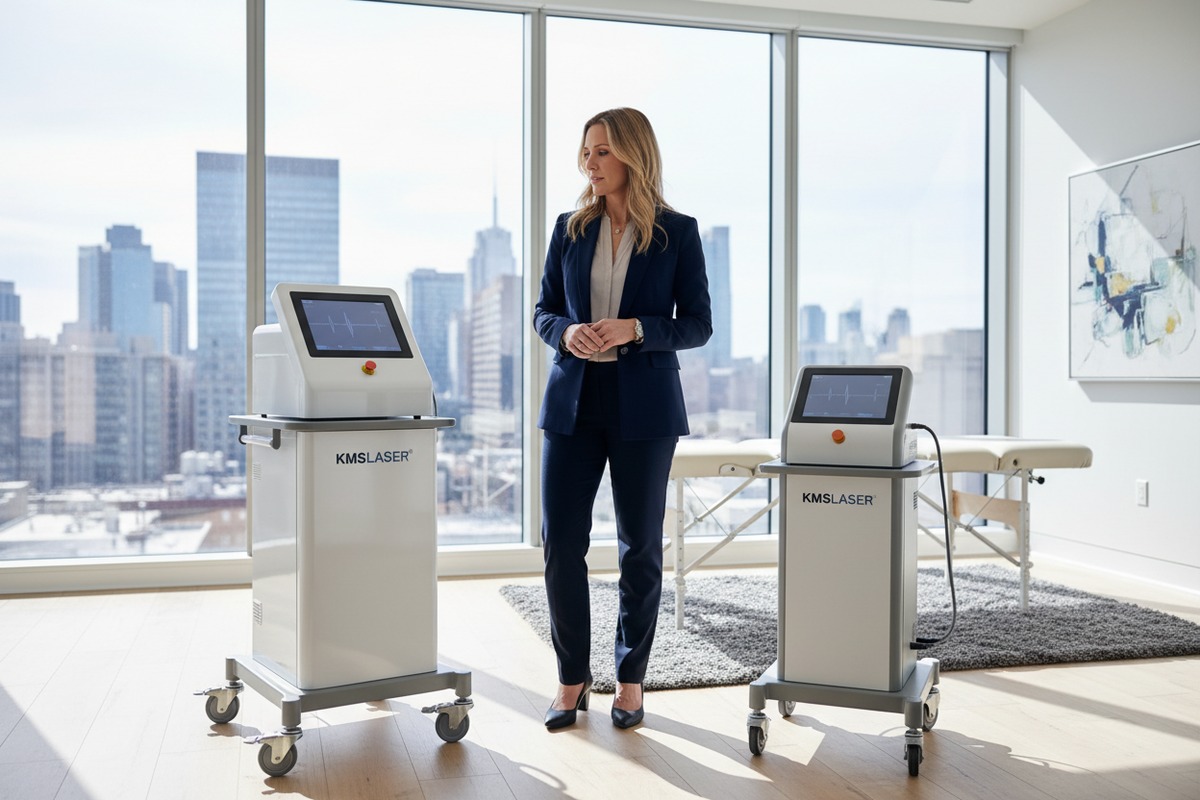
When our engineering team first designed shockwave therapy machines 1 for US clinics, we faced a critical question from buyers. They asked us which cooling system would best serve their practice needs and budget.
Choose water-cooled shockwave therapy machines for high-end clinics requiring deep tissue treatment and continuous operation. Select air-cooled systems for portability, lower maintenance, and superficial treatments. Your decision depends on treatment depth, patient volume, budget, and space constraints in your US clinic setting.
This guide breaks down everything you need to know about both cooling technologies. Let us walk you through the key factors that will shape your investment decision.
How do I determine if a water-cooled or air-cooled system better suits my clinic's high-volume treatment needs?
Running a busy clinic means every minute counts. Our production team has seen many US buyers struggle with this exact question during consultations. The wrong choice can lead to equipment downtime and unhappy patients.
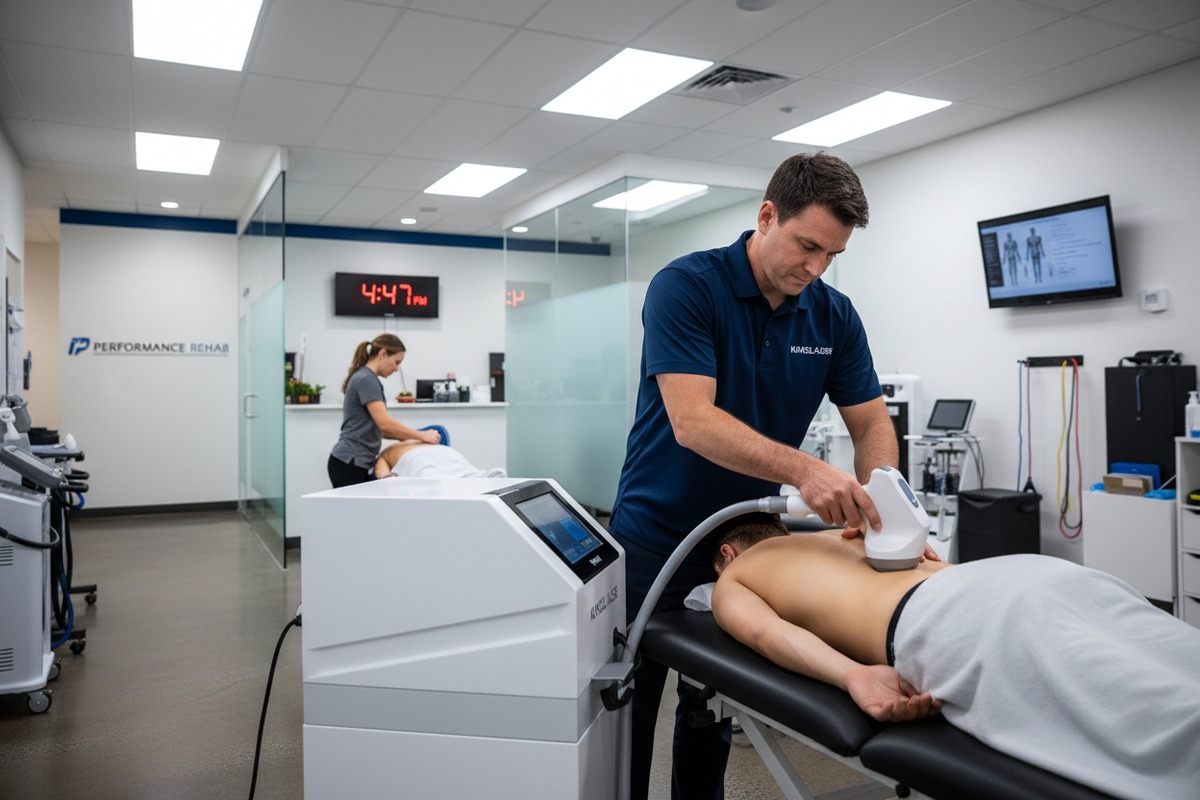
Determine your ideal cooling system by analyzing daily treatment volume, session duration, and treatment depth. Water-cooled machines handle 40+ daily sessions without overheating breaks. Air-cooled units suit clinics with 20-30 lighter sessions. Match your cooling choice to your busiest day's demands.
Understanding Treatment Volume Thresholds
High-volume clinics see patterns that smaller practices do not. When we test machines before shipping to the US, we simulate different workloads. Water-cooled systems show clear advantages after the 30-session mark.
Air-cooled machines need cool-down periods. This usually means 5-10 minute breaks after every 8-10 intensive treatments. For a clinic running 50 patients daily, these breaks add up to over an hour of lost productivity.
Water-cooled systems use circulating fluid to remove heat constantly. This allows back-to-back treatments without performance drops. The handpiece stays at optimal temperature throughout your busiest hours.
Session Duration Matters
Treatment length affects heat buildup significantly. Short 5-minute sessions put less stress on cooling systems. Longer 15-20 minute deep tissue protocols generate much more heat. deep tissue treatment 2
| Session Type | Duration | Best Cooling System | Reason |
|---|---|---|---|
| Quick trigger point | 5-8 min | Air-cooled | Low heat generation |
| Standard muscle therapy | 10-15 min | Either | Moderate demands |
| Deep tissue chronic pain | 15-25 min | Water-cooled | Sustained high energy |
| Calcification treatment | 20-30 min | Water-cooled | Maximum heat output |
Matching Systems to Treatment Depth
Radial shockwave therapy 3 works on superficial tissues. These treatments use lower energy levels. Air-cooled systems handle this workload well because heat generation stays manageable.
Focused shockwave therapy 4 penetrates deeper. The electromagnetic coils produce intense pulses. Without water cooling, these coils risk damage from excessive heat. Our quality control team has documented premature failures in air-cooled focused systems pushed beyond their limits.
Real-World Clinic Scenarios
Consider a sports medicine clinic in California. They treat 45 athletes daily. Most need deep tissue work on chronic injuries. Water-cooling makes sense here.
Now think about a wellness spa in Florida. They offer 25 relaxation-focused sessions daily. Treatments stay superficial. Air-cooling provides enough capacity while saving on equipment costs.
Which cooling technology will minimize my maintenance costs and extend the lifespan of my branded machines?
During our years of manufacturing shockwave equipment, we have tracked warranty claims closely. Maintenance patterns differ sharply between cooling types. This data helps us guide buyers toward smarter long-term investments.
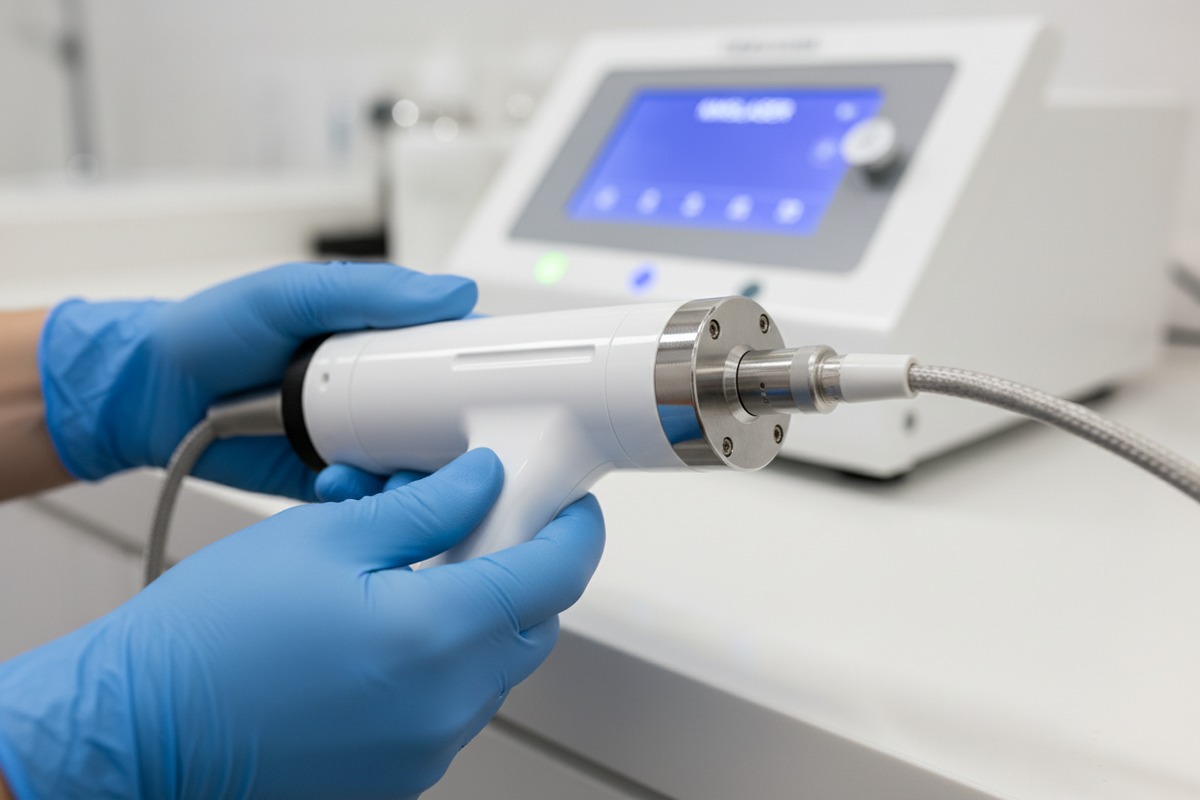
Air-cooled systems minimize maintenance costs with simple dust filter cleaning and no fluid management. Water-cooled machines require regular coolant checks, pump inspections, and leak monitoring but offer 5-8 million shot handpiece lifespans versus 2-5 million for air-cooled units. Total ownership costs favor your specific usage intensity.
Breaking Down Maintenance Tasks
Air-cooled maintenance stays straightforward. Clean the dust filters monthly. Check fan operation quarterly. Replace fans every 2-3 years if needed. Most clinic staff can handle these tasks without technician visits.
Water-cooled systems demand more attention. Check coolant levels weekly. Inspect hoses for wear monthly. Monitor pump pressure quarterly. Watch for leaks constantly. These tasks often require trained personnel.
Component Lifespan Comparison
| Component | Air-Cooled Lifespan | Water-Cooled Lifespan | Notes |
|---|---|---|---|
| Handpiece | 2-5 million shots | 5-8 million shots | Water cooling protects coils |
| Cooling fans | 15,000-20,000 hours | N/A | Dust exposure reduces life |
| Pump system | N/A | 20,000-30,000 hours | Quality varies by manufacturer |
| Hoses/seals | N/A | 2-3 years | Environmental factors matter |
| Main unit | 7-10 years | 10-15 years | With proper maintenance |
Hidden Costs to Consider
Leak damage represents a real risk with water-cooled systems. One undetected leak can damage internal electronics. Our service team has seen repair bills exceeding $2,000 from preventable water damage.
Air-cooled systems face dust accumulation issues instead. Clogged vents reduce cooling efficiency. This forces components to work harder. Early wear results from neglected air filtration.
Calculating True Ownership Costs
Annual maintenance for air-cooled units typically runs $200-400. This covers filters, occasional fan replacement, and basic service.
Water-cooled systems cost $500-1,000 annually. Add coolant, pump servicing, seal replacements, and more frequent technician visits.
However, handpiece replacement tells a different story. At $1,500-3,000 per handpiece, the longer water-cooled lifespan saves money for high-volume users. A clinic doing 50 daily treatments might go through air-cooled handpieces twice as fast.
Warranty Considerations
We offer different warranty terms based on cooling type. Air-cooled units get standard coverage because issues stay predictable. Water-cooled machines need extended warranties due to more failure points.
Ask any supplier about their warranty exclusions. Water damage from neglected maintenance often voids coverage. Understand these terms before purchase.
How does the choice between water and air cooling impact my shipping weight and the overall design of my custom equipment?
When our logistics team prepares shipments for US clients, we notice significant differences. Cooling system choice affects everything from freight costs to installation requirements. These practical factors matter for your bottom line.
Water-cooled shockwave machines weigh 30-50% more than air-cooled equivalents due to pumps, reservoirs, and reinforced housing. This increases shipping costs by $200-500 for US deliveries. Air-cooled units offer compact, portable designs ideal for multi-location practices or mobile services requiring frequent equipment transport.

Weight and Dimension Differences
Our standard air-cooled radial unit weighs approximately 8-12 kg. The water-cooled focused version tips the scale at 15-25 kg. This difference comes from cooling infrastructure.
Water-cooled machines contain pumps, fluid reservoirs, and heat exchangers. These components add bulk. The housing must also accommodate liquid circulation without vibration interference.
| Design Factor | Air-Cooled | Water-Cooled | Impact |
|---|---|---|---|
| Base unit weight | 8-12 kg | 15-25 kg | Shipping costs |
| Footprint | Compact | Larger | Treatment room space |
| Portability | High | Moderate | Multi-location use |
| Installation | Plug and play | May need setup | Initial convenience |
| Vibration sensitivity | Low | Higher | Placement requirements |
Shipping Cost Implications
International freight charges by weight and volume. Heavier water-cooled units cost more to ship. From our Guangzhou facility to US ports, the difference typically ranges $200-500 per unit.
Packaging requirements also differ. Water-cooled machines need extra protection for pumps and fluid systems. Custom crating adds another $50-100 to shipping preparation.
Design Flexibility for OEM Clients
Brand owners requesting custom designs face different constraints. Air-cooled systems allow sleeker, more modern aesthetics. The chassis can be thinner without accommodating fluid channels.
Our design team recently completed a custom air-cooled unit with a minimalist profile. The client wanted a device matching their high-end salon aesthetic. Water cooling would have required a bulkier form factor.
Water-cooled customization focuses more on performance than appearance. Clients typically prioritize reliability over design innovation. The cooling system demands certain internal volumes that limit external styling options.
Installation and Setup Considerations
Air-cooled machines arrive ready to use. Unbox, plug in, and start treating patients. This simplicity appeals to busy clinic managers.
Water-cooled systems sometimes require initial setup. Filling the cooling loop, bleeding air bubbles, and testing pump operation takes time. Some clinics prefer technician-assisted installation.
Multi-Location Practice Requirements
Practices with multiple locations face unique challenges. Moving equipment between sites happens regularly. Air-cooled portability becomes valuable here.
Water-cooled machines should not be transported while filled. Draining and refilling adds logistical complexity. Most multi-site operators choose air-cooled for this flexibility.
Should I invest in water-cooled models to ensure more stable performance for my high-end US salon clients?
Our sales team fields this question weekly from US distributors. High-end salons demand premium results. Their clients expect consistent treatments every visit. The cooling system directly affects this consistency.
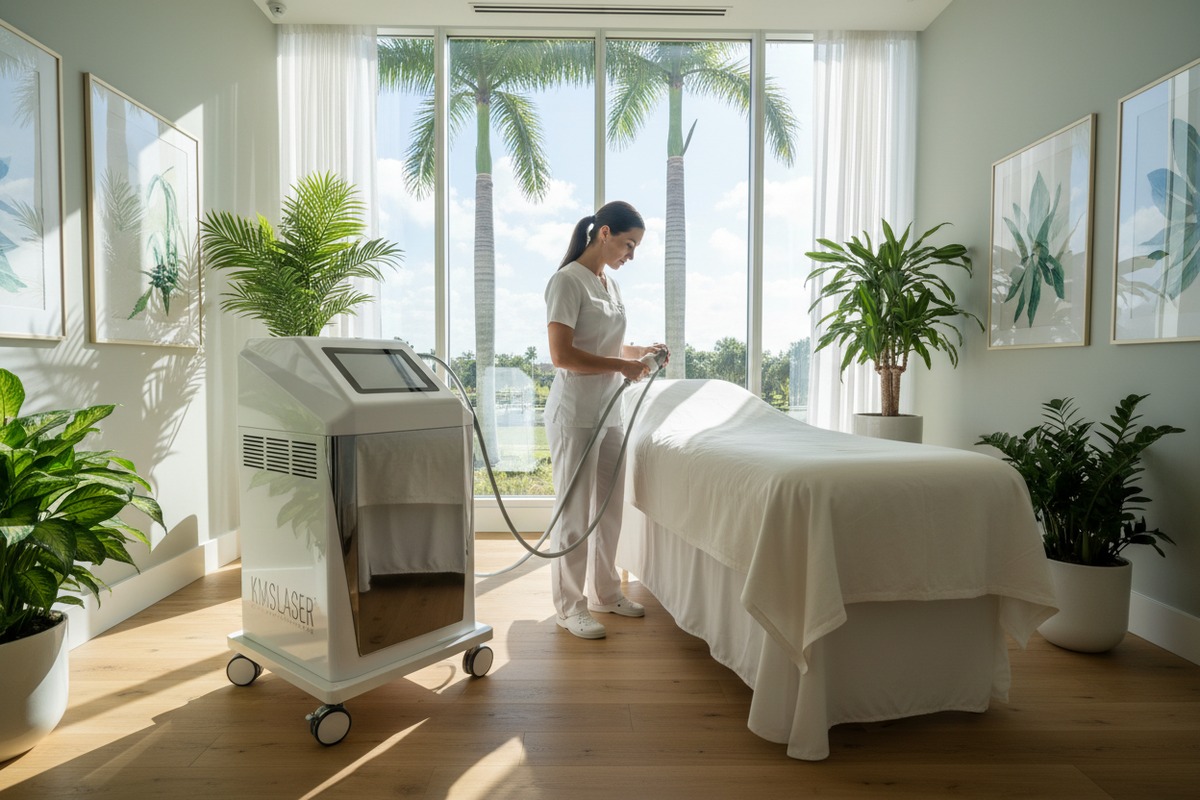
Invest in water-cooled shockwave machines for high-end US salon clients who expect consistent treatment outcomes. Water cooling maintains stable energy output within 2-3% variance versus 5-8% for air-cooled during extended sessions. This precision justifies premium service pricing and builds client trust through reliable results.
Why Consistency Matters for Premium Clients
High-end salon clients pay premium prices. They expect premium outcomes. When treatment results vary session to session, clients notice. Trust erodes quickly.
Temperature fluctuations in the handpiece affect energy delivery. As air-cooled units heat up, output can shift. Experienced practitioners notice subtle changes in treatment feel. Sophisticated clients notice inconsistent results.
Water-cooled systems maintain tighter temperature control 6. The circulating coolant keeps handpiece temperature within narrow ranges. Energy delivery stays consistent from first patient to last.
Noise Level Considerations
Premium salon environments prioritize ambiance. High-speed cooling fans generate noticeable noise. This disrupts the relaxation atmosphere clients expect.
Our testing shows air-cooled units produce 55-65 decibels during operation 7. Water-cooled machines run at 40-50 decibels. This difference significantly impacts client experience in quiet treatment rooms.
| Performance Factor | Air-Cooled | Water-Cooled | Client Impact |
|---|---|---|---|
| Energy consistency | 92-95% | 97-99% | Treatment reliability |
| Operating noise | 55-65 dB | 40-50 dB | Spa atmosphere |
| Continuous operation | 30-40 min max | Unlimited | Session flexibility |
| Temperature stability | ±5-8°C variance | ±2-3°C variance | Comfort consistency |
Building Premium Brand Perception
Equipment quality signals service quality to clients. Visible investment in professional machines builds confidence. Water-cooled systems often feature more sophisticated designs that communicate premium positioning.
Clients notice equipment details. Sleek water-cooled units with quiet operation reinforce luxury branding. Budget air-cooled machines may undercut premium pricing strategies.
Treatment Protocol Flexibility
High-end salons often customize treatments. Longer sessions for VIP clients become possible with water cooling. No need to schedule around equipment cool-down periods.
Combination treatments also benefit. Moving seamlessly from deep tissue work to superficial finishing passes requires consistent handpiece performance. Water cooling delivers this throughout extended protocols.
FDA and Regulatory Considerations
US market entry requires proper FDA clearances 8. Cooling systems factor into approved operational parameters. High-end salons must use properly cleared devices to protect their reputation and legal standing.
We ensure all machines meet FDA requirements before US shipment. Documentation packages support your compliance efforts. Both cooling types can achieve clearance when properly designed and tested.
Return on Investment Analysis
Premium pricing supports premium equipment costs. High-end salons charging $200-400 per treatment can justify water-cooled investments. The improved outcomes and client experience drive repeat bookings.
Calculate your break-even point carefully. If water cooling costs $3,000 more but improves client retention by 10%, the investment pays off quickly in high-volume premium settings.
Conclusion
Your choice between water-cooled and air-cooled shockwave therapy machines depends on treatment volume, maintenance tolerance, portability needs, and client expectations. Match your cooling technology to your specific US clinic requirements for optimal results.
Footnotes
1. Provides an authoritative overview of shockwave therapy. ↩︎
2. Replaced 404 link with an authoritative explanation of deep tissue massage. ↩︎
3. Defines and explains the mechanisms of radial shockwave therapy. ↩︎
4. Replaced 403 link with an explanation of focused shockwave therapy from a clinic. ↩︎
5. Discusses the function of electromagnetic coils in medical devices. ↩︎
6. Highlights the critical role of temperature regulation in medical equipment. ↩︎
7. Provides general information on noise levels and their health effects. ↩︎
8. Outlines the process and importance of FDA clearance for medical devices. ↩︎

 English
 Español de México
 Deutsch
 Français
 العربية
 Русский
