

Every week, our engineering team reviews feedback from US clinic owners struggling with unreliable shockwave devices FDA compliance 1. Machines break down. Patient experiences suffer. Revenue disappears. This pain runs deep for brand owners who import equipment only to face returns and complaints.
To choose the right shockwave therapy machine for modern American clinic aesthetics, prioritize technology type (radial, focused, or hybrid), verify build quality through factory audits, ensure FDA compliance, evaluate customization options for private labeling, and confirm your supplier offers comprehensive quality control with door-to-door logistics to the United States.
Let me walk you through the exact criteria our team uses when helping US distributors select shockwave equipment that meets both clinical standards and aesthetic expectations.
How can I verify the durability and performance of a shockwave therapy machine before importing it for my brand?
Our production floor sees this scenario often: a buyer places a large order based on catalog specs alone, then discovers quality issues after containers arrive in Los Angeles factory audits 2. The cost of returns destroys profit margins. Testing before commitment is not optional—it is essential OEM and ODM partnerships 3.
You can verify durability and performance by requesting pre-shipment samples, conducting factory audits, reviewing third-party test reports, checking component sourcing documentation, and running extended operational trials under realistic clinical conditions before placing bulk orders.
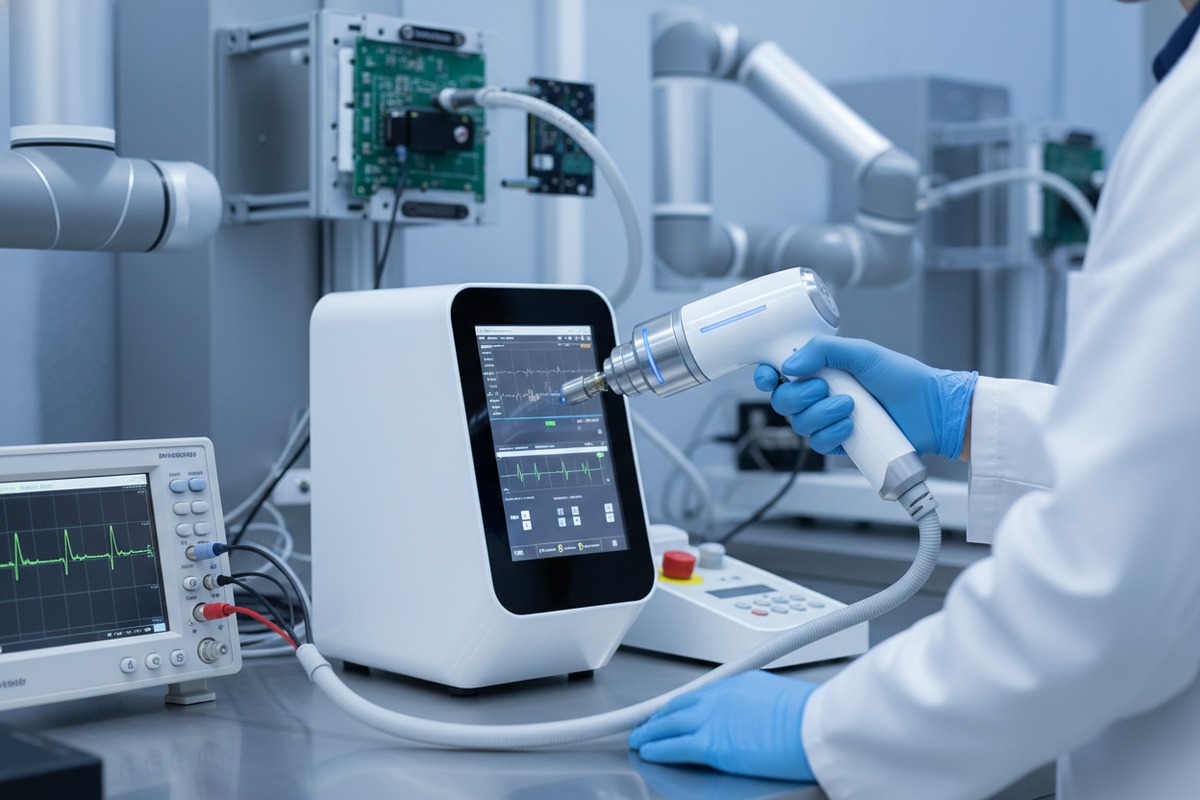
Request Functional Samples First
Never commit to large orders without hands-on evaluation. At our facility, we encourage buyers to order one or two units for clinical testing. Run these machines for 30 to 60 days under actual treatment conditions. Track pulse counts, energy consistency, and handpiece temperature. Document any drift in performance. This real-world data tells you more than any specification sheet.
Factory Audits Reveal Hidden Truths
Physical factory visits expose what brochures hide. When our clients visit Guangzhou, they inspect our assembly lines, component storage, and quality testing stations. Look for ISO certifications 4 displayed and actively implemented. Check if workers follow documented procedures. Examine how incoming components are inspected. A factory that welcomes transparency typically delivers consistent quality.
Component Sourcing Matters
The heart of any shockwave machine lies in its core components. Compressors, electromagnetic coils, and control boards determine longevity. Our engineering team sources critical parts from established suppliers with traceable quality histories. Ask your potential supplier for component origin documentation. Machines built with generic, unbranded internals often fail within 12 to 18 months.
| Verification Method | What It Reveals | Time Required |
|---|---|---|
| Sample testing | Real-world performance | 30-60 days |
| Factory audit | Production quality standards | 1-2 days |
| Component documentation | Parts reliability | 1 week |
| Third-party test reports | Independent validation | 2-3 weeks |
| Extended warranty terms | Manufacturer confidence | Immediate |
Third-Party Testing Reports
Independent laboratory reports provide objective performance data. Request certifications from recognized testing bodies. These reports verify energy output accuracy, electrical safety, and electromagnetic compatibility. For US-bound shipments, ensure the device meets FCC requirements 5 for electromagnetic emissions.
Warranty Terms Signal Confidence
Manufacturers confident in their products offer substantial warranties. Our standard warranty covers two years on main units and one year on handpieces. Extended warranty options signal that the manufacturer stands behind durability claims. Short warranties or excessive exclusions indicate potential quality concerns.
What customization options do I have for private-labeling these shockwave machines to match my clinic's aesthetic?
When our design team works with American brand owners, we see how critical visual identity becomes in competitive markets. Your machine must look like it belongs to your brand, not like a generic import. Customization transforms commodity equipment into branded assets.
Private-labeling options include custom logo placement, color matching to your brand palette, interface customization with your branding, personalized packaging design, custom user manuals, and software interface modifications—all achievable through OEM and ODM partnerships with manufacturers offering flexible production capabilities.
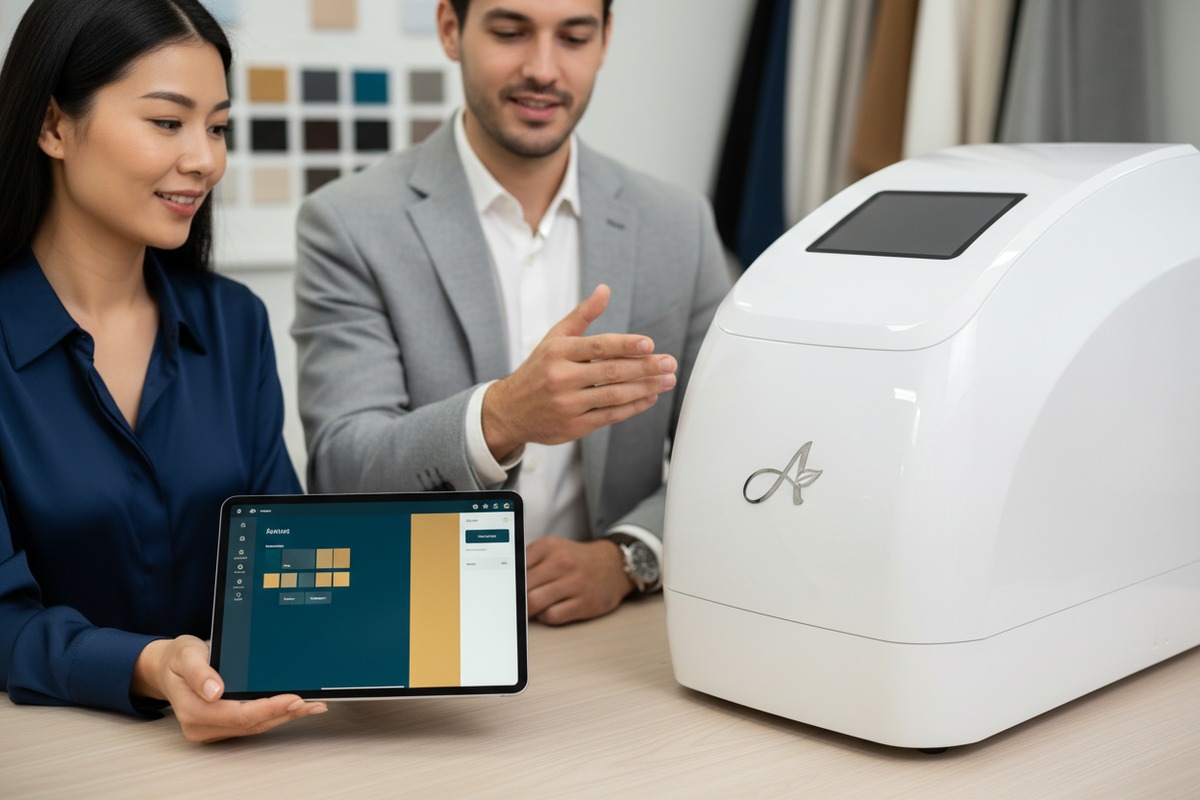
Exterior Branding Elements
Surface customization starts with logo placement. Our production line accommodates laser-engraved logos, silk-screen printing, and adhesive badge applications. Choose placement on the main unit, handpieces, and accessories. Color matching requires minimum order quantities but transforms generic white housings into distinctive brand statements. We maintain Pantone matching capabilities 6 for precise color reproduction.
Interface and Software Customization
The touchscreen interface offers significant branding opportunities. Our software team can incorporate your logo on startup screens, customize menu colors, and add your company name throughout the user interface. For ODM partnerships, we develop entirely custom interfaces matching your workflow preferences and treatment protocols.
| Customization Type | Minimum Order Quantity | Lead Time Impact |
|---|---|---|
| Logo engraving | 10 units | +3 days |
| Custom colors | 50 units | +2 weeks |
| Interface branding | 20 units | +1 week |
| Custom packaging | 30 units | +1 week |
| Full ODM development | 100 units | +6-8 weeks |
Packaging That Protects and Impresses
Your packaging communicates brand quality before clients see the device. Our packaging team designs custom boxes with your branding, protective foam inserts, and professional unboxing experiences. Durable packaging also reduces shipping damage—critical for door-to-door logistics across Pacific shipping routes.
User Documentation and Training Materials
Private labeling extends to user manuals, training videos, and marketing collateral. We provide editable documentation templates that your team can rebrand. For comprehensive partnerships, our technical writers create entirely custom manuals featuring your brand voice and specific treatment protocols.
Modular Design for Future Flexibility
Modern shockwave systems benefit from modular architecture. Our machines feature interchangeable handpiece systems and upgradeable software. This modularity means your initial investment adapts to future treatment trends without complete replacement. Your branded device grows with your business needs.
How do I ensure my supplier manages the quality control and door-to-door logistics for my US-bound shipments?
Our logistics coordinator tracks shipments daily because we understand what arrives at American ports reflects directly on your brand. A damaged machine or missing component creates customer service nightmares. Supply chain management separates professional suppliers from order-takers.
Ensure quality control and logistics management by requiring documented inspection protocols at multiple production stages, pre-shipment video inspections, professional export packaging, working with freight forwarders experienced in medical device shipping, and establishing clear communication channels for shipment tracking through final delivery.
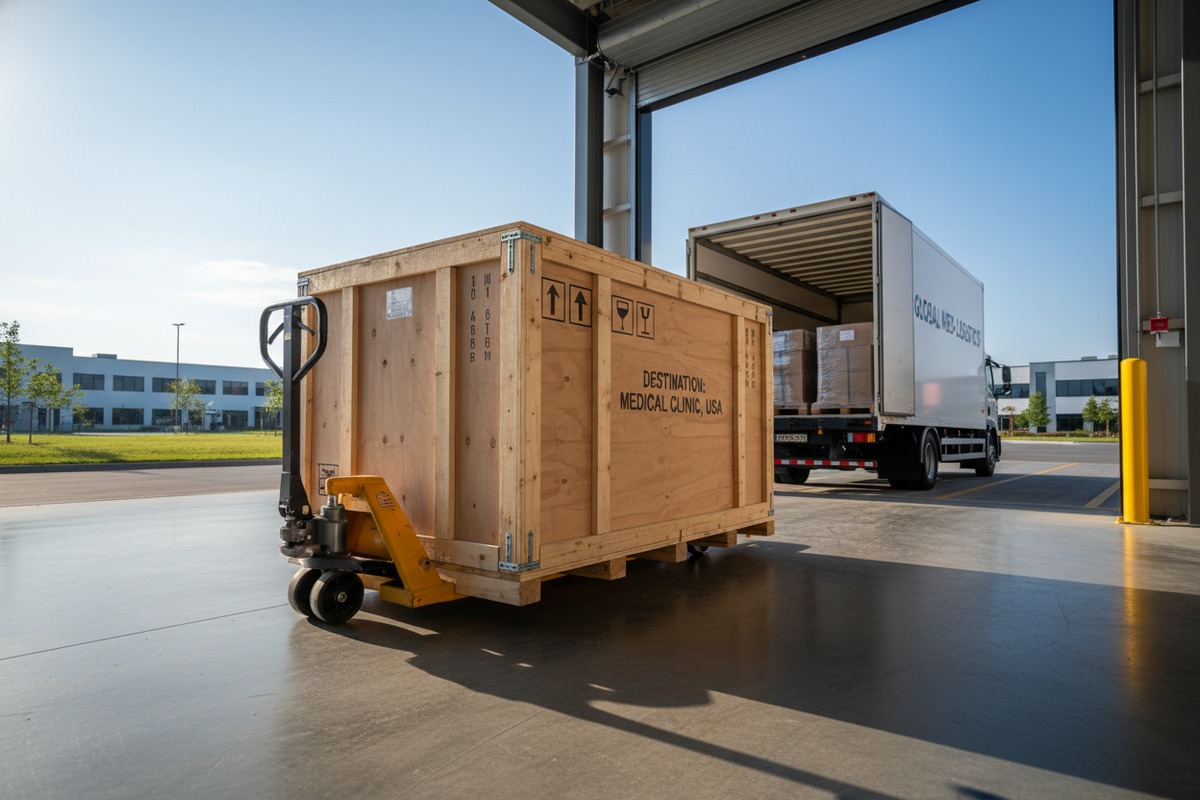
Multi-Stage Quality Control Process
Quality cannot be inspected into products at the end—it must be built throughout production. Our quality team conducts incoming component inspection, in-process verification, and final assembly testing. Each stage has documented checkpoints with photographic evidence. We share inspection reports with buyers before shipment authorization.
Pre-Shipment Inspection Protocols
Before any container leaves our facility, we conduct comprehensive pre-shipment inspections. This includes functional testing of every unit, cosmetic examination, accessory verification, and packaging integrity checks. We provide video documentation of randomly selected units undergoing power-on testing. Your team can participate virtually in these inspections.
| Quality Control Stage | Inspection Points | Documentation Provided |
|---|---|---|
| Incoming materials | Component specs, certifications | Supplier certificates |
| Sub-assembly | Wiring, board mounting | Process photos |
| Final assembly | Complete unit function | Test reports |
| Pre-shipment | Random sample testing | Video evidence |
| Packaging | Protection adequacy | Packing photos |
Export Packaging Standards
International shipping subjects equipment to vibration, humidity, temperature swings, and handling impacts. Our export packaging uses reinforced corrugated boxes, custom-cut foam inserts, moisture barrier bags, and shock indicators. Palletization follows ISPM-15 standards 7 for US customs clearance. Proper packaging prevents the damage claims that erode relationships and profits.
Door-to-Door Logistics Management
True door-to-door service means we handle everything from factory pickup to your warehouse delivery. Our logistics partners specialize in medical device shipping with appropriate insurance coverage. We manage export documentation, customs clearance coordination, and delivery scheduling. You receive tracking updates at each transit milestone.
Communication and Transparency
Supply chain problems become manageable when communication flows freely. Our team provides regular updates through WhatsApp, email, or your preferred channel. We alert you immediately to any delays or issues. Post-delivery, we follow up to confirm arrival condition and address any concerns promptly.
Which technical features should I prioritize to guarantee my shockwave therapy equipment meets the standards of my professional clients?
When our product development team designs new shockwave configurations, we consult directly with American clinic operators about their daily challenges. Professional clients demand specific capabilities that consumer-grade equipment cannot deliver. Technical specifications must match clinical realities.
Prioritize adjustable energy levels (1-5 bar for radial, higher for focused), frequency range flexibility (1-20 Hz), multiple applicator options for varied treatment areas, intuitive touchscreen interfaces with preset protocols, proven penetration depth appropriate for intended treatments, and documented clinical efficacy backed by peer-reviewed research.

Understanding Technology Categories
Your technology choice determines treatment scope and patient experience. Radial shockwave delivers energy across broader surface areas with approximately 4 cm effective depth—ideal for aesthetic applications and surface musculoskeletal conditions. Focused technology concentrates energy deeper, reaching up to 12.5 cm for deep trigger points and calcifications. Hybrid and broad-focused systems attempt to combine both advantages.
| Technology Type | Penetration Depth | Best Applications | Typical Session Price |
|---|---|---|---|
| Radial | ~4 cm | Cellulite, surface pain | <$100 |
| Focused | ~12.5 cm | Deep tissue, calcifications | >$250 |
| Broad-focused | Variable | Multiple indications | $150-300 |
| Hybrid | Adjustable | Multi-disciplinary clinics | $100-250 |
Energy and Frequency Parameters
Professional equipment requires precise parameter control. Energy levels determine treatment intensity—radial devices typically operate at 1-5 bar pressure. Frequency affects pulse delivery rate, ranging from 1-20 Hz depending on technology type. Higher frequencies treat larger areas faster. Your machine should offer adjustable parameters within clinically validated ranges.
Applicator Variety and Quality
Different treatment areas require appropriately sized applicators. A comprehensive system includes transmitters ranging from 6 mm for precise trigger point work to 36 mm for large muscle groups. Applicator construction quality directly affects patient comfort and device longevity. Our handpieces use medical-grade materials with ergonomic designs that reduce operator fatigue during extended treatment sessions.
Interface Design and Workflow Integration
Modern clinic aesthetics demand intuitive interfaces. Touchscreen controls with preset protocols accelerate staff training and ensure treatment consistency. Look for systems allowing custom protocol creation and storage. Digital integration capabilities—connecting to practice management software—streamline documentation and billing processes.
Clinical Validation and Regulatory Compliance
Professional clients expect evidence-based treatments. Prioritize equipment backed by peer-reviewed research demonstrating efficacy for intended applications. clinical efficacy 8 For US distribution, FDA clearance provides regulatory credibility essential for marketing regenerative services. Our devices maintain appropriate certifications for American market requirements.
Patient Comfort Considerations
Treatment comfort increasingly differentiates clinics in competitive markets. Water-medium transmission systems eliminate painful mechanical contact points. Adjustable intensity allows gradual patient acclimation. Comfortable treatments encourage compliance and generate referrals—directly impacting your clients' business success.
Conclusion
Choosing the right shockwave therapy machine requires balancing technology type, build quality, customization options, logistics reliability, and technical specifications against your American clients' professional standards. Partner with manufacturers who understand these requirements and support your success.
Footnotes
1. Provides an overview of FDA regulatory requirements for medical devices in the US. ↩︎
2. Explains factory audits as assessments of a facility’s quality systems and capabilities. ↩︎
3. Clarifies the differences and benefits of OEM and ODM in manufacturing. ↩︎
4. Defines ISO certification as an internationally recognized credential for quality management systems. ↩︎
5. Details the FCC’s role in regulating wireless health and medical devices. ↩︎
6. Introduces Pantone Color Systems for consistent color reproduction across various industries. ↩︎
7. Describes international phytosanitary measures for wood packaging to prevent pest spread. ↩︎
8. Explains clinical efficacy as a measure of a treatment’s desired therapeutic effect under controlled conditions. ↩︎

 English
 Español de México
 Deutsch
 Français
 العربية
 Русский
