
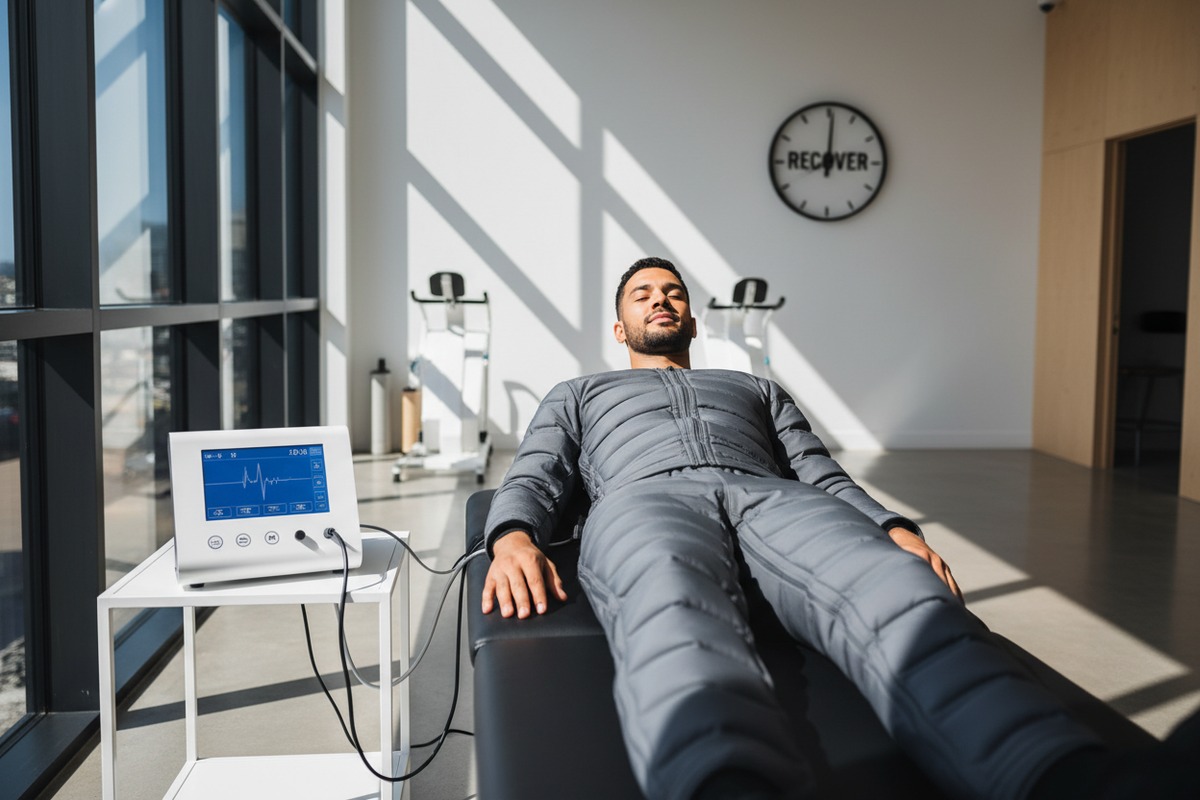
When our engineering team first developed pressotherapy systems for elite sports clients, we quickly learned one truth sequential compression technology 1. Choosing the wrong pressure setting means wasted investment and disappointed athletes. Too low, and you miss the deep muscle benefits. Too high, and you risk discomfort or injury. This gap between expectation and reality frustrates many brand owners sourcing equipment for pro-level sports recovery.
For professional athlete deep muscle recovery, select pressotherapy machines with adjustable pressure ranges from 40 to 180 mmHg, featuring sequential compression technology, 6-8 or more overlapping air chambers, and customizable cycle times between 20-30 minutes per session. These specifications ensure effective blood circulation, lactic acid removal, and accelerated muscle regeneration.
This guide walks you through the exact pressure specifications, customization options, quality verification methods, and essential features that matter most when sourcing pressotherapy equipment for professional athletes lactic acid removal 2. Let us dive into the details.
What pressure range do I need to look for to ensure my pressotherapy machine effectively aids professional athlete recovery?
In our experience shipping pressotherapy units to sports rehabilitation centers across North America and Europe, we hear this question constantly. Buyers want clear numbers. They want to know the exact mmHg range that delivers real results for their athlete clients.
Professional-grade pressotherapy machines should offer an adjustable pressure range of 40 to 180 mmHg minimum, with some advanced models reaching up to 250 mmHg. For most deep muscle recovery protocols, athletes typically use settings between 70-120 mmHg, applied through sequential compression cycles lasting 20-30 minutes.

Understanding Pressure Measurement in Pressotherapy
Pressure in pressotherapy systems is measured in millimeters of mercury (mmHg) 3. This is the same unit used for blood pressure readings. When you see a machine rated at 150 mmHg, it means the air chambers can inflate to create that level of compression against the athlete's limbs.
Professional athletes have different needs than wellness clients. Research on wheelchair athletes used 70 mmHg with 30-second inflate and 30-second deflate cycles. Studies on resistance-trained athletes tested 80 mmHg with 30-second inflate and 15-second deflate cycles. Neither group reported pain at these levels.
Pressure Ranges by Application
| Application Type | Recommended Pressure Range | Session Duration |
|---|---|---|
| Light lymphatic drainage | 20-40 mmHg | 15-20 minutes |
| General wellness | 40-60 mmHg | 20-25 minutes |
| Moderate athletic recovery | 60-80 mmHg | 20-30 minutes |
| Intense athletic recovery | 80-120 mmHg | 20-30 minutes |
| Professional deep muscle therapy | 100-180 mmHg | 25-30 minutes |
Why Higher Is Not Always Better
Many buyers assume they need the highest pressure available. This is a mistake. The key is adjustability, not maximum output. An athlete recovering from a marathon needs different settings than one preparing for a sprint event. Some days require gentle drainage at 50 mmHg. Other days demand deeper compression at 100+ mmHg.
Professional machines like those our factory produces offer 20-25 adjustable pressure levels. This lets therapists and athletes dial in the exact intensity needed for each session. Starting low and increasing gradually is the safest approach, especially when working with new athletes or those recovering from injury.
The science supports moderate benefits from pressotherapy, particularly for reducing muscle soreness 4 within 48 hours post-exercise. A 2022 meta-analysis found that pressotherapy "significantly reduced muscle soreness" in athletes, though it works best as part of a comprehensive recovery strategy rather than a standalone solution.
How can I customize the compression cycles and pressure levels to meet my brand's specific performance requirements?
When we work with brand owners developing their own pressotherapy product lines, customization always tops the priority list. Your athletes are not generic. Your brand promise is not generic. So why would you accept a one-size-fits-all compression system?
Customization involves three key areas: pressure gradient programming that allows chamber-by-chamber adjustment, cycle timing controls for inflation and deflation sequences, and pre-set program storage for different athlete protocols. Look for machines offering at least 4-6 massage programs, 20+ pressure levels, and the ability to save 50-100 custom protocols.

Chamber-by-Chamber Pressure Control
The most advanced pressotherapy systems let you set different pressure levels for each individual chamber. This matters because athlete bodies are not uniform. The calf requires different treatment than the thigh. Some athletes have tighter hamstrings that benefit from higher pressure, while others need gentler treatment for sensitive areas.
Our professional-grade units feature 6-8 overlapping air chambers in each leg sleeve. The overlapping design prevents lymphatic retraction 5 during treatment. Each chamber can be activated or deactivated independently, and pressure can be set from the distal end (feet) to the proximal end (hips) with automatic gradient calculation.
Compression Cycle Patterns
Different cycle patterns serve different recovery goals. Here are the main options:
| Cycle Pattern | How It Works | Best For |
|---|---|---|
| Sequential ascending | Chambers inflate one after another from feet upward | General lymphatic drainage |
| Peristaltic wave 6 | Rolling compression wave moves continuously | Deep muscle recovery |
| Dual-chamber hold | Two chambers maintain pressure simultaneously | Edema reduction |
| Single ascending wave | One chamber inflates while others rest | Light massage effect |
| Custom gradient | Pressure decreases automatically from distal to proximal | Professional sports protocols |
Timing Customization
Professional machines offer control over three timing elements:
- Inflation time: How long each chamber takes to fill (typically 10-45 seconds)
- Hold time: How long pressure is maintained before deflation (0-30 seconds)
- Deflation time: How quickly air releases (5-30 seconds)
Studies on athletes commonly use 30-second inflation with 15-30 second deflation cycles. But your brand may want faster or slower sequences. OEM manufacturing allows us to adjust these default settings to match your specific protocols before shipping.
Program Storage and App Integration
Modern pressotherapy systems support Bluetooth connectivity and smartphone app control. Athletes can turn the device on and off, select programs, adjust pressure in real-time, and save favorite settings for quick access. This feature is especially valuable for brands targeting tech-savvy professional athletes who expect digital integration in their recovery equipment.
When we customize machines for OEM clients, we can pre-load your branded protocols, adjust the app interface, and even integrate with wearable data if your specification requires it.
How do I verify that my manufacturer's pressotherapy equipment delivers the consistent pressure I need for deep muscle therapy?
During our factory quality control process, we test every pressotherapy unit before shipment. We understand that your reputation depends on equipment that performs exactly as specified, session after session. Inconsistent pressure delivery destroys client trust and creates returns.
Verify pressure consistency by requesting calibration certificates showing ±5-10% accuracy tolerance, demanding sample units for independent testing, requiring documentation of pressure sensor quality, and establishing clear acceptance criteria in your purchase contracts. Professional machines should maintain rated pressure within 10% tolerance across all chambers throughout the session.
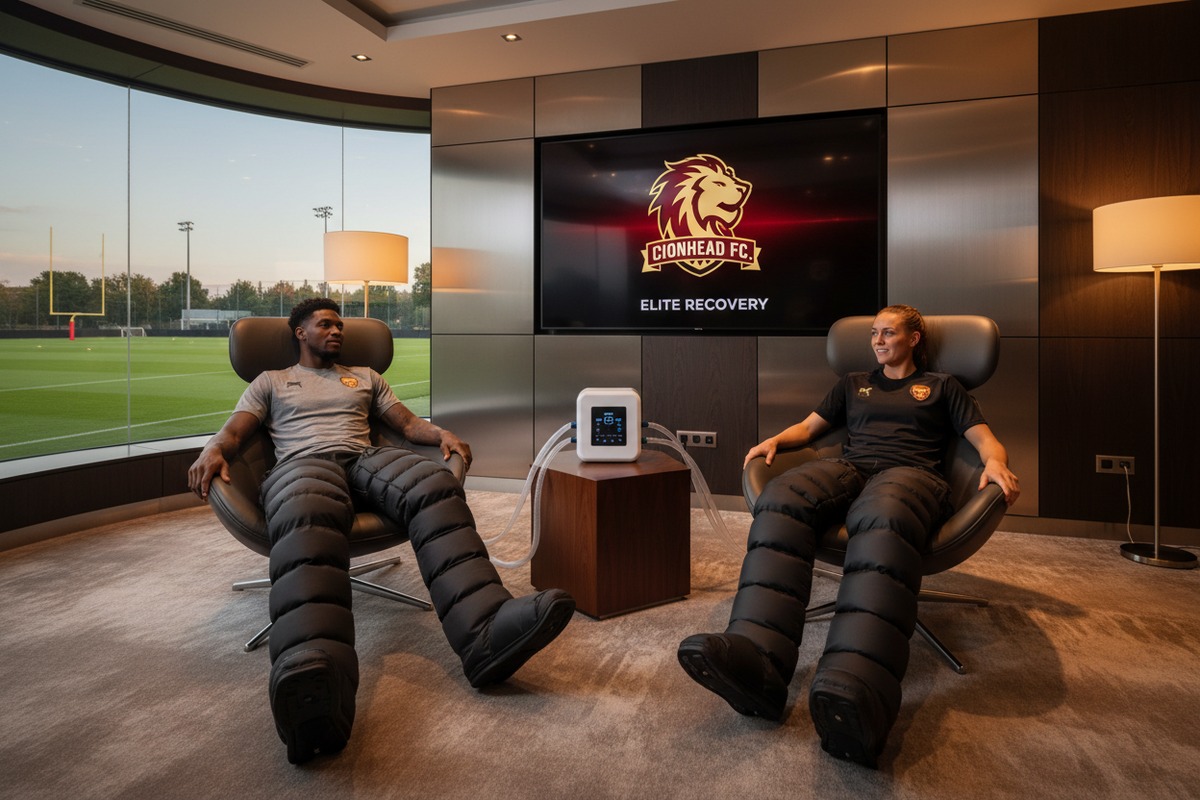
Key Quality Verification Methods
Before placing bulk orders, smart buyers perform due diligence on their supplier's quality control capabilities. Here is what to check:
Calibration Documentation: Request the manufacturer's calibration certificates 7. Professional pressotherapy machines should be calibrated against certified reference standards. The certificate should show the date of calibration, reference equipment used, and measured accuracy tolerance.
Sample Unit Testing: Order sample units and test them independently. Use a calibrated pressure gauge to verify that actual chamber pressure matches the display reading. Test at multiple pressure levels (low, medium, high) across all chambers.
Pressure Sensor Specifications: Ask about the pressure sensors used in the machine. Premium compression sensors provide accurate readings and consistent performance over time. Lower-quality sensors drift and produce inconsistent results after months of use.
Pressure Consistency Standards
| Specification | Professional Grade | Consumer Grade |
|---|---|---|
| Pressure accuracy | ±5-10% of set value | ±15-20% of set value |
| Chamber-to-chamber variance | <10% | <20% |
| Session-to-session consistency | <5% drift | <15% drift |
| Sensor calibration interval | Annual | Not specified |
| Pressure range certification | Yes, with documentation | Rarely provided |
In-Production Quality Control
When we manufacture pressotherapy units for our B2B clients, we implement multiple quality checkpoints:
- Component inspection: Verify pump, sensors, and tubing meet specifications
- Assembly verification: Check all connections and chamber integration
- Initial pressure test: Confirm each chamber reaches rated pressure
- Cycle testing: Run multiple complete cycles to check consistency
- Final calibration: Compare output to reference standard
- Documentation: Record all test results for traceability
Long-Term Performance Monitoring
Professional athletes use pressotherapy equipment daily. Your machines must maintain performance over thousands of sessions. Ask your manufacturer about:
- Expected pump lifespan (minimum 2,000-5,000 hours of operation)
- Chamber material durability (should resist stretching and air leakage)
- Warranty terms covering pressure accuracy
- Availability of replacement parts and service support
Our factory provides 2-year warranties on devices and offers international service support. We also supply detailed operation logs that help you track performance over time.
What features should I prioritize to ensure my pressotherapy machines handle the high-intensity demands of my pro-level sports clients?
Our team has equipped professional sports facilities, physiotherapy clinics, and elite training centers worldwide. We have learned which features matter most when equipment faces daily heavy use. Pro athletes push harder, expect faster results, and have zero tolerance for equipment failure.
Prioritize machines with 6-8 overlapping air chambers for precise pressure distribution, industrial-grade pumps rated for continuous operation, sequential ascending compression with gradient control, full-body coverage options (legs, arms, hips, abdomen), and durable construction with easy-clean materials. Integration with biometric data and AI-driven protocol adjustment represents the cutting edge for elite sports applications.

Essential Features for Professional Sports Use
The difference between consumer-grade and professional-grade pressotherapy equipment shows in the details. Here is what separates machines that satisfy pro athletes from those that disappoint:
Chamber Count and Design: Consumer machines often have 4 chambers. Professional units feature 6-8 overlapping chambers per limb. More chambers mean smoother pressure transitions and more uniform coverage. The overlapping design prevents lymphatic retraction, ensuring fluid moves consistently toward the heart.
Compression Technology: Look for sequential ascending compression with true peristaltic action. This mimics the body's natural lymphatic flow, pushing from the extremities toward the core. Some professional machines offer up to 13 operating modes, including specialized programs for cellulite reduction, edema treatment, and athletic regeneration.
Feature Comparison Table
| Feature | Consumer Grade | Professional Grade | Elite Sports Grade |
|---|---|---|---|
| Air chambers per limb | 4 | 6-8 | 8-12 |
| Pressure range | Up to 120 mmHg | Up to 180 mmHg | Up to 250-260 mmHg |
| Pressure levels | 5-10 | 20-25 | 25+ with gradient |
| Program modes | 2-3 | 6-10 | 13+ with custom storage |
| Full-body options | Legs only | Legs, arms | Legs, arms, hips, abdomen |
| App control | No | Optional | Standard |
| Pump rating | Intermittent use | Extended use | Continuous operation |
| Build materials | Plastic housing | Reinforced plastic | Medical-grade construction |
Integration with Recovery Stacking
Elite athletes do not rely on pressotherapy alone. They combine it with cryotherapy, percussive therapy, targeted stretching, and proper nutrition. The best pressotherapy machines integrate into this "recovery stacking 8" approach.
Some advanced systems now combine compression with hot and cold therapy. Others connect with wearable devices to pull heart rate variability 9 and muscle oxygenation data. While AI-driven protocol adjustment is still emerging, forward-thinking brands are preparing for machines that analyze athlete data and automatically adjust pressure and timing.
Timing and Protocol Considerations
Research suggests specific timing matters for effectiveness. Use pressotherapy 1-2 hours post-exercise for optimal results. Sessions typically last 20-30 minutes. Athletes may benefit from daily or every-other-day use during intense training blocks, with 4-5 sessions weekly being common among elite performers.
The best machines allow you to set session duration limits, automatic shut-off, and countdown timers. These features prevent overuse and ensure consistent protocol adherence across your athlete population.
Durability and Maintenance
Professional environments demand equipment that survives heavy daily use. Look for:
- Moisture-resistant, easy-clean chamber materials
- Reinforced tubing connections
- Industrial-grade air pumps with long operational lifespans
- Easy access to replacement sleeves and parts
- Clear maintenance schedules and service support
When our factory produces pressotherapy systems for professional sports brands, we design for durability first. Every component is selected to handle the demands of elite athletic recovery.
Conclusion
Choosing the right pressotherapy machine pressure for professional athlete recovery comes down to adjustable range, customization options, quality verification, and durable professional-grade features. Prioritize 40-180 mmHg adjustability, sequential compression with gradient control, and 6-8 overlapping chambers. Partner with manufacturers who offer OEM customization, rigorous quality control, and reliable after-sales support. Your athletes deserve equipment that performs consistently, session after session.
Footnotes
1. Explains the mechanism of sequential compression technology in therapy devices. ↩︎
2. Directly links sequential compression to lactic acid removal for athlete recovery. ↩︎
3. Defines mmHg as a unit of pressure, commonly used in medicine. ↩︎
4. Explains what muscle soreness (DOMS) is and when it typically occurs. ↩︎
5. Describes how the lymphatic system moves fluid, relevant to preventing retraction. ↩︎
6. Describes the wave-like action of dynamic compression, similar to a peristaltic wave. ↩︎
7. Highlights the importance of calibration certificates for equipment accuracy and compliance. ↩︎
8. Provides various methods for speeding up muscle recovery, aligning with the concept of stacking. ↩︎
9. Defines heart rate variability as a physiological phenomenon. ↩︎

 English
 Español de México
 Deutsch
 Français
 العربية
 Русский
