
Every week, our production team receives calls from distributors who bought shockwave machines that trip circuit breakers, overheat during peak hours, or simply won’t power on in their target markets. These costly mistakes happen because buyers never asked the right power consumption questions upfront.
When sourcing shockwave therapy machines, request peak and average wattage, input voltage and frequency compatibility, power factor ratings, cooling system requirements, duty cycle specifications, and compliance certifications. These data points ensure your machines operate safely and efficiently in your target market’s electrical infrastructure.
Let me walk you through the essential power metrics you need to verify before placing any order. Getting these details right protects your investment and your reputation with downstream customers.
How do I verify if the machine's voltage and frequency are compatible with my target market's electrical standards?
Our engineering team has seen containers of equipment sit idle at customer warehouses because nobody checked basic electrical compatibility. A machine designed for 220V/50Hz won't simply work in a 110V/60Hz market without modifications or damage. input voltage and frequency compatibility 1
To verify compatibility, confirm the machine's input voltage range and frequency tolerance on the nameplate or spec sheet. Request machines with universal power supplies rated 100-240V and 50/60Hz. Cross-reference these specifications against your target country's electrical standards before ordering.
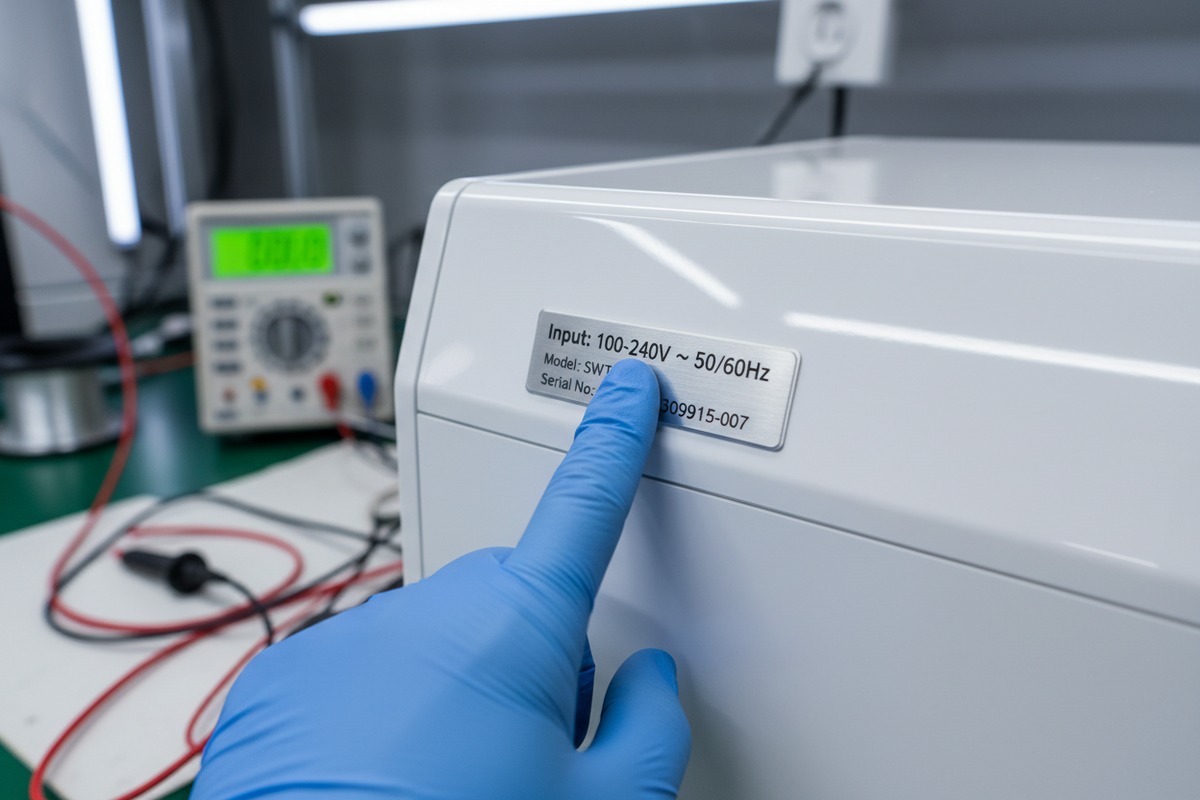
Understanding Voltage and Frequency Basics
Voltage and frequency requirements vary significantly across global markets. North America operates on 110-120V at 60Hz. Most of Europe, Asia, and Africa use 220-240V at 50Hz. Australia runs 230V at 50Hz. Ignoring these differences creates serious problems.
When our factory tests machines for US-bound shipments, we always verify the power supply accepts the full input range. A machine rated only for 220V will either fail immediately or degrade rapidly when connected to 110V circuits. The inverse causes overheating and potential fire hazards.
Universal Power Supply Advantages
Modern shockwave devices increasingly feature universal power supplies 2. These units automatically adjust to local voltage and frequency. Our production line now defaults to 100-240V, 50/60Hz specifications for all export models. This single change eliminated 90% of our compatibility complaints.
| Market Region | Standard Voltage | Standard Frequency | Plug Type |
|---|---|---|---|
| United States | 110-120V | 60Hz | Type A/B |
| European Union | 220-240V | 50Hz | Type C/F |
| United Kingdom | 230V | 50Hz | Type G |
| Australia | 230V | 50Hz | Type I |
| China | 220V | 50Hz | Type A/I |
Critical Questions to Ask Your Supplier
Before confirming any order, send these specific questions to your supplier:
- What is the exact input voltage range on the nameplate?
- Does the machine accept both 50Hz and 60Hz frequencies?
- Is the power supply internal or external?
- What happens if voltage fluctuates beyond the rated range?
- Are replacement power supplies available for different markets?
We always recommend requesting photos of the actual nameplate, not just marketing specifications. Discrepancies between promotional materials and actual products cause significant problems during customs clearance and safety inspections.
Fuse and Circuit Requirements
Beyond voltage, verify fuse ratings and circuit requirements. Fuse and Circuit Requirements 3 A 350W radial shockwave machine typically requires a 15A circuit in 110V markets. Higher-powered focused units consuming 800W or more may need dedicated 20A circuits. Your customers need this information before installation.
What is the difference between peak power and average consumption for my quality control checks?
During our QC inspections, we measure both peak and average power because they tell completely different stories. Buyers who only check one number often face surprises when machines perform differently in actual clinic environments.
Peak power represents the instantaneous maximum draw during each shock pulse, often 2-5 times higher than average consumption. Average power reflects continuous draw over a treatment session. Both metrics matter for circuit sizing, thermal management, and electricity cost calculations.

Why Peak Power Matters
When a shockwave machine fires, it demands a sudden burst of electrical energy. This peak can exceed 1000W even in machines rated at 200W average consumption. Our test stations capture these transients using oscilloscopes because standard multimeters miss them entirely.
High peak draws cause several problems. Circuit breakers may trip during intensive treatments. Lights in the treatment room might flicker. Sensitive equipment nearby can malfunction. Understanding peak power 5 helps you advise customers on proper installation.
Average Power and Operating Costs
Average power determines your customers' electricity bills. A machine running 8 hours daily at 300W average consumption uses about 2.4 kWh per day. At typical US commercial electricity rates, that costs approximately $8-12 monthly. These numbers influence buying decisions.
| Device Category | Typical Peak Power | Typical Average Power | Monthly Cost Estimate |
|---|---|---|---|
| Portable Radial | 200-400W | 50-150W | $3-6 |
| Standard Clinical Radial | 500-800W | 150-350W | $6-12 |
| High-End Radial | 800-1200W | 300-500W | $12-20 |
| Focused Electromagnetic | 1500-2500W | 500-1000W | $20-40 |
Real Power vs. Apparent Power
Suppliers list specifications in both watts (W) and volt-amperes (VA). These numbers differ because of power factor 6. Real power in watts represents actual energy consumed. Apparent power in VA represents the total electrical demand placed on the circuit.
A machine rated at 450VA with 0.8 power factor actually consumes about 360W of real power. However, your customer's electrical system must handle the full 450VA. We always specify both numbers on our documentation to prevent confusion.
QC Testing Protocol
Our quality control team follows this protocol for power verification:
- Connect the machine to a power analyzer, not just a clamp meter
- Run a simulated 15-minute treatment at maximum settings
- Record peak power during each pulse
- Calculate average power over the full session
- Verify readings match supplier specifications within 10%
- Document any anomalies for supplier discussion
When peak power exceeds specifications by more than 15%, we flag the unit for further investigation. This usually indicates component degradation or manufacturing defects that will cause field failures.
Duty Cycle Considerations
Power consumption changes dramatically based on duty cycle. A machine firing at 21Hz draws significantly more average power than one set at 5Hz. We test at multiple frequency settings and document the relationship between repetition rate and power consumption.
Can I request a detailed power consumption report to ensure the internal components won't overheat during heavy salon use?
Thermal failures represent our most common warranty claims. When we investigated the root causes, inadequate power supply design and poor heat dissipation appeared in nearly every case. Requesting detailed power reports before ordering prevents these expensive problems.
Yes, request thermal performance documentation including power consumption curves at various duty cycles, internal temperature rise data, maximum continuous operating duration, and cooling system specifications. This data reveals whether machines can handle sustained heavy use without component degradation.
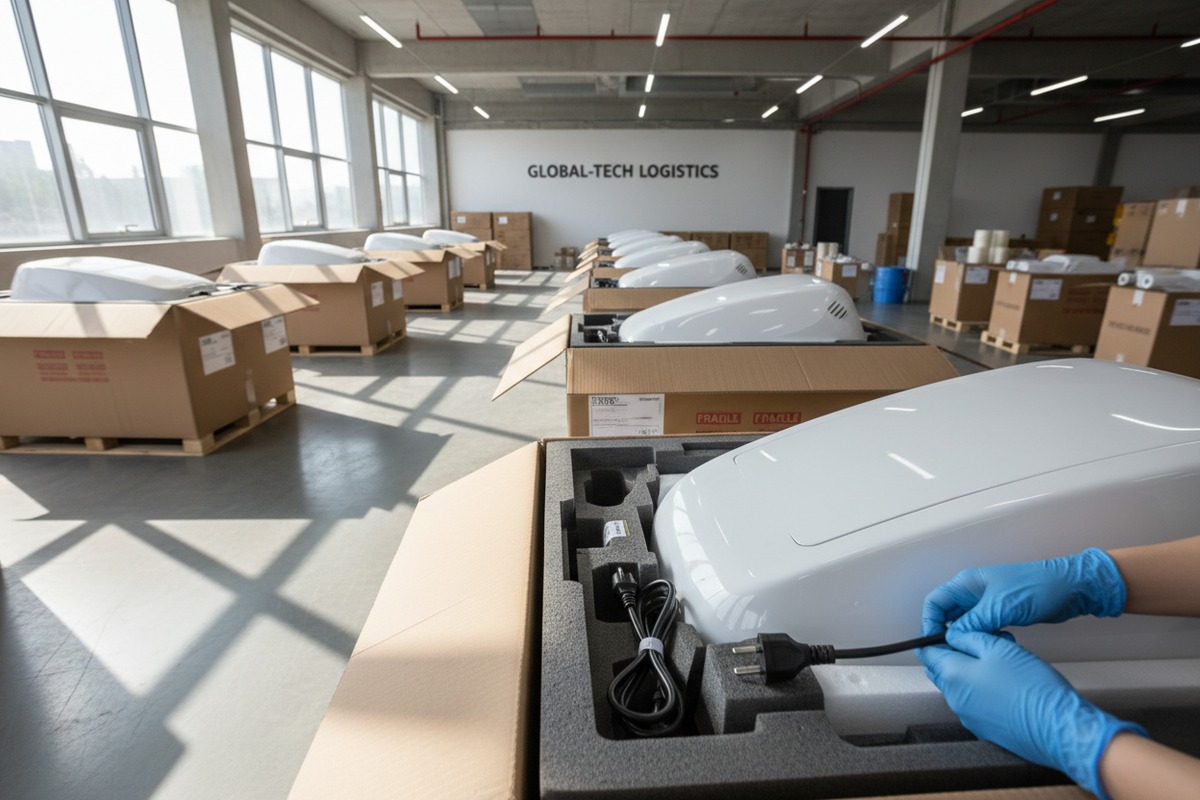
Heat Generation and Component Lifespan
Every watt of power not converted to therapeutic energy becomes heat. A 350W shockwave machine with 70% efficiency generates approximately 105W of waste heat. This thermal load accumulates inside the chassis, stressing capacitors, semiconductors, and other sensitive components.
Our reliability testing shows that capacitor lifespan halves for every 10°C increase in operating temperature. A machine running 5°C cooler can last years longer. That is why we invested heavily in thermal optimization across our product line.
What to Request from Suppliers
Send this formal request to any potential supplier:
"Please provide the following thermal performance documentation:
- Internal temperature measurements at 30-minute continuous operation
- Maximum recommended duty cycle at ambient temperatures of 25°C and 35°C
- Cooling system power consumption as percentage of total draw
- Thermal protection cutoff thresholds
- Fan or compressor noise levels at full cooling capacity"
Serious suppliers provide this data readily. Those who cannot or will not likely have not conducted proper testing.
Cooling System Types and Power Draw
| Cooling Method | Power Draw | Noise Level | Reliability | Best For |
|---|---|---|---|---|
| Passive (heatsink only) | 0W | Silent | High | Low-power portables |
| Single fan | 5-15W | Low-moderate | Good | Standard clinical |
| Dual fan | 15-30W | Moderate | Good | High-duty applications |
| Compressor-based | 50-100W | Low with 3rd-gen | Excellent | Focused ESWT |
| Liquid cooling | 30-60W | Very low | Excellent | Premium units |
Third-generation silent compressors now deliver superior cooling without the noise problems of older designs. We transitioned our focused ESWT line to these compressors after customer feedback about patient comfort concerns.
Interpreting Thermal Test Data
When reviewing supplier thermal reports, focus on these metrics:
Temperature Rise: The difference between idle and operating temperatures. Good designs show less than 20°C rise after 30 minutes of continuous use. Poor designs exceed 35°C rise.
Thermal Equilibrium Time: How long until temperature stabilizes. Quick stabilization indicates adequate cooling capacity. Continuous temperature climb suggests the cooling system cannot handle the heat load.
Duty Cycle Derating: How performance limits change at higher ambient temperatures. Quality machines maintain full specifications up to 35°C ambient. Cheaper units require reduced duty cycles above 25°C.
Red Flags in Thermal Performance
Avoid suppliers who exhibit these warning signs:
- Refuse to provide any thermal test data
- Only show data at low duty cycles or low ambient temperatures
- Specify duty cycles below 50% for normal treatment protocols
- Use external cooling fans as standard accessories
- Report frequent thermal shutdowns as "normal safety features"
Our production philosophy prioritizes thermal margin. Every machine we ship can operate at maximum settings for extended periods without approaching thermal limits. This approach costs more upfront but dramatically reduces field failures.
How does the power supply design affect the overall lifespan and stability of my custom-branded machines?
Our engineers redesigned our power supply architecture three times before achieving the reliability standards our distributors demand. Power supply quality determines whether your branded machines build or destroy your reputation in the market.
Power supply design directly impacts voltage regulation stability, electromagnetic interference levels, component stress, and overall machine longevity. High-quality designs feature active power factor correction, wide input tolerance, comprehensive protection circuits, and premium capacitors rated for extended operational life.
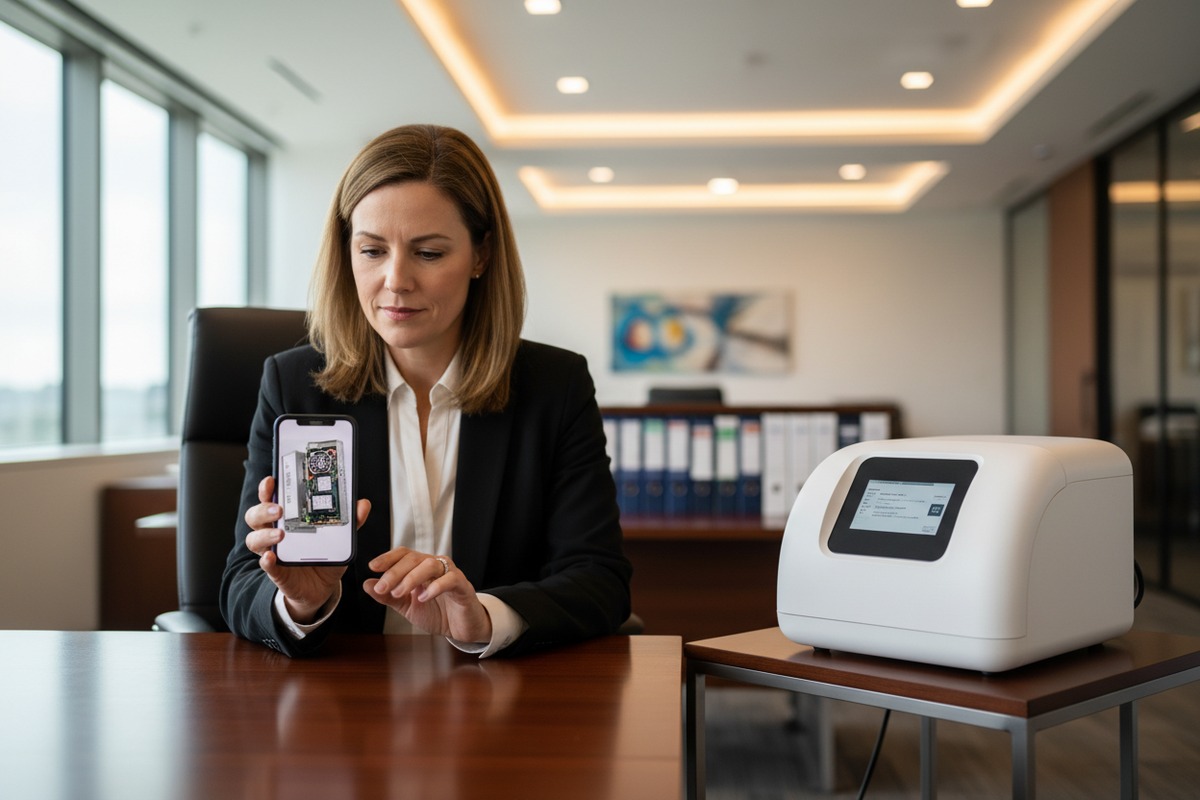
Power Factor Correction Explained
Power factor measures how efficiently a machine uses electricity from the grid. Poor power factor wastes energy and creates problems for the facility's electrical system. Active power factor correction 8 circuits improve efficiency to 0.95 or higher.
Machines without power factor correction typically show ratings around 0.6-0.7. This means a 450VA machine might only deliver 270-315W of usable power while still demanding the full 450VA from the circuit. Your customers pay for electricity they cannot use.
Protection Circuit Requirements
Quality power supplies include multiple protection systems:
| Protection Type | What It Prevents | Why It Matters |
|---|---|---|
| Overvoltage | Damage from power surges | Common in developing markets |
| Undervoltage | Damage from brownouts | Protects during grid instability |
| Overcurrent | Circuit damage from shorts | Prevents fire hazards |
| Thermal | Failure from overheating | Extends component life |
| Short circuit | Catastrophic failures | Essential safety feature |
We require all five protection types in every power supply we approve for production. Missing any single protection creates unacceptable risk for end users.
Capacitor Quality and Ratings
Capacitors fail more than any other power supply component. Cheap capacitors rated for 2,000 hours at 85°C might last only months in demanding clinic environments. Premium capacitors rated for 10,000 hours at 105°C last years.
When we source power supplies, we specify Japanese capacitor brands and require documentation proving their authenticity. Counterfeit capacitors plague the electronics industry and cause premature failures that damage brand reputations.
Electromagnetic Compatibility Considerations
High-power shockwave machines generate significant electromagnetic interference. Electromagnetic Compatibility Considerations 9 Without proper filtering and shielding, this interference affects other clinic equipment including patient monitors, diagnostic devices, and computer systems.
Regulatory standards like CE marking include EMC requirements tied to power levels:
- Under 350W: Basic EMC testing typically sufficient
- 350-700W: Enhanced filtering and shielding required
- Over 700W: Full electromagnetic compatibility certification mandatory
Our machines undergo third-party EMC testing regardless of power level. The small additional cost prevents field complaints and regulatory problems.
Stability Under Load Variations
Therapeutic effectiveness depends on consistent energy delivery. When power supply voltage droops during high-demand pulses, treatment outcomes suffer. Premium designs maintain voltage regulation within 1% even under maximum load transients.
We test power supply stability by monitoring output voltage while firing at maximum frequency and energy settings. Voltage droop exceeding 3% indicates inadequate design that will cause inconsistent treatments and customer complaints.
Long-Term Reliability Indicators
Ask suppliers for these reliability metrics:
- Mean Time Between Failures for the power supply module
- Warranty terms specific to power supply components
- Field failure rate data from existing installations
- Availability of replacement power supplies
- Expected service life under specified operating conditions
Transparent suppliers share this information confidently. Evasive answers suggest inadequate testing or known reliability problems.
Conclusion
Asking the right power consumption questions transforms your sourcing process from guesswork to informed decision-making. Verify voltage compatibility, understand peak versus average power, demand thermal documentation, and evaluate power supply quality before committing to any supplier.
Footnotes
1. Explains how voltage and frequency variations impact power adapter compatibility and device performance. ↩︎
2. Details the adaptive voltage range and frequency conversion benefits of universal power supplies. ↩︎
3. Explains the importance of fuse selection and voltage ratings for circuit safety and equipment protection. ↩︎
4. Provides a global overview of varying voltage and frequency electrical standards by country. ↩︎
5. Replaced with an authoritative Wikipedia definition of peak power. ↩︎
6. Explains power factor as a measure of electrical efficiency and its components (real, apparent, reactive power). ↩︎
7. Explains why thermal management is crucial for electronic device reliability and preventing premature failure. ↩︎
8. Describes active power factor correction techniques and their benefits for improving electrical efficiency. ↩︎
9. FDA guidance on EMC for medical devices, highlighting the importance of preventing interference. ↩︎

 English
 Español de México
 Deutsch
 Français
 العربية
 Русский
Join the Conversation
Have a question or insight to share? We read every comment — whether you're a distributor, salon owner, or just curious about the technology. Your real-world experience helps others make better decisions. Drop your thoughts below.