

Every month, our production lines ship hundreds of shockwave therapy machines overseas Safety Stock Calculations 1. Yet we keep hearing the same frustration from US partners: units stuck in customs, damaged stock, or compliance headaches that cost thousands. These problems erode margins and damage brand reputation fast.
To manage US warehousing and distribution for shockwave therapy machines from China, you need FDA-compliant 3PL partners, pre-shipment quality inspections, proper customs documentation, temperature-controlled storage facilities, and real-time inventory tracking systems that ensure consistent stock levels and regulatory compliance throughout your supply chain.
Below, we break down each critical step. You will learn how to streamline logistics, protect quality, coordinate branding, and maintain reliable lead times. Let us dive in.
How can I simplify my door-to-door logistics from China to my US warehouse?
Managing international freight for medical devices feels overwhelming at first. Our shipping team handles this daily, and we have seen simple mistakes turn into costly delays. The good news? A clear system makes everything smoother.
To simplify door-to-door logistics, partner with freight forwarders experienced in medical devices, prepare accurate HS codes and FDA documentation before shipping, use bonded warehouses for duty deferral, and consolidate shipments to reduce per-unit costs while maintaining compliance with CBP and FDA entry requirements.

Understanding the Import Process
When we prepare shipments at our Guangzhou facility, documentation starts before the container leaves the dock. Your Chinese supplier must provide compliant labeling, FDA establishment registration details, and accurate product descriptions. Missing paperwork triggers FDA holds at US ports.
The HS code for shockwave therapy devices 2 typically falls under 9018.90. This matters because Section 301 tariffs 3 add roughly 25% to your landed cost. Plan for this expense upfront. Many importers get surprised by duties they did not budget for.
Choosing the Right Freight Method
| Shipping Method | Transit Time | Cost Level | Best For |
|---|---|---|---|
| Ocean Freight | 30-60 days | Low | Large bulk orders |
| Air Freight | 5-10 days | High | Urgent restocks |
| Ocean + Air Hybrid | 20-30 days | Medium | Balanced approach |
Ocean freight works best for planned inventory. Air freight saves urgent situations but multiplies costs. Our clients often use ocean for regular stock and reserve air for emergency replenishment.
Working with Freight Forwarders
Not all forwarders understand medical device requirements. Ask potential partners these questions:
- Do you handle Class II medical devices 4 regularly?
- Can you manage FDA prior notice submissions?
- Do you have experience with bonded warehouse transfers?
Experienced forwarders prevent delays. They know which documents customs officers want to see. They understand temperature requirements during transit. This expertise costs slightly more but saves headaches.
Bonded Warehouse Strategy
Bonded warehouses 5 let you defer duty payments until goods enter US commerce. This improves cash flow significantly. You only pay tariffs when you actually need the inventory. For shockwave machines with 25% duties, this strategy frees up working capital.
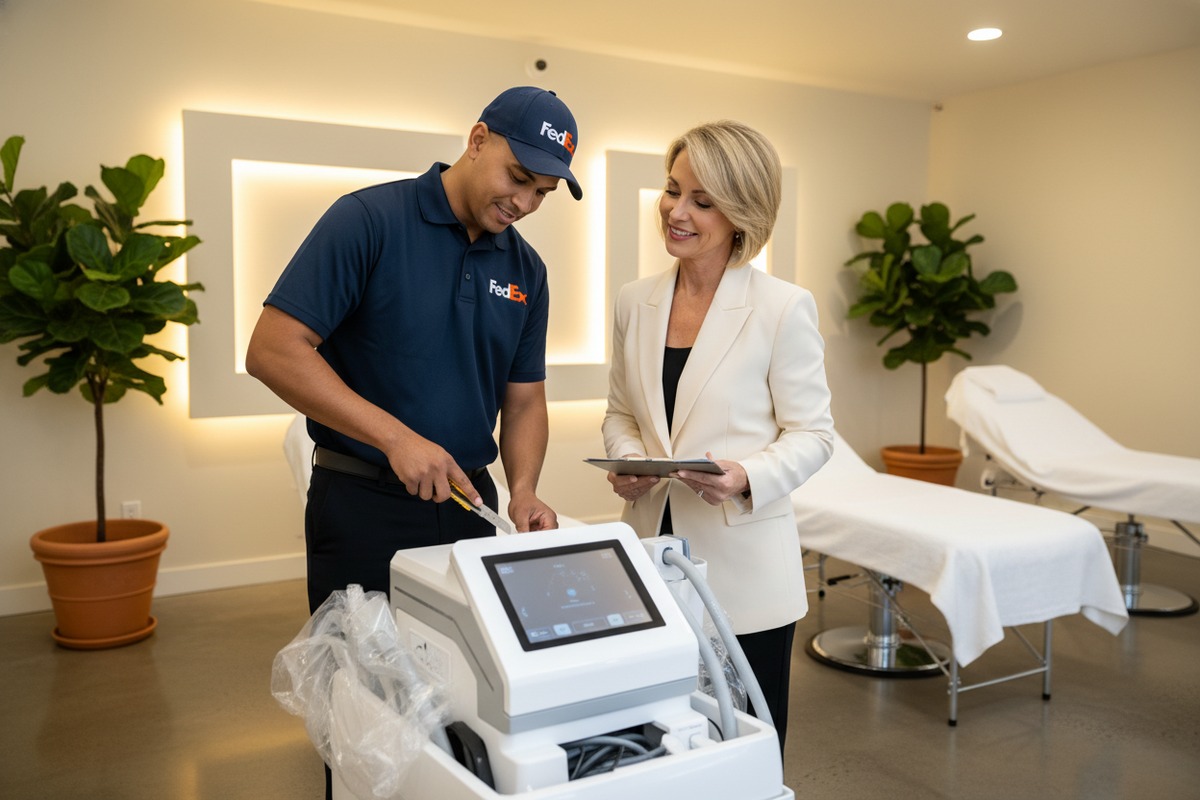
We recommend establishing relationships with bonded facilities near major ports like Los Angeles or New York. Shorter transfers from port to warehouse reduce handling damage risk.
What quality control measures will protect my US distribution from faulty shockwave therapy machines?
In our experience exporting to the US market, quality failures create the biggest financial losses. One defective batch damages your reputation with clinics and triggers expensive returns. Prevention costs far less than correction.
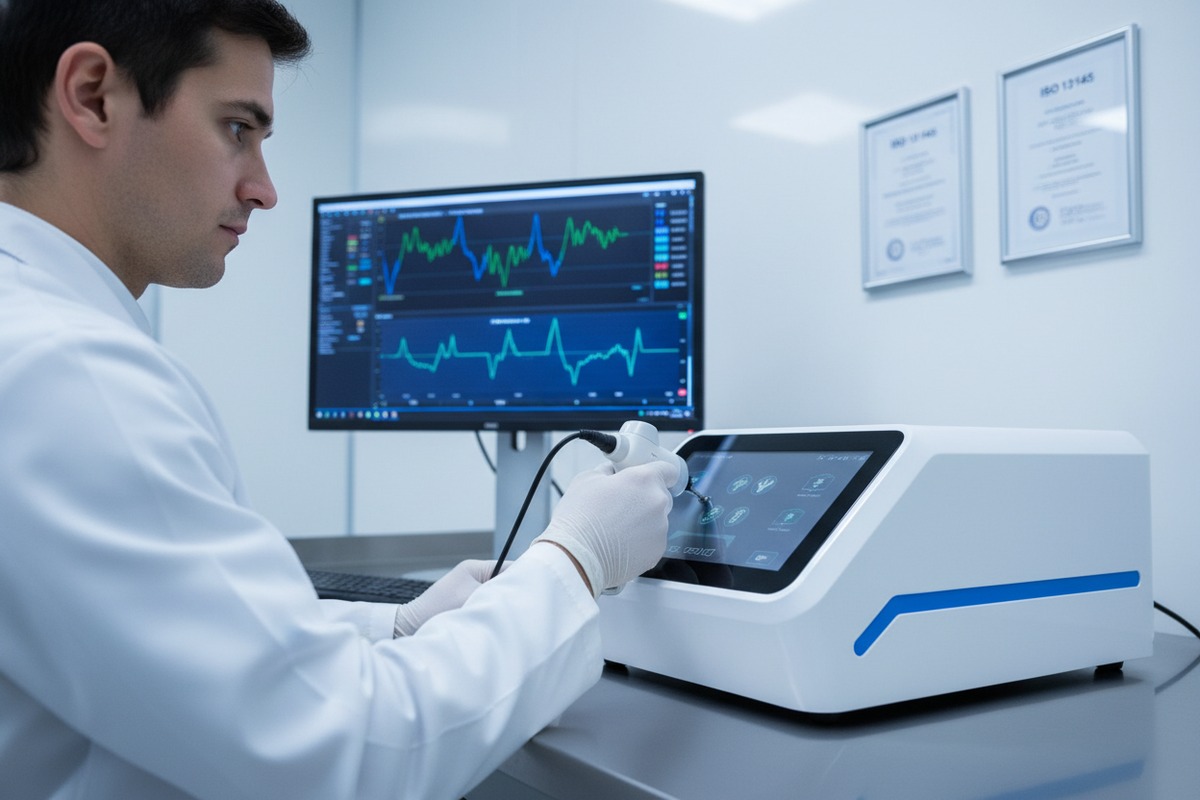
Protect your US distribution by implementing pre-shipment inspections at the factory, requiring ISO 13485 certification from suppliers, conducting incoming quality checks at US warehouses, establishing clear defect criteria and rejection protocols, and maintaining detailed documentation for traceability and potential recall management.
Pre-Shipment Inspection Protocol
Before any container leaves our factory, we conduct comprehensive testing. Your inspection checklist should cover:
- Functional testing of all treatment modes
- Visual inspection for cosmetic defects
- Packaging integrity verification
- Documentation completeness check
- Serial number and labeling accuracy
Third-party inspection services add another verification layer. Companies like SGS or Bureau Veritas send inspectors to Chinese factories. They report directly to you, providing unbiased assessments.
Certification Requirements
| Certification | What It Covers | Why It Matters |
|---|---|---|
| ISO 13485 6 | Quality management systems | Required for medical device credibility |
| CE Marking | European compliance | Indicates tested safety standards |
| FDA 510(k) 7 | US market clearance | Legal requirement for Class II devices |
| GMP Compliance | Manufacturing practices | Ensures consistent production quality |
When we calibrate our shockwave generators, ISO 13485 protocols guide every step. This certification proves systematic quality control exists throughout manufacturing. Demand this documentation from any supplier.
Incoming Warehouse Inspections
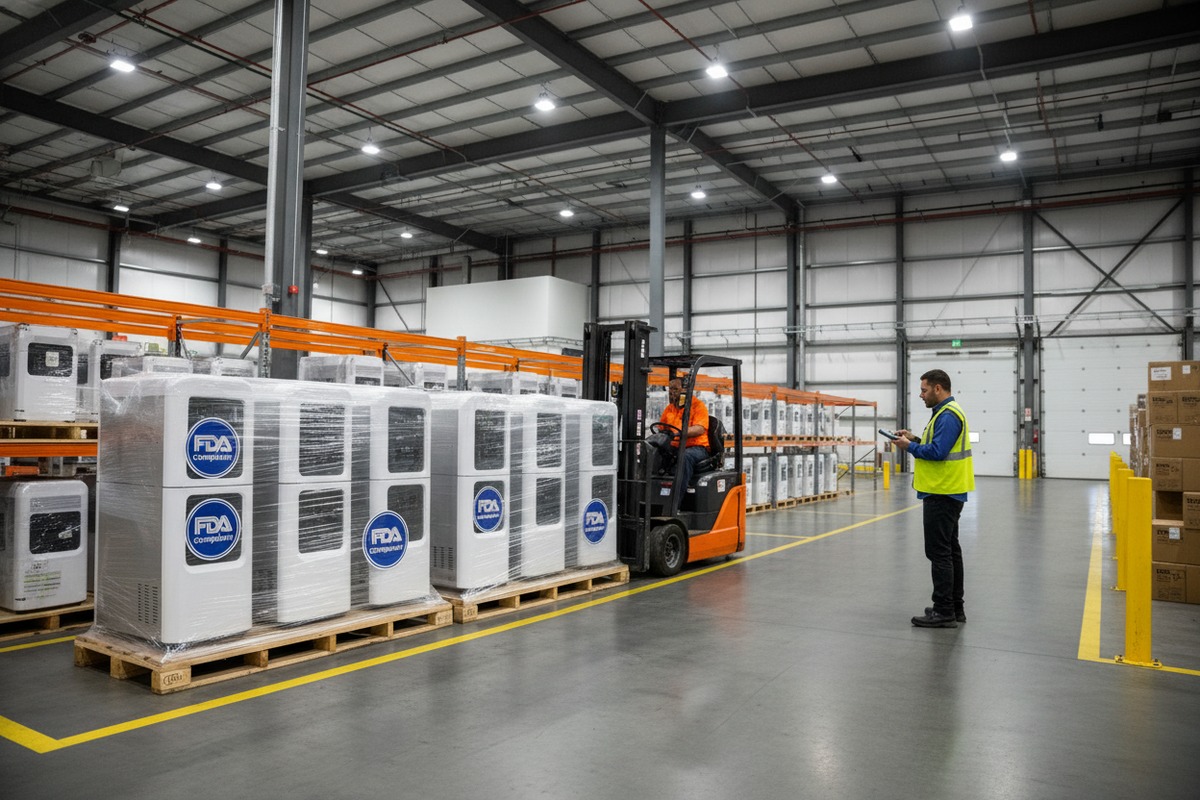
Quality checks should not stop at the factory. When shipments arrive at your US warehouse, conduct receiving inspections. This catches transit damage and verifies quantities. Reject unsellable units before they enter inventory.
Train warehouse staff on specific defect criteria. What counts as acceptable? What requires rejection? Clear guidelines prevent disputes and ensure consistency. Document everything with photos and inspection reports.
Traceability Systems
Every shockwave machine needs unique identification. Serial numbers, batch codes, and manufacturing dates enable traceability. If problems emerge later, you can identify affected units precisely. This limits recall scope and reduces costs.
Our production team embeds traceability data into each unit's documentation. QR codes link to manufacturing records. This system helps US distributors manage their inventory with confidence.
Handling Defective Units
Despite best efforts, some defects slip through. Establish clear return and replacement procedures with your supplier. Negotiate warranty terms before problems occur. Good suppliers stand behind their products with responsive support.
How do I coordinate custom branding and packaging for my US-bound inventory?
Our design team works with US brands daily on private-label projects. We understand that packaging represents your brand at first contact. Getting this right requires clear communication and realistic timelines.
Coordinate custom branding by providing complete design files early, specifying exact Pantone colors and materials, approving physical samples before mass production, allowing adequate lead time for customization, and ensuring all labeling meets FDA requirements for medical device identification and safety information.
Design File Requirements
When you send branding specifications, include everything your manufacturer needs:
- Vector logo files (AI, EPS, or PDF format)
- Pantone color codes for exact matching
- Typography specifications with licensed fonts
- Packaging dimensions and structural requirements
- Regulatory text and warning labels
Incomplete files cause delays. Our graphics team cannot guess your brand standards. Provide comprehensive style guides upfront to avoid revision cycles.
Sample Approval Process
Never skip physical samples. Digital mockups look different from printed materials. Request pre-production samples showing:
| Sample Type | Purpose | Typical Timeline |
|---|---|---|
| Color proof | Verify Pantone matching | 5-7 days |
| Structural sample | Check box construction | 7-10 days |
| Complete sample | Full packaging review | 10-14 days |
Approve samples in writing before mass production begins. This protects both parties from disputes about appearance or quality.
FDA Labeling Compliance
Medical device labels must include specific information. Your custom packaging needs:
- Device name and model number
- Manufacturer name and address
- US agent contact information
- Intended use statement
- Necessary warnings and contraindications
- UDI (Unique Device Identifier) 8 requirements
Our regulatory team reviews label designs for compliance before printing. This prevents costly reprints when FDA requirements get missed.
Lead Time Planning
Custom branding adds time to production schedules. Standard products ship faster than customized versions. Plan your orders accordingly:
- Artwork approval: 1-2 weeks
- Sample production: 2-3 weeks
- Mass production: 3-4 weeks
- Shipping to US: 4-6 weeks
Total lead time for custom-branded orders typically reaches 10-15 weeks. Rush requests cost more and risk quality compromises. Build realistic timelines into your inventory planning.
Packaging Durability for Transit
Shockwave machines contain sensitive electronics. Packaging must protect against:
- Vibration during ocean freight
- Stacking pressure in containers
- Temperature fluctuations
- Humidity exposure
- Handling impacts
We design packaging with foam inserts, reinforced corners, and moisture barriers. Your branded exterior needs equal attention to structural protection.
How can I ensure reliable lead times to keep my US shockwave therapy machine stock consistent?
When we plan production schedules, predictability matters most to our US partners. Stockouts lose sales. Overstocking ties up capital. Finding balance requires systematic planning and strong supplier relationships.
Ensure reliable lead times by forecasting demand accurately using historical data, maintaining safety stock buffers, establishing clear production schedules with suppliers, monitoring order status throughout manufacturing, and building contingency plans for shipping disruptions or component shortages.
Demand Forecasting Methods
Accurate forecasts prevent both stockouts and overstock. Analyze these data sources:
- Historical sales patterns by month and season
- Marketing campaign schedules and expected impact
- Regional healthcare trends and clinic openings
- Competitor activity and market share shifts
- Economic indicators affecting equipment purchases
Our account managers review forecast data with clients quarterly. This collaboration improves prediction accuracy and production planning.
Safety Stock Calculations
Buffer inventory absorbs supply chain variability. Calculate safety stock based on:
| Factor | Impact on Safety Stock |
|---|---|
| Lead time variability | Higher variance = more buffer |
| Demand variability | Unpredictable sales = more buffer |
| Service level target | 98%+ fulfillment = more buffer |
| Supplier reliability | Less reliable = more buffer |
Most US distributors maintain 4-8 weeks of safety stock. This covers typical shipping delays and demand spikes without excessive carrying costs.
Production Visibility
Knowing where your order stands prevents surprises. We provide clients with:
- Order confirmation with production start dates
- Weekly progress updates during manufacturing
- Quality inspection reports before shipping
- Shipping notifications with tracking numbers
- Estimated arrival dates and customs status
This transparency lets you adjust plans based on real information rather than assumptions.
Managing Supplier Relationships
Strong relationships improve reliability. Treat your Chinese supplier as a partner, not just a vendor. Regular communication builds mutual understanding. Visit factories when possible. Meet the teams producing your products.
Suppliers prioritize partners who communicate clearly and pay promptly. Build goodwill during normal times. It helps when problems arise.
Contingency Planning
Despite best efforts, disruptions happen. Prepare for:
- Port congestion and shipping delays
- Component shortages affecting production
- Quality issues requiring rework
- Tariff changes increasing costs
- Geopolitical events disrupting trade
Maintain relationships with backup suppliers. Keep some air freight budget available for emergencies. Diversify warehousing across multiple US regions to reduce single-point risks.
Regional Distribution Strategy
Decentralized US warehousing improves delivery speed. Consider facilities in:
- West Coast (Los Angeles area) for Asia imports
- Central US (Dallas or Chicago) for nationwide reach
- East Coast (New Jersey or Atlanta) for eastern markets
Multiple locations reduce last-mile delivery times. Clinics receive orders faster. Customer satisfaction improves.
Conclusion
Managing US warehousing and distribution for shockwave therapy machines requires attention to logistics, quality, branding, and inventory planning. Work with experienced partners. Invest in compliance. Build systems that create consistency. Your US market success depends on getting these fundamentals right.
Footnotes
1. Provides methods for determining optimal buffer inventory levels. ↩︎
2. Explains the Harmonized System code for medical devices. ↩︎
3. Provides context on specific tariffs impacting imported goods. ↩︎
4. Defines a regulatory classification for medical devices. ↩︎
5. Original link was HTTP unknown; replaced with an authoritative U.S. Customs and Border Protection (CBP) page defining bonded warehouses. ↩︎
6. Original BSI Group page was 404; replaced with a working, authoritative page from the same certification body providing an overview of ISO 13485. ↩︎
7. Explains the premarket submission required for many medical devices. ↩︎
8. Original FDA page was 404; replaced with an updated, authoritative FDA page on UDI basics. ↩︎

 English
 Español de México
 Deutsch
 Français
 العربية
 Русский
