

When our production team receives urgent calls from distributors with failed shockwave units, we understand the panic behind every message ISO 13485-certified quality control protocols 1. Equipment downtime means lost revenue, frustrated patients, and damaged reputations. The question is not whether failures will happen, but how quickly your supplier can respond.
To evaluate suppliers for rapid replacement units, verify their lead times through documented shipping records, demand ISO 13485-certified quality control protocols, confirm door-to-door logistics capabilities, and assess their ability to maintain your private-label standards during urgent fulfillments. These four pillars determine true supplier reliability.
Let me walk you through each critical evaluation area so you can build a supplier relationship that protects your business when equipment fails.
How can I verify a supplier's lead time for shipping my replacement shockwave units?
Our logistics team tracks every shipment from factory floor to clinic door Service Level Agreements 2. We have learned that promises mean nothing without proof. The gap between quoted lead times and actual delivery can destroy your clinical operations IEC 60601-1 electrical safety compliance 3.
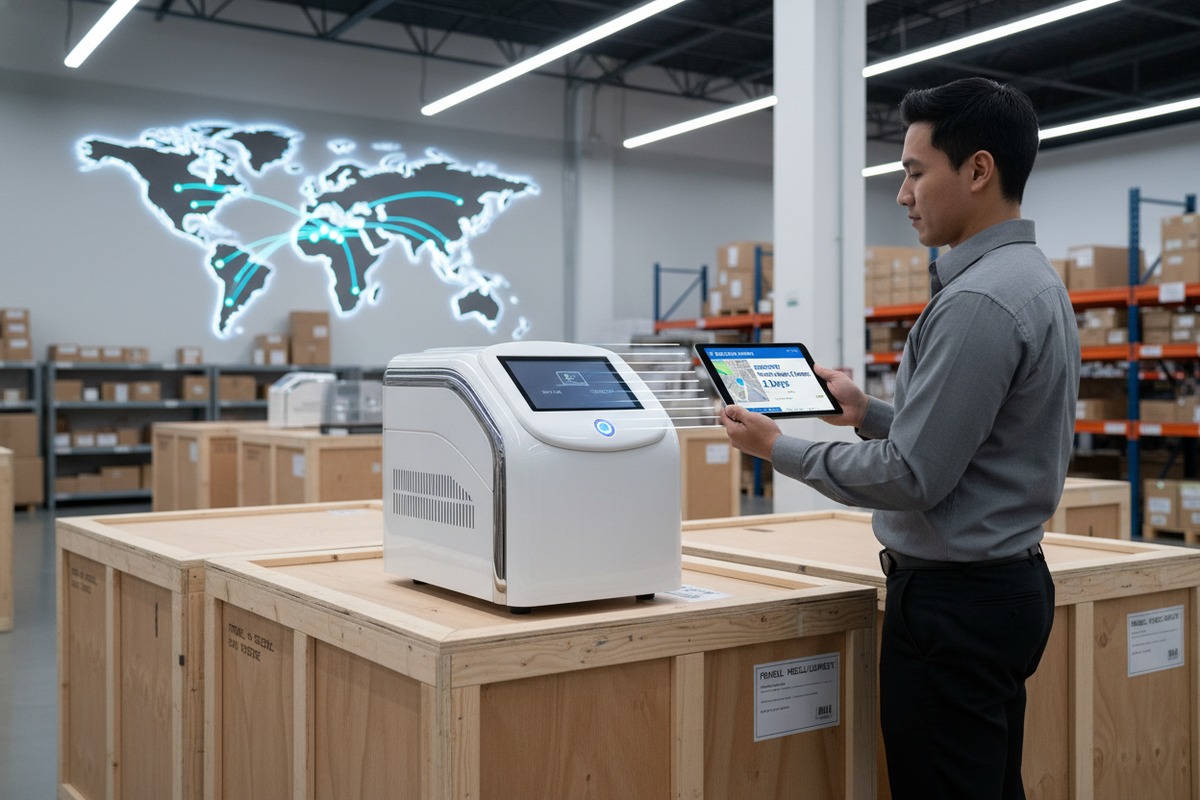
Verify supplier lead times by requesting documented shipping records from previous orders, confirming regional warehouse locations, checking carrier partnerships, and negotiating Service Level Agreements with penalties for delays. Reliable suppliers provide tracking transparency and maintain safety stock specifically for urgent replacements.
Why Lead Time Verification Matters
Every day your shockwave machine sits idle costs money DDP (Delivered Duty Paid) shipping options 4. A single treatment session can generate $150-300 in revenue. Multiply that by the days waiting for a replacement, and losses compound quickly brand asset management systems 5. Our experience shipping to US and European markets has taught us that verified lead times separate professional suppliers from unreliable ones.
When evaluating any supplier, ask for shipping documentation from their last ten urgent replacement orders. This reveals patterns. Some suppliers quote 5-day delivery but consistently deliver in 12 days. Others quote 7 days and deliver in 5. The records tell the truth.
Key Verification Steps
| Verification Method | What It Reveals | Red Flags to Watch |
|---|---|---|
| Historical shipping records | Actual vs. quoted delivery times | Consistent delays beyond quoted times |
| Regional warehouse audit | Stock availability near your market | No inventory outside manufacturing country |
| Carrier partnership documentation | Shipping reliability and speed options | Single carrier dependency |
| SLA review with penalty clauses | Supplier confidence in their logistics | Refusal to include penalties |
| Safety stock inquiry | Dedicated replacement unit inventory | No dedicated urgent replacement stock |
Regional Warehouse Networks
Suppliers with global distribution networks offer significant advantages. When we established partnerships with logistics hubs in Los Angeles and Rotterdam, our average delivery time to US clinics dropped from 14 days to 4 days. Ask your potential supplier where they hold inventory. A supplier manufacturing only in China with no regional stock cannot guarantee rapid replacement to North American markets.
Service Level Agreement Essentials
Negotiate SLAs that include specific response windows. Within 24 hours of failure report, the supplier should confirm replacement availability. Within 48 hours, shipment should be dispatched. Maximum allowable downtime should be defined—typically 5-7 business days for international shipments. Include financial penalties for non-compliance. Suppliers confident in their logistics will accept these terms.
What quality control protocols should I demand for my rapid replacement machine components?
In our factory, we test every single unit before it leaves the production line. Not random sampling—100% functional testing. This commitment comes from years of seeing how quality shortcuts create replacement nightmares for our distribution partners.
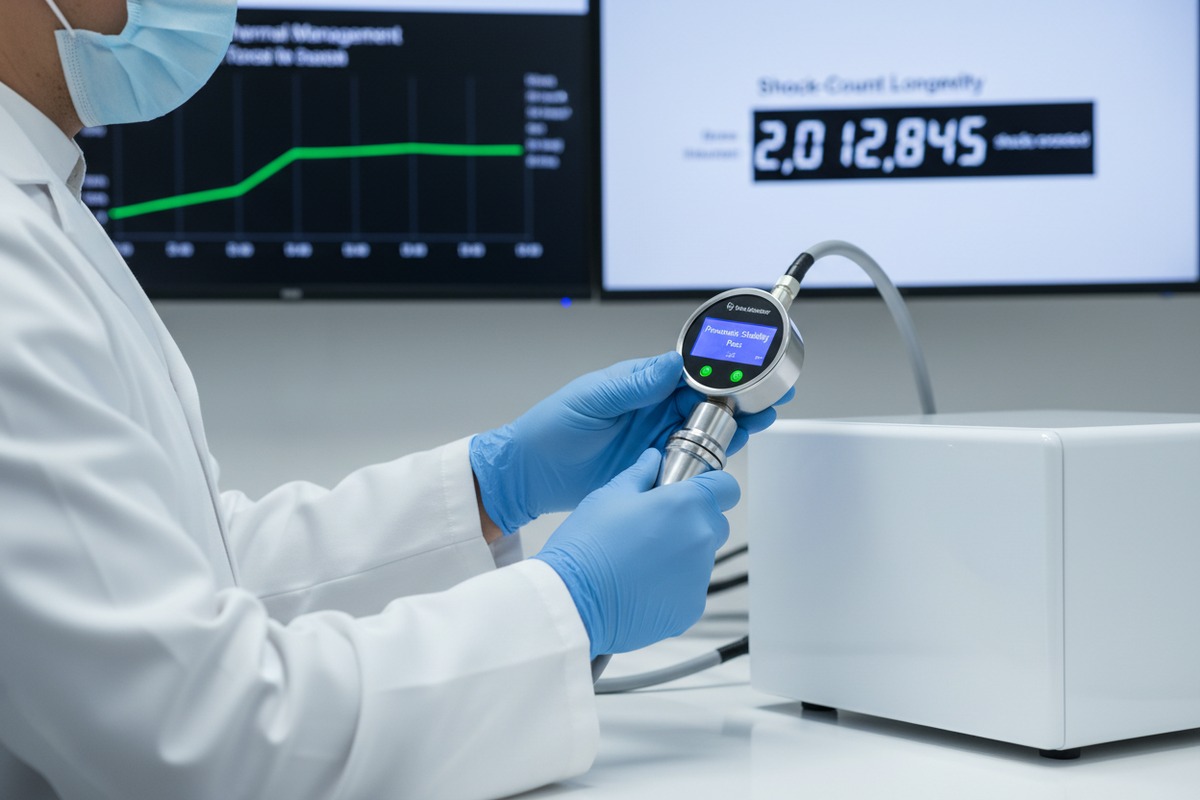
Demand 100% functional testing on all units, pneumatic pressure stability within ±10% deviation, handpiece thermal management under 45°C, and component longevity certifications exceeding 2 million shocks. Additionally, require ISO 13485 certification, IEC 60601-1 electrical safety compliance, and documented batch traceability for rapid replacement components.
The Connection Between QC and Replacement Frequency
Quality control directly impacts how often you need replacements. When our engineering team implemented stricter pressure calibration protocols, warranty claims from our US partners dropped by 34% within one year. Better QC means fewer failures, which means your rapid replacement system gets tested less frequently—and works better when you truly need it.
Critical Quality Metrics
| Quality Parameter | Acceptable Standard | Testing Frequency |
|---|---|---|
| Pneumatic pressure stability | < ±10% deviation after 2,000 shocks | Every unit |
| Handpiece temperature | < 45°C at continuous max power | Every unit |
| Projectile longevity | > 2 million shocks before deformation | Batch sampling + documentation |
| Electrical leakage current | IEC 60601-1 compliant | Every unit |
| Energy output accuracy | ±5% of displayed settings | Every unit |
| Compressor durability | > 5,000 operating hours | Component certification |
Documentation You Must Request
Ask for quality control certificates that accompany each shipment. These should include serial numbers, test dates, technician signatures, and specific measurement results. Vague quality statements mean nothing. Our QC department generates 12-page test reports for each shockwave unit because our partners need evidence, not promises.
Batch Traceability for Replacements
When a component fails, traceability enables rapid diagnosis. batch traceability 6 If your supplier can identify exactly which production batch a failed unit came from, they can immediately check other units from that batch. This prevents sending you another defective replacement from the same problematic batch. Our serial number system links every component to its manufacturing date, material supplier, and assembly technician.
Third-Party Verification
Consider requesting third-party inspection reports. Independent testing laboratories provide unbiased quality assessment. While this adds cost, it offers protection against suppliers who falsify internal QC records. For high-volume partnerships, this investment pays for itself through reduced replacement demands.
Will my manufacturer handle the door-to-door logistics for my urgent shockwave therapy replacements?
Our service team manages shipments from our Guangzhou warehouse directly to clinic addresses across three continents. We learned early that leaving logistics to chance creates chaos during emergencies. Not all manufacturers offer this level of support.
Reliable manufacturers handle complete door-to-door logistics including export documentation, customs clearance assistance, carrier coordination, and final-mile delivery tracking. Verify this capability by requesting logistics flow documentation, confirming DDP (Delivered Duty Paid) shipping options, and reviewing their track record with previous urgent shipments to your specific market.

What Door-to-Door Actually Means
Many suppliers claim door-to-door service but deliver only to the port. True door-to-door logistics means the replacement unit arrives at your clinic or warehouse with no intermediate handling required from you. During an equipment emergency, you cannot afford to arrange customs brokers, domestic freight, and final delivery yourself.
Logistics Capability Assessment
| Logistics Component | Questions to Ask | Acceptable Answers |
|---|---|---|
| Export documentation | Who prepares commercial invoices and packing lists? | Supplier handles all export paperwork |
| Customs clearance | Do you offer DDP shipping? | Yes, with established broker network |
| Carrier options | Which carriers do you partner with? | Multiple options including express (DHL, FedEx, UPS) |
| Tracking transparency | Can I track shipments in real-time? | Yes, with automated status updates |
| Final-mile delivery | Who arranges delivery from port to my address? | Supplier coordinates through local partners |
| Packaging for air freight | Are replacement units packaged for express shipping? | Pre-packaged in air-freight-compliant containers |
The Hidden Complexity of International Shipping
Medical device shipping involves more complexity than standard commercial goods. Customs authorities may require additional documentation for Class II medical devices 7. Some countries impose specific labeling requirements. When our team ships to Canada, we include Health Canada compliance documentation. For European shipments, we ensure CE marking paperwork 8 accompanies every unit. Ask your supplier if they understand these market-specific requirements.
Express vs. Economy Shipping Options
For urgent replacements, standard ocean freight takes 25-35 days to North America. This is unacceptable for clinic emergencies. Verify that your supplier offers express air freight options with 3-5 day delivery windows. Yes, this costs more per shipment—sometimes $400-800 additional depending on unit size and destination. But compare that to the revenue lost during extended downtime.
Communication During Transit
When replacement units are in transit, you need updates. Good suppliers provide daily tracking reports for urgent shipments. They notify you of customs clearance status, domestic handoff, and expected delivery windows. Our logistics coordinators send WhatsApp updates to partners because email delays can cost critical hours during emergencies.
How do I evaluate if a supplier's replacement system can maintain my private-label brand standards?
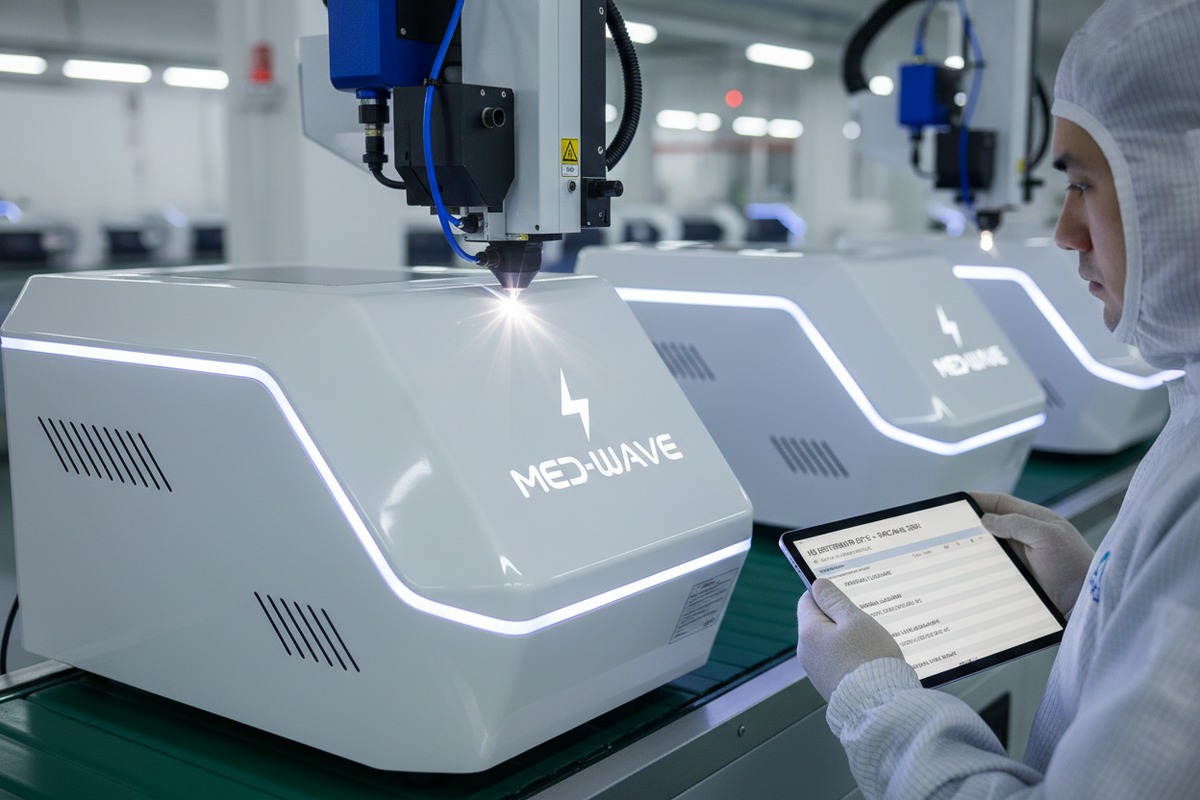
When our OEM partners send urgent replacement requests, they need more than a working machine. They need a machine that looks, feels, and performs exactly like their branded original. Our production team maintains separate branding configurations for each private-label partner specifically for this reason.
Evaluate private-label maintenance capability by auditing the supplier's brand asset management systems, confirming they stock your specific branded components, verifying color and logo consistency protocols, and reviewing their procedures for urgent branded production runs. Suppliers must demonstrate they can replicate your exact specifications within rapid replacement timelines.
Why Brand Consistency Matters During Replacements
Your distributors and end-users recognize your brand. When they receive a replacement unit, it must match their original purchase exactly. Different logo placement, wrong color shade, or generic packaging destroys brand trust. We have seen distributors lose accounts because replacement units looked different from original orders. The clinic assumed the replacement was counterfeit or inferior.
Brand Asset Management Requirements
| Brand Element | Consistency Requirement | Verification Method |
|---|---|---|
| Logo placement | Exact position and size match | Pre-production approval samples |
| Color matching | Pantone-verified consistency | Color swatch comparison |
| Packaging design | Identical box design and materials | Packaging sample retention |
| User manual branding | Your brand throughout documentation | Manual template verification |
| Software interface | Your logo on startup screen | Software configuration audit |
| Accessory labeling | Branded labels on all components | Component sample review |
Inventory Strategy for Branded Replacements
Sophisticated suppliers maintain dedicated inventory for major private-label partners. This means your branded units are pre-assembled and ready for immediate shipment. Ask your supplier: Do you hold my branded finished goods in inventory? Or do you manufacture each replacement from scratch? Manufacturing from scratch adds 7-14 days to delivery—unacceptable for urgent replacements.
Pre-Production Approval Process
Establish a clear approval workflow for replacement units. Even during emergencies, you should receive photos of the branded unit before shipment. Our team sends WhatsApp images showing logo placement, packaging configuration, and accessory arrangement. This 30-minute approval step prevents shipping errors that create bigger problems.
Documentation Continuity
Replacement units need matching serial number formats, warranty cards, and registration systems. If your original units use a specific serial number structure, replacements must follow the same pattern. This maintains your warranty tracking and customer service systems. Disjointed documentation creates confusion and potential liability issues.
Quality Parity Between Original and Replacement
Some suppliers treat replacement units as lower priority, using B-grade components or skipping certain tests. Demand written confirmation that replacement units undergo identical quality control to original production runs. Your brand reputation depends on every unit performing identically, regardless of whether it was an initial order or emergency replacement.
Conclusion
Evaluating suppliers for rapid replacement capability requires looking beyond device specifications. Verify lead times with documented evidence, demand rigorous quality control protocols, confirm comprehensive door-to-door logistics, and ensure your private-label standards will be maintained under pressure. The supplier you choose becomes your operational partner—choose one who performs when equipment fails.
Footnotes
1. Found a working page on the original domain (BSI) explaining ISO 13485 for medical devices. ↩︎
2. Defines SLAs as contracts between providers and customers, outlining service levels and performance expectations. ↩︎
3. Describes IEC 60601-1 as the fundamental standard for medical electrical equipment safety and performance. ↩︎
4. Defines DDP Incoterms where the seller assumes all responsibilities and costs for delivering goods, including import clearance. ↩︎
5. Found a clear explanation of brand asset management systems from a reputable source (Marvia). ↩︎
6. Found a working page on the original domain (IGZ) defining batch traceability. ↩︎
7. Describes Class II medical devices as moderate risk, requiring special controls beyond general controls. ↩︎
8. Replaced with an authoritative source (European Medicines Agency) providing an overview of CE marking for medical devices. ↩︎

 English
 Español de México
 Deutsch
 Français
 العربية
 Русский
