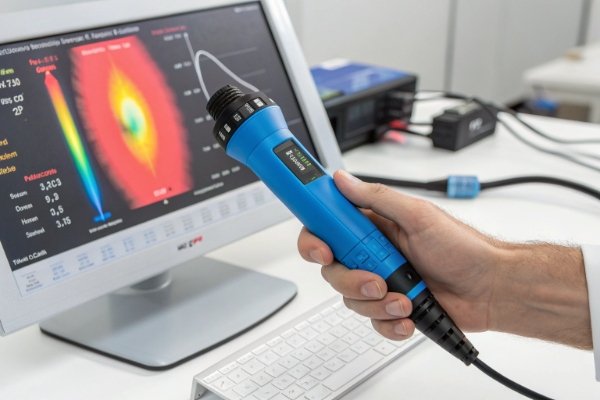
As the manufacturer, I often receive questions from buyers who notice that the handpiece feels warm or even hot after long sessions. Here’s what actually happens inside.
Yes, the handpiece of a shockwave therapy machine can overheat during extended or high-intensity operation due to internal friction, energy conversion, and insufficient cooling, but modern devices integrate sensors, cooling systems, and usage protocols to prevent long-term damage or patient risk.
Understanding why this happens helps buyers and users identify which design choices truly prevent heat buildup.
What operational factors lead to handpiece overheating in shockwave machines?
As the manufacturer, I see overheating most often linked to human habits, not poor design. Overuse, blocked vents, or skipped maintenance can push any handpiece beyond its safe temperature.
The main operational factors that lead to handpiece overheating include continuous operation beyond the rated duty cycle, high frequency and pressure settings, blocked ventilation ports, and worn internal parts that increase frictional heat inside the projectile chamber.
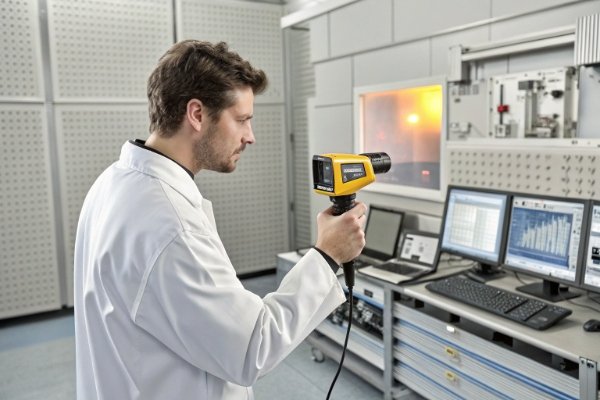
Manufacturers evaluate these risks using the IEC 60601-1 medical electrical safety standard 1 and IEC 60068 environmental reliability testing 2 to confirm safe temperature operation.
For component endurance, we also perform accelerated life testing 3 to simulate months of use in a few weeks.
How should buyers evaluate heat build-up risk during continuous usage in salon/clinic settings?
As the manufacturer, I advise buyers to simulate real-world usage—not short demos—when comparing devices. That’s when true thermal stability becomes clear.
To evaluate heat-build-up risk, buyers should check the device’s rated duty cycle, monitor temperature rise over 10–15 minutes of continuous operation, review the manufacturer’s thermal test reports, and confirm the presence of automatic shutdown or cool-down mechanisms.
During evaluation, buyers can request temperature verification logs 4 and review the duty cycle definitions 5 listed in the user manual.
Reliable manufacturers will also supply test chamber reports under controlled ambient conditions 6.
Are cooling systems (fans, heat sinks) standard in high-end devices?
As the manufacturer, I design all high-end handpieces with integrated active cooling. Passive designs can’t handle today’s clinical duty cycles or higher-energy pulses.
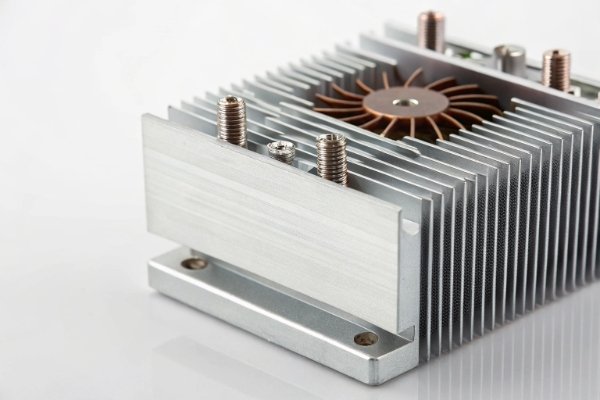
Yes, high-end shockwave therapy machines typically include active cooling systems—combining internal fans, aluminum heat sinks, thermal conduction sleeves, and temperature sensors—to maintain safe handpiece operation during continuous use and extend device lifespan.
Design verification follows IEC 60601-1-2 electromagnetic compatibility and thermal safety 7, while material fatigue testing applies Arrhenius thermal degradation modeling 8 to predict lifespan under high temperature stress.
Manufacturers integrating smart PWM-controlled fan systems 9 achieve more efficient and quieter cooling without sacrificing airflow.
What maintenance or warning mechanisms should be present to avoid handpiece overheating?
As the manufacturer, I emphasize maintenance discipline as the real defense. Even the best cooling can’t compensate for neglect.
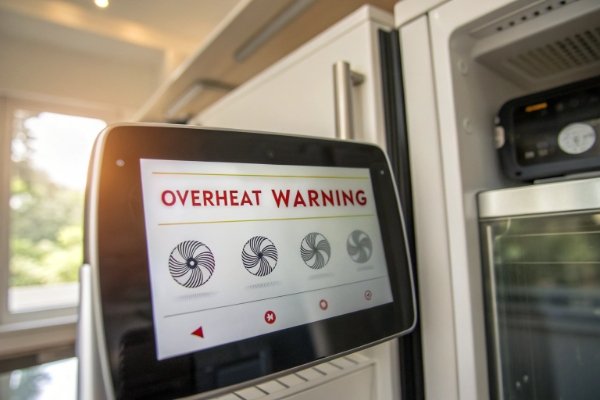
Proper maintenance and warning systems—such as clean air vents, periodic sleeve replacement, calibrated temperature sensors, and visible overheat alarms—are essential to prevent thermal damage, ensure operator safety, and sustain consistent treatment output.
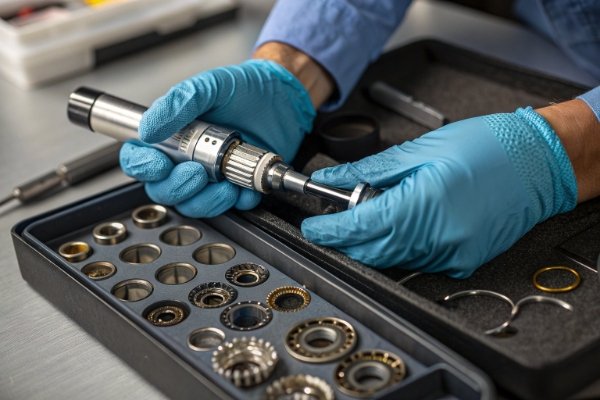
To maintain long-term performance, every operator should follow ISO 13485 quality management requirements 10 for preventive maintenance and calibration traceability.
Footnotes
1. IEC 60601 defines electrical and temperature safety for medical devices. ↩︎
2. IEC 60068 provides environmental test methods for durability and heat endurance. ↩︎
3. Accelerated life testing simulates prolonged device operation under stress. ↩︎
4. Infrared thermography enables accurate thermal pattern visualization. ↩︎
5. Duty cycle specifications define safe continuous-use periods for devices. ↩︎
6. Environmental chamber testing ensures stability under clinic-like temperature conditions. ↩︎
7. IEC 60601-1-2 ensures compliance with electrical, thermal, and EMC performance standards. ↩︎
8. Arrhenius models predict how temperature affects component longevity. ↩︎
9. PWM fan control allows precise thermal management in electronic devices. ↩︎
10. ISO 13485 governs quality control and maintenance procedures for medical systems. ↩︎

 English
  Español de México
  Deutsch
  Français
  العربية
  Русский