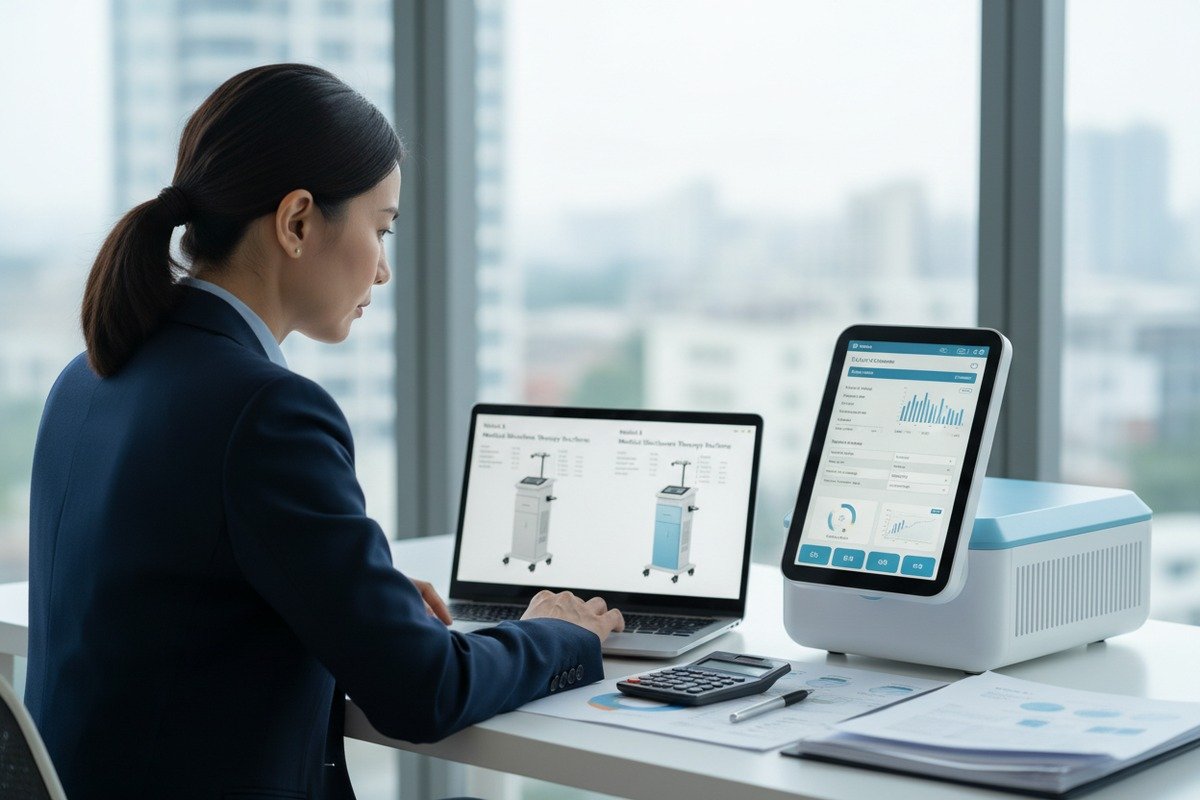
Jede Woche erhält unser Vertriebsteam Anfragen von Käufern, die durch stark unterschiedliche Preisangebote verwirrt sind Gesamtbetriebskosten 1. Ein Lieferant bietet ein Stoßwellengerät für 3.000 € an; ein anderer bietet 25.000 € für etwas an, das identisch zu sein scheint. Diese Preisspanne verursacht echte Ängste bei Einkaufsmanagern.
Um die Lieferantenpreise effektiv zu bewerten, vergleichen Sie die Gesamtkosten des Eigentums – einschließlich Maschinentyp, OEM-Gebühren, Versand, Wartung und Qualitätskontrollstandards. Faire Preise spiegeln echte technologische Unterschiede, verifizierte Zertifizierungen und transparenten After-Sales-Support wider und nicht willkürliche Aufschläge oder versteckte Gebühren.
Lassen Sie mich Ihnen die Schlüsselfaktoren erläutern, die unsere Ingenieur- und Exportteams bei der Bewertung von Preisen für Kunden berücksichtigen CE-Kennzeichnung 2. Diese Erkenntnisse stammen aus jahrelanger Fertigung und Versand Stoßwellentherapiegeräte 3 weltweit.
Wenn wir die Preise für unsere Produktionsläufe kalibrieren, wird der Unterschied zwischen "teuer" und "wertvoll" kristallklar. Nicht jeder hohe Preis bedeutet hohe Qualität. Einige Lieferanten verlangen mehr, einfach weil sie es können.
Eine faire Qualitätsprämie spiegelt messbare Unterschiede wider: höhere Energieausbeute, überlegene Komponenten, längere Lebensdauer, nachgewiesene Zertifizierungen und umfassende Garantien. Überhöhte Preise entbehren dieser Rechtfertigungen – sie beruhen allein auf Markenwahrnehmung ohne technische Überlegenheit oder besseren Service.
Preisstufen auf dem Markt verstehen
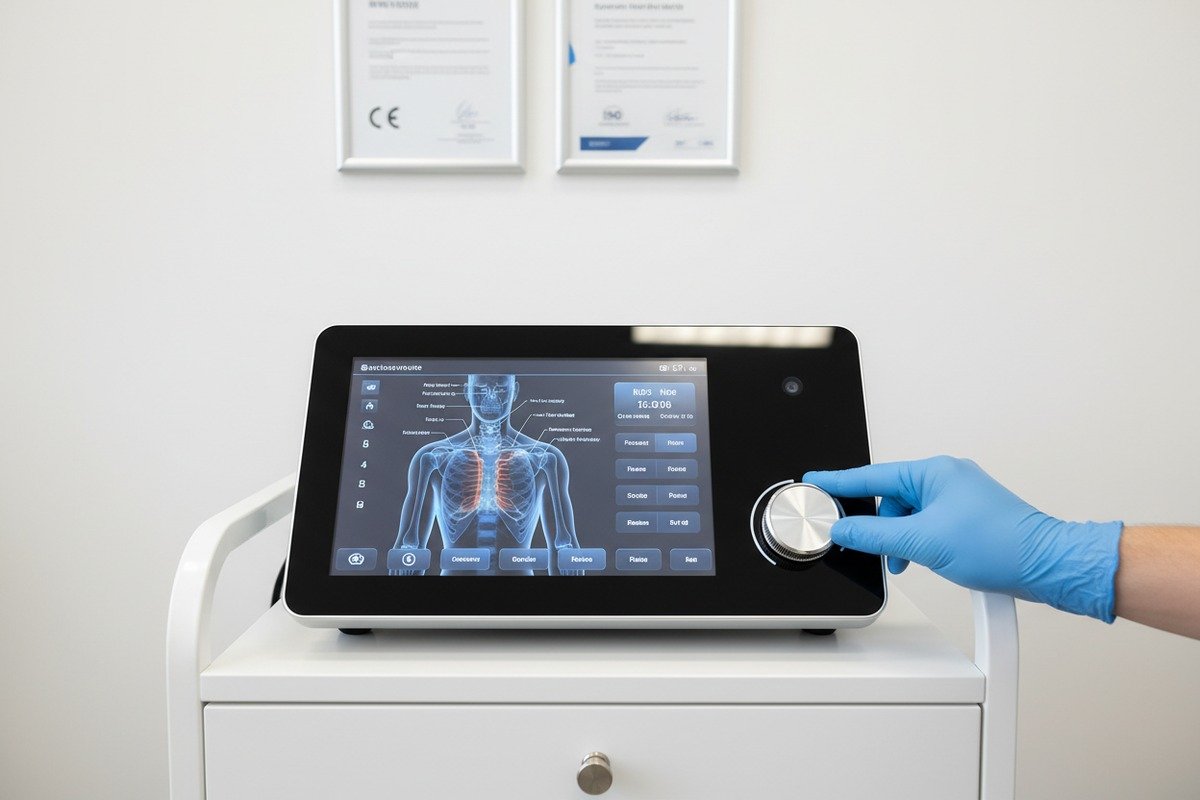
Der Markt für Stoßwellentherapiegeräte teilt sich in drei klare Segmente. Einstiegsmodelle Radialgeräte 4 kosten zwischen 2.000 € und 5.000 €. Mittelklasse-Profi-Geräte kosten zwischen 5.000 € und 15.000 €. High-End fokussierte Stoßwellensysteme 5 kosten zwischen 15.000 € und 40.000 € oder mehr.
Jede Stufe dient unterschiedlichen Zwecken. Einstiegsgeräte eignen sich gut für den Heimgebrauch oder kleine Kliniken mit geringerem Patientenaufkommen. Mittelklasse-Geräte eignen sich für wachsende Praxen, die Zuverlässigkeit und bessere Spezifikationen benötigen. Premium-Geräte richten sich an Krankenhäuser, Sportmedizinzentren und Kliniken mit hohem Volumen, die Präzision und Langlebigkeit benötigen.
Wichtige Spezifikationen, die höhere Preise rechtfertigen
Unsere Ingenieure prüfen immer diese technischen Spezifikationen, wenn sie beurteilen, ob ein Preisaufschlag sinnvoll ist:
| Spezifikation | Einstiegsmodelle (2.000 € - 5.000 €) | Mittelklasse ($5K-$15K) | Premium ($15K-$40K+) |
|---|---|---|---|
| Energieausgabe | 1-3 bar | 3-5 bar | 5+ bar |
| Frequenzbereich | 1-15 Hz | 1-21 Hz | 1-25 Hz |
| Behandlungstiefe | Oberflächengewebe | Mittlere Tiefe | Tiefengewebe |
| Applikator-Optionen | 2-3 Köpfe | 4-6 Köpfe | 6+ Spezialköpfe |
| Verarbeitungsqualität | Kunststoffgehäuse | Gemischte Materialien | Medizinischer Stahl |
| Warranty | 1 Jahr | 2 Jahre | 3-5 Jahre |
Warnsignale für überhöhte Preise
Achten Sie auf diese Warnzeichen. Wenn ein Lieferant nicht erklären kann, warum seine Maschine mehr kostet, hinterfragen Sie die Preisaufschläge. Vage Behauptungen wie "Premium-Qualität" ohne Spezifikationen bedeuten nichts. Fehlende FDA-Freigabe 6 oder CE-Kennzeichnung bei Premium-Preisen signalisiert Probleme. Keine technischen Dokumentationen oder Prüfberichte deuten darauf hin, dass der Preis Marketing und nicht Ingenieurwesen widerspiegelt.
Nach unserer Erfahrung beim Versand in US- und europäische Märkte werden legitime Premium-Maschinen immer mit detaillierten technischen Datenblättern, Zertifizierungsdokumenten und klaren Garantiebedingungen geliefert. Wenn ein Lieferant zögert, diese bereitzustellen, ist sein hoher Preis wahrscheinlich ungerechtfertigt.
Marken- vs. Wertanalyse
| Marken-Kategorie | Typischer Preisbereich | Was Sie erhalten | Am besten für |
|---|---|---|---|
| Storz Medical | $20,000-$40,000+ | Schweizer Präzision, klinische Validierung | Große Krankenhäuser |
| BTL/Zimmer | $15,000-$30,000 | Etablierter Ruf, guter Support | Kliniken mit mehreren Standorten |
| Oceanus | $3,000-$8,000 | Solide Spezifikationen, tragbare Optionen | Kleine Kliniken, mobile Dienste |
| Chinesisches OEM | $2,000-$10,000 | Anpassbar, wettbewerbsfähige Spezifikationen | Markenaufbauer, Distributoren |
Unser Logistikteam bearbeitet täglich Sendungen nach Nordamerika und Europa. Wir erleben, dass Käufer von Kosten überrascht sind, die sie nie erwartet hätten. Der Maschinenpreis ist nur der Anfang Ihrer Gesamtinvestition.
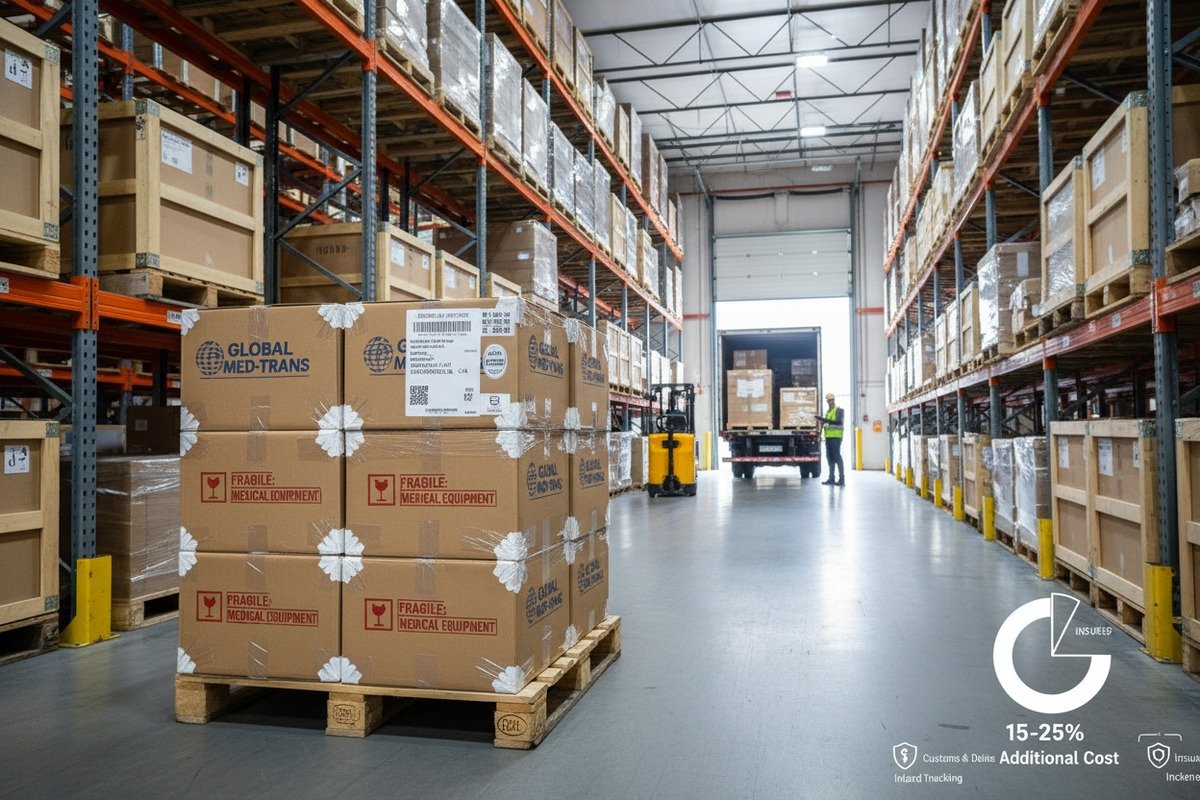
Versteckte Logistikkosten umfassen Zölle (typischerweise 2-8% für medizinische Geräte), Frachtversicherung, Hafengebühren, Binnentransport, Importmaklergebühren und mögliche Lagergebühren. Tür-zu-Tür-Versand erhöht Ihre Maschinenkosten um 15-25%, abhängig von Zielort und Servicelevel.
Aufschlüsselung der internationalen Versandkosten
Wenn wir eine Lieferung von Tür zu Tür von unserem Werk in Guangzhou anbieten, berücksichtigen wir mehrere Kostenschichten. Seefracht bleibt für nicht dringende Bestellungen die wirtschaftlichste Option. Luftfracht kostet 4-6 Mal mehr, liefert aber in Tagen statt Wochen.
Hier ist, wie eine typische Sendung in die Vereinigten Staaten aussieht:
| Kostenkomponente | Seefracht | Luftfracht |
|---|---|---|
| Grundfracht | $800-$1,500 | $3,000-$6,000 |
| Zollgebühren | 2-8% Wert | 2-8% Wert |
| Versicherung | 0,5-1% des Wertes | 0,5-1% des Wertes |
| Hafenabfertigung | $150-$300 | $100-$200 |
| Zollagent | $150-$250 | $150-$250 |
| Binnentransport | $200-$500 | $100-$300 |
| Dokumentation | $50-$100 | $50-$100 |
Zoll- und Tarifüberlegungen
Medizinprodukte unterliegen je nach Klassifizierung unterschiedlichen Zolltarifen. Stoßwellentherapiemaschinen fallen typischerweise unter HS-Code-Kategorien mit 2-8% Zollsätzen für US-Importe. Handelspolitiken ändern sich jedoch. Unser Exportdokumentationsteam hält sich über Zolltarife auf dem Laufenden, um Kunden bei der genauen Budgetierung zu helfen.
Einige Käufer vergessen die Mehrwertsteuer oder die GST in ihren Zielländern. Europäische Importe unterliegen je nach Land einer Mehrwertsteuer von 19-25%. Kanadische Importe beinhalten GST und möglicherweise Provinzsteuern. Diese erhöhen die Kosten erheblich, wenn Sie sie nicht eingeplant haben.
Vermeidung von Überraschungskosten
Wir haben gelernt, Kunden vor weniger offensichtlichen Gebühren zu warnen. Liegegebühren fallen an, wenn Sie Waren nicht umgehend von den Häfen abholen. Lagergebühren summieren sich schnell in Zolllagern. Nachlieferungsversuche kosten extra, wenn Adressen falsch sind.
Unser Serviceansatz umfasst vollständige Sendungsverfolgungsaktualisierungen und eine Koordination vor der Ankunft mit Ihrem Empfangsteam. Dies verhindert die meisten Überraschungskosten. Lieferanten, die nur Fabrikpreise ohne Logistikunterstützung anbieten, lassen Käufer oft mit unerwarteten Kosten zurück.
Wie stark steigt mein Stückpreis, wenn ich mich für vollständige OEM-Anpassung und Private Labeling entscheide?
Wenn sich unser Ingenieurteam mit Kunden trifft, die kundenspezifische Stoßwellenmaschinen wünschen, diskutieren wir immer ehrlich den Kosten-Nutzen-Kompromiss. Vollständige Anpassung ist nicht billig, aber intelligente Anpassung liefert eine starke Kapitalrendite.
Vollständige OEM-Anpassung erhöht die Kosten der Basiseinheit um 30-100%, abhängig vom Umfang. Einfaches Private Labeling kostet 500-2.000 € pro Modell. Benutzerdefinierte Softwareschnittstellen kosten 3.000-10.000 €. Die Entwicklung neuer Formen kostet 15.000-25.000 € pro Komponente. Mikro-Anpassung – Modifizierung bestehender Formen – bietet einen kostengünstigen Mittelweg für 2.000-8.000 €.
Das Spektrum der Anpassungskosten
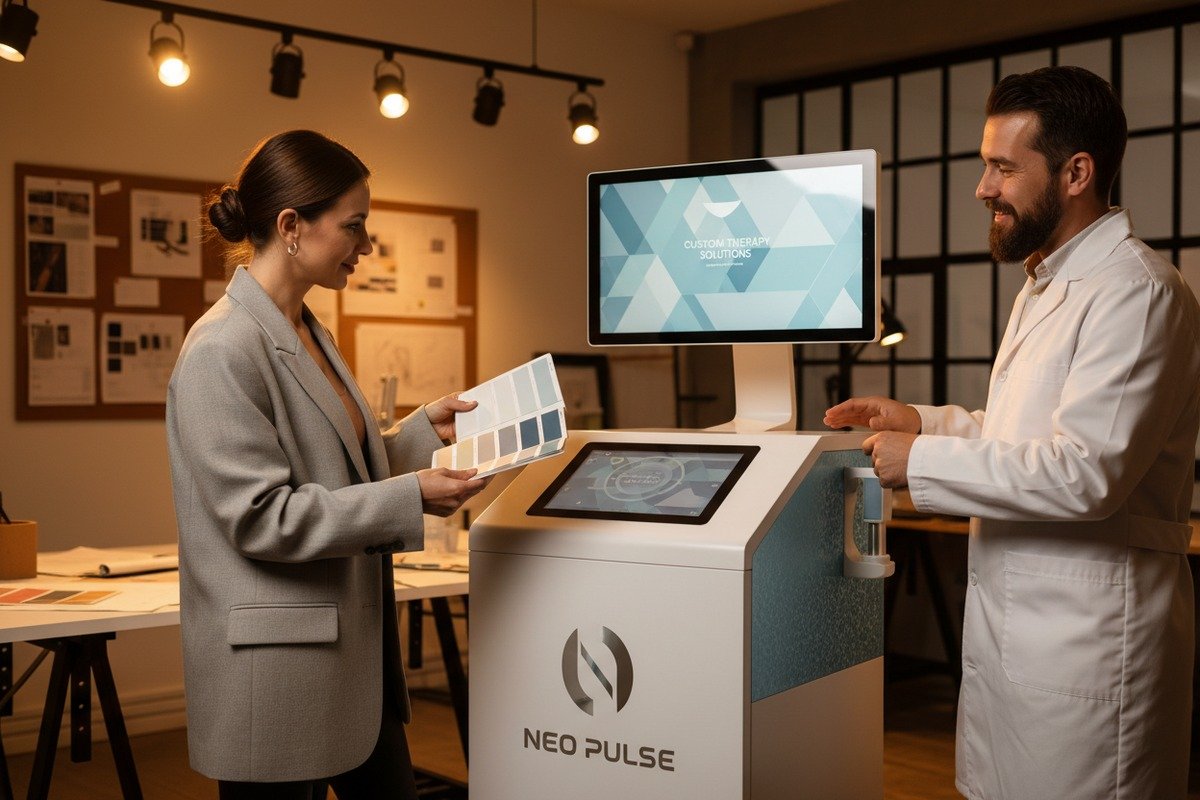
Nicht jede Anpassung kostet gleich viel. Unser Produktionsteam kategorisiert die Anpassung in Stufen, basierend auf Komplexität und erforderlichem Aufwand.
| Anpassungsgrad | Typische Kosten | Lieferzeit | MOQ-Auswirkungen |
|---|---|---|---|
| Nur Logo/Branding | $500-$1,500 | 1-2 Wochen | Minimal |
| Benutzerdefiniertes Farbschema | $1,000-$3,000 | 2-3 Wochen | +10-20% |
| Schnittstellenlokalisierung | $2,000-$5,000 | 3-4 Wochen | Minimal |
| Benutzerdefinierte Software-Benutzeroberfläche | $5,000-$15,000 | 6-8 Wochen | +20-30% |
| Modifiziertes Gehäuse | $8,000-$20,000 | 8-12 Wochen | +30-50% |
| Entwicklung neuer Formen | $15,000-$25,000+ | 12-16 Wochen | +50-100% |
Intelligente Anpassungsstrategien
Hier ist ein persönlicher Einblick aus unserer Erfahrung: Die Entwicklung völlig neuer Produkte erfordert vollständige Werkzeugsätze, die $150.000-$250.000 kosten. Sie können sich aber auch dafür entscheiden, nur wenige kleine Formen für Mikroanpassungen zu entwickeln und so erhebliche Kosten zu sparen und dennoch Markendifferenzierung zu erzielen.
Zum Beispiel erfordern kundenspezifische Applikatorgriffe oder Bedienfeldgehäuse kleinere Formen, die jeweils $3.000-$8.000 kosten. Dies ermöglicht es Ihnen, eine unverwechselbare visuelle Identität ohne massive Werkzeugkosten zu schaffen. Viele erfolgreiche US-Distributoren nutzen diesen Ansatz.
Berechnung Ihrer tatsächlichen Stückkosten
Bei der Bewertung von OEM-Preisen verteilen Sie die Werkzeugkosten auf Ihr prognostiziertes Bestellvolumen. Wenn die Werkzeugentwicklung $20.000 kostet und Sie planen, 200 Einheiten über zwei Jahre zu bestellen, addieren Sie $100 pro Einheit. Wenn Sie 1.000 Einheiten bestellen, sinkt dies auf $20 pro Einheit.
Unser Vertriebsteam hilft Kunden bei der Modellierung dieser Berechnungen. Die Schlüsselfrage: Werden Ihre Markenprämie und Marktpositionierung die Anpassungsinvestition wieder hereinholen? Für Distributoren, die sich an den mittleren bis oberen Markt richten, ist die Antwort in der Regel ja.
Schutz Ihrer Investition
Kundenspezifische Formen und Designs müssen geschützt werden. Unsere Verträge enthalten klare Bestimmungen zum geistigen Eigentum. Sie sollten sicherstellen, dass die Werkzeuge exklusiv für Ihre Bestellungen bleiben. Einige Lieferanten verkaufen Ihre kundenspezifischen Designs heimlich an Wettbewerber. Wir wahren strenge Kundenvertraulichkeit und Werkzeugtrennung in unserer Anlage.
Wie kann ich beurteilen, ob die Qualitätskontrolle und der technische Support eines Lieferanten eine höhere Anfangsinvestition rechtfertigen?
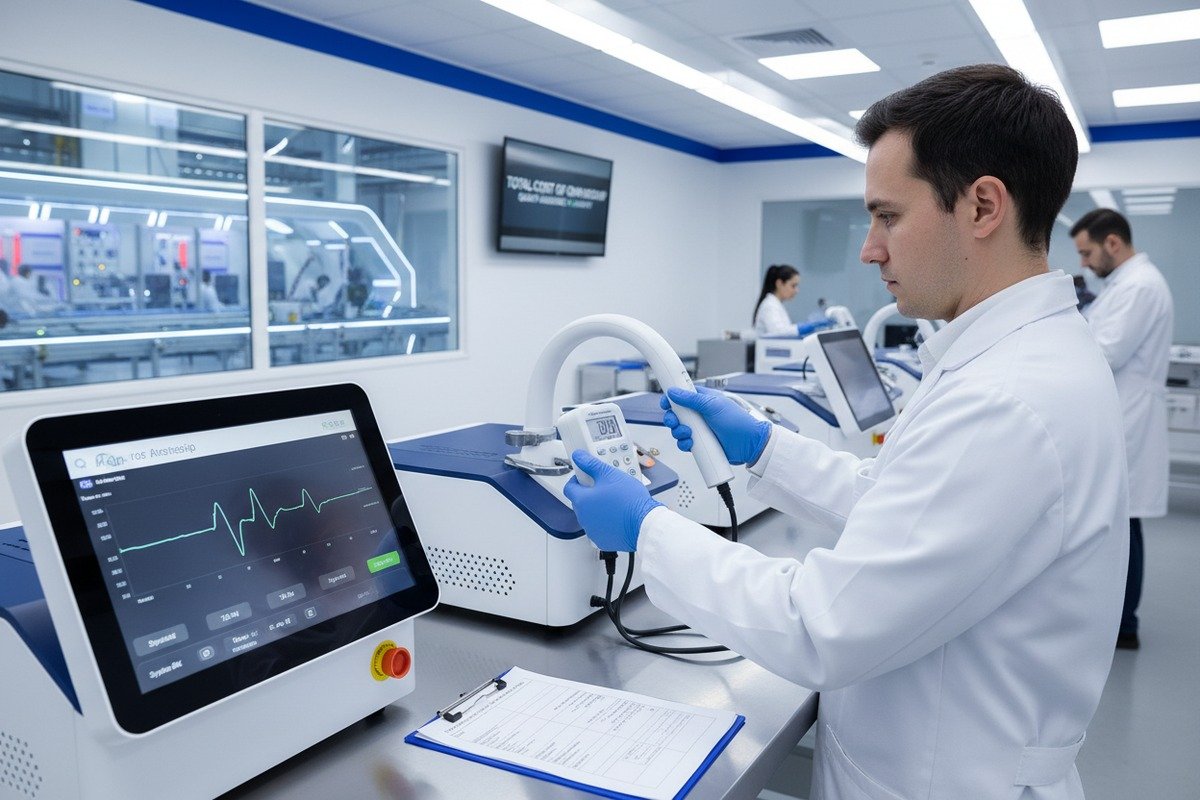
Unser Qualitätskontrollteam prüft jede Einheit vor dem Versand. Dies erhöht die Kosten für unseren Betrieb. Aber Kunden, die defekte Maschinen von billigeren Lieferanten erhalten haben, verstehen, warum eine strenge Qualitätskontrolle wichtig ist.
Die Qualitätskontrolle und der technische Support eines Lieferanten rechtfertigen höhere Preise, wenn sie Folgendes nachweisen: dokumentierte Inspektionsprotokolle, Aufzeichnungen von In-Prozess-Tests, Berichte über Vorversandinspektionen, reaktionsschnellen technischen Support, die Fähigkeit zur technischen Beratung und nachweisliche Erfolgsbilanzen bei ähnlichen Kunden. Diese reduzieren Ihr Risiko kostspieliger Rücksendungen, Kundenbeschwerden und Reputationsschäden.
Was die Qualitätskontrolle beinhalten sollte
Bitten Sie bei der Bewertung der QC-Fähigkeiten von Lieferanten um Einzelheiten. Vage Versprechungen von "strenger Qualitätskontrolle" bedeuten nichts. Unser QC-Prozess umfasst diese dokumentierten Schritte:
Eingangsmaterialprüfung: Wir testen elektronische Komponenten, Metallteile und Kunststoffgehäuse, bevor die Montage beginnt. Ablehnungsraten für eingehende Materialien geben Ihnen Aufschluss über die Beschaffungsstandards eines Lieferanten für Komponenten.
In-Prozess-Tests: Jede Maschine durchläuft während der Montage Funktionstests. Wir überprüfen die Kalibrierung der Energieabgabe, die Frequenzgenauigkeit und die Sicherheitssysteme in mehreren Produktionsstufen.
Endkontrolle: Fertige Einheiten werden umfassend getestet, einschließlich 24-stündiger Burn-in-Tests, Überprüfung der Ausgabe und kosmetischer Inspektion. Unsere Kunden erhalten mit jeder Lieferung Inspektionsberichte.
Bewertung des Werts der technischen Unterstützung
Technische Unterstützung wird kritisch, wenn Probleme auftreten. Stellen Sie potenziellen Lieferanten diese Fragen:
- Können Sie technische Dokumentationen in meiner Sprache bereitstellen?
- Wie schnell reagieren Sie auf technische Fragen?
- Bieten Sie Remote-Fehlerbehebungsunterstützung an?
- Können Ihre Ingenieure bei Produktmodifikationen helfen?
- Welche Schulungsressourcen bieten Sie an?
Unser Ingenieurteam pflegt eine direkte WhatsApp-Kommunikation mit wichtigen Kunden. Wenn eine Maschine unerwartet reagiert, können wir Probleme oft aus der Ferne diagnostizieren und Ersatzteile innerhalb weniger Tage versenden. Diese Reaktionsfähigkeit kostet uns mehr Personal, spart den Kunden aber enorme Kopfschmerzen.
Berechnung der risikobereinigten Kosten
Berücksichtigen Sie die Kosten von Qualitätsmängeln. Wenn 5% der Maschinen eines günstigen Lieferanten defekt ankommen und jeder Defekt Sie $500 für Rücksendungsbearbeitung, Kundenentschädigung und Reputationsschäden kostet, kostet eine Maschine für $5.000 im Durchschnitt tatsächlich $5.250.
Ein Lieferant, der $6.000 berechnet und eine Fehlerrate von 0,5% hat, kostet tatsächlich $6.025 – nur $775 mehr, während er weitaus weniger Ärger und Risiko verursacht.
| Szenario | Stückpreis | Fehlerrate | Kosten pro Defekt | Echte Stückkosten |
|---|---|---|---|---|
| Günstiger Lieferant | $5,000 | 5% | $500 | $5,250 |
| Mittlerer Lieferant | $6,000 | 1% | $500 | $6,050 |
| Premium-Lieferant | $7,500 | 0.5% | $500 | $7,525 |
Verifizierungsmethoden
Nehmen Sie die Aussagen von Lieferanten nicht einfach hin. Fordern Sie Werksauditberichte an. Bitten Sie um Referenzen von bestehenden Kunden in Ihrem Markt. Überprüfen Sie deren Zertifizierungen – ISO 13485 für das Qualitätsmanagement von Medizinprodukten ist wichtiger als ein allgemeines ISO 9001.
Unsere Anlage begrüßt Kundenbesuche und Audits durch Dritte. Wir unterhalten ISO 13485-Zertifizierung 8 und bieten vollständige Rückverfolgbarkeit für Komponenten. Lieferanten, die Inspektionen ablehnen, haben oft etwas zu verbergen.
Schlussfolgerung
Eine intelligente Bewertung der Lieferantenpreise erfordert einen Blick über die Listenpreise hinaus. Berücksichtigen Sie die Gesamtbetriebskosten, überprüfen Sie Qualitätsaussagen mit Dokumentation und berechnen Sie, wie sich Investitionen in die Anpassung über Ihre Bestellmengen verteilen. Das billigste Angebot liefert selten den besten Wert.
Fußnoten
1. Erklärt das Konzept der TCO (Total Cost of Ownership) für medizinische Geräte, einschließlich versteckter Kosten. ︎
2. Bietet einen umfassenden Überblick über die CE-Kennzeichnungspflichten für Medizinprodukte in der EU. ︎
3. Bietet allgemeine Informationen über Stoßwellentherapiegeräte und ihre Anwendungen. ︎
4. Beschreibt den Mechanismus, die Anwendungen und die Vorteile der radialen Stoßwellentherapie. ︎
5. Erklärt die fokussierte Stoßwellentherapie, ihre Anwendungen und wie sie sich von radialen Geräten unterscheidet. ︎
6. Ersetzt durch eine Anleitung zum FDA-Zulassungsverfahren für Medizinprodukte, einschließlich Freigabepfaden und Zeitplänen. ︎
7. Diskutiert OEM-Anpassungen in der Herstellung von Medizinprodukten und deren Vorteile. ︎
8. Definiert ISO 13485 als internationale Norm für Qualitätsmanagementsysteme für Medizinprodukte. ︎

 English
  Español de México
  Deutsch
  Français
  العربية
  Русский